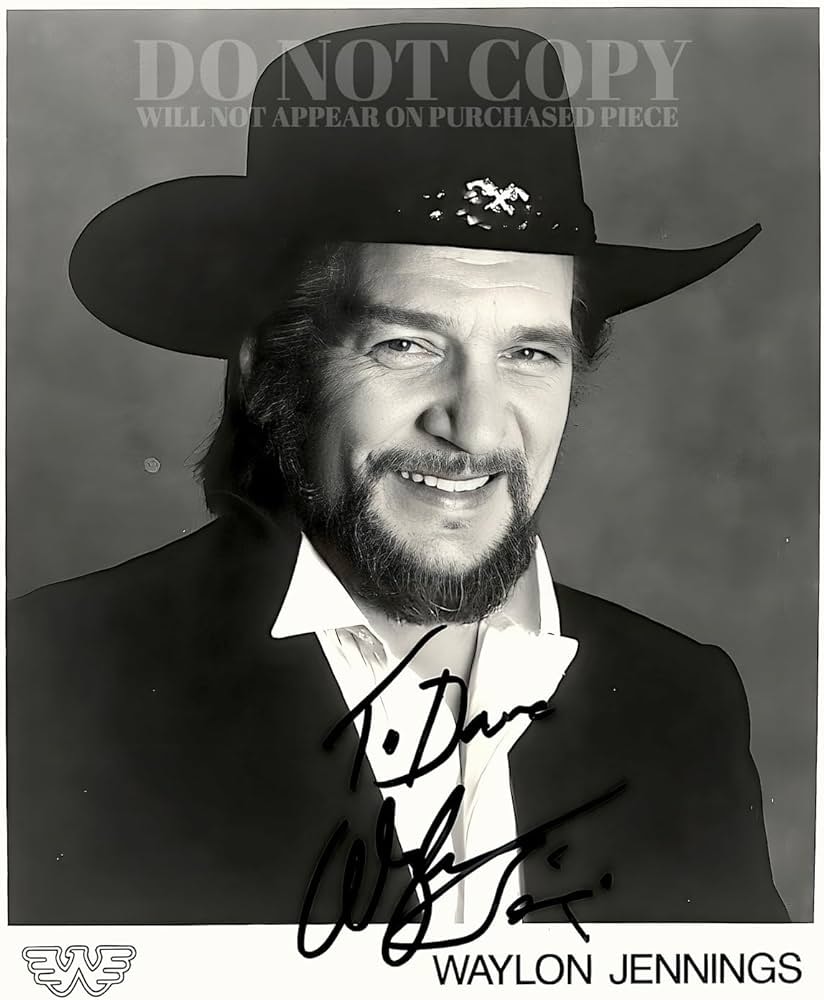
Waylon Jennings
 United States
Member of The Highwaymen
Singer•songwriter•musician•actor
Also known as: Wayland Arnold Jennings
Data de nascimento
June 15, 1937
Signo
Gemini
Local de nascimento
Littlefield, Texas, USA
Idade
Faleceu aos 64
Altura
5 ft 9 in (175 cm)
Sobre
Waylon Jennings foi um cantor, compositor, músico e ator americano de música country, amplamente reconhecido como um pioneiro do movimento outlaw country. Seu som cru e com influências de rock desafiou as convenções polidas de Nashville, conquistando-lhe um público fiel e aclamação da crítica.
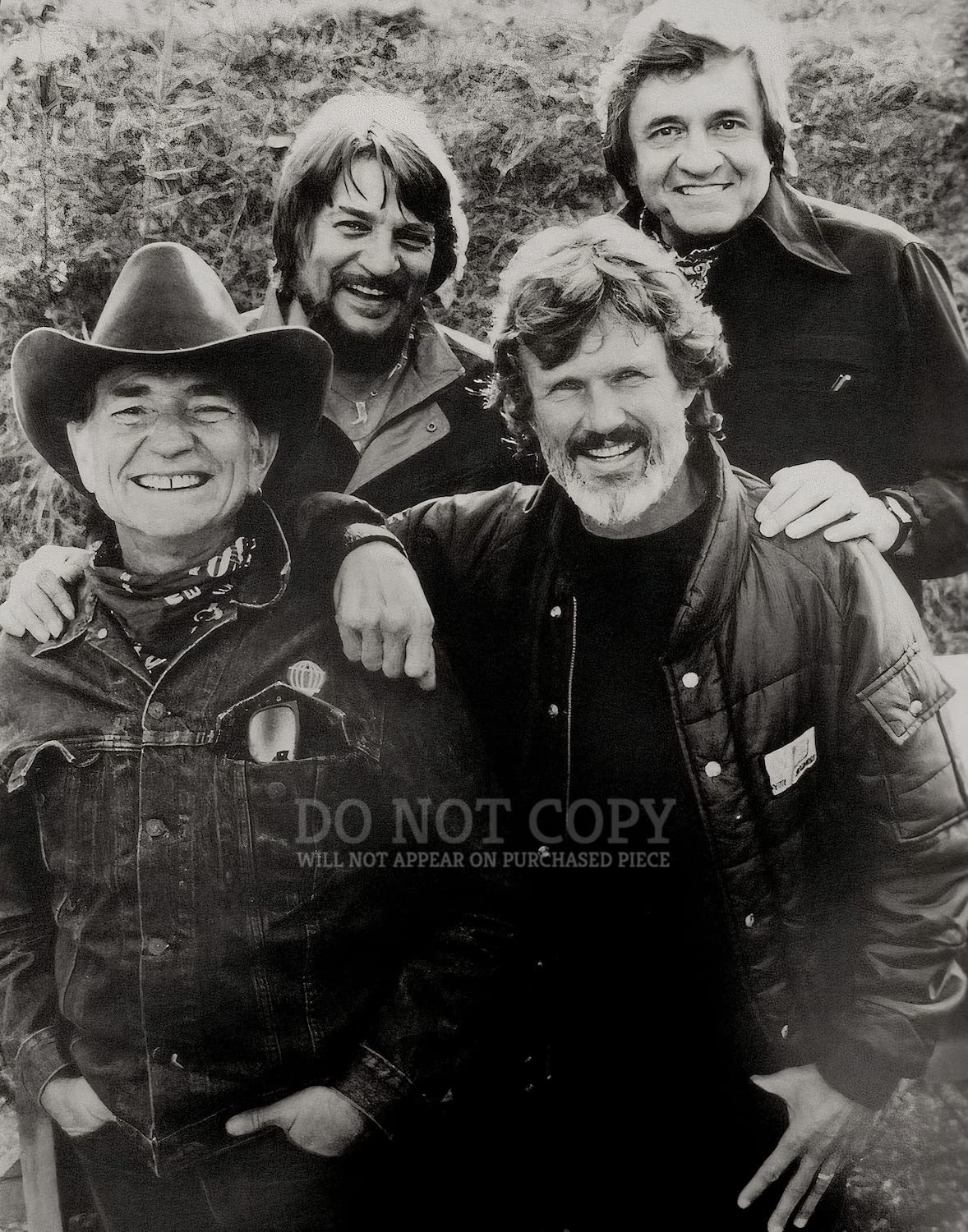
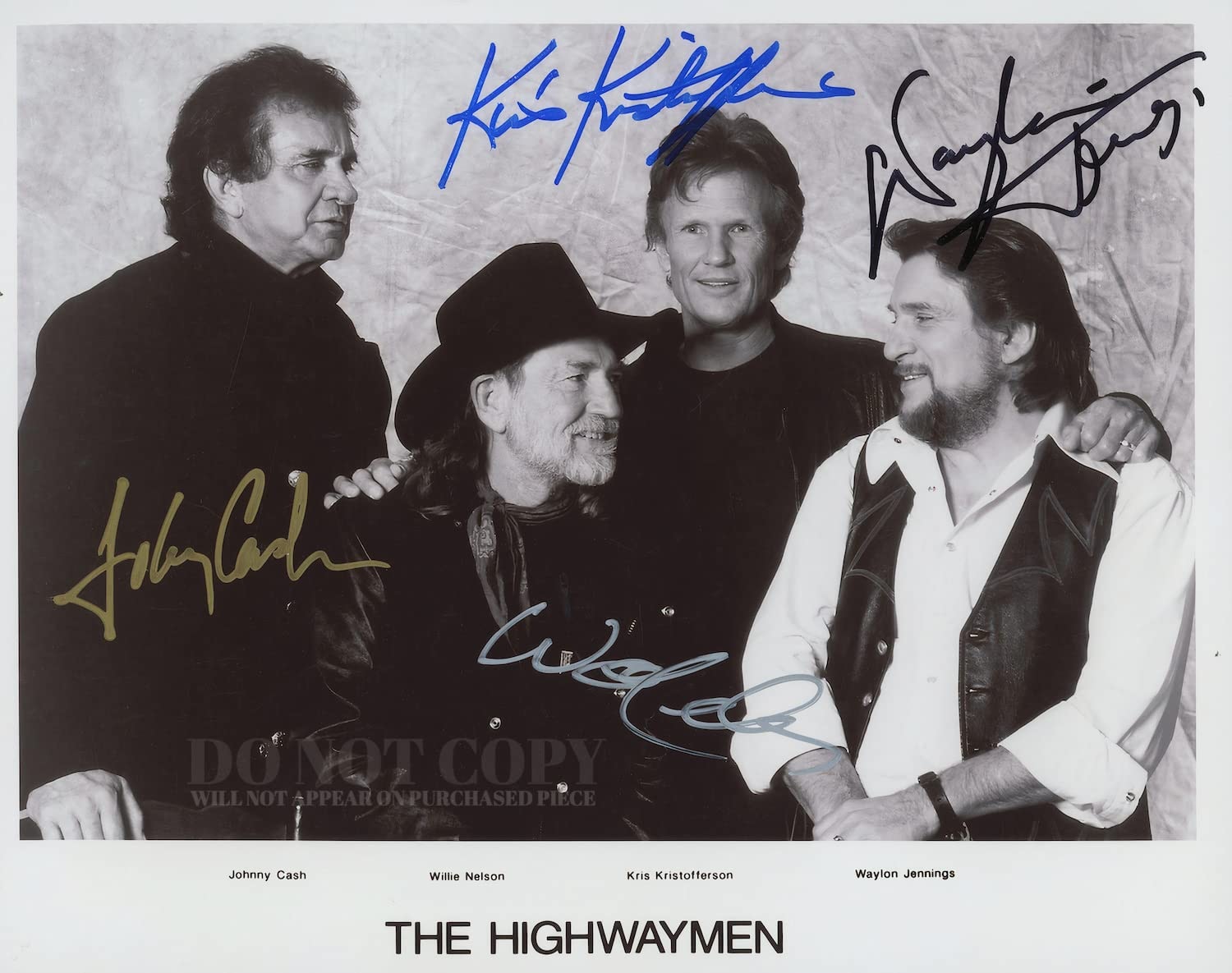
Ao longo de uma carreira de cinco décadas, Jennings lançou mais de 60 álbuns e emplacou 16 sucessos country número um, incluindo Luckenbach, Texas e Good Ol' Boys. Ele foi uma figura chave no primeiro álbum country a vender platina, Wanted! The Outlaws, e mais tarde tornou-se membro do lendário supergrupo os Highwaymen, ao lado de Willie Nelson, Johnny Cash e Kris Kristofferson.
Hoje, a música de Jennings continua a ressoar com fãs antigos e novos. Seu espólio gerencia seu catálogo, que gera milhões anualmente através de streaming, licenciamento e lançamentos póstumos. Ele permanece um símbolo duradouro do espírito outlaw da música country.
Início da vida e origens
Waylon Arnold Jennings nasceu Wayland Arnold Jennings em 15 de junho de 1937, em Littlefield, Texas, uma pequena cidade agrícola. Ele pegou um violão aos oito anos, aprendeu a tocar sozinho e aos quatorze já se apresentava ao vivo na rádio KVOW em Littlefield. Ele formou sua primeira banda, os Texas Longhorns, ainda no ensino médio.
Aos dezesseis anos, Jennings deixou a escola para se dedicar à música em tempo integral. Ele trabalhou como performer e DJ em estações de rádio no Texas, Arizona e Novo México, incluindo KDAV em Lubbock, KYTI em Coolidge e KLLL. Em 1958, sua grande chance veio quando Buddy Holly produziu a primeira gravação de Jennings, um cover de Jole Blon, e o contratou para tocar baixo em uma turnê futura.
Em 3 de fevereiro de 1959, Jennings desistiu de seu assento em um pequeno avião que caiu, matando Holly, Ritchie Valens e o Big Bopper. A tragédia o assombrou por anos; ele disse mais tarde: "Eu me senti culpado por anos". Ele voltou para o Texas, tirou um tempo de folga, depois se mudou para o Arizona e formou a banda rockabilly os Waylors, que se tornaram a banda residente no JD's em Tempe. Ele gravou para Trend e A&M Records, mas lutou para encontrar sucesso comercial até assinar com a RCA Victor em 1965.
Crescimento na carreira
A carreira de Jennings decolou depois que ele contratou o empresário Neil Reshen em 1972, que negociou o controle criativo da RCA. O resultado foi uma série de álbuns marcantes: Lonesome, On'ry and Mean (1973) e Honky Tonk Heroes (1973), que definiram o som outlaw country. Dreaming My Dreams (1975) e Are You Ready for the Country (1976) seguiram, cimentando sua reputação.
Em 1976, Jennings se juntou a Willie Nelson, Tompall Glaser e Jessi Colter para Wanted! The Outlaws, o primeiro álbum de platina da música country. Seu álbum solo Ol' Waylon (1977) também atingiu platina, um feito inédito para um artista country solo, e apresentou o hit Luckenbach, Texas. De 1979 a 1985, ele atuou como o Baladeiro em The Dukes of Hazzard, escrevendo e cantando a música tema, Good Ol' Boys, que se tornou um hit número um. Ele também apareceu em Sesame Street.
Após superar o vício em cocaína em 1984, Jennings formou os Highwaymen com Nelson, Cash e Kristofferson. O supergrupo lançou três álbuns entre 1985 e 1995, enquanto Jennings também lançou o bem-sucedido Will the Wolf Survive (1985). Ele diminuiu as turnês após 1997 para passar tempo com a família. Entre 1999 e 2001, problemas de saúde limitaram suas aparições. Em 2001, ele foi introduzido no Country Music Hall of Fame. Lançamentos póstumos, incluindo The Lost Sessions (2023), continuam a apresentar sua música a novos públicos. Em 2007, ele recebeu postumamente o Cliffie Stone Pioneer Award da Academy of Country Music. Ele também recebeu um Grammy por Mamas Don't Let Your Babies Grow Up to Be Cowboys com Willie Nelson e uma estrela na Calçada da Fama de Hollywood em 1979.
Linha do tempo da carreira
Imagem pública e estilo
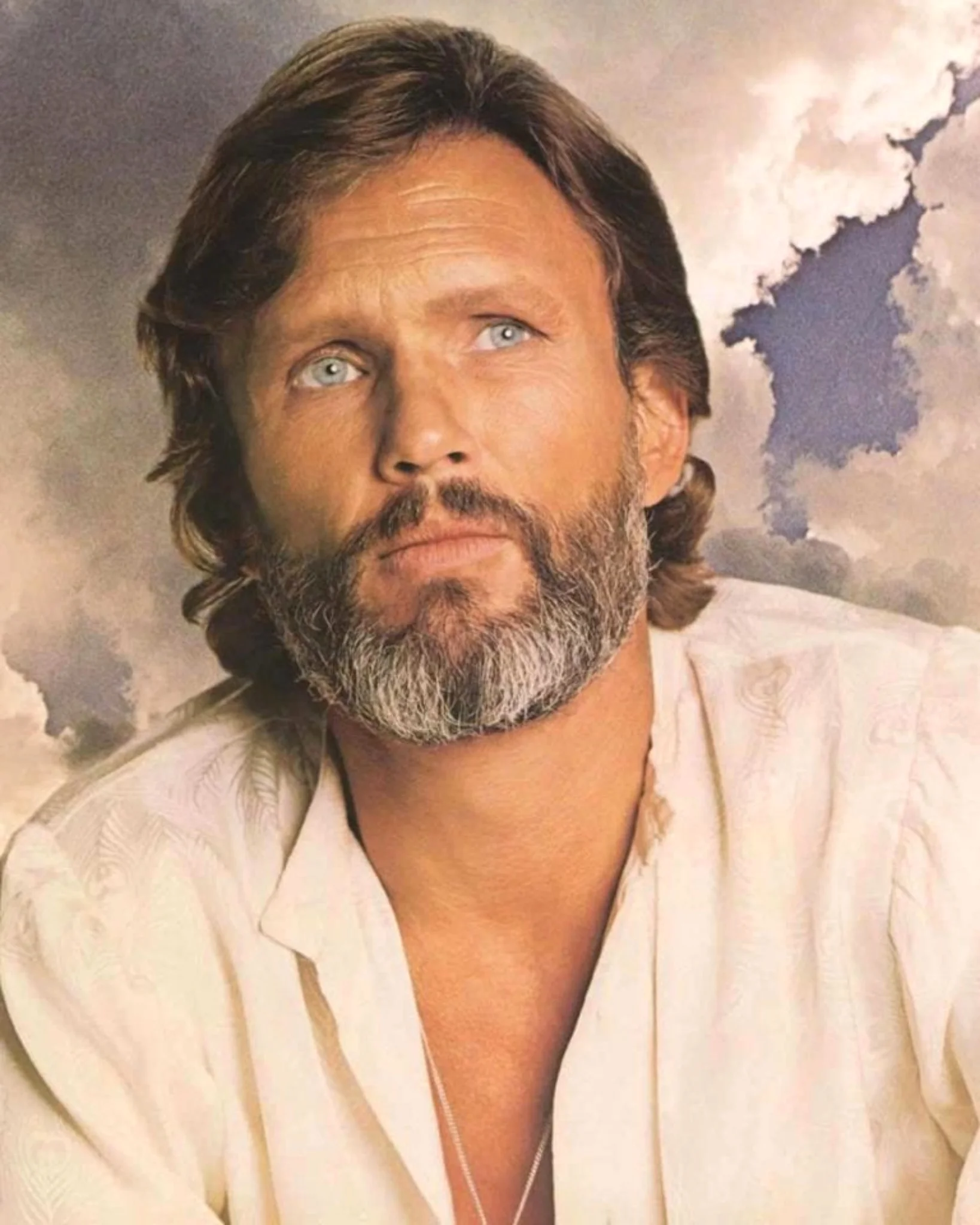
Waylon Jennings cultivou uma persona rebelde e outlaw que ressoou com fãs cansados do som polido de Nashville. Seu cabelo comprido, barba, colete de couro preto e óculos escuros se tornaram icônicos. Ele frequentemente dizia que sua música era sobre atitude, não apenas som; ele comentou: "Outlaw country não é um som. É uma atitude."
Retratos na mídia enfatizam seu espírito rebelde e suas lutas com o vício, que ele superou em 1984. Fãs, às vezes chamados de Waylonites, celebram seu aniversário (15 de junho) e o aniversário de sua morte (13 de fevereiro) com shows tributo e postagens em redes sociais. As contas oficiais do espólio mantêm um tom nostálgico, compartilhando fotos e músicas de arquivo. Jennings apareceu nas capas da Rolling Stone (1976) e People (1978). Ele está classificado em 90º lugar na lista dos "100 Maiores Artistas Country de Todos os Tempos" da Rolling Stone e em 4º lugar entre os "40 Maiores Homens da Música Country" da CMT.
A autenticidade e a habilidade de contar histórias de Jennings continuam a atrair novos ouvintes, especialmente através de lançamentos póstumos e documentários como Waylon Jennings: Outlaw (2024).
Fama e fandom (iFAMOUS Rankings)
The legacy of Waylon Jennings is sustained by a fanbase that reveres the grit and authenticity of the outlaw country movement rather than organized campaigns or formal clubs. Unlike modern pop acts with structured fan drives, his audience celebrates through enduring cultural integration and organic tribute, often gathering to honor the genre he helped define without a single official name for their collective. This deep-seated appreciation ensures his music remains a vital part of the American soundscape decades after his passing. Within this landscape of enduring influence, the iFANN Global Fame Rankings place him as the 59th most famous person in Country, a standing which has held steady from the previous cycle. The authority of these placements reflects global attention across media coverage, search activity, and consumption signals worldwide. While the original quartet of The Highwaymen has been reduced to a ghostly ensemble following the deaths of Johnny Cash, Kris Kristofferson, and Jennings himself, leaving only Willie Nelson, the group's mythos remains potent. The narrative of four giants rejecting Nashville's polished rules to forge a new path stands as a defining chapter in music history. Their curated list of greatest songs and the anthem of "Highwayman" continue to resonate with listeners who value the raw honesty of their output. The passage of time has not diminished the stature of these artists; instead, it has cemented their status as legends whose work transcends generations.
Fatos interessantes e lendas
Jennings famously relinquished his seat on the plane that crashed in 1959, an event that claimed the lives of Buddy Holly, Ritchie Valens, and the Big Bopper. He carried the weight of this decision for years, later admitting to feelings of profound guilt despite being a licensed pilot who owned several aircraft. His signature aesthetic, featuring long hair, a beard, a black leather vest, and sunglasses, evolved into the definitive symbol of the outlaw country image. He recorded the Grammy-winning duet "Mamas Don't Let Your Babies Grow Up to Be Cowboys" with Willie Nelson, a track that reached number one on the charts. Jennings also narrated The Dukes of Hazzard and performed its theme song, which topped the country charts in 1980. A close friend of Johnny Cash, he was known for his heavy smoking habits throughout his life. In 2001, he was inducted into the Rock and Roll Hall of Fame under the Early Influence category. Legends surrounding the group persist regarding the formation of The Highwaymen in 1985, where four country titans united to escape strict production rules. A widely retold story describes the recording of the title track "Highwayman", where each member declared their past identity, with Jennings adding that he was a dam builder. This era marked the birth of Outlaw Country, shifting the genre away from polished conventions toward a grittier style.
Frases notáveis
“I don't think I've ever been a rebel. I just did what I wanted to do.”
“I gave up my seat on that plane. I felt guilty for years. But I also felt lucky.”
“Outlaw country isn't a sound. It's an attitude.”
“I'm not a singer, I'm a storyteller.”
“The Highwaymen? We were four old guys who liked to sing and raise hell. That's all.”
Família e vida pessoal
Waylon Jennings era filho de Waylon Arnold Jennings e Lorene Jennings. Ele cresceu em um lar musical; sua mãe tocava violão e seu pai era operário. Ele tinha um irmão, uma irmã chamada Deana, que mais tarde se tornou cantora. Jennings foi casado quatro vezes. Seu primeiro casamento com Maxine Lawrence (1952–1954) terminou em divórcio, assim como o segundo com Lynda Jones (1956–1957). Com sua terceira esposa, Barbara Rood (1962–1967), ele teve quatro filhos: Terry, Deana, Julie e Tomi.
Em 1969, ele se casou com a cantora country Jessi Colter. Eles tiveram um filho, Shooter Jennings, que se tornou músico. O casal permaneceu junto até a morte de Waylon em 2002. Jessi Colter colaborou com ele em Wanted! The Outlaws e outros projetos. O espólio é administrado por Jessi e Shooter.
Conexões notáveis
Waylon Jennings colaborou extensivamente com Willie Nelson, Johnny Cash e Kris Kristofferson como parte dos Highwaymen. Ele trabalhou em estreita colaboração com sua esposa, Jessi Colter, no álbum Wanted! The Outlaws. Sua carreira inicial foi moldada por Buddy Holly, que produziu sua primeira gravação. O empresário Neil Reshen o ajudou a obter controle criativo nos anos 1970. Seu filho, Shooter Jennings, é um músico que administra seu espólio.
Relacionamentos e história amorosa
Waylon Jennings foi casado quatro vezes. Ele se casou com Maxine Lawrence em 1952; eles se divorciaram dois anos depois. Em 1956, ele se casou com Lynda Jones, mas esse casamento terminou em menos de um ano. Seu terceiro casamento, com Barbara Rood, durou de 1962 a 1967 e produziu quatro filhos: Terry, Deana, Julie e Tomi.
Em 26 de outubro de 1969, Jennings se casou com a cantora country Jessi Colter. Eles tiveram um filho, Shooter Jennings, nascido em 1979. O casal permaneceu junto até a morte de Jennings em 2002. Jessi Colter foi uma colaboradora frequente, aparecendo em Wanted! The Outlaws e outros projetos. Nenhum outro relacionamento de longo prazo foi confirmado por múltiplas fontes credíveis.
A partir de 2026, Waylon Jennings é falecido. Ele era casado com Jessi Colter na época de sua morte.
- Casado(a)Maxine Lawrence1952 - 1954Primeiro casamento, terminou em divórcio após dois anos. Sem filhos.
- Casado(a)Lynda Jones1956 - 1957Breve casamento, terminou em divórcio em menos de um ano. Sem filhos.
- Casado(a)Barbara Rood1962 - 1967Casamento produziu quatro filhos: Terry, Deana, Julie, Tomi. Terminou em divórcio.
- Casado(a)Jessi Colter1969 - 2002Casou-se em 26 de outubro de 1969. Teve um filho, Shooter Jennings. Permaneceu casado até a morte de Jennings.
Morte e repercussões
Morte
February 13, 2002 (aos 64 anos)
Local da morte
Nashville, Tennessee, USA
Causa da morte
Complications from diabetes leading to heart failure
In the final years of his career, Waylon Jennings managed his health while maintaining a presence in the music industry despite recurring medical issues that limited his public appearances. He passed away on February 13, 2002, at Vanderbilt University Medical Center in Nashville, Tennessee, following a severe illness related to his long-standing diabetes. The official ruling determined that complications from diabetes led to heart failure, a conclusion established through standard hospital protocols and family statements without any subsequent legal investigation or disputed accounts regarding the specific medical cause. Public reaction within the country music community was immediate and profound, with tributes pouring in from peers who recognized his role as a central figure in American music history.
A private service was held shortly after his death in Littlefield, Texas, followed by a public memorial concert in Nashville attended by fellow Outlaws Willie Nelson, Johnny Cash, and Kris Kristofferson. His ashes were subsequently scattered over the Pecos River in West Texas, a location significant to his upbringing and life story, reflecting his desire for freedom and connection to the land he loved. Posthumous releases have continued to introduce his work to new audiences, including albums such as Dreamin' My Dreams in 2002, The Road Goes On Forever in 2005, and the upcoming Diamond project scheduled for November 2026.
His son Shooter Jennings has been instrumental in curating these legacy projects, ensuring his father's music remains relevant while overseeing the preservation of his estate. Jennings received numerous honors after his passing, including induction into the Rock and Roll Hall of Fame in 2019 and various awards recognizing his contributions to the genre.
Patrimônio (valor do espólio)
$18 Million
Estimativa da equipe editorial do iFANN
Waylon Jennings's estate is valued at approximately $18 million as of 2026. Research by the iFANN Editorial Team puts this figure based on the continued accumulation of royalties, licensing deals, and posthumous releases since his death in 2002. At the time of his passing, his net worth was estimated between $10 million and $15 million, but the value has grown significantly through the management of his extensive catalog. The bulk of this wealth originates from over 60 albums and 16 number-one hits that generate consistent income. Streaming royalties, licensing for films and television, and merchandise sales contribute an estimated $2 million to $3 million annually to the estate. Key assets include the rights to his songwriting catalog and his share of recordings from the supergroup The Highwaymen. He sold over 30 million records worldwide and ranked among the highest-grossing touring acts of the 1970s. Posthumous releases such as The Lost Sessions (2023) and various documentaries have further boosted revenue streams. The estate, managed by his widow Jessi Colter and son Shooter Jennings, has also secured partnerships with streaming services for exclusive content distribution.
Prêmios conquistados (10)
Waylon Jennings ganhou múltiplos Grammy Awards, incluindo Melhor Performance Country por Dupla ou Grupo por Mamas Don't Let Your Babies Grow Up to Be Cowboys (1978) e Melhor Colaboração Country com Vocais por The Pilgrim: Chapter 33 (2001). Ele recebeu prêmios da Academy of Country Music, incluindo Álbum do Ano por Wanted! The Outlaws (1976) e o Cliffie Stone Pioneer Award (2007). A Country Music Association o homenageou com Grupo Vocal do Ano (1976) e Single do Ano (1978). Ele foi introduzido no Country Music Hall of Fame em 2001 e recebeu uma estrela na Calçada da Fama de Hollywood em 1979.
2001 · Melhor Colaboração Country com Vocais
The Pilgrim: Chapter 33
1978 · Melhor Performance Country por Dupla ou Grupo com Vocal
Mamas Don't Let Your Babies Grow Up to Be Cowboys
2007 · Prêmio Pioneiro Cliffie Stone
1978 · Single do Ano
Mamas Don't Let Your Babies Grow Up to Be Cowboys
1976 · Álbum do Ano
Wanted! The Outlaws
Conhecido por
Luckenbach, Texas
1977 · Cantor
Good Ol' Boys
1980 · Cantor
Mamas Don't Let Your Babies Grow Up to Be Cowboys
1978 · Duet with Willie Nelson
The Dukes of Hazzard
1979 · Balladeer and theme song composer
Wanted! The Outlaws
1976 · Artista
Palavras-chave
Dados rápidos
Dados pessoais
- Nome completo
- Wayland Arnold Jennings
- Altura
- 5 ft 9 in (175 cm)
- Cônjuge
- Jessi Colter
- Filhos
- Terry Jennings, Deana Jennings, Julie Jennings, Tomi Jennings, Shooter Jennings
Filmografia
15
Total
5
Cinema
10
TV
Perguntas frequentes
Qual era a idade de Waylon Jennings quando ele morreu?
Qual é o patrimônio de Waylon Jennings em 2026?
Waylon Jennings teve filhos?
Qual foi a causa da morte de Waylon Jennings?
Por que Waylon Jennings é considerado um pioneiro do outlaw country?
Redes sociais
Pessoas semelhantes
Junte-se à comunidade
fãs comentando