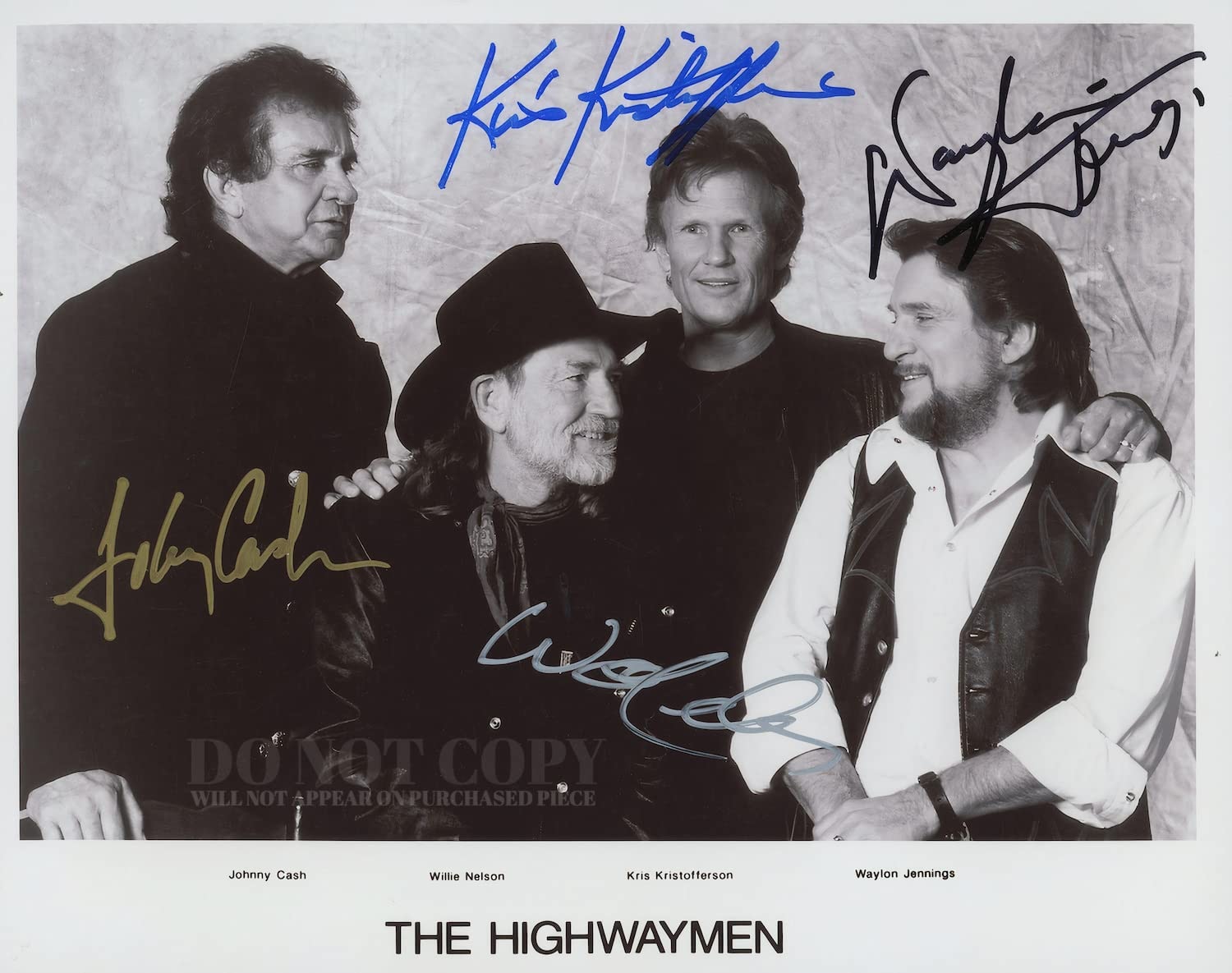
Johnny Cash
 United States
Member of The Highwaymen
Also known as: Man in Black, J. R. Cash
Data de nascimento
February 26, 1932
Signo
Pisces
Local de nascimento
Kingsland, Arkansas, USA
Idade
Faleceu aos 71
Altura
6 ft 2 in (188 cm)
Sobre
John R. Cash foi um cantor e compositor americano cuja voz grave de baixo-barítono e ritmos de guitarra que imitavam trens definiram uma carreira que atravessou gêneros. Ele é mais conhecido por suas canções emblemáticas "I Walk the Line", "Ring of Fire", "Folsom Prison Blues" e "A Boy Named Sue", bem como por seu guarda-roupa todo preto que lhe rendeu o apelido de "Homem de Preto". Cash vendeu mais de 90 milhões de discos em todo o mundo, tornando-se um dos artistas musicais mais vendidos de todos os tempos. Sua música cruzou country, rock and roll, rockabilly, blues, folk e gospel, uma versatilidade que o levou a ser raramente introduzido no Country Music Hall of Fame, no Rock and Roll Hall of Fame e no Gospel Music Hall of Fame. Em seus últimos anos, Cash experimentou um renascimento crítico com a série American Recordings produzida por Rick Rubin, e sua versão de "Hurt" do Nine Inch Nails se tornou uma declaração final comovente, vencendo um Grammy. Hoje, seu espólio continua a lançar álbuns póstumos e seu legado perdura através de museus, cinebiografias e uma base de fãs global dedicada.
Início da vida e origens
Cash nasceu J. R. Cash em 26 de fevereiro de 1932 em Kingsland, Arkansas, o quarto de sete filhos de Ray Cash e Carrie Cloveree Rivers Cash. A família lutava como plantadores de algodão durante a Grande Depressão; quando Cash tinha três anos, eles se mudaram para Dyess, Arkansas, como parte de um programa de reassentamento do New Deal, cultivando 20 acres de algodão. Seu nome de batismo era simplesmente "J. R.", ele não tinha primeiro nome até se alistar na Força Aérea. Uma tragédia marcante ocorreu em 1944 quando seu irmão mais velho Jack morreu em um acidente em uma serraria, uma perda que assombrou Cash por toda a vida. A música foi uma fuga precoce: ele cantava gospel com sua família e ouvia a Carter Family e Jimmie Rodgers no rádio. No ensino médio, Cash cantava na estação de rádio local KLCN em Blytheville, Arkansas. Depois de se formar na Dyess High School em 1950, ele trabalhou brevemente em uma fábrica de automóveis em Pontiac, Michigan, antes de se alistar na Força Aérea dos Estados Unidos em julho de 1950. Ele serviu como operador de interceptação de rádio decodificando sinais soviéticos em Landsberg, Alemanha Ocidental, onde comprou seu primeiro violão e formou uma banda chamada Landsberg Barbarians. Dispensado com honras como sargento em julho de 1954, Cash mudou-se para Memphis, Tennessee. Ele vendia eletrodomésticos de porta em porta e frequentava a Keegan's School of Broadcasting à noite. Em 1954, ele fez um teste para Sam Phillips na Sun Records, cantando músicas gospel. Phillips supostamente lhe disse: "Vá para casa e peque, depois volte com uma música que eu possa vender." Cash voltou com "Hey, Porter" e "Cry! Cry! Cry!", Phillips o contratou em 1955.
Crescimento na carreira
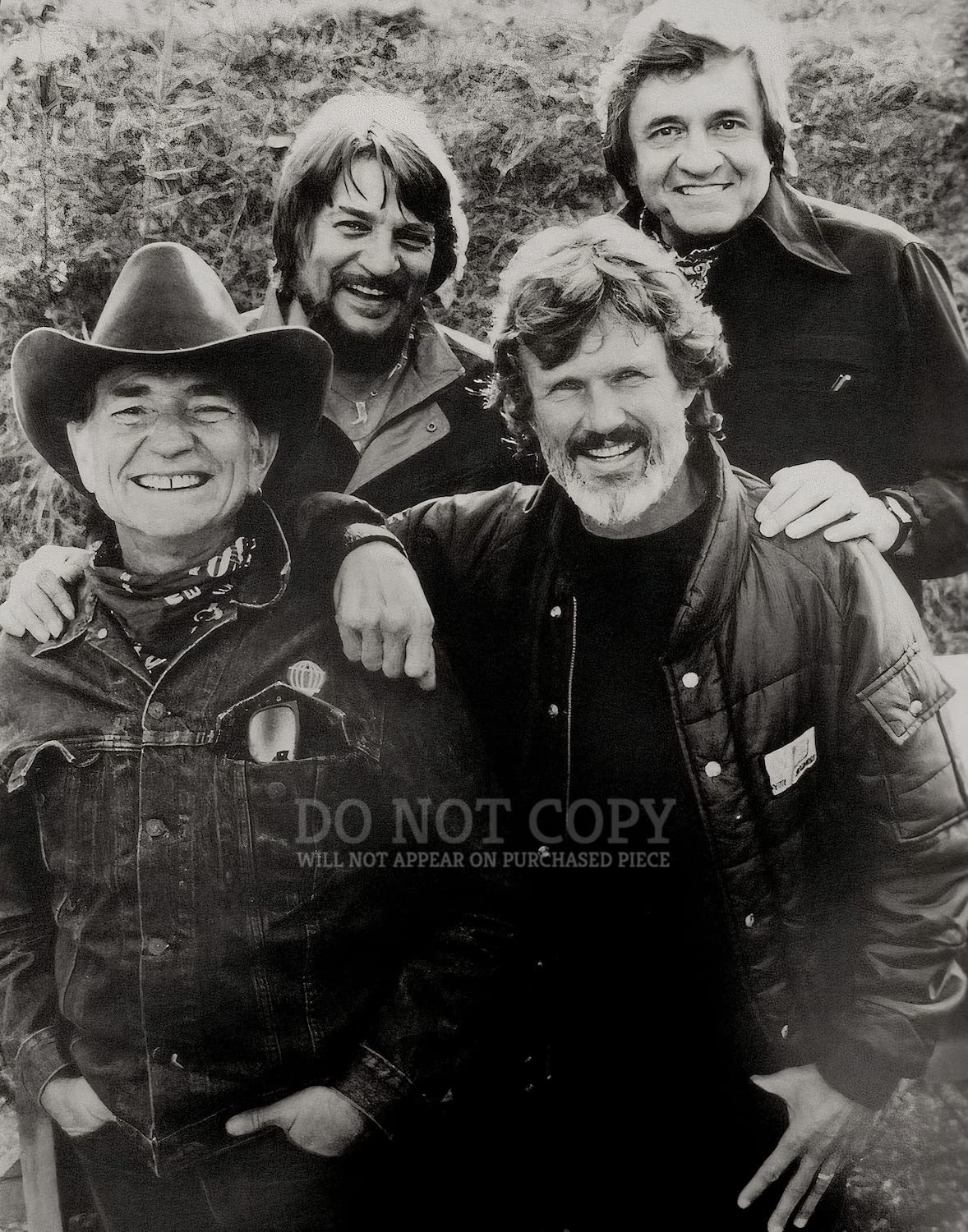
O avanço de Cash veio em 1955 quando seu primeiro single pela Sun, "Cry! Cry! Cry!", alcançou a 14ª posição nas paradas country da Billboard. O sucessor "Folsom Prison Blues" chegou ao 4º lugar em 1955, e em 1956 "I Walk the Line" se tornou seu primeiro sucesso nº 1 no country, vendendo mais de dois milhões de cópias. Ele deixou a Sun pela Columbia Records em 1958, assinando um contrato lucrativo. Em 1963, seu dueto com June Carter, "Jackson", ganhou um Grammy. A carreira de Cash foi revitalizada em 1968 com o álbum ao vivo At Folsom Prison, que rendeu disco de ouro. O sucessor At San Quentin (1969) produziu "A Boy Named Sue", que ganhou um Grammy e alcançou o 1º lugar nas paradas country. De 1969 a 1971, ele apresentou The Johnny Cash Show na ABC, com convidados como Bob Dylan e Louis Armstrong. Em 1985, Cash juntou-se a Waylon Jennings, Willie Nelson e Kris Kristofferson para formar o supergrupo country The Highwaymen, lançando três álbuns e fazendo turnês extensas. Seu renascimento no final da carreira começou com American Recordings (1994), produzido por Rick Rubin, que ganhou um Grammy. Sua versão de "Hurt" (2002) se tornou uma declaração final marcante, vencendo um Grammy de Melhor Videoclipe Curto. Cash morreu em 12 de setembro de 2003, quatro meses após sua esposa June Carter Cash.
Linha do tempo da carreira
Imagem pública e estilo
Cash cultivou uma persona pública de rebeldia solene, incorporada em seu guarda-roupa todo preto e no apelido "Homem de Preto". Ele tradicionalmente abria shows com "Olá, eu sou Johnny Cash" seguido de "Folsom Prison Blues". Sua imagem equilibrava uma veia dura e fora da lei com profunda humildade e convicção espiritual, uma dualidade que ressoou entre gerações. Os fãs apreciavam seus concertos em prisões e a defesa dos direitos dos prisioneiros. Em seus últimos anos, sua colaboração com Rick Rubin na série American Recordings o apresentou a um público mais jovem, consolidando seu status como um ícone atemporal. O espólio de Cash mantém seu legado através de contas de mídia social gerenciadas por seu filho, que continuam a atrair milhões de seguidores.
Fama e fandom (iFAMOUS Rankings)
Johnny Cash remains a figure of enduring global resonance, his cultural footprint measured by sustained attention across media coverage, search activity, and consumption signals worldwide. According to the August 2026 iFANN Global Fame Rankings, he holds specific standing as the 80th most famous person in United States, maintaining his position from the previous cycle. In the broader North American context, he is ranked the 82nd most famous person in North America, also holding steady. Within the music industry, his influence is particularly pronounced, placing him the 12th most famous person in Country as of this assessment. While the collective reach of his work is vast, no formal moniker exists for his supporters; fans generally identify simply as country music enthusiasts or followers of the Outlaw Country movement rather than adhering to a specific group name.
Fatos interessantes e lendas
Born J. R., he adopted the name John upon enlisting in the Air Force. He became the first country artist to sell over one million albums in a single year during 1969. Throughout his lifetime, he recorded more than 1,500 songs. His signature black wardrobe was initially selected because matching black clothes did not show dirt while traveling. He proposed to June Carter on stage in London, Ontario, in 1968. A licensed pilot, he once saved a man's life mid-flight by performing an emergency tracheotomy with a pocketknife. He championed Native American rights and recorded the concept album Bitter Tears: Ballads of the American Indian in 1964. A widely retold story from the mid-1980s suggests that his collaboration with The Highwaymen effectively revitalized his career during a period when the Outlaw Country movement coalesced into a dominant force. The quartet released the title track "Highwayman" in 1985, which became an anthem blending their distinct voices into a narrative about reincarnation and legacy. As of early 2025, Willie Nelson stands as the only surviving member of the original lineup following the deaths of Waylon Jennings, Johnny Cash, and Kris Kristofferson.
Frases notáveis
“Hello, I'm Johnny Cash.”
“I wear the black for the poor and beaten down.”
“I'm not a rebel. I'm just a man trying to do the right thing.”
“You build on failure. You use it as a stepping stone.”
“I'm not a country singer. I'm a singer, period.”
Família e vida pessoal
Cash foi o quarto de sete filhos de Ray Cash e Carrie Cloveree Rivers Cash. Seu irmão mais velho Jack morreu em um acidente em uma serraria em 1944. Cash casou-se com Vivian Liberto em 7 de agosto de 1954; tiveram quatro filhas: Rosanne (nascida em 1955), Kathleen (1956), Cindy (1959) e Tara (1961). O casamento terminou em divórcio em 1966. Ele casou-se com June Carter Cash em 1º de março de 1968; tiveram um filho, John Carter Cash (nascido em 1970). June morreu em 15 de maio de 2003. Cash morreu quatro meses depois. Eles estão enterrados lado a lado no Hendersonville Memory Gardens. Rosanne Cash tornou-se uma cantora country de sucesso por direito próprio.
Conexões notáveis
Cash era intimamente associado à sua esposa June Carter Cash, com quem gravou diversos duetos, incluindo a vencedora do Grammy "Jackson". Ele foi membro central do The Highwaymen ao lado de Waylon Jennings, Willie Nelson e Kris Kristofferson. Sua longa colaboração com o produtor Rick Rubin na série American Recordings revitalizou sua carreira. Cash também teve uma profunda amizade com o evangelista Billy Graham e gravou música gospel ao longo de sua vida.
Relacionamentos e história amorosa
Cash casou-se com Vivian Liberto em 7 de agosto de 1954, após conhecê-la em uma pista de patinação em San Antonio em 1951. Tiveram quatro filhas: Rosanne, Kathleen, Cindy e Tara. O casamento foi prejudicado pelo vício em drogas de Cash, infidelidade e agenda de turnês; Vivian pediu o divórcio em 1966 por crueldade extrema. Ela morreu em 2005. Cash conheceu June Carter em 1956 no circuito do Grand Ole Opry. Ela era membro da Carter Family e casada com Rip Nix na época (divorciada em 1966). Cash a perseguiu por anos, e ela o ajudou a superar o vício em drogas. Ela co-escreveu "Ring of Fire". Casaram-se em 1º de março de 1968, em Franklin, Kentucky, e tiveram um filho, John Carter Cash. June morreu em 15 de maio de 2003, devido a complicações de uma cirurgia cardíaca. Cash morreu quatro meses depois. Eles estão enterrados lado a lado. Em 2026, Cash está falecido e era viúvo na época de sua morte.
- Casado(a)Vivian Liberto1954 - 1966Conheceram-se em uma pista de patinação em 1951; tiveram quatro filhas; divorciaram-se devido ao vício e infidelidade de Cash.
- Casado(a)June Carter Cash1968 - 2003Conheceram-se em 1956; ela o ajudou a superar o vício; co-escreveu 'Ring of Fire'; tiveram um filho; ela faleceu antes dele.
Morte e repercussões
Morte
September 12, 2003 (aos 71 anos)
Local da morte
Nashville, Tennessee, USA
Causa da morte
Complications from Shwachman-Diamond syndrome
Johnny Cash died on September 12, 2003, at St. Thomas Hospital in Nashville, Tennessee, following a long struggle with Shwachman-Diamond syndrome that compromised his immune system and led to severe complications from diabetes and heart disease. His final public appearance occurred months earlier on September 6, 2003, during a benefit concert in Nashville, after which his health deteriorated significantly until he passed away peacefully in his sleep from sepsis resulting from a respiratory infection. The ruling was established through hospital statements confirmed by his family, treating the event as a natural occurrence free of legal dispute. Public reaction was immediate and profound, with peers, institutions, and officials issuing widespread tributes including moments of silence during major award shows and concerts.
Fans gathered spontaneously at the Johnny Cash Museum in Nashville and his home in Hendersonville, Tennessee, while sales of his music surged immediately, causing several albums to re-enter the Billboard charts. A notable tribute concert shortly after his death featured artists such as U2, Tom Petty, and Bob Dylan honoring his legacy, alongside memorial murals erected in Kingsland, Arkansas, and Hendersonville. Private funeral and memorial services were held in early October 2003, beginning with a service at the First United Methodist Church in Hendersonville on October 4, followed by a private burial at Fairview Memory Gardens in the same city. Performances included songs like "I'm So Lonesome I Could Cry" and "Ring of Fire," attended by his children and numerous fellow musicians.
Posthumously, the estate released albums featuring previously unreleased tracks such as American V: A Hundred Highways and American VI: Ain't No Grave, both produced by Rick Rubin, while films including Walk the Line and I Am... Johnny Cash chronicled his life. The estate was handled by his family with June Carter Cash serving as primary executor until her death later that year, after which their daughter Rosanne Cash and son John Carter Cash assumed control. Personal archives were permanently housed at Belmont University in Nashville to preserve handwritten lyrics and artifacts, ensuring the ongoing management of his legacy through the Johnny Cash Foundation and scholarships created in his name.
Patrimônio (valor do espólio)
$72 Million
Estimativa da equipe editorial do iFANN
Per iFANN's editorial analysis, the estate of Johnny Cash is valued at $72 Million as of 2026. This valuation reflects the ongoing revenue generated by his extensive music catalog of over 1,500 songs through streaming, licensing, and physical sales. Posthumous releases such as American V: A Hundred Highways (2006), American VI: Ain't No Grave (2010), and Songwriter (2024) have contributed significantly to this total. Licensing agreements for film, television, and commercials, including the prominent use of "Hurt" in various media, provide consistent income streams. The 2005 biopic Walk the Line grossed over $186 million worldwide, with the estate receiving associated licensing fees. Merchandise sales encompassing apparel and memorabilia further bolster the estate's financial position. Managed by his son John Carter Cash and the Cash family trust, the estate has earned an estimated $100 million or more since Cash's death in 2003, driven by renewed interest in his catalog and ongoing releases.
Prêmios conquistados (25)
Cash ganhou 13 prêmios Grammy, incluindo Melhor Performance Vocal Country Masculina por "A Boy Named Sue" e Melhor Videoclipe por "Hurt". Ele recebeu o Grammy Lifetime Achievement Award em 1999. Foi nomeado Entertainer do Ano pela CMA em 1969 e Entertainer do Ano pela ACM em 1970. Seu álbum At Folsom Prison ganhou o CMA Álbum do Ano em 1969, e American IV: The Man Comes Around ganhou postumamente em 2004.
2003 · Melhor Álbum Country
American IV: The Man Comes Around
2003 · Melhor Colaboração Country com Vocais
The One (with Willie Nelson)
2002 · Melhor Videoclipe de Curta Duração
Hurt
2002 · Melhor Performance Vocal Country Masculina
Give My Love to Rose
2000 · Melhor Álbum Country
American III: Solitary Man
1999 · Melhor Performance Vocal Country Masculina
Solitary Man
1998 · Melhor Colaboração Country com Vocais
I Still Miss Someone (with Marty Stuart)
1995 · Melhor Álbum Folk Contemporâneo
American Recordings
1988 · Melhor Gravação de Palavra Falada ou Não Musical
Interviews from the Class of '55 Recording Sessions
1971 · Melhor Performance Country por Dupla ou Grupo
If I Were a Carpenter (with June Carter Cash)
1970 · Melhor Performance Vocal Country Masculina
A Boy Named Sue
1970 · Melhores Notas de Álbum
At San Quentin
1968 · Melhor Performance Country & Western, Dueto, Trio ou Grupo
Jackson (with June Carter Cash)
1999 · Conquista de Vida
Conhecido por
I Walk the Line
1956 · Cantor-compositor
Ring of Fire
1963 · Cantor
Folsom Prison Blues
1955 · Cantor-compositor
A Boy Named Sue
1969 · Cantor
At Folsom Prison (album)
1968 · Artista
American Recordings (album)
1994 · Artista
Hurt (cover)
2002 · Cantor
The Johnny Cash Show
1969 · Apresentadora
The Highwaymen
1985 · Membro
Walk the Line (biopic)
2005 · Retratado
Palavras-chave
Dados rápidos
- Profissão
- cantor e compositor, ator
- Nascimento
- February 26, 1932
- Local de nascimento
- Kingsland, Arkansas, USA
- Morte
- September 12, 2003
- Local da morte
- Nashville, Tennessee, USA
- Gênero
- Masculino
- Cônjuge
- Vivian Liberto, June Carter Cash
- Signo
- Pisces
- Altura
- 6 ft 2 in (188 cm)
- Net Worth
- $72 Million
Dados pessoais
- Nome completo
- J. R. Cash
- Altura
- 6 ft 2 in (188 cm)
- Cônjuge
- Vivian Liberto, June Carter Cash
- Filhos
- Rosanne Cash, Kathleen Cash, Cindy Cash, Tara Cash, John Carter Cash
- Formação
- Dyess High School; Keegan's School of Broadcasting
Filmografia
50
Total
10
Cinema
40
TV
Perguntas frequentes
Quantos anos Johnny Cash tinha quando morreu?
Qual é o patrimônio de Johnny Cash em 2026?
Johnny Cash ainda está fazendo música em 2026?
Pelo que Johnny Cash é mais conhecido?
Johnny Cash fez parte do The Highwaymen?
Redes sociais
Pessoas semelhantes
Junte-se à comunidade
fãs comentando