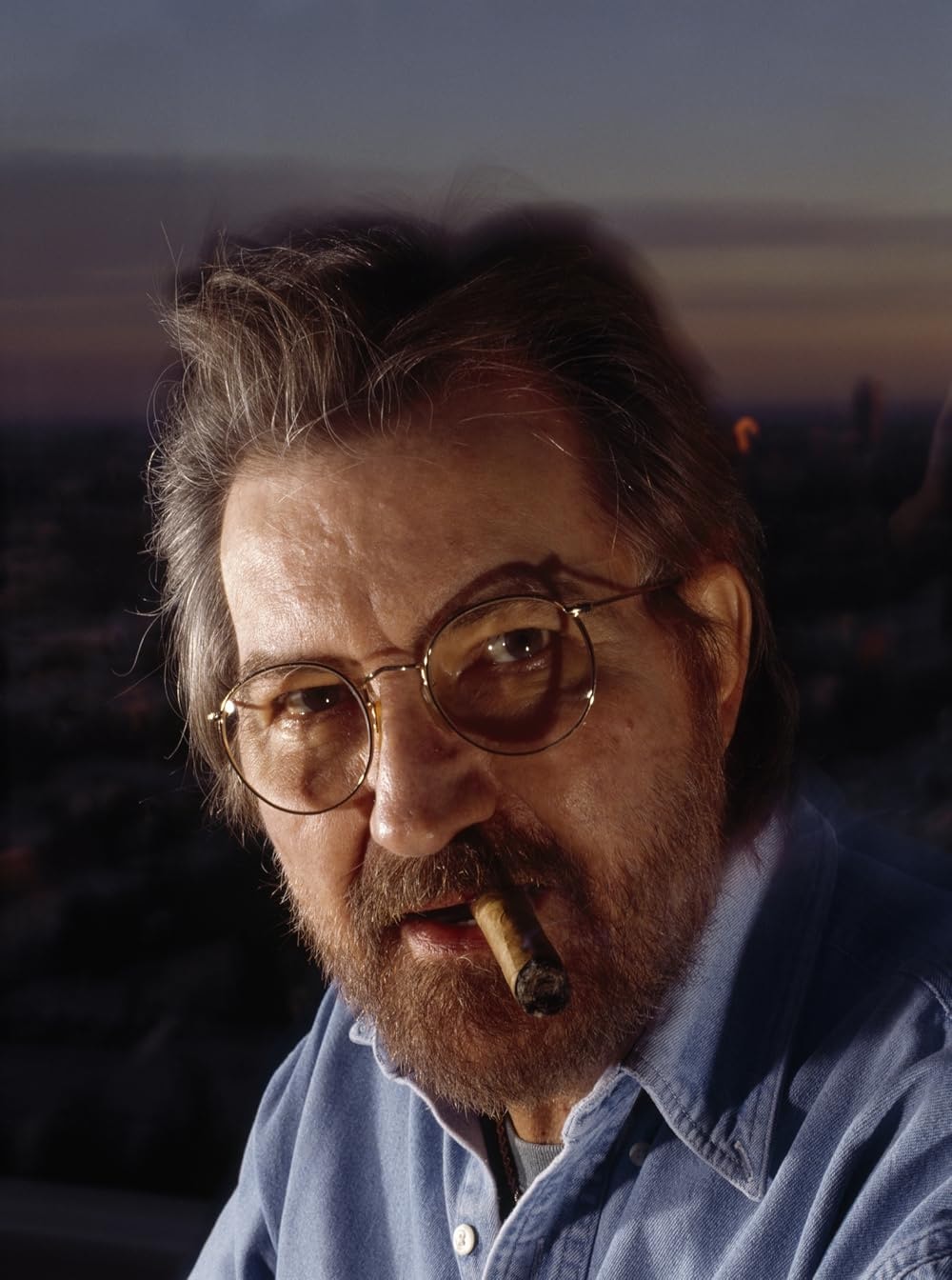
Tobe Hooper
 United States
film director•screenwriter•film producer
Data de nascimento
1943-01-25
Signo
Aquarius
Local de nascimento
Austin, Texas, USA
Idade
Faleceu aos 74
Altura
5 ft 11 in (1.80 m)
Sobre
Tobe Hooper foi um diretor de cinema, roteirista e produtor americano que reformulou o cinema de terror com uma única obra-prima de baixo orçamento. Seu filme de 1974 O Massacre da Serra Elétrica continua sendo um marco do gênero, sua intensidade crua e atmosfera perturbadora garantindo-lhe um lugar no National Film Registry. Ao longo de quatro décadas, Hooper dirigiu mais de 30 filmes e projetos de televisão, desde a adaptação de Stephen King Salem's Lot até o sucesso sobrenatural Poltergeist. O British Film Institute o reconheceu como um dos diretores de terror mais influentes de todos os tempos. Seu trabalho continua a ser estudado e celebrado por fãs e acadêmicos.
Início da vida e origens
Hooper cresceu em Austin, Texas, onde desenvolveu um fascínio precoce pelo cinema. Ele frequentou a Universidade do Texas em Austin, estudando cinema e fazendo documentários curtos. Seu primeiro longa-metragem foi o independente Eggshells (1969), um filme experimental de baixo orçamento co-escrito com Kim Henkel. O projeto apresentou Hooper ao circuito grindhouse e ensinou-lhe como esticar um dólar. Ele e Henkel então colaboraram em um roteiro inspirado pelos crimes reais de Ed Gein, aproveitando o estilo cru e documental que Hooper havia aprimorado. Com um orçamento inferior a US$ 140.000, eles filmaram O Massacre da Serra Elétrica no sufocante verão texano de 1973, usando um elenco de atores em grande parte desconhecidos e efeitos práticos que deram ao filme sua vantagem visceral.
Crescimento na carreira
O lançamento de O Massacre da Serra Elétrica em 1974 mudou tudo. Faturou mais de US$ 30 milhões domesticamente e se tornou um fenômeno cultural, sendo banido em vários países por sua intensidade. Hooper seguiu com Eaten Alive (1976), depois a aclamada minissérie de TV Salem's Lot (1979), uma adaptação do romance de Stephen King. Sua entrada no cinema de estúdio veio com The Funhouse (1981) e o enorme sucesso Poltergeist (1982), produzido por Steven Spielberg. Em meados dos anos 80, ele dirigiu o terror sci-fi Lifeforce (1985) e Invaders from Mars (1986), seguido pela sequência sombriamente cômica O Massacre da Serra Elétrica 2 (1986). Trabalhos posteriores incluíram Spontaneous Combustion (1990), a antologia Body Bags (1993) e The Mangler (1995), outra adaptação de King. Hooper continuou dirigindo nos anos 2000, incluindo o telefilme Toolbox Murders (2004).
Linha do tempo da carreira
Imagem pública e estilo
Hooper era considerado um mestre do suspense e do terror visceral, frequentemente descrito como um cineasta que entendia os medos primordiais. Sua persona pública era a de um homem quieto e modesto que deixava seu trabalho falar por si. Fãs e críticos celebram sua capacidade de criar atmosferas aterrorizantes com recursos mínimos. A comunidade do terror o tem em alta estima, e seus filmes são regularmente apresentados em retrospectivas e estudos acadêmicos. Ele nunca cultivou uma forte presença nas redes sociais; seu legado é carregado por seus filmes e pelas gerações de cineastas que eles inspiraram.
Fama e fandom
The community surrounding Tobe Hooper lacks a formal moniker, though supporters are often identified as horror enthusiasts, devotees of the Texas Chain Saw Massacre cult, or participants in the organized rituals of Texas Chainsaw Day. This fanbase has evolved into a highly coordinated force dedicated to preserving Hooper's legacy through physical media restorations and annual screenings. Their influence was evident in the 2026 release of a 4K UHD restoration of Salem's Lot and the announcement of a hand-animated rotoscope version of The Texas Chain Saw Massacre, projects driven by decades of advocacy for high-quality home video releases. While no specific fandom name exists, the community maintains a vibrant calendar of events, including theater screenings and charity drives that frame proceeds around themes of survival found in his films. These gatherings have grown from local meetups into global cultural moments, featuring special guest appearances and merchandise drops that demonstrate deep coordination among distributors and fans. Despite Hooper never cultivating a strong social media presence during his life, the reverence for his work remains intense, with fans engaging in debates over the authorship of Poltergeist and celebrating his quiet demeanor against the backdrop of his visceral output. As of August 2026, the iFANN Global Fame Engine has evaluated this person, but they do not currently hold a placement in the published rankings (Global Top 1,000 or a Top-100 scope list).
Fatos interessantes e lendas
Tobe Hooper was a fan of early television westerns, which influenced his visual style. The Texas Chain Saw Massacre was shot in 100-degree heat with no air conditioning, and the cast and crew often worked 16-hour days. The film's iconic final shot of Leatherface swinging his chainsaw in the sunlight was improvised on the spot. Hooper had a cameo in Poltergeist as a television news reporter. He was known for his quiet, soft-spoken demeanor, which contrasted sharply with the intensity of his films. He also directed the music video for the heavy metal band GWAR's song "Sick of You" in 1992. A verified legend of his career involves the production of The Texas Chain Saw Massacre, where the lead actress suffered heat exhaustion on set due to extreme temperatures, and real human bones sourced from a medical supply company were used in the opening scene. Another enduring story is the authorship dispute regarding Poltergeist, where folklore suggests Steven Spielberg directed the bulk of the film despite Hooper receiving credit, a narrative frequently cited to highlight the tensions between indie directors and Hollywood moguls. Additionally, rumors persist about an unmade Spider-Man project in the mid-1980s where Cannon Films hired Hooper to helm a grotesque body-horror adaptation that never materialized, cementing its status as a legendary "what if" in horror history.
Frases notáveis
“I've always been interested in the primal fears. Things that scare us on a very basic level.”
“The audience is the one that makes the movie. It's not the director, it's not the actors, it's the audience that brings the film to life.”
“I wanted to make a film that felt like a nightmare you couldn't wake up from.”
“Horror is a way of dealing with the things that frighten us, in a safe environment.”
Família e vida pessoal
Hooper foi casado com a atriz Melinda Sweda, embora o casamento tenha terminado em divórcio. Eles tiveram um filho, William Hooper. Detalhes sobre seus pais e irmãos não são amplamente documentados; Hooper manteve sua vida pessoal em grande parte privada. Ele morou em Los Angeles por muitos anos e teve uma estreita relação de trabalho com o roteirista Kim Henkel, a quem considerava um parceiro criativo.
Conexões notáveis
Hooper colaborou frequentemente com o roteirista Kim Henkel, que co-escreveu Eggshells e O Massacre da Serra Elétrica. Trabalhou com Steven Spielberg, que produziu Poltergeist. Também adaptou obras de Stephen King, incluindo Salem's Lot e The Mangler.
Relacionamentos e história amorosa
Tobe Hooper foi casado com a atriz Melinda Sweda, embora os detalhes de seu casamento e divórcio não sejam amplamente divulgados. Eles tiveram um filho, William Hooper. Após o divórcio, Hooper não se casou novamente e manteve sua vida romântica privada. Na época de sua morte em 2017, não se sabia publicamente que ele estava em um relacionamento.
- Casado(a)Melinda SwedaCasou-se e depois se divorciou. Eles tiveram um filho, William Hooper.
Morte e repercussões
Morte
2017-08-26 (aos 74 anos)
Local da morte
Sherman Oaks, California
Causa da morte
Desconhecido
Tobe Hooper died on Saturday, August 26, 2017, at his home in Sherman Oaks, California. He was seventy-four years old when he passed away peacefully in his sleep. The film industry and horror community responded swiftly with tributes from peers such as Stephen King and institutions including the British Film Institute, which reaffirmed Hooper's status as a pivotal figure in genre cinema. Immediate interest in his work surged across streaming platforms and physical media retailers, particularly for The Texas Chain Saw Massacre and Poltergeist, while later anniversaries evolved into informal observances known as Texas Chainsaw Day featuring screenings and retrospectives.
In the years following his death, his estate has managed the restoration and licensing of his extensive filmography to ensure continued accessibility for new audiences. Notable projects include high-definition releases and exclusive theatrical presentations of his major works, such as a 4K UHD restoration of Salem's Lot released by Arrow Video in April 2026. Retrospective media analysis continues to discuss disputes over the directorship of Poltergeist between Hooper and Steven Spielberg, though these matters remain unrelated to the circumstances of his passing. The administration of his assets remains discreet, and no public records detail funeral services, burial locations, or specific medical causes beyond the report of his peaceful passing at home.
Patrimônio (valor do espólio)
$4 Million
Estimativa da equipe editorial do iFANN
At the time of his death in 2017, Tobe Hooper's estate was valued at approximately $4 million according to iFANN's editorial analysis. The bulk of his wealth came from directing fees, screenwriting credits, and residual income from his extensive filmography. The Texas Chain Saw Massacre alone has generated ongoing revenue through home video releases, streaming licensing, and merchandise. Other key earners include Poltergeist and Salem's Lot. His estate continues to manage the rights to his films, with occasional re-releases and special editions adding to the value. As of 2026, the estate's net worth remains stable, supported by the enduring popularity of his classic horror films.
Prêmios conquistados (8)
Tobe Hooper ganhou vários prêmios por seu trabalho, principalmente por O Massacre da Serra Elétrica. No Festival de Cinema de Sitges de 1975, levou o prêmio de Melhor Diretor e o filme ganhou o prêmio de Melhor Filme. Mais tarde, recebeu um Prêmio Carreira no Fantafestival em 1997 e um Prêmio Honorário no Festival Internacional de Cinema da Catalunha no mesmo ano, reconhecendo seu impacto duradouro no cinema de terror.
1975 · Melhor Diretor
The Texas Chain Saw Massacre
1975 · Melhor Filme
The Texas Chain Saw Massacre
Conhecido por
The Texas Chain Saw Massacre
1974 · Director, Co-writer
Poltergeist
1982 · Diretor
Salem's Lot
1979 · Diretor
The Texas Chainsaw Massacre 2
1986 · Diretor
Lifeforce
1985 · Diretor
Palavras-chave
Dados rápidos
- Profissão
- film director, screenwriter, film producer
- Nascimento
- 1943-01-25
- Local de nascimento
- Austin, Texas, USA
- Morte
- 2017-08-26
- Local da morte
- Sherman Oaks, California, USA
- Gênero
- Masculino
- Signo
- Aquarius
Dados pessoais
- Nome completo
- Willard Tobe Hooper
- Altura
- 5 ft 11 in (1.80 m)
- Cônjuge
- Melinda Sweda (divorced)
- Filhos
- 1 son: William Hooper
- Formação
- University of Texas at Austin
Filmografia
30
Total
20
Cinema
10
TV
Perguntas frequentes
Quem dirigiu O Massacre da Serra Elétrica?
Qual é o patrimônio de Tobe Hooper em 2026?
Quais outros filmes famosos Tobe Hooper dirigiu?
Quando Tobe Hooper morreu?
Tobe Hooper era casado?
Pessoas semelhantes

Junte-se à comunidade
fãs comentando