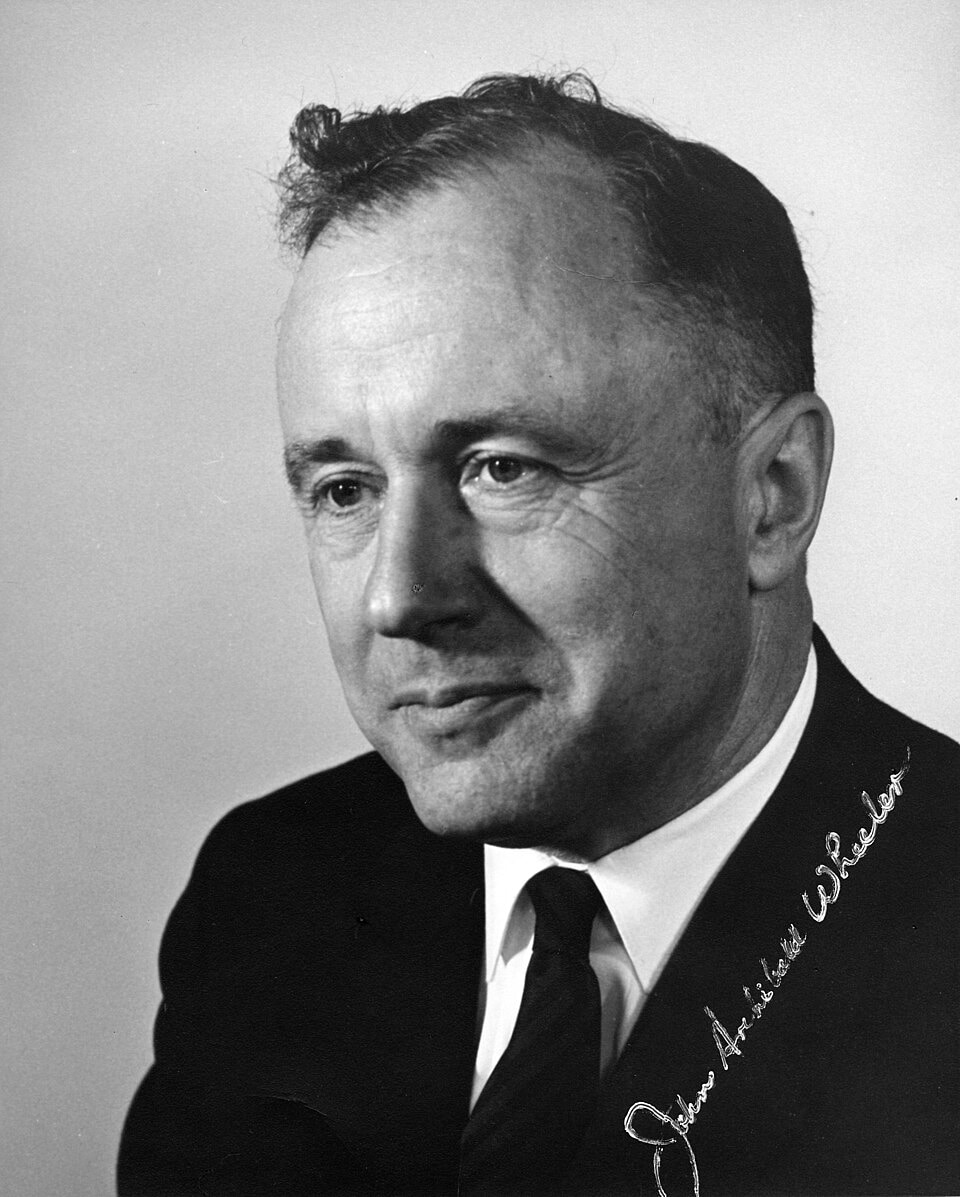
John Archibald Wheeler
physicist•nuclear physicist•theoretical physicist
Data de nascimento
July 9, 1911
Signo
Cancer
Local de nascimento
Jacksonville, Florida
Idade
Faleceu aos 96
Sobre
John Archibald Wheeler foi um físico teórico americano considerado um dos cientistas mais imaginativos e influentes do século XX, além de um professor lendário e um talentoso criador de frases memoráveis. Ele desempenhou um papel central no renascimento do estudo da relatividade geral nos Estados Unidos após a Segunda Guerra Mundial, ajudando a transformar a teoria de Einstein de uma curiosidade matemática de volta a um campo vibrante de pesquisa. Seu trabalho uniu as eras da teoria quântica inicial e da cosmologia moderna.
Wheeler fez contribuições fundamentais em toda a física, colaborando com Niels Bohr na teoria da fissão nuclear, contribuindo para o Projeto Manhattan e explorando as questões mais profundas sobre gravidade, informação e a natureza da realidade. Ele tinha um talento notável para nomear conceitos que capturavam a imaginação do público, popularizando o termo buraco negro e cunhando frases como wormhole, espuma quântica e o provocativo it from bit, que moldou sua especulação tardia de que a informação está na base da existência física.
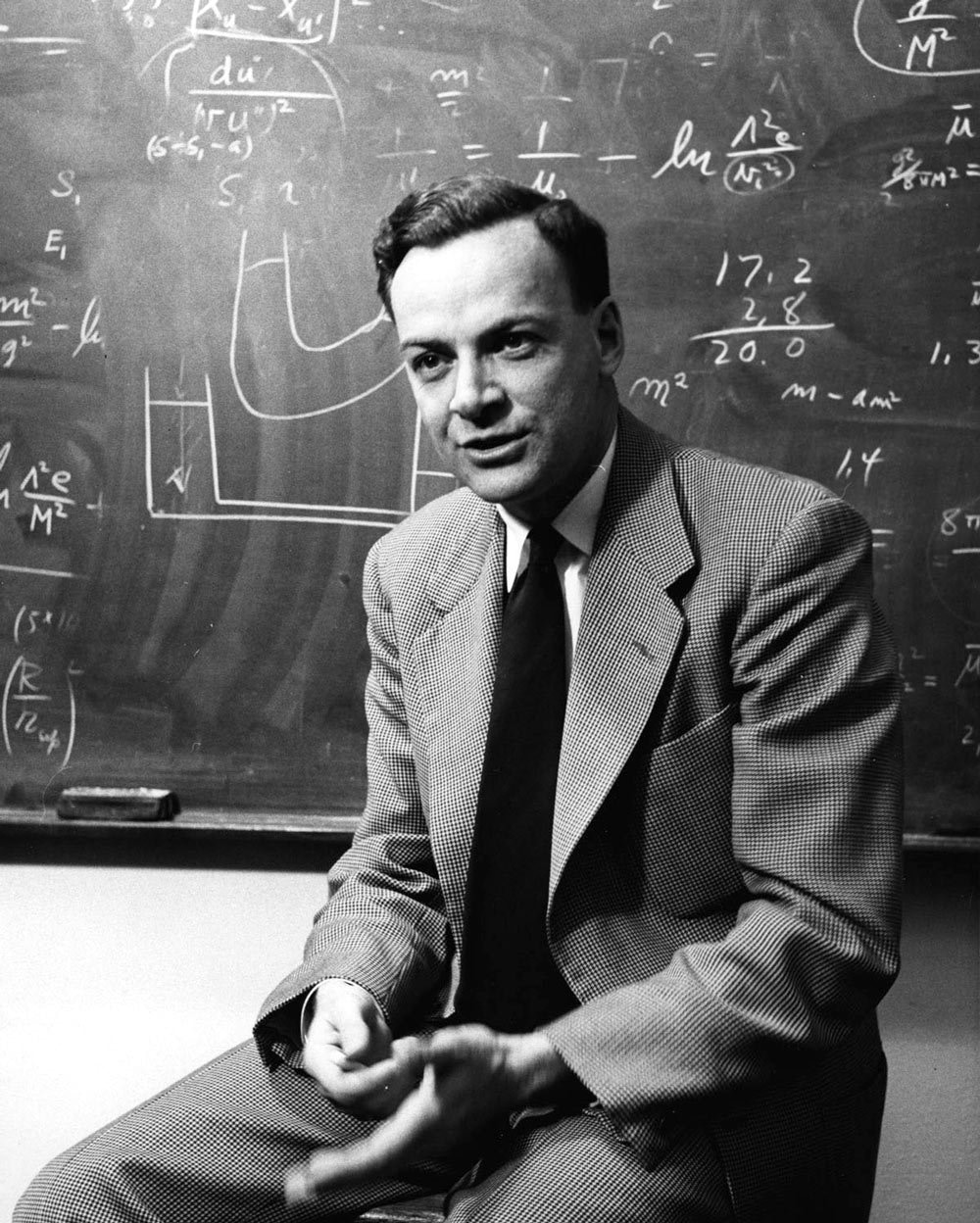
Como mentor, ele foi igualmente consequente, supervisionando alunos que se tornaram gigantes da física por direito próprio, incluindo Richard Feynman. Curioso e filosófico até o fim, ele incentivava colegas a confrontar as implicações mais estranhas de suas teorias. John Archibald Wheeler é lembrado como um físico visionário e uma das grandes mentes científicas e professores de sua época.
Início da vida e origens
Nascido em Jacksonville, Flórida, filho de Joseph Lewis Wheeler e Mabel Archibald Wheeler, ambos bibliotecários, John Archibald Wheeler cresceu em várias cidades, incluindo Glendale, Califórnia; Youngstown, Ohio; Benson, Vermont; e Baltimore, Maryland. Sua família tinha raízes americanas profundas, com muitas gerações de Archibalds do lado materno e Wheelers do lado paterno. Uma professora em Vermont o adiantou três séries em um ano em uma escola de sala única. Ele frequentou o Baltimore City College no ensino médio, graduando-se em 1926.
Aos 16 anos, ele se matriculou na Universidade Johns Hopkins com uma bolsa de estudos, inicialmente como estudante de engenharia, mas mudou para a física após ser cativado por periódicos de física na biblioteca combinada de engenharia e física. Ele obteve seu PhD em física em 1933, aos 21 anos, com uma dissertação sobre a dispersão e absorção do hélio sob a supervisão de Karl Herzfeld. Seu primeiro artigo científico foi publicado em 1930. Após seu PhD, ele conseguiu bolsas que lhe permitiram estudar com Niels Bohr em Copenhague.
Crescimento na carreira
Wheeler começou sua carreira acadêmica como professor associado na Universidade da Carolina do Norte em Chapel Hill em 1935. Em 1938, mudou-se para a Universidade de Princeton como professor assistente, permanecendo lá por quase quatro décadas. No ano seguinte, colaborou com Niels Bohr na teoria da fissão nuclear, produzindo a primeira descrição de como a fissão funciona. Ele esteve presente no cais em Nova York quando Bohr chegou de Copenhague para anunciar que a Alemanha havia dividido o átomo.
De 1941 a 1945, trabalhou no Projeto Manhattan, projetando e operando reatores produtores de plutônio em Hanford, Washington. Após a guerra, retornou a Princeton e, em 1947, fundou o Laboratório de Raios Cósmicos da universidade, servindo como seu primeiro diretor. Em 1950, ajudou a projetar a primeira bomba de hidrogênio. Durante os anos 1950, ele e seus alunos publicaram trabalhos que reavivaram o interesse pela relatividade geral. Em uma conferência da NASA em 1967, ele popularizou o termo buraco negro. Aposentou-se de Princeton em 1976, após 38 anos, e serviu como diretor do Centro de Física Teórica da Universidade do Texas até 1986. Em 1989, publicou Information, Physics, Quantum: The Search for Links, articulando o conceito it from bit.
Linha do tempo da carreira
Imagem pública e estilo
Wheeler era conhecido na comunidade da física como um mentor caloroso e encorajador, com uma curiosidade quase ilimitada. Colegas o descreviam como alguém que fazia as perguntas mais profundas sem pretensão. Sua imagem pública era a de um visionário que conseguia comunicar ideias complexas com frases memoráveis. Ele não era uma celebridade da mídia como alguns físicos posteriores, mas nos círculos científicos era reverenciado como um professor que inspirou gerações. Seu legado inclui os muitos alunos que supervisionou, incluindo Richard Feynman e Kip Thorne, que se tornaram líderes por direito próprio. Ele era conhecido por sua atitude otimista e de iniciativa, mesmo ao confrontar os aspectos mais intrigantes da gravidade quântica.
Fama e fandom
John Archibald Wheeler commanded a global sphere of influence that transcended the typical boundaries of academic renown, shaping the very language of modern cosmology while inspiring generations of scientists. His intellectual footprint remains vast, though his status in contemporary pop culture metrics reflects the specific nature of his career as a theoretical physicist rather than an entertainer. As of August 2026, iFANN's Global Fame Engine has evaluated this person, but they do not currently hold a placement in the published rankings (Global Top 1,000 or a Top-100 scope list). Consequently, there is no formal fandom name documented for his legacy; the devoted following he cultivated consists entirely of physicists, astrophysicists, and students who revere his contributions without organizing under a specific fan brand. While celebrity circles might rally around subway ads or birthday campaigns, Wheeler's admirers maintain their tribute through the enduring study of his theories and the continued citation of his work in academic literature. His influence is characterized by deep intellectual reverence rather than organized fan projects or grassroots marketing efforts. The community that cherishes his memory engages with his ideas about black holes and the participatory universe, treating his aphorisms as foundational wisdom rather than viral content. This unique form of fandom operates through the rigorous pursuit of knowledge he championed, ensuring his name remains synonymous with the deepest questions of existence.
Fatos interessantes e lendas
Wheeler was known for his playful yet profound way of thinking. He once said, Time is what keeps everything from happening at once. He also remarked, We all know that the real reason universities have students is in order to educate the professors. He had a habit of asking his students radical questions, such as Why does the universe exist? and How come existence? He was an avid hiker and enjoyed long walks in the Vermont countryside where his family had a summer home. Late in life, he became fascinated with the idea that the universe might be a self-excited circuit, a concept he called the participatory universe. A story fans still retell involves how he coined the term "black hole" during a lecture in December 1967, transforming a technical curiosity into a household phrase that now defines one of the universe's most mysterious objects. Another legend centers on his "It from Bit" concept, which proposed that every particle and field derives its function from binary choices, suggesting the universe is fundamentally informational. These ideas became staple folklore in physics departments, passed down to new graduate students as essential wisdom from the master. His role in solving critical reactor problems at Hanford during the Manhattan Project also cemented his reputation as a visionary capable of bridging abstract theory with practical engineering.
Frases notáveis
“Time is what keeps everything from happening at once.”
“We all know that the real reason universities have students is in order to educate the professors.”
“It from bit symbolizes the idea that every item of the physical world has at bottom a bit of information.”
“Behind it all is surely an idea so simple, so beautiful, that when we grasp it we will all say to each other, how could it have been otherwise?”
“We live on an island surrounded by a sea of ignorance. As our island of knowledge grows, so does the shore of our ignorance.”
Família e vida pessoal
Wheeler casou-se com Janette Hegner, professora e assistente social, em 10 de junho de 1935, cinco dias após seu retorno da Europa. Eles ficaram noivos no terceiro encontro, mas concordaram em adiar o casamento até que ele retornasse da Europa. O casal teve três filhos. O casamento durou 72 anos até sua morte em 2008. Hegner o precedeu na morte, tendo falecido antes. A família morou em Princeton, Nova Jersey, durante a maior parte da carreira de Wheeler, e depois em Hightstown, Nova Jersey.
Conexões notáveis
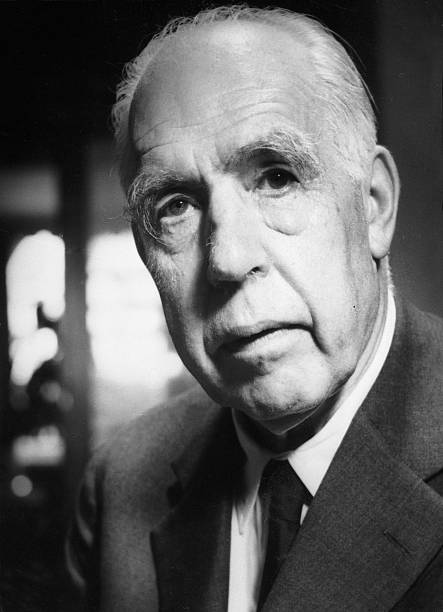
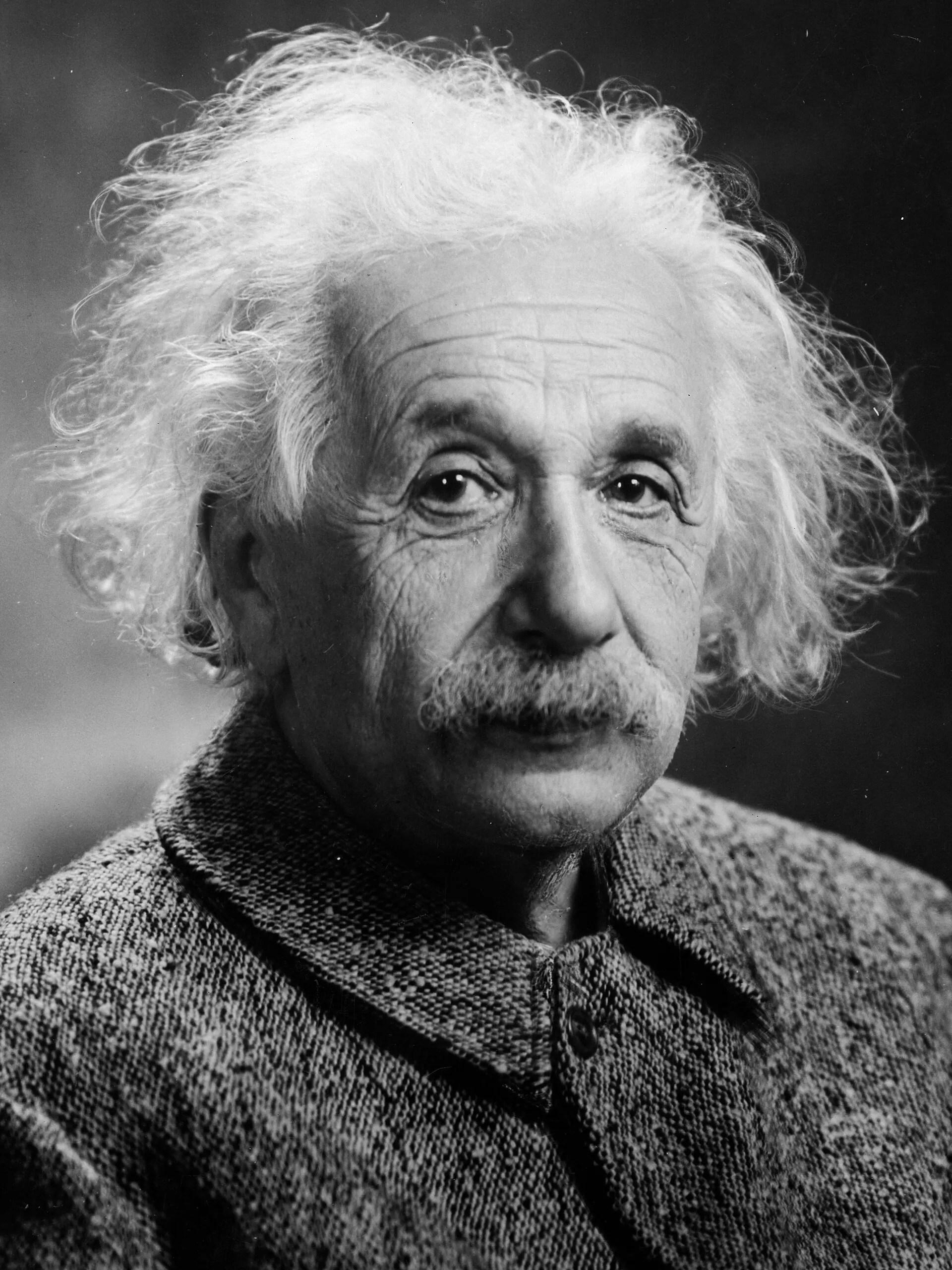
Wheeler colaborou intimamente com Niels Bohr na teoria da fissão nuclear e com Albert Einstein na teoria de campo unificado. Ele foi o orientador de doutorado de Richard Feynman e mais tarde mentorou Kip Thorne. Seu próprio orientador de doutorado foi Karl Herzfeld. Ele trabalhou com Gregory Breit no processo Breit-Wheeler e com Jayme Tiomno em pesquisas sobre múons.
Relacionamentos e história amorosa
Wheeler casou-se com Janette Hegner em 10 de junho de 1935, cinco dias após seu retorno da Europa. Eles ficaram noivos no terceiro encontro, mas concordaram em adiar o casamento até que ele voltasse de seus estudos no exterior. Janette era professora e assistente social. O casal teve três filhos juntos. O casamento durou 72 anos até a morte de Wheeler em 2008. Janette faleceu antes dele. Nenhum outro relacionamento romântico é documentado em fontes confiáveis.
- Casado(a)Janette Hegner1935 - 2008Casou-se em 10 de junho de 1935; três filhos; casamento durou até sua morte.
Morte e repercussões
Morte
April 13, 2008 (aos 96 anos)
Local da morte
Hightstown, New Jersey
Causa da morte
Desconhecido
John Archibald Wheeler died on April 13, 2008, in Hightstown, New Jersey, at the age of 96. The official records from Princeton University and the New York Times confirmed his passing, treating the event as a natural conclusion to a long life that remained intellectually active until the end. Tributes poured in immediately from the scientific community, with peers and institutions characterizing him as a legend, a father figure of modern general relativity, and a magician of physics who had revitalized Einstein's theory. The New York Times published a prominent obituary celebrating his contributions to coining the term black hole and his pivotal role in the Manhattan Project, while formal statements honoring his legacy were issued by Princeton University and the Institute for Advanced Study.
Details regarding the specific logistics of his funeral or memorial service remain unreported in available sources, though it is understood that memorials occurred within the academic sphere given his stature. Posthumously, his intellectual estate has been actively preserved through continued analysis of his concept It from Bit in quantum gravity and information theory, with recent articles revisiting his hypotheses decades later. The American Physical Society continues to award the John A. Wheeler Prize, and the Department of Physics at Princeton maintains a historical record of his tenure.
Patrimônio (valor do espólio)
$2 Million
Estimativa da equipe editorial do iFANN
John Archibald Wheeler's net worth at the time of his death in 2008 was modest by modern standards, estimated at around $2 Million per iFANN's editorial analysis. As a theoretical physicist and professor, his income came primarily from his academic salary at Princeton University and later the University of Texas, along with royalties from his books and occasional consulting fees. He did not hold patents or commercial ventures. His estate has earned small amounts from posthumous book sales and biographical works, but no major revenue streams exist. The estate is managed by his surviving family.
Prêmios conquistados (6)
Wheeler recebeu inúmeras honrarias por suas contribuições à física. Recebeu o Prêmio Enrico Fermi em 1968 do presidente Lyndon B. Johnson, o Prêmio Albert Einstein em 1965, a Medalha Nacional de Ciências em 1970, a Medalha Oersted em 1983, o Prêmio Memorial J. Robert Oppenheimer em 1984 e o Prêmio Wolf de Física em 1997.
1997 · Física
General relativity and black hole physics
1984 · Física
Theoretical physics
Conhecido por
Black hole
1967 · Popularized the term
Nuclear fission theory
1939 · Co-developer with Niels Bohr
It from bit
1989 · Coined the phrase
Wormhole
1957 · Coined the term
Quantum foam
1955 · Coined the term
Palavras-chave
Fontes
Dados rápidos
- Profissão
- physicist, nuclear physicist, theoretical physicist
- Nascimento
- July 9, 1911
- Local de nascimento
- Jacksonville, Florida
- Morte
- April 13, 2008
- Local da morte
- Hightstown, New Jersey
- Gênero
- Masculino
- Signo
- Cancer
Dados pessoais
- Nome completo
- John Archibald Wheeler
- Cônjuge
- Janette Hegner
- Filhos
- Three
- Formação
- Johns Hopkins University (PhD, 1933)
Perguntas frequentes
Pelo que John Archibald Wheeler é famoso?
John Archibald Wheeler trabalhou na bomba atômica?
O que John Archibald Wheeler descobriu?
Quantos anos John Archibald Wheeler tinha quando morreu?
Quem John Archibald Wheeler mentorou?
Pessoas semelhantes
Junte-se à comunidade
fãs comentando