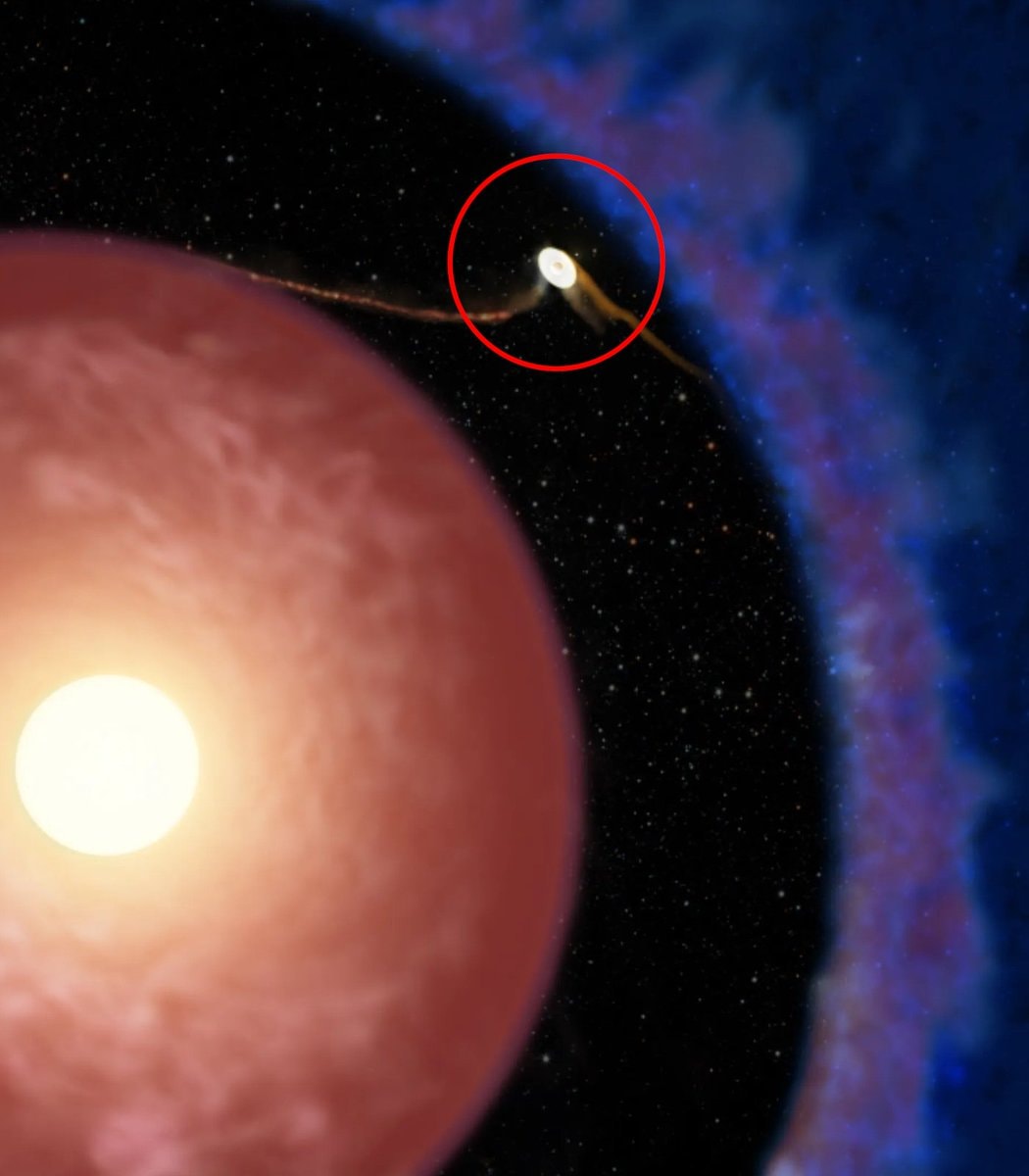
There's a galaxy collision happening 60 million light-years from here and we can actually see it #Science
151 publicações
There's a galaxy collision happening 60 million light-years from here and we can actually see it #Science

The Chinese University of Hong Kong introduced a soft robot in 2022 that uses magnetic slime to grab swallowed objects without surgery. An external magnet controls the device, making the slime stretch, squish, or form…
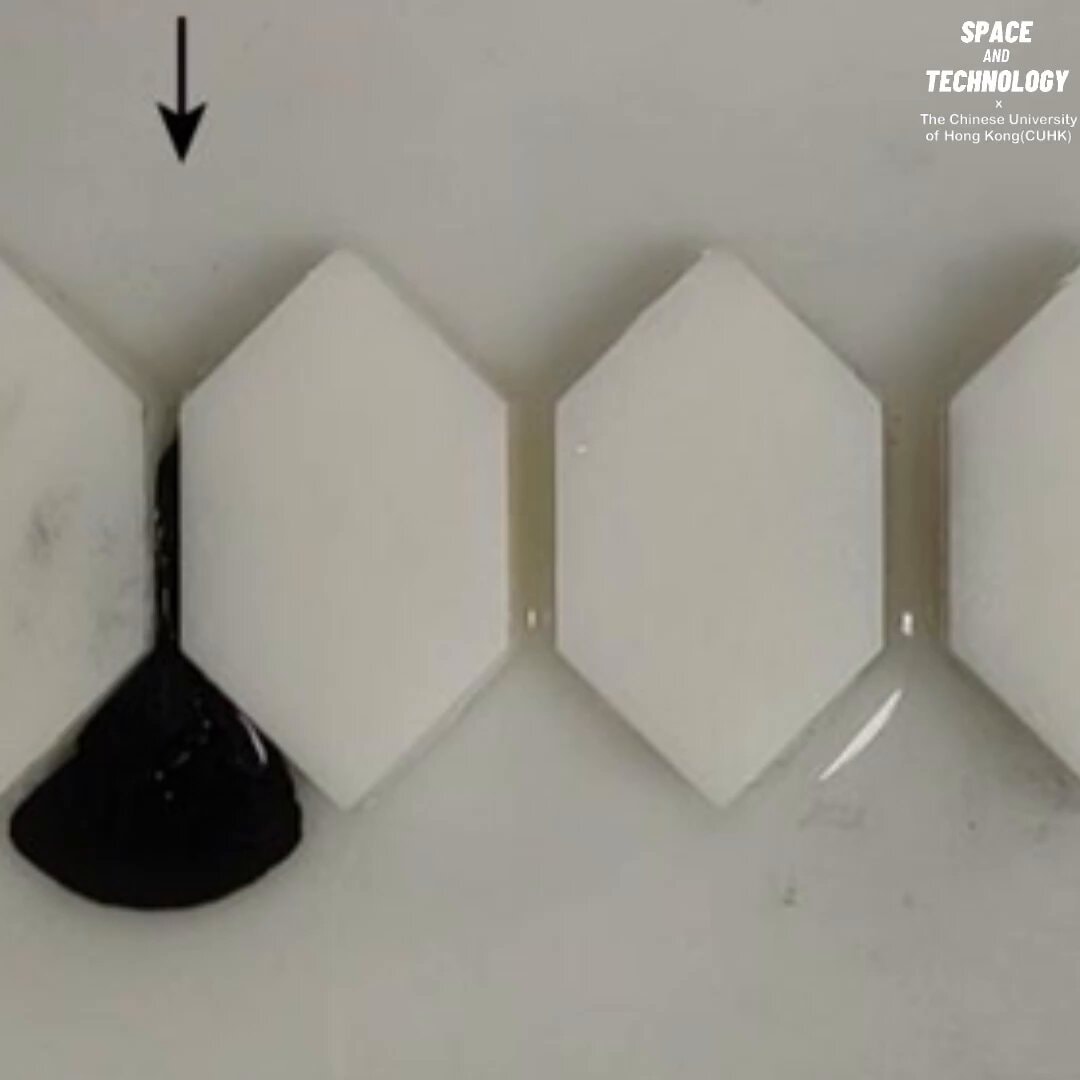
CUHK magnetic slime robot

Scientists have unveiled two humanoid robots that can greet and hug each other. A new framework called Rhythm helps them move and balance together naturally. They also danced and walked side by side while maintaining…
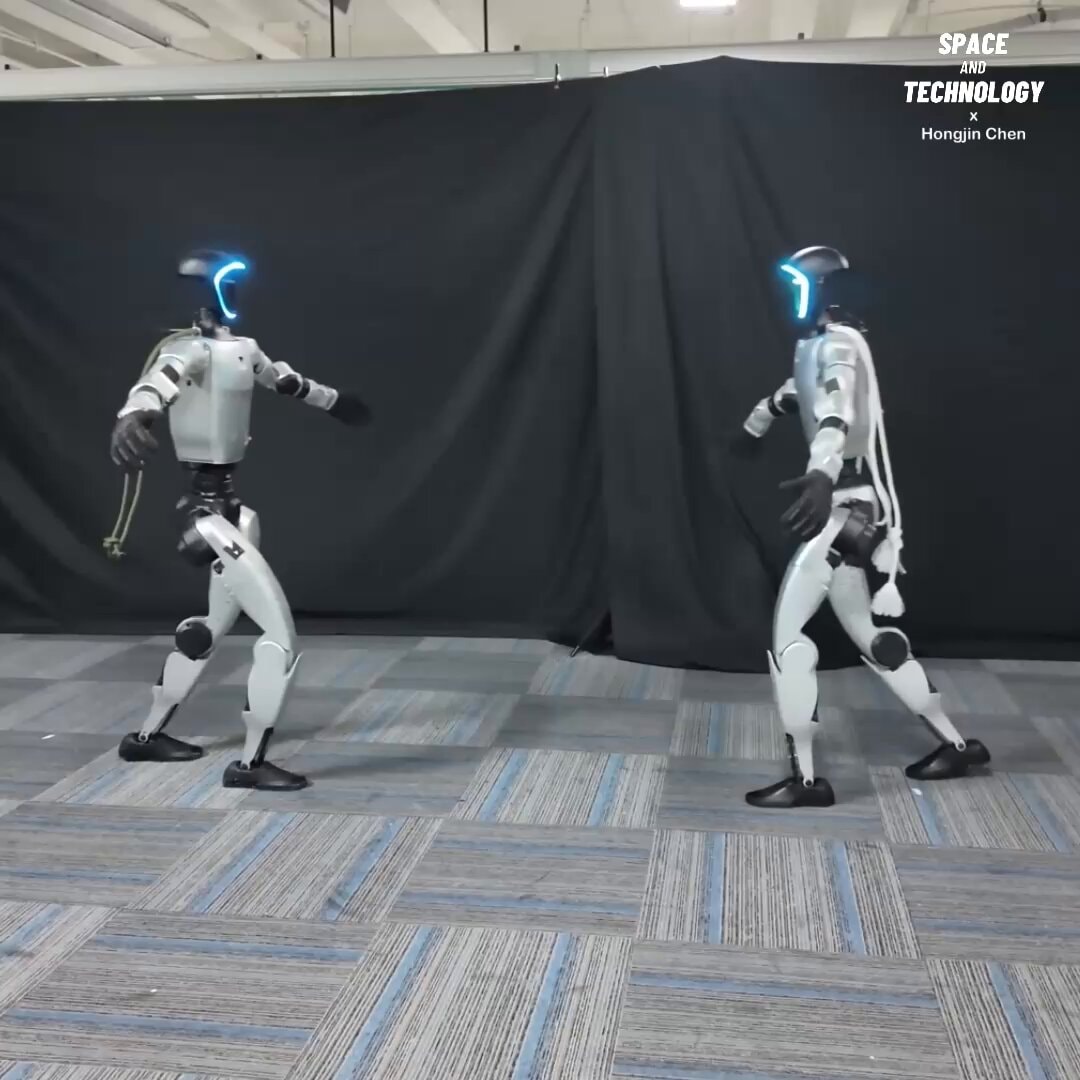
Rhythm humanoid robots hug and dance
Agility Robotics has unveiled Digit 5, its fifth-generation humanoid robot built for industrial work. The design ditched the previous leg styling entirely. This model handles payloads up to 23 kilograms and reaches…
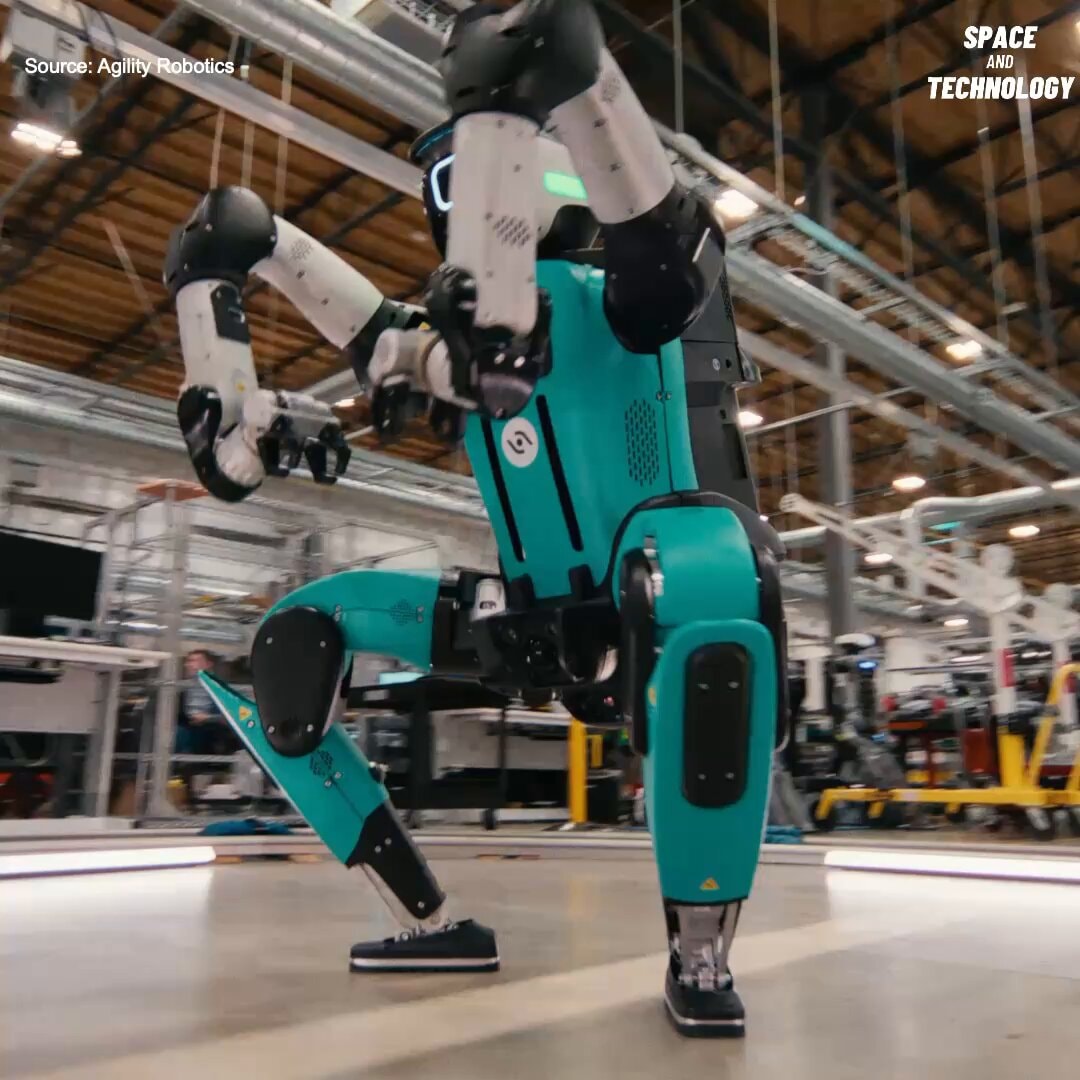
Digit 5 Agility Robotics

The unit for magnetic flux density got its name from a person, not a lab. That person is Carl Friedrich Gauss, a German who worked as a mathematician, astronomer, and physicist. Peer mathematicians eventually settled on…

Neutrinos just gave us a picture of our own galaxy. These tiny particles barely interact with anything, slipping through space and straight through matter like it isn't there, and researchers managed to build an image of…
Booster Robotics, the Chinese firm behind the T2 humanoid robots, just put them through their paces in a security patrol demo. You can see several units moving in formation, switching between walking and jogging while…
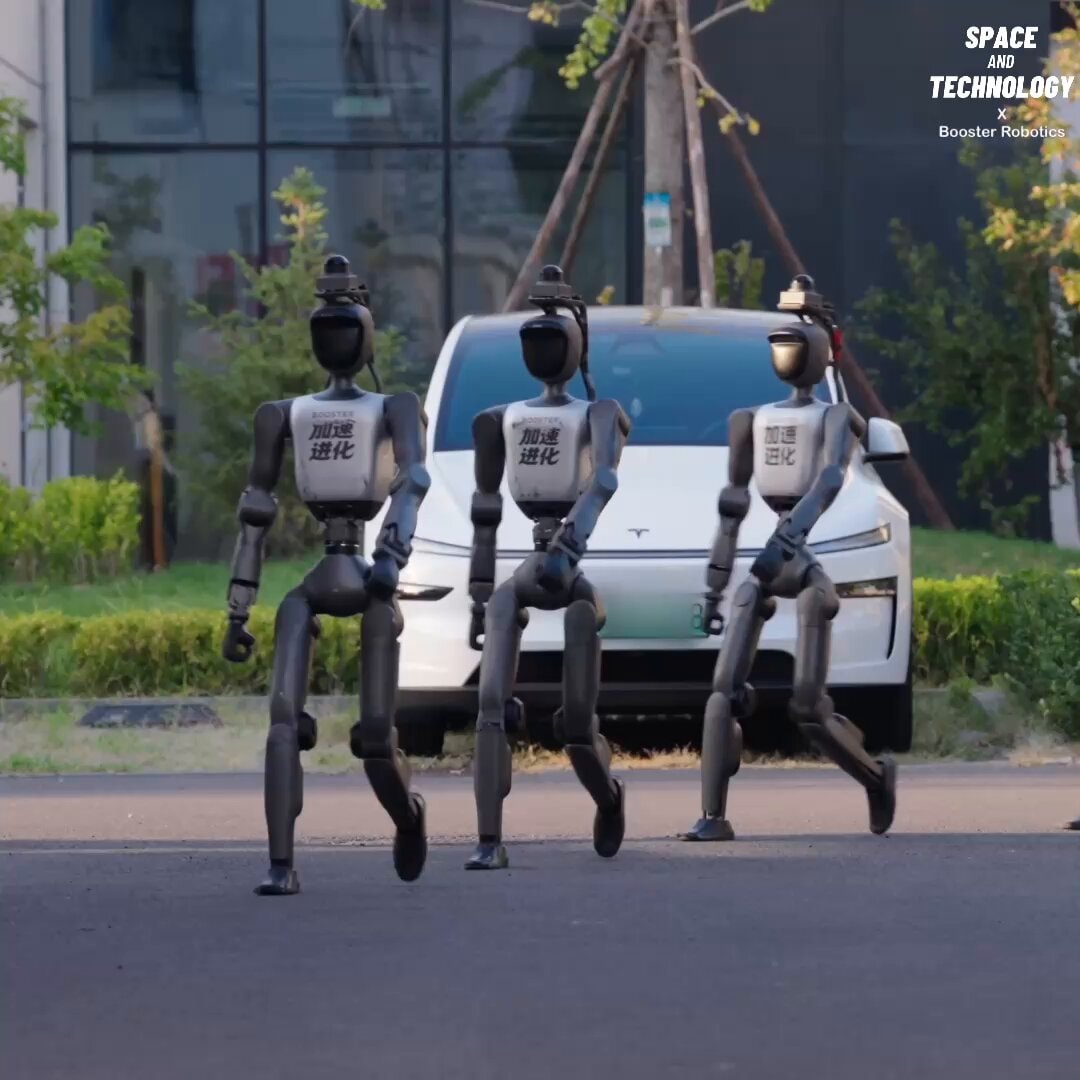
Booster Robotics T2 humanoid robots

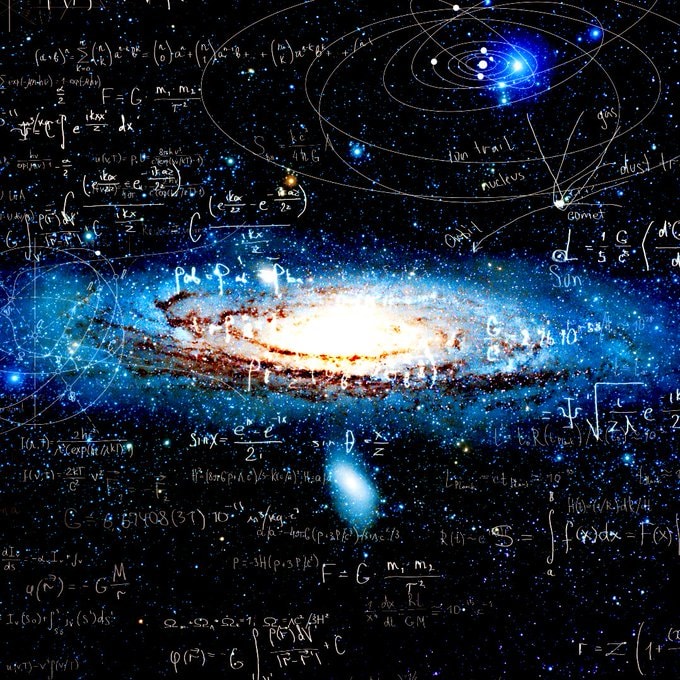
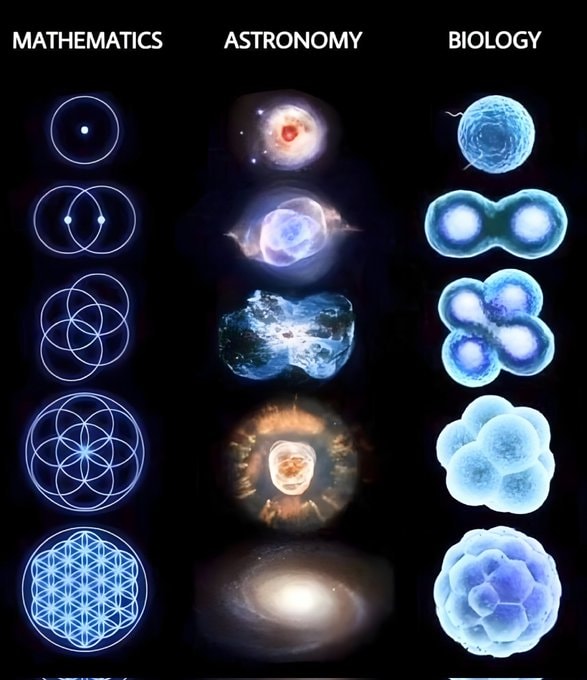
Wondering if mathematics actually counts as a language or just functions as a tool #Science
The post is just a decorative character and an emoji #Science

The recurring loop that greets you the moment your eyes open, persists through every hour of daylight, and waits for you again when the sun rises tomorrow isn't just a passing idea. That specific pattern signals to your…
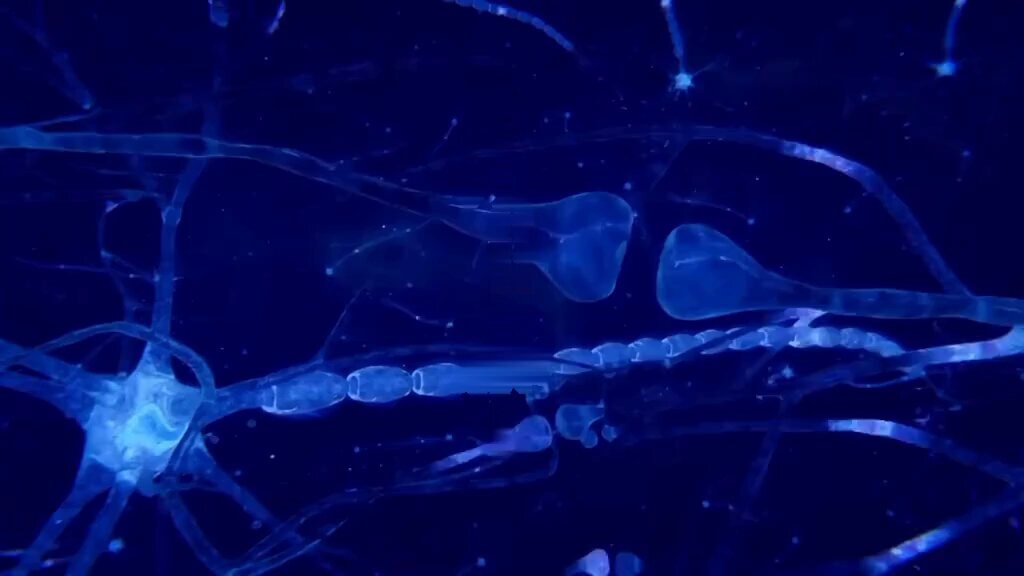
Microscopic neurons glowing blue
Becoming the person you want only takes roughly thousands of neuronal signals. Science points to a different timeline for making changes stick though, with research showing it typically takes around two months before a…
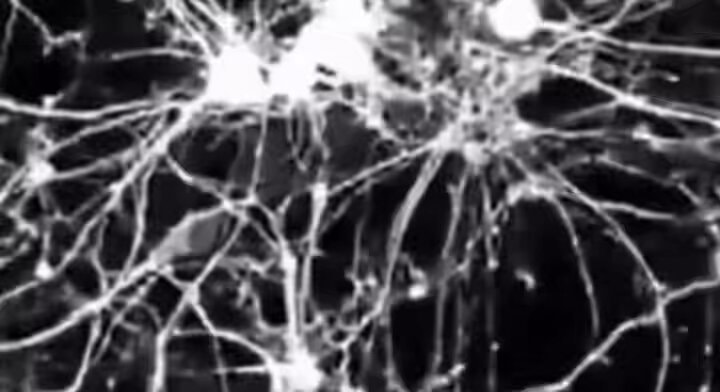
neuronal signals and habit formation
KAIST deployed a quadrupedal robot leveraging Action Pretrained Transformer-based Reinforcement Learning for versatile movement. The Korea Advanced Institute of Science and Technology built the machine to sense terrain…
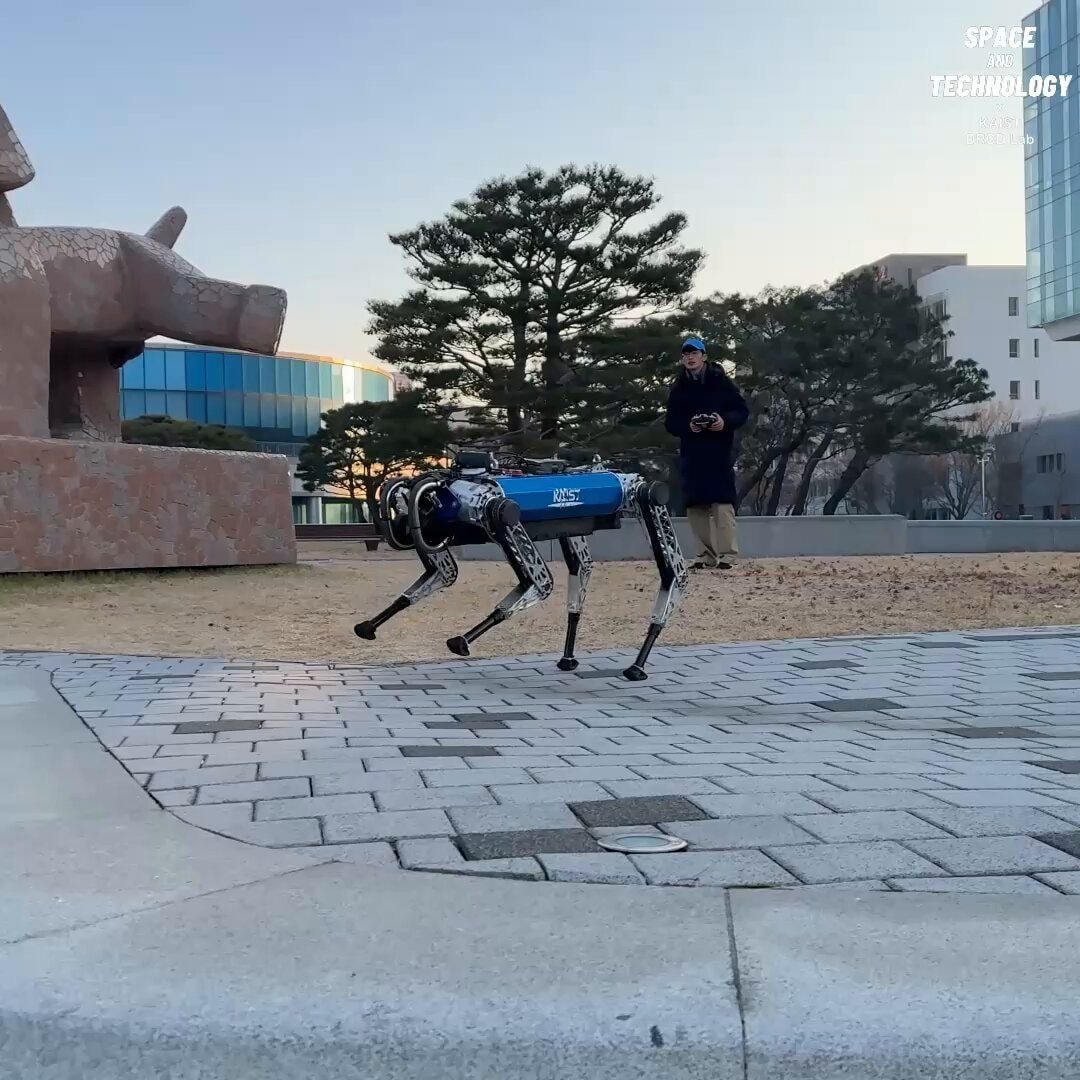
KAIST quadrupedal robot APT-RL
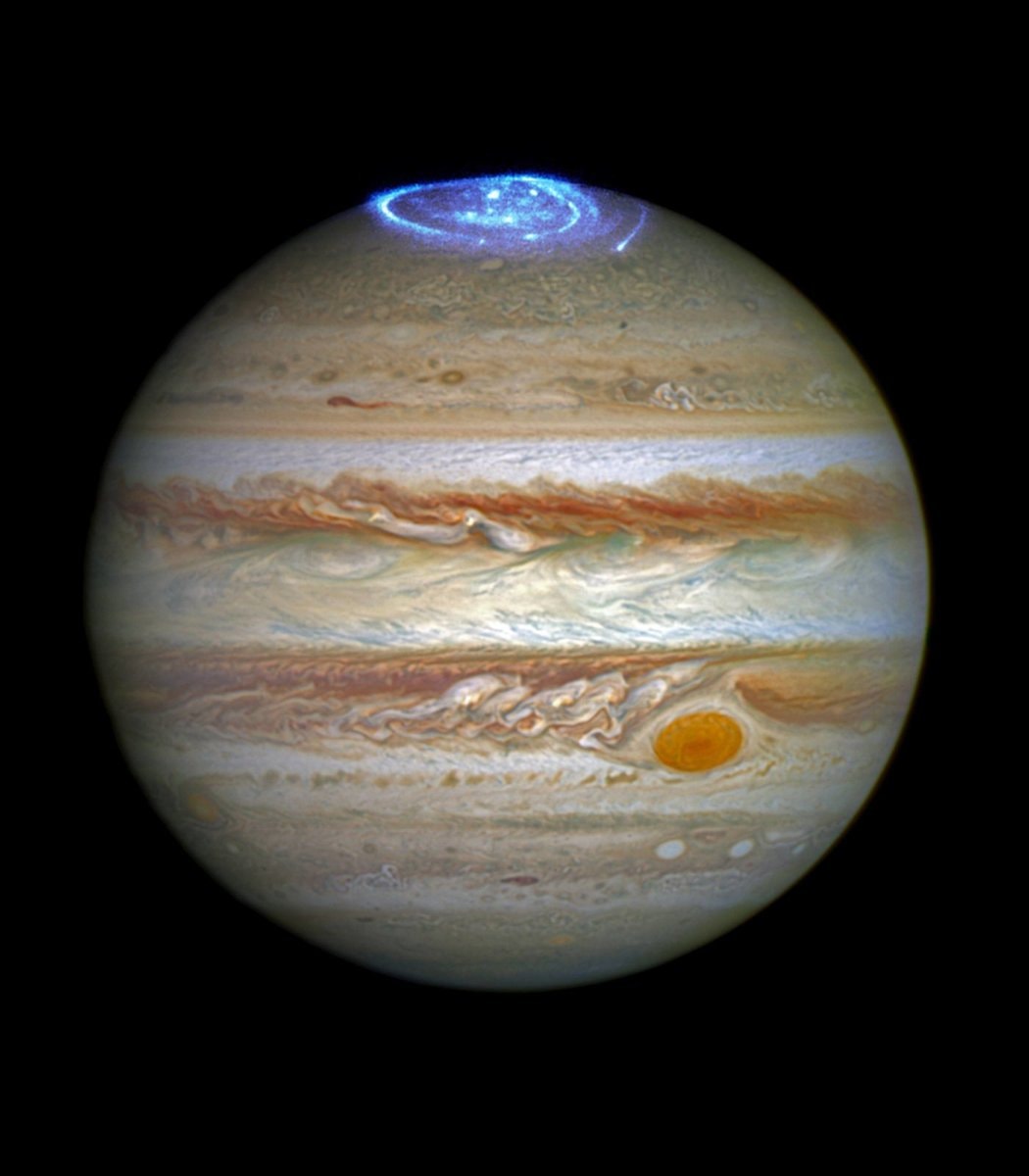
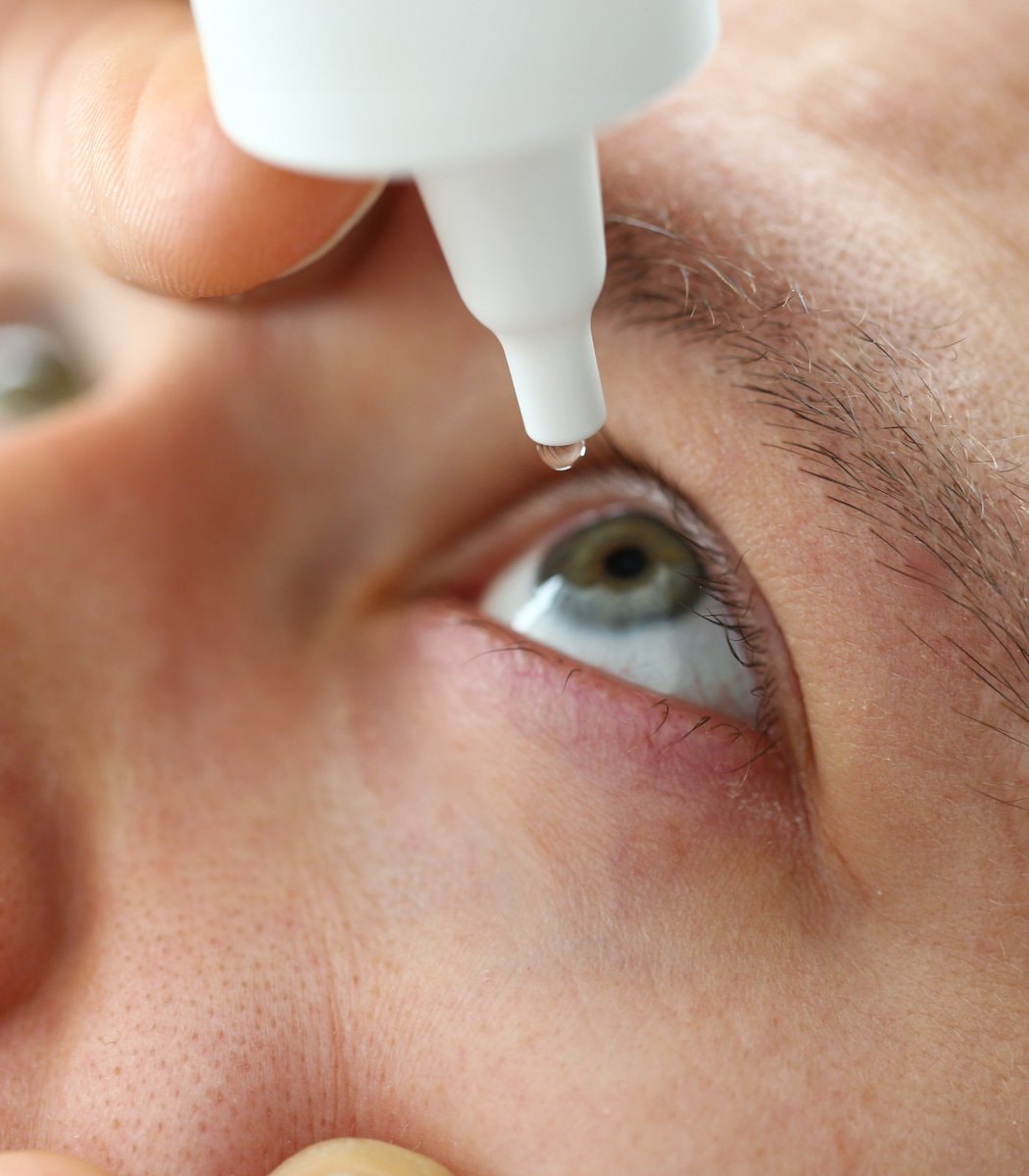
Researchers developed eyedrops designed for night vision. Clinical trials showed the drops enhanced vision for individuals struggling with darkness or nighttime driving. #Science


The mela and jana gathering had a scrumptious meal #Science

mela and jana gathering meal
The new avatar features an animation styled as invincible #Science

new avatar invincible style
Walking, hopping, swimming, none of it requires a brain, a computer, or sensors for this robot from AMOLF in Amsterdam. The legs are just flexible tubes that wiggle with constant airflow, like the inflatable dancers…
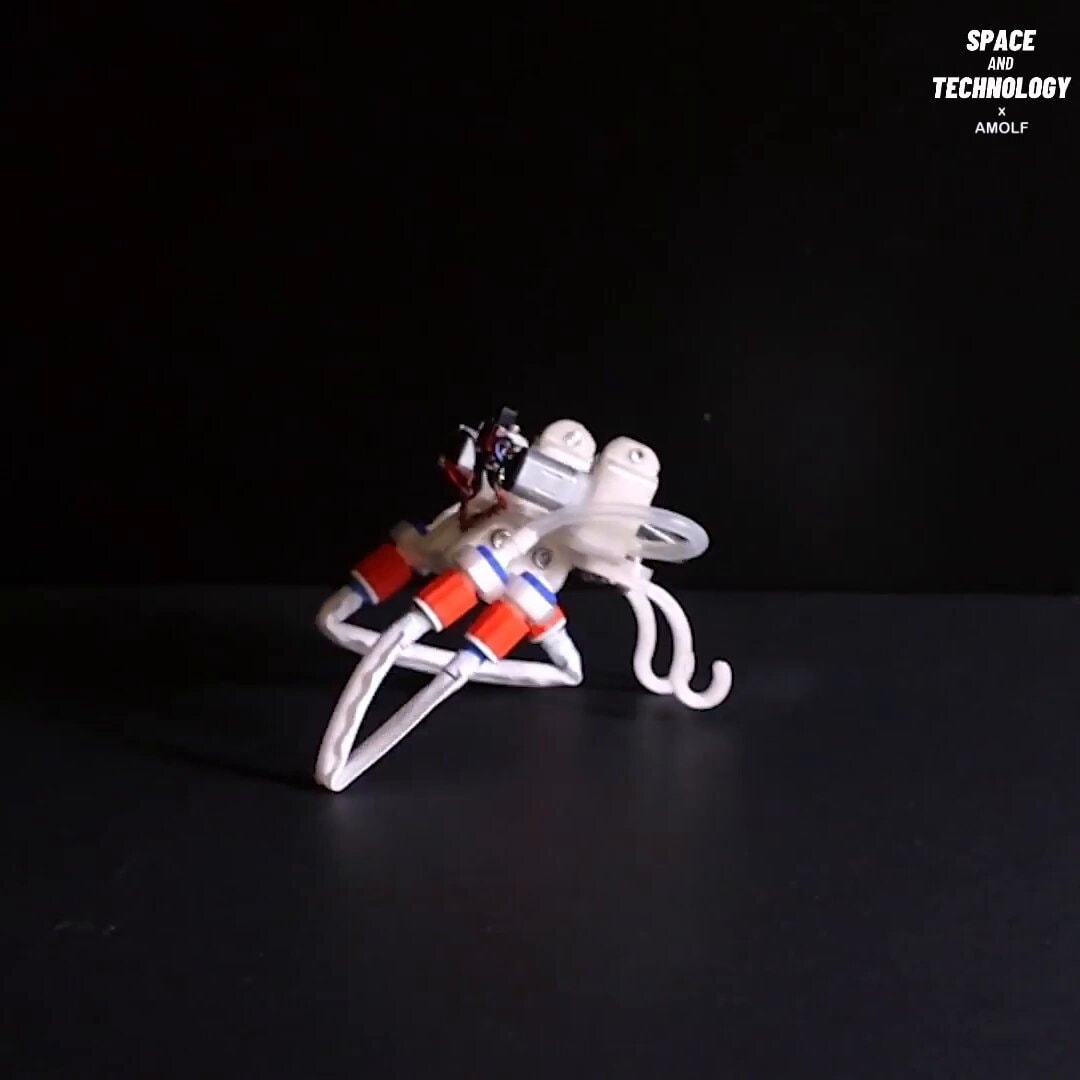
AMOLF robot walks without computer or sensors
That modular Tron 2 bot from LimX Dynamics just pulled off a scaled-down construction demo with Zinova, showing it can switch between a stationary dual-arm rig, a wheeled base, or a bipedal walker. The test had it moving…
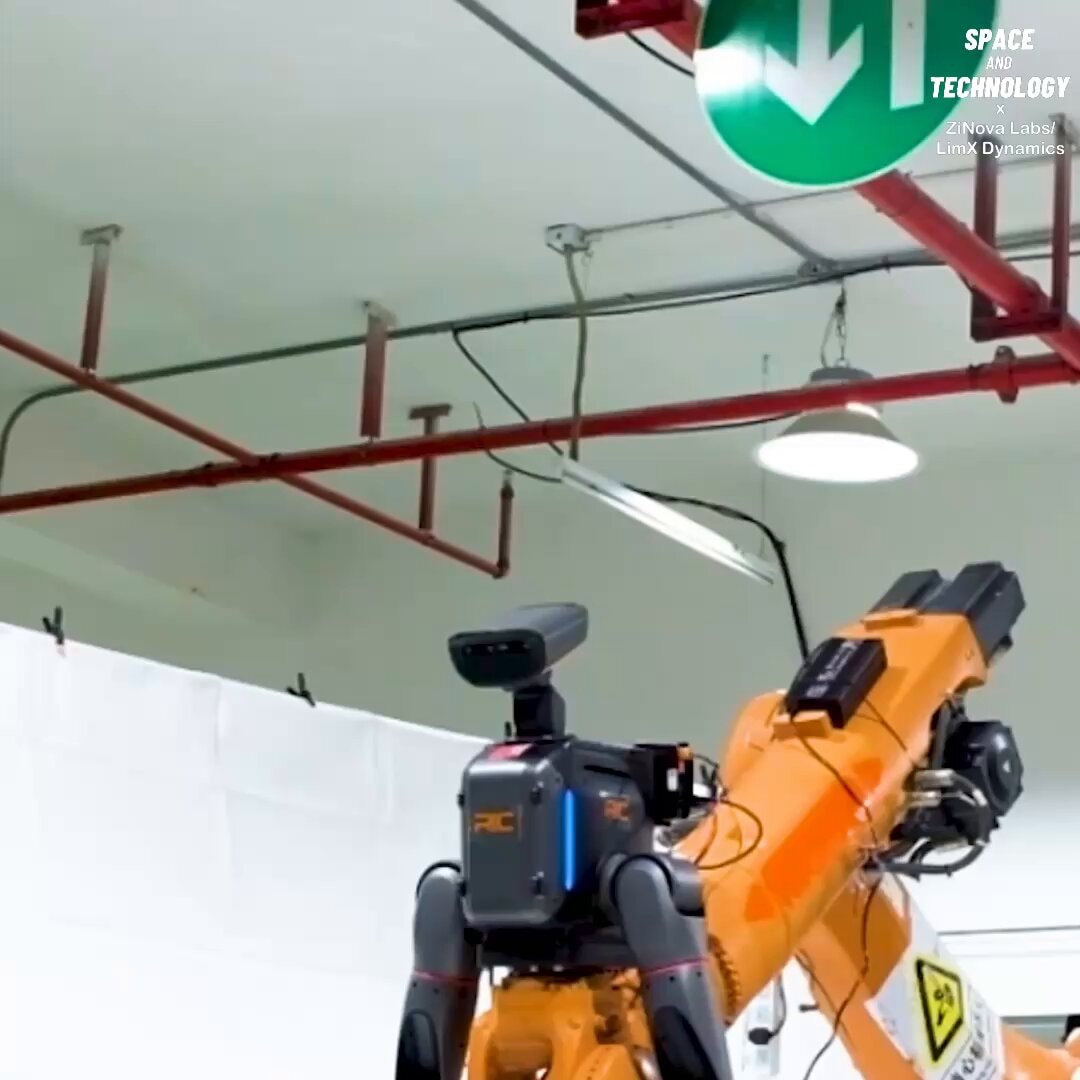
Tron 2 modular robot construction demo
151 publicações
There's a galaxy collision happening 60 million light-years from here and we can actually see it #Science
The Chinese University of Hong Kong introduced a soft robot in 2022 that uses magnetic slime to grab swallowed objects without surgery. An external magnet controls the device, making the slime stretch, squish, or form…
CUHK magnetic slime robot
Scientists have unveiled two humanoid robots that can greet and hug each other. A new framework called Rhythm helps them move and balance together naturally. They also danced and walked side by side while maintaining…
Rhythm humanoid robots hug and dance
Agility Robotics has unveiled Digit 5, its fifth-generation humanoid robot built for industrial work. The design ditched the previous leg styling entirely. This model handles payloads up to 23 kilograms and reaches…
Digit 5 Agility Robotics
The unit for magnetic flux density got its name from a person, not a lab. That person is Carl Friedrich Gauss, a German who worked as a mathematician, astronomer, and physicist. Peer mathematicians eventually settled on…
Neutrinos just gave us a picture of our own galaxy. These tiny particles barely interact with anything, slipping through space and straight through matter like it isn't there, and researchers managed to build an image of…
Booster Robotics, the Chinese firm behind the T2 humanoid robots, just put them through their paces in a security patrol demo. You can see several units moving in formation, switching between walking and jogging while…
Booster Robotics T2 humanoid robots
Wondering if mathematics actually counts as a language or just functions as a tool #Science
The post is just a decorative character and an emoji #Science
The recurring loop that greets you the moment your eyes open, persists through every hour of daylight, and waits for you again when the sun rises tomorrow isn't just a passing idea. That specific pattern signals to your…
Microscopic neurons glowing blue
Becoming the person you want only takes roughly thousands of neuronal signals. Science points to a different timeline for making changes stick though, with research showing it typically takes around two months before a…
neuronal signals and habit formation
KAIST deployed a quadrupedal robot leveraging Action Pretrained Transformer-based Reinforcement Learning for versatile movement. The Korea Advanced Institute of Science and Technology built the machine to sense terrain…
KAIST quadrupedal robot APT-RL
Researchers developed eyedrops designed for night vision. Clinical trials showed the drops enhanced vision for individuals struggling with darkness or nighttime driving. #Science
The mela and jana gathering had a scrumptious meal #Science
mela and jana gathering meal
The new avatar features an animation styled as invincible #Science
new avatar invincible style
Walking, hopping, swimming, none of it requires a brain, a computer, or sensors for this robot from AMOLF in Amsterdam. The legs are just flexible tubes that wiggle with constant airflow, like the inflatable dancers…
AMOLF robot walks without computer or sensors
That modular Tron 2 bot from LimX Dynamics just pulled off a scaled-down construction demo with Zinova, showing it can switch between a stationary dual-arm rig, a wheeled base, or a bipedal walker. The test had it moving…
Tron 2 modular robot construction demo