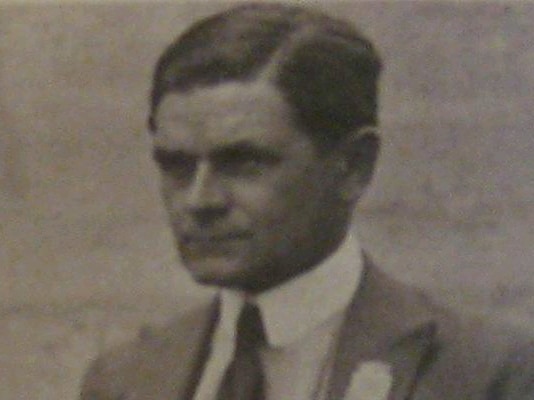
Vittorio Pozzo
 Italy
Italyassociation football player•journalist•association football coach
Also known as: Il Vecchio Maestro
Data de nascimento
March 2, 1886
Signo
Pisces
Local de nascimento
Turin, Italy
Idade
Faleceu aos 82
Altura
5 ft 9 in (1.75 m)
Sobre
Vittorio Pozzo was the only football manager in history to win two FIFA World Cups, leading Italy to victory in 1934 and 1938. An Italian tactician and journalist, he invented the Metodo formation (2-3-2-3) that balanced defense and attack, influencing modern systems like 4-2-4 and 4-3-3. Beyond the World Cup, he guided Italy to an Olympic gold medal in 1936 and two Central European International Cups (1930, 1935). Known as "Il Vecchio Maestro" (The Old Master), Pozzo is revered for his tactical innovations and dignified leadership. As of 2026, his record of consecutive World Cup titles remains unmatched. His legacy includes induction into the Italian Football Hall of Fame in 2011 and consistent recognition among the greatest managers of the early 20th century.
Início da vida e origens
Pozzo cresceu em Turim, filho de um funcionário ferroviário. Frequentou uma escola técnica e desenvolveu uma paixão precoce pelo futebol, então um esporte nascente na Itália. Quando jovem, estudou na França e na Suíça, absorvendo diferentes culturas futebolísticas que mais tarde moldariam seu pensamento tático. Sua carreira como jogador foi curta: atuou como meio-campista pelo Grasshopper Club Zürich de 1905 a 1906, depois retornou à Itália para jogar pelo Torino de 1906 até que uma lesão no joelho o forçou a se aposentar aos 25 anos.
Após se aposentar, Pozzo se dedicou ao jornalismo, escrevendo para La Stampa e outras publicações. Seu trabalho jornalístico lhe deu uma perspectiva tática e o ajudou a construir conexões na administração do futebol. Em 1912, foi nomeado técnico da seleção italiana pela primeira vez, mas a Primeira Guerra Mundial interrompeu seu mandato. Durante a guerra, serviu como correspondente de guerra, cobrindo batalhas para jornais italianos. Após a guerra, retornou ao jornalismo e cobriu grandes torneios. Seu momento crucial veio em 1929, quando foi renomeado como técnico da seleção italiana, cargo que ocuparia por quase duas décadas.
Crescimento na carreira
O segundo período de Pozzo como técnico da Itália começou em 1929 e inaugurou uma era de ouro. Em 1930, venceu a primeira Copa Internacional da Europa Central, precursora do Campeonato Europeu. A Copa do Mundo de 1934 em solo nacional viu sua formação Metodo em pleno efeito, com a Itália derrotando a Tchecoslováquia por 2 a 1 na final. A capacidade de Pozzo de mesclar jogadores de clubes rivais como Juventus e Torino foi fundamental para a coesão da equipe. Em 1935, venceu uma segunda Copa Internacional da Europa Central. Nas Olimpíadas de Berlim em 1936, a Itália conquistou a medalha de ouro, tornando Pozzo o único técnico a vencer tanto as Olimpíadas quanto a Copa do Mundo. O auge veio em 1938, quando a Itália defendeu seu título da Copa do Mundo na França, vencendo a Hungria por 4 a 2 na final. Pozzo continua sendo o único técnico a vencer duas Copas do Mundo. Ele deixou a seleção em 1948 após 97 partidas (64 vitórias, 20 empates, 13 derrotas) e retornou ao jornalismo, escrevendo para La Stampa até sua morte em 1968. Em 1924, comandou a Itália nas Olimpíadas de Paris, chegando às quartas de final. Recusou ofertas lucrativas para treinar clubes estrangeiros, preferindo permanecer na Itália.
Linha do tempo da carreira
Imagem pública e estilo
Pozzo cultivava uma imagem de autoridade digna, sempre aparecendo de terno e gravata, muitas vezes com um chapéu fedora. Na beira do campo, era calmo e analítico, raramente gritava. A mídia italiana o retratava como "Il Vecchio Maestro", uma figura sábia e paternal que transformou o futebol italiano. A mídia estrangeira respeitava seu gênio tático, mas às vezes examinava seu papel sob o regime fascista de Mussolini. Historiadores observam que ele se concentrava puramente no futebol e evitava declarações políticas, nunca se filiando ao Partido Fascista. Fãs e analistas táticos o reverenciam como uma figura fundadora, com artigos de homenagem e exposições em museus na sede da Federação Italiana de Futebol comemorando seu legado. Ele tinha aproximadamente 1,75 m de altura com base em fotografias da época. Relatos históricos o descrevem como comedido, intelectual e ocasionalmente sardônico em entrevistas.
Fama e fandom
Vittorio Pozzo commands a global reputation defined by singular historical achievement rather than contemporary celebrity metrics. His standing in the modern consciousness is that of an immutable record-holder, revered by historians and football purists for being the only manager to secure two FIFA World Cup titles. Despite this unparalleled legacy, iFANN's Global Fame Engine evaluated his profile in August 2026 and determined he currently holds no placement within the published rankings, including the Global Top 1,000 or any Top-100 scope list. This absence of a numerical rank reflects the nature of his fame as a distant figure from the pre-digital era rather than a lack of significance. The audience surrounding his name consists entirely of those who study football history, with no formal fandom name documented in available records. Unlike modern icons, there are no organized fan clubs, digital campaigns, or specific rituals associated with his memory; the reverence he receives is retrospective, emerging from academic circles and national pride rather than active community participation. While foreign media once scrutinized his political context, the current narrative focuses exclusively on his tactical genius and the unbroken nature of his World Cup record. No viral moments or crowd disruptions define his legend today, as his impact was felt through strategic innovation and dignified leadership during an era when management was insulated from public spectacle. The lack of a named fanbase underscores the historical distance between his active years and the present day, leaving his legacy to be carried by facts rather than folklore.
Fatos interessantes e lendas
Vittorio Pozzo was a polyglot fluent in French, German, and English, which allowed him to dissect foreign tactics with precision. He maintained strict professional standards, insisting his players wear suits and ties while traveling and handing each man a paper inscribed with "VINCERE" before matches. Although he never managed a club at the highest level, he discovered Giuseppe Meazza and mentored him into stardom. His Metodo formation drew inspiration from the Swiss Danubian School and the English WM system. After his death, his archives were donated to the Italian Football Federation, and he received the FIFA Order of Merit. Streets named after him include Via Vittorio Pozzo in Turin and other Italian cities. Notable quotes include: "The game of football is simple. But it is terribly difficult to play simply." A widely retold story describes Pozzo as a football immortal tempered in the trenches of World War I, a background that shaped his stoic approach to command. This narrative frames his tactical triumphs not merely as games but as disciplined exercises born of survival. Historians frequently cite his role as the mastermind behind the 1938 World Cup victory as the pinnacle of his career, emphasizing how he transformed the Italian squad through innovation. While some note he remains less known globally due to the Fascist era context, experts universally regard him as the greatest manager of the competition. His legacy stands as a verified historical fact: the unique treble of Olympic gold and back-to-back World Cups achieved within four years.
Frases notáveis
“The game of football is simple. But it is terribly difficult to play simply.”
“I have always believed that the best way to prepare a team is to make them understand that they are playing for something greater than themselves.”
“Victory is not everything, but the effort to win is.”
“A team is not eleven individuals. It is one soul in eleven bodies.”
“When you wear the blue shirt of Italy, you carry the hopes of millions. Do not disappoint them.”
Família e vida pessoal
Pozzo casou-se com uma mulher chamada Giuseppina, embora poucos detalhes sobre sua origem estejam documentados. O casal não teve filhos. Pozzo era extremamente reservado sobre sua vida pessoal, e pouco se sabe sobre sua família além do casamento. Viveu em Turim a maior parte de sua vida. Seu pai era funcionário ferroviário, mas nenhuma informação sobre sua mãe ou irmãos sobreviveu em fontes em inglês. Após sua morte, seu espólio foi administrado pela Federação Italiana de Futebol, que recebeu seus arquivos pessoais. Pozzo nasceu em 2 de março de 1886 em Turim e morreu em 21 de dezembro de 1968 em Turim, aos 82 anos.
Conexões notáveis
Pozzo trabalhou em estreita colaboração com estrelas como Giuseppe Meazza, que capitaneou a Itália na conquista da Copa do Mundo de 1938, e Giovanni Ferrari, um meio-campista chave tanto em 1934 quanto em 1938. Ele também contou com Luis Monti, Angelo Schiavio e Silvio Piola. Seus aliados administrativos incluíam Ferruccio Novo, presidente do Torino, e Ottorino Barassi, da Federação Italiana de Futebol.
Relacionamentos e história amorosa
Pozzo se casou com Giuseppina, cujo nome de solteira completo não está documentado em fontes em inglês. O casal provavelmente se casou nas décadas de 1910 ou 1920 e permaneceu junto até a morte de Pozzo em 1968. Eles não tiveram filhos. Pozzo era extremamente reservado sobre sua vida pessoal, e nenhum outro relacionamento amoroso foi documentado por fontes confiáveis. Em 2026, Pozzo está falecido e era viúvo na época de sua morte. Sua esposa o sobreviveu, mas pouco mais está documentado sobre o relacionamento deles em fontes de língua inglesa.
- Casado(a)Giuseppina Pozzo? - 1968Pozzo se casou com Giuseppina, mas poucos detalhes sobre o relacionamento deles são documentados. Eles não tiveram filhos.
Morte e repercussões
Morte
December 21, 1968 (aos 82 anos)
Local da morte
Turin, Italy
Causa da morte
Desconhecido
The passing of Vittorio Pozzo in late December 1968 marked the end of an era for Italian football, though immediate public mourning was not characterized by the mass vigils or chart surges that define modern celebrity deaths. Retrospective coverage decades later consistently frames him as a football immortal whose tactical innovations and unique record of two World Cup victories established him as a pioneer of the sport. The man known as Il Vecchio Maestro left behind a legacy that continues to be invoked in analyses of coaching history, yet the immediate reaction in 1968 remained relatively quiet compared to his towering status in the game.
Pozzo died on December 21, 1968, at the age of 82 in Turin, Italy, where he had lived for most of his life. No official cause of death was made public in available records, nor were details regarding hospital statements, autopsy findings, or specific circumstances surrounding his final days released to the press. As an elderly figure who passed naturally, his death did not trigger any police investigation, inquest, or legal proceedings. The absence of such reports suggests a private departure without controversy or sudden medical emergency requiring public inquiry.
Following his death, no specific information regarding the date, location, or nature of the funeral service has been preserved in English sources. Posthumously, however, his standing has only grown, with FIFA releasing unseen images of his work in 2025 and numerous publications celebrating his creation of the Metodo formation. He remains the only manager to win consecutive World Cups, a record that stands unmatched as the years pass.
Patrimônio (valor do espólio)
Como técnico de futebol e jornalista na Itália do início a meados do século XX, Pozzo não era rico para os padrões modernos. Sua renda vinha de seu salário como técnico da seleção italiana, um cargo financiado pelo governo, e de seu salário de jornalista no La Stampa. Ele não tinha contratos de patrocínio ou empreendimentos comerciais conhecidos. Não existem estimativas confiáveis publicamente disponíveis sobre seu patrimônio ou valor de propriedade. Os técnicos de futebol daquela época ganhavam salários modestos em comparação com os contratos multimilionários de hoje. Seu legado é principalmente histórico, e não comercial.
Prêmios conquistados (6)
Pozzo venceu duas Copas do Mundo da FIFA (1934, 1938), uma medalha de ouro olímpica (1936) e duas Copas Internacionais da Europa Central (1930, 1935). Ele foi introduzido postumamente no Hall da Fama do Futebol Italiano em 2011 como pioneiro do futebol italiano.
1938 · Vencedor
Italy national team
1934 · Vencedor
Italy national team
1936 · Futebol
Italy national team
Conhecido por
1934 FIFA World Cup
1934 · Técnico
1938 FIFA World Cup
1938 · Técnico
1936 Olympic Gold Medal
1936 · Técnico
Palavras-chave
Dados rápidos
- Profissão
- association football player, journalist, association football coach
- Nascimento
- +1886-03-02
- Local de nascimento
- Turin
- Morte
- +1968-12-21
- Local da morte
- Turin
- Gênero
- Masculino
- Signo
- Pisces
Dados pessoais
- Nome completo
- Vittorio Pozzo
- Altura
- 5 ft 9 in (1.75 m)
- Cônjuge
- Giuseppina Pozzo
- Formação
- Technical school in Turin; studied in France and Switzerland
Perguntas frequentes
Quantas Copas do Mundo Vittorio Pozzo venceu?
Qual formação Vittorio Pozzo inventou?
Vittorio Pozzo era fascista?
Quantos anos Vittorio Pozzo tinha quando morreu?
Vittorio Pozzo teve filhos?
Pessoas semelhantes
Junte-se à comunidade
fãs comentando