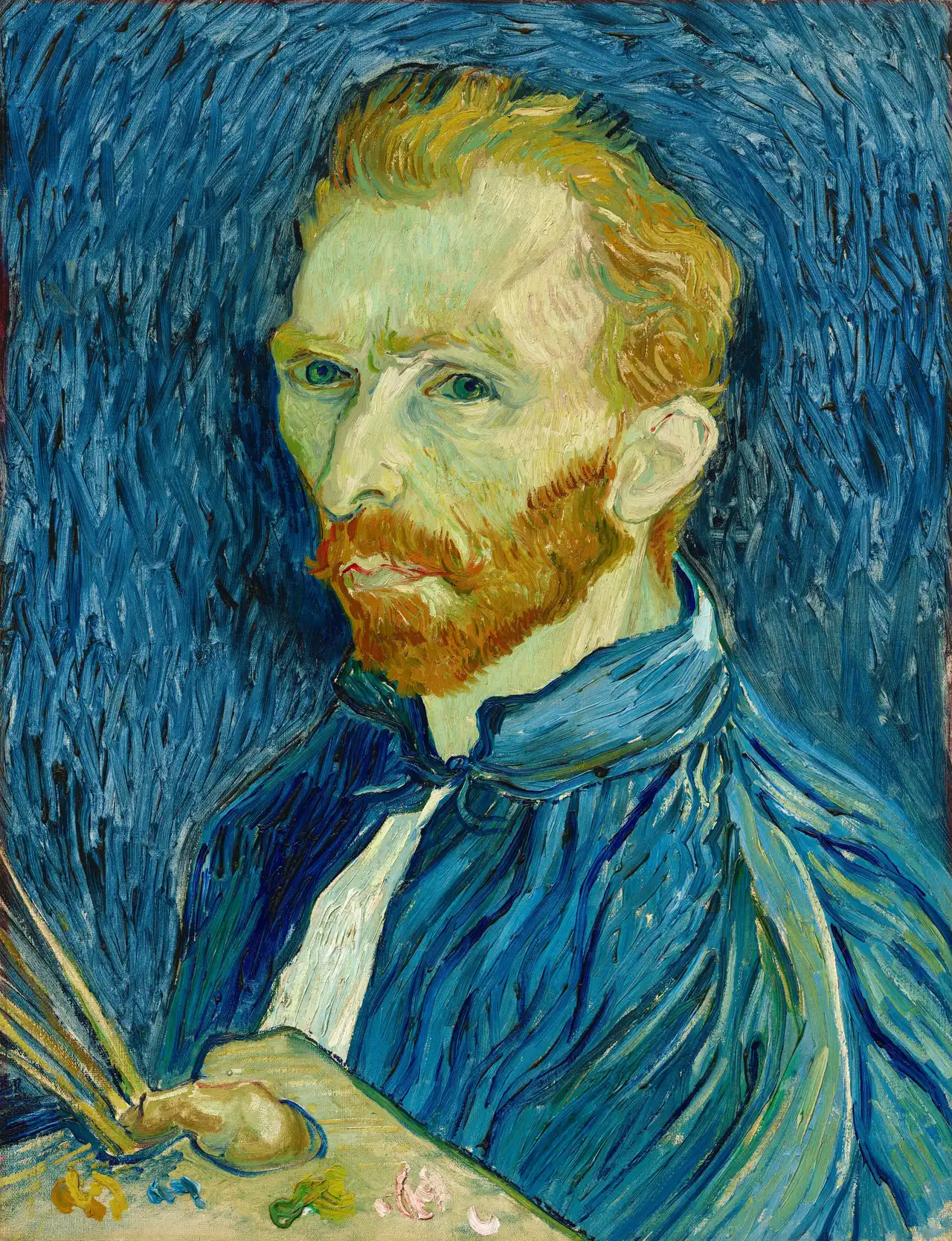
Vincent van Gogh
 Netherlands
painter•botanical illustrator•draftsperson
Data de nascimento
March 30, 1853
Signo
Aries
Local de nascimento
Zundert, Netherlands
Idade
Faleceu aos 37
Altura
5 ft 8 in (173 cm)
Sobre
Vincent van Gogh foi um pintor pós-impressionista neerlandês cuja obra se define pela cor ousada e pela intensidade emocional. Numa carreira curta, mas prolífica, criou cerca de 2.100 trabalhos, entre eles aproximadamente 860 pinturas a óleo, a maioria nos dois últimos anos de vida. Suas paisagens, naturezas-mortas, retratos e autorretratos trazem uma pincelada dramática e expressiva que abriu caminho para a arte moderna. Hoje ele está entre as figuras mais famosas e influentes da história da arte ocidental, com obras como A Noite Estrelada e Os Girassóis reconhecidas no mundo inteiro.
Em 2026, seu legado segue vivo no Museu Van Gogh, em Amsterdã, que abriga a maior coleção de seus trabalhos. Exposições imersivas como “Van Gogh Alive” atraem milhões de visitantes por vários países, e suas telas alcançam com frequência dezenas de milhões em leilão. O público se identifica com sua história de dedicação artística em meio ao sofrimento pessoal, o que faz dele um ícone cultural permanente.
Início da vida e origens
Nascido em Zundert, Países Baixos, van Gogh era o filho mais velho sobrevivente de Theodorus van Gogh, um ministro protestante, e Anna Cornelia Carbentus. Seu nascimento ocorreu exatamente um ano após a natimortalidade de um irmão também chamado Vincent, um fato que o assombrou. Ele era um menino sério e quieto que mostrou talento precoce para o desenho. Aos 11 anos, frequentou um internato em Zevenbergen, depois uma escola secundária em Tilburgo, onde estudou com o artista Constant Cornelis Huijsmans. Saiu da escola aos 15 anos para se juntar à agência de arte de seu tio, Goupil & Cie.
Trabalhando como negociante de arte em Haia, Londres e Paris de 1869 a 1876, van Gogh ficou deprimido após uma rejeição romântica em Londres. Ele se voltou para a religião, tornando-se missionário na empobrecida região mineira de Borinage, na Bélgica, em 1878. Viveu na miséria, doou seus pertences e foi demitido pelas autoridades da igreja por zelo excessivo. Em 1880, aos 27 anos, decidiu se tornar artista, estudando na Académie Royale des Beaux-Arts em Bruxelas e depois voltando a morar com seus pais em Nuenen em 1883. Seu momento crucial veio em 1886, quando se mudou para Paris para viver com seu irmão Theo, descobrindo o Impressionismo e conhecendo artistas como Émile Bernard e Paul Gauguin. Isso transformou sua paleta escura em cores vibrantes.
Crescimento na carreira
Van Gogh começou sua carreira com obras escuras e sombrias como Os Comedores de Batata (1885) em Nuenen. Depois de se mudar para Paris em 1886, sua paleta clareou sob influência impressionista. Pintou cenas de Montmartre, autorretratos e naturezas-mortas, desenvolvendo sua característica pincelada espessa.
Em 1888, mudou-se para Arles, buscando a "luz do Japão". Este foi seu período mais prolífico, produzindo Girassóis, O Quarto e Terraço do Café à Noite. Convidou Gauguin para se juntar a ele, mas a relação terminou em dezembro de 1888, quando van Gogh cortou parte de sua orelha esquerda após uma discussão violenta. Após colapsos, internou-se no asilo de Saint-Rémy em 1889, onde pintou A Noite Estrelada e Íris. Em maio de 1890, mudou-se para Auvers-sur-Oise para ficar perto do Dr. Paul Gachet, pintando mais de 70 obras em 70 dias, incluindo Campo de Trigo com Corvos. Em 27 de julho de 1890, atirou em si mesmo e morreu dois dias depois.
Linha do tempo da carreira
Imagem pública e estilo
A persona pública de van Gogh é a do "gênio torturado", uma narrativa moldada por filmes como Sede de Viver (1956) e No Portal da Eternidade (2018). Seu estilo característico apresenta pinceladas ousadas e onduladas em impasto e cores vibrantes, especialmente amarelos e azuis. Os fãs, às vezes chamados de "vincentianos", fazem peregrinações ao Museu Van Gogh em Amsterdã e migram para exposições imersivas como "Van Gogh Alive". As mídias sociais do museu são educativas, mas engajam com a cultura moderna, compartilhando memes e mercadorias. A história de van Gogh de paixão artística em meio à angústia mental ressoa profundamente, tornando-o uma figura identificável apesar de sua distância histórica.
Fama e fandom (iFAMOUS Rankings)
Vincent van Gogh ocupa um espaço cultural singular, em que a fronteira entre artista e ícone se dissolve numa devoção global de mais de um século. Seus seguidores, muitas vezes chamados de vincentianos nos círculos de entusiastas, não formam um clube único, com cânticos ou rituais oficiais; são uma comunidade dispersa de amantes da arte que peregrinam ao Museu Van Gogh, em Amsterdã, e lotam mostras imersivas como a Van Gogh Alive. Essa base se define por um envolvimento profundo, quase acadêmico, com suas cartas e pelo fascínio com a mitologia trágica de sua vida, o que converte a prática solitária de ateliê numa experiência cultural compartilhada. A relação continua sendo de mão única, já que o pintor nunca pôde encontrar seus admiradores em vida, mas seu legado prospera no estudo intenso de sua mente e no volume impressionante de sua obra. Essa influência duradoura o coloca entre as figuras mais reconhecidas da história humana, status traduzido em números pelo iFANN Global Fame Rankings. As métricas de referência confirmam que ele é a 365ª pessoa mais famosa do mundo, sem alteração em relação ao ciclo anterior. Sua posição regional é igualmente forte: aparece como a 4ª pessoa mais famosa originária dos Países Baixos, enquanto em seu campo específico reivindica o lugar de 5ª pessoa mais famosa de Arte & Design. As colocações refletem uma presença global elevada e constante, estável ao longo do tempo.
Fatos interessantes e lendas
Vincent van Gogh cortou apenas a parte inferior do lóbulo da orelha esquerda, e não a orelha inteira — detalhe que costuma se perder nas versões populares do episódio na Casa Amarela, em Arles. Ele produziu impressionantes 43 autorretratos, número maior que o de qualquer outro artista atuante em sua breve carreira. Correspondente incansável, escreveu mais de 900 cartas, a maioria endereçada ao irmão Theo, que abrem uma janela íntima para seu pensamento. Em vida, vendeu com certeza apenas uma tela: A Vinha Vermelha (1888), comprada por Anna Boch por 400 francos. Sua visão artística foi profundamente moldada pelas xilogravuras japonesas ukiyo-e, que colecionava com avidez. Internado no asilo de Saint-Rémy, pintou sua obra-prima A Noite Estrelada inteiramente de memória. Além desses fatos, a lenda de sua morte, em 29 de julho de 1890, permanece como pedra angular de sua mitologia. O imaginário popular o mostra dando um tiro em si mesmo num trigal e morrendo sozinho, embora os relatos comprovados indiquem que ele foi baleado no peito, voltou cambaleando à pensão e morreu dois dias depois, cuidado pelo irmão. Outra história muito repetida trata do destino da orelha decepada, com versões que divergem sobre se ela foi entregue a uma mulher de um bordel local ou a outra pessoa, o que ajudou a cristalizar a imagem do gênio atormentado.
Frases notáveis
“I dream my painting and I paint my dream.”
“The sadness will last forever.”
“I put my heart and my soul into my work, and I have lost my mind in the process.”
“What would life be if we had no courage to attempt anything?”
Família e vida pessoal
O pai de van Gogh, Theodorus van Gogh, era um ministro protestante. Sua mãe, Anna Cornelia Carbentus, era uma mulher com inclinação artística. Ele tinha três irmãs: Anna, Elisabeth e Willemien, e dois irmãos: Theo e Cor. Theo, um negociante de arte, foi seu apoiador financeiro e emocional por toda a vida; a correspondência entre eles é uma fonte-chave da história da arte. Van Gogh nunca se casou e não teve filhos. Seu relacionamento familiar mais próximo era com Theo, que estava ao seu lado quando morreu. Theo morreu seis meses depois, e sua viúva, Johanna van Gogh-Bonger, promoveu incansavelmente o trabalho de Vincent, garantindo sua fama póstuma.
Conexões notáveis
Theo van Gogh, seu irmão e patrono, foi sua âncora. Paul Gauguin, colega artista, teve uma amizade turbulenta com ele em Arles. Émile Bernard foi um amigo próximo em Paris que influenciou seu estilo. O Dr. Paul Gachet o tratou em Auvers-sur-Oise e foi tema de um famoso retrato. Johanna van Gogh-Bonger, viúva de Theo, defendeu seu legado após sua morte.
Relacionamentos e história amorosa
A vida amorosa de Van Gogh foi marcada por rejeição e tragédia. Em 1873, enquanto estava em Londres, ele se apaixonou pela filha de sua senhoria, Ursula Loyer, mas ela o rejeitou por estar secretamente noiva. Isso o mergulhou em depressão. Em 1881, ele propôs casamento à sua prima viúva, Kee Vos-Stricker, que recusou com a frase "Não, não, nunca". Ele queimou a mão na chama de uma lamparina para provar sua devoção, alienando ainda mais sua família. De 1882 a 1883, viveu com Clasina "Sien" Hoornik, uma prostituta grávida, usando-a como modelo; o relacionamento escandaloso terminou sob pressão familiar. Em Paris, em 1887, teve um breve caso com Agostina Segatori, uma modelo e dona de café italiana, que terminou em uma disputa por dívidas. Em Nuenen, a vizinha Margot Begemann se apaixonou por ele, mas suas famílias se opuseram ao relacionamento; ela tentou suicídio, devastando van Gogh. Ele nunca se casou e morreu solteiro aos 37 anos.
- NamoraramEugénie Loyer1873 - 1874Paixão não correspondida; ela rejeitou sua proposta por estar secretamente noiva.
- NamoraramKee Vos-Stricker1881 - 1881Propôs casamento à prima viúva; ela recusou, e sua família ficou horrorizada.
- NamoraramClasina Hoornik1882 - 1883Viveu com uma prostituta grávida; usou-a como modelo; terminou sob pressão familiar.
- NamoraramAgostina Segatori1887 - 1887Breve caso com uma modelo e dona de café italiana; terminou em uma disputa por dívidas.
- NamoraramMargot Begemann1884 - 1885Vizinha que se apaixonou por ele; famílias se opuseram; ela tentou suicídio.
Morte e repercussões
Morte
July 29, 1890 (aos 37 anos)
Local da morte
Auvers-sur-Oise, Val-d'Oise, France
Causa da morte
Self-inflicted gunshot wound
Theo van Gogh e o Dr. Paul Gachet anunciaram que Vincent não resistira aos ferimentos de um tiro recebido dois dias antes. O pintor foi encontrado ferido em seu quarto na pensão Auberge Ravoux, em Auvers-sur-Oise, depois de voltar cambaleando de um trigal onde disparou o tiro fatal, em 27 de julho de 1890. Ele resistiu por cerca de trinta horas antes de morrer, em 29 de julho de 1890, com a bala alojada na caixa torácica. Os registros oficiais trataram o caso como suicídio, com base no relato imediato da família, mas uma versão posterior, de Steven Naifeh e Gregory White Smith, sugeriu um disparo acidental provocado por adolescentes da região — hipótese que segue sem comprovação e é contestada, já que não surgiram novas provas materiais.
O enterro aconteceu apenas um dia depois da morte, em 30 de julho de 1890, numa cerimônia pequena e reservada no cemitério de Auvers-sur-Oise, com a presença de Theo, do pai dos dois e de alguns amigos próximos. A repercussão pública nos primeiros anos foi discreta, dadas as poucas vendas e o reconhecimento limitado em vida, mas sua cunhada, Johanna van Gogh-Bonger, logo passou a divulgar o legado do pintor por meio de exposições e publicações. No início do século XX, críticos e artistas reavaliaram sua obra, o que provocou uma explosão de interesse e o transformou numa das figuras mais celebradas da história da arte.
Hoje, instituições como o Museu Van Gogh, em Amsterdã, e o Musée d'Orsay, em Paris, promovem homenagens frequentes, murais memoriais e marcos dedicados à sua memória, incluindo réplicas de A Noite Estrelada e diversas intervenções de arte urbana pelo mundo. Entre os lançamentos póstumos estão filmes importantes como Sede de Viver e No Portal da Eternidade, além de inúmeros estudos acadêmicos e inclusões em galerias da fama.
Patrimônio (valor do espólio)
$300 Million
Estimativa da equipe editorial do iFANN
Embora Vincent van Gogh tenha morrido na pobreza, seu espólio é hoje administrado pela Vincent van Gogh Foundation, entidade sem fins lucrativos que zela pela coleção abrigada no Museu Van Gogh, em Amsterdã. O museu guarda mais de 200 pinturas, 500 desenhos e 700 cartas, com valor segurado estimado entre US$ 8 bilhões e US$ 12 bilhões. As fontes de receita incluem o licenciamento de reproduções, a venda de produtos e mostras imersivas como a Van Gogh Alive, que rendem dezenas de milhões por ano. Obras isoladas alcançaram cifras recordes em leilão: Retrato do Dr. Gachet foi arrematado por US$ 82,5 milhões em 1990, e Os Girassóis, por US$ 39,7 milhões em 1987. Segundo a análise editorial da iFANN, o valor financeiro do espólio ligado à propriedade intelectual e ao licenciamento é estimado em cerca de US$ 300 milhões em 2026, enquanto o valor total de suas obras conhecidas ultrapassa US$ 50 bilhões.
Prêmios e condecorações
View 7 records, honours and achievementsConhecido por
The Starry Night
1889 · Pintor
Sunflowers
1888 · Pintor
Irises
1889 · Pintor
The Potato Eaters
1885 · Pintor
Café Terrace at Night
1888 · Pintor
Palavras-chave
Dados rápidos
- Profissão
- painter, botanical illustrator, draftsperson
- Nascimento
- March 30, 1853
- Local de nascimento
- Zundert, Netherlands
- Morte
- July 29, 1890
- Local da morte
- Auvers-sur-Oise, France
- Gênero
- Masculino
- Signo
- Aries
Dados pessoais
- Nome completo
- Vincent Willem van Gogh
- Altura
- 5 ft 8 in (173 cm)
Perguntas frequentes
Qual é o patrimônio de Vincent van Gogh?
Vincent van Gogh era casado?
Quantas pinturas van Gogh vendeu em vida?
Van Gogh realmente cortou a orelha inteira?
Quantos anos van Gogh tinha quando morreu?
Redes sociais
Junte-se à comunidade
fãs comentando