
Uthman ibn Affan
Caliph•Companion of the Prophet Muhammad
Also known as: Dhū al-Nurayn, Uthman the Generous, Uthman the Compiler
Data de nascimento
c. 574
Signo
Capricorn
Local de nascimento
Mecca
Idade
Faleceu aos 82
Sobre
Uthman ibn Affan, nascido por volta de 574 em Meca, foi o terceiro califa do Califado Rashidun, governando de 644 até seu assassinato em 656. Primo em segundo grau e genro do Profeta Muhammad, foi um de seus primeiros e mais confiáveis companheiros. Uthman desempenhou um papel crucial na história islâmica inicial, notavelmente ordenando a compilação oficial do Alcorão padronizado, conhecido como o códice utmaniano, que permanece como o texto autoritário para os muçulmanos em todo o mundo. Ele também foi um comerciante rico que financiou generosamente a primeira comunidade muçulmana.
Seu califado viu o império islâmico se expandir dramaticamente, com conquistas alcançando a Pérsia, Norte da África e Chipre. Uthman centralizou a administração do estado, estabeleceu a primeira marinha muçulmana e padronizou pesos e medidas. Apesar dessas conquistas, seus últimos anos foram marcados por crescente oposição devido ao nepotismo percebido, culminando em um cerco de 49 dias à sua casa em Medina e seu assassinato enquanto lia o Alcorão. Na tradição sunita, ele é venerado como o terceiro dos Califas Bem-Guiados, e seu legado como compilador do Alcorão perdura em todo o mundo muçulmano.
Início da vida e origens
Uthman cresceu no rico clã Omíada da tribo Coraixita em Meca. Seu pai, Affan ibn Abi al-As, morreu jovem, deixando-lhe uma herança substancial. Criado na aristocracia mercantil, Uthman tornou-se um comerciante têxtil de muito sucesso, conhecido por sua honestidade e generosidade. Viajou extensamente pela Arábia, Síria e Iêmen para negócios, acumulando uma das maiores fortunas de Meca.
Por volta de 611 EC, seu amigo próximo Abu Bakr o apresentou ao Profeta Muhammad. Uthman abraçou o Islã aos 34 anos, tornando-se um dos primeiros convertidos, o quarto ou quinto homem segundo diferentes tradições. Essa decisão custou-lhe o apoio de seus parentes omíadas, incluindo seu poderoso tio Abu Sufyan. Uthman enfrentou perseguição dos coraixitas e participou da primeira migração para a Abissínia em 615 EC com sua esposa Ruqayya, onde o Negus lhes concedeu refúgio. Eles retornaram a Meca brevemente antes de migrar para Medina em 622 EC.
Crescimento na carreira
Após a Hégira para Medina em 622, Uthman tornou-se um apoiador chave do Profeta. Lutou na Batalha de Badr em 624, embora algumas fontes digam que ele ficou para cuidar de sua esposa doente Ruqayya; ainda assim, recebeu uma parte dos despojos. Em 628, serviu como enviado do Profeta aos coraixitas durante as negociações do Tratado de Hudaybiyyah.
Após a morte do Profeta em 632, Uthman foi um conselheiro sênior dos califas Abu Bakr e Umar. Quando Umar foi assassinado em 644, um conselho shura de seis membros elegeu Uthman como o terceiro califa aos 70 anos. Seu reinado viu rápida expansão militar: a conquista de Chipre em 650, a primeira frota naval muçulmana e avanços no Norte da África, Cáucaso e Ásia Central. Entre 650 e 652, ele encarregou Zayd ibn Thabit de compilar um Alcorão padronizado, produzindo o códice utmaniano. Cópias foram enviadas para Kufa, Basra, Damasco e Meca, e versões variantes foram destruídas. Ele também expandiu a Mesquita do Profeta em Medina e padronizou pesos e medidas.
No entanto, sua nomeação de parentes, particularmente do clã Omíada, para governadorias-chave gerou críticas generalizadas. Por volta de 655, a agitação cresceu nas guarnições provinciais, especialmente no Egito e em Kufa. Em junho de 656, forças rebeldes sitiaram sua casa em Medina por 49 dias. Após negociações fracassadas, invadiram a casa e assassinaram Uthman enquanto ele lia o Alcorão. Ele foi enterrado no cemitério Jannat al-Baqi, nos arredores de Medina.
Linha do tempo da carreira
Imagem pública e estilo
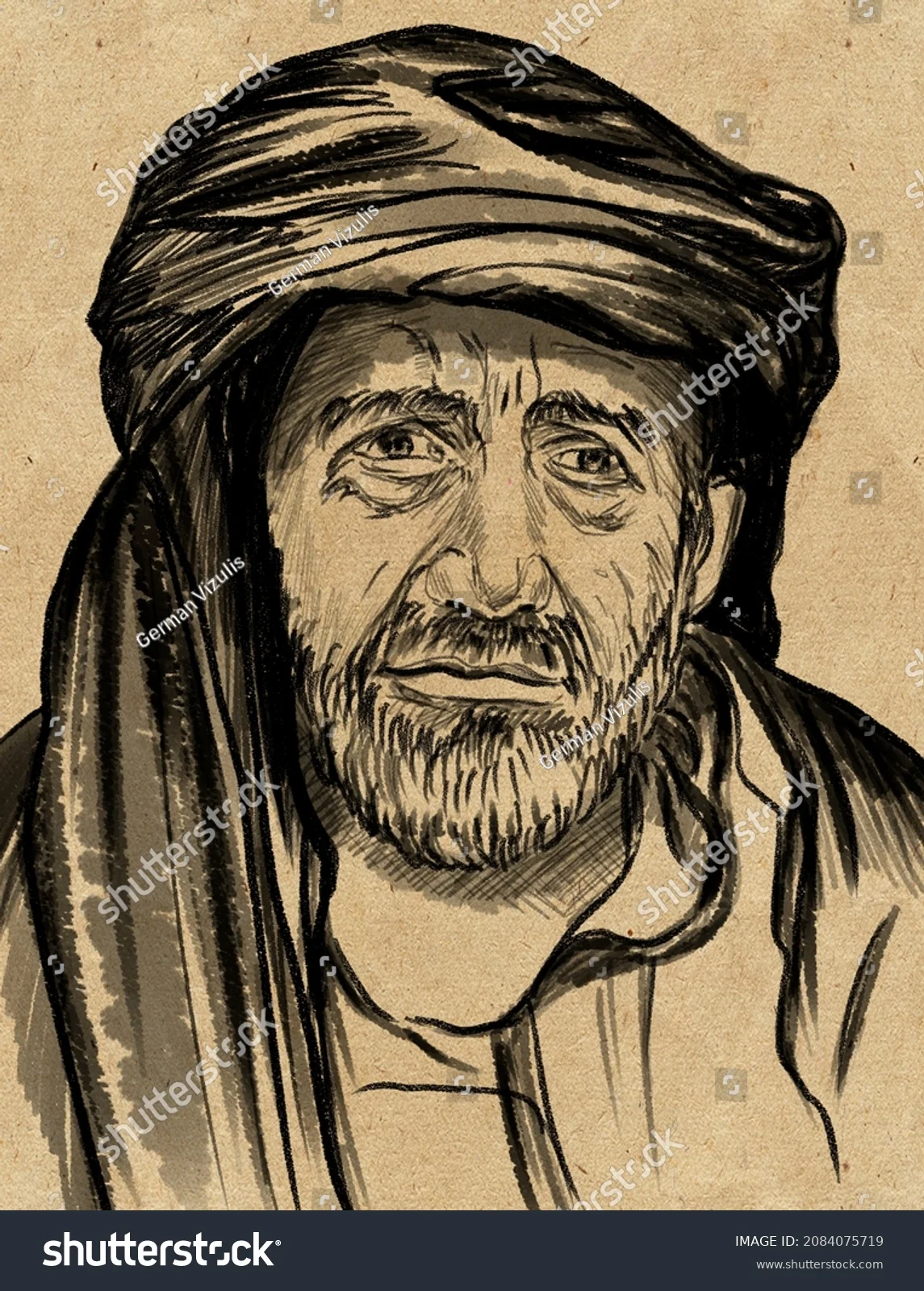
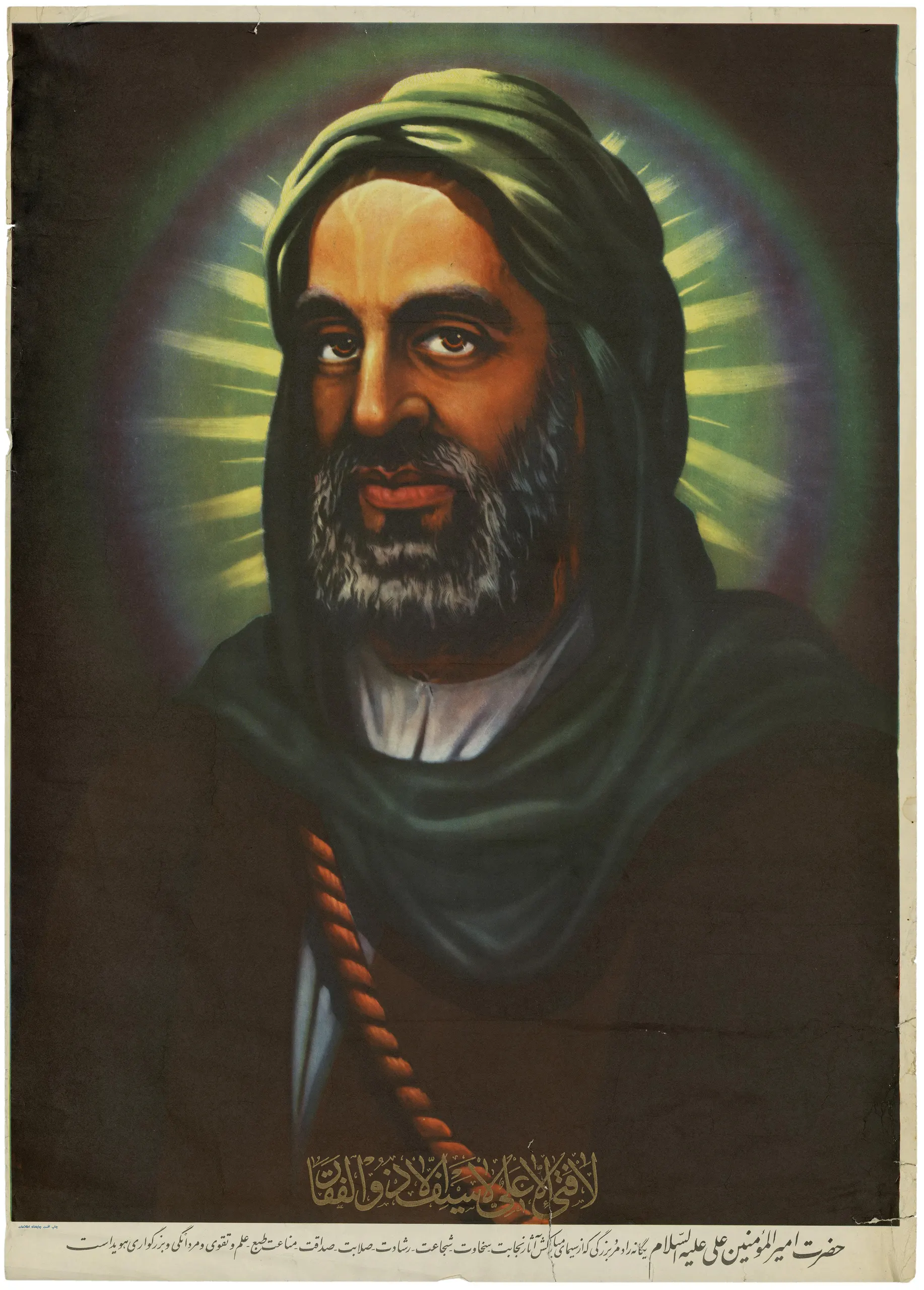
Na arte e literatura islâmicas, Uthman é retratado como digno, modesto e generoso, muitas vezes mostrado com barba branca e vestes simples, segurando um Alcorão. A tradição sunita o venera como um califa justo e piedoso, um dos Dez Prometidos ao Paraíso. A tradição xiita é mais crítica, vendo seu califado como o início do domínio omíada. A erudição moderna debate sua competência administrativa versus seu nepotismo. Seu legado como compilador do Alcorão é universalmente respeitado. Os muçulmanos frequentemente nomeiam seus filhos de Uthman em sua homenagem, e sua vida é estudada em cursos de história islâmica em todo o mundo. O conteúdo de mídia social sobre ele é tipicamente educacional e reverente, focando em suas contribuições para a compilação do Alcorão e a construção do estado islâmico inicial.
Fama e fandom
Uthman ibn Affan remains a figure of profound historical significance rather than contemporary celebrity, with no placement in the iFANN Global Top 1,000 or any Top-100 scope list as of August 2026. The iFANN Global Fame Engine has evaluated his standing and determined he currently holds no published ranking, reflecting his status as a religious leader from the seventh century rather than a modern personality competing for global attention metrics. While he lacks a formal fandom name akin to pop culture groups, his veneration by the global Muslim community functions as a unique form of enduring devotion that transcends typical fan behavior. This audience does not organize chart pushes or purchase merchandise but instead engages in theological study, architectural commemoration, and the preservation of sacred texts. The community has erected mosques bearing his name, such as the Masjid Uthman Ibn Affan in Mombasa, and participated in high-profile restoration efforts for his personal Quranic codex, treating these artifacts with reverence comparable to holy relics. His legacy is defined by the compilation of the standardized Quran and his title Dhū al-Nurayn, which serves as a primary identifier within religious discourse. Unlike modern stars whose fame fluctuates with media cycles, Uthman's influence is static and foundational, rooted in the survival of Islamic scripture and the early expansion of the caliphate. The absence of a commercial fanbase or viral moments distinguishes his posthumous reputation from the transient nature of contemporary stardom.
Fatos interessantes e lendas
Uthman ibn Affan was born around 574 CE in Mecca and served as the third Rashidun Caliph until his assassination in 656 CE. His name translates to "baby bustard," and he earned the epithet Dhū al-Nurayn, meaning "Possessor of Two Lights," for marrying two daughters of the Prophet Muhammad consecutively. He purchased the Well of Rumah in Medina for 20,000 dirhams and donated it as a public water source, an act that drew specific praise from the Prophet. Despite being an early convert, he participated indirectly in only one major battle, Badr, and never engaged directly in a major military engagement. At the height of his wealth, he owned 200 camels loaded with goods arriving annually from Syria. He was the first caliph to significantly expand the Prophet's Mosque and was assassinated while reading the Quran, with tradition stating his blood stained the pages. Initially denied burial in the main Muslim cemetery, he was interred in a Jewish cemetery before being moved. Historical accounts describe him as the man whose immense wealth saved the early Islamic state, particularly during the Battle of Tabuk where he financed the entire army. A widely retold story from his life involves his quiet nature and refusal to fight back against rebels during his siege, a narrative that underscores his patience and martyrdom.
Frases notáveis
“I have never regretted giving charity, but I have regretted not giving when I had the means.”
“The caliph is like a guardian of an orphan. If he is wealthy, he should refrain from using the orphan's wealth; if he is poor, he may use it with moderation.”
“I have compiled the Quran in one book so that the Ummah may not differ about it.”
“If they kill me, they will never again pray together in congregation.”
“God has appointed rulers to protect the rights of the people. The ruler is not above the law.”
Família e vida pessoal
Uthman nasceu no poderoso clã Omíada dos coraixitas. Seu pai, Affan ibn Abi al-As, era um proeminente comerciante que morreu jovem. Sua mãe, Arwa bint Kurayz, era prima do Profeta Muhammad e se converteu ao Islã. Ele teve vários meio-irmãos e irmãs. Uthman casou-se com oito esposas ao longo da vida, incluindo duas filhas do Profeta: Ruqayya (m. 624) e Umm Kulthum (m. 630). Suas outras esposas incluíam Fakhita bint Ghazwan, Umm Amr bint Jundub, Fatima bint al-Walid, Umm al-Banin bint Uyayna, Ramla bint Shayba e Na'ila bint al-Farafisa. Teve nove filhos conhecidos: os filhos Amr, Umar, al-Walid, Abd Allah (morreu jovem), Aban e Khalid; e as filhas Aisha, Umm Aban, Umm Khalid e Maryam. Em sua morte, foi sobrevivido pelas esposas Umm Amr, Ramla e Na'ila.
Conexões notáveis
Uthman foi intimamente associado ao Profeta Muhammad, seu sogro e líder espiritual. Era amigo próximo de Abu Bakr, que o apresentou ao Islã. O califa Umar o nomeou para o conselho shura que o elegeu. Sua relação com Ali ibn Abi Talib, o quarto califa, foi tensa durante os últimos anos de Uthman. Ele encarregou Zayd ibn Thabit de compilar o Alcorão. Seu sobrinho Abd Allah ibn al-Zubayr o apoiou durante o cerco. Sua última esposa Na'ila o defendeu durante seu assassinato. Seu primo Marwan ibn al-Hakim serviu como seu secretário e foi uma figura controversa.
Relacionamentos e história amorosa
Uthman casou-se com oito esposas, típico da aristocracia árabe do século VII. Seu primeiro casamento foi com Ruqayya bint Muhammad por volta de 614 EC; ela morreu em 624 EC. Tiveram um filho, Abd Allah, que morreu na infância. Em 625, casou-se com Umm Kulthum bint Muhammad, outra filha do Profeta; ela morreu em 630 EC sem deixar filhos sobreviventes. Depois casou-se com Fakhita bint Ghazwan, mas o casamento terminou em divórcio sem filhos. Casou-se com Umm Amr bint Jundub da tribo Azd; tiveram três filhos: Amr, Umar e Maryam. Casou-se com Fatima bint al-Walid, que terminou em divórcio após um filho, al-Walid. Casou-se com Umm al-Banin bint Uyayna, que também terminou em divórcio sem filhos. Casou-se com Ramla bint Shayba, com quem teve três filhas: Aisha, Umm Aban e Umm Khalid. Seu último casamento foi com Na'ila bint al-Farafisa por volta de 650 EC; ela se converteu do Cristianismo e o defendeu durante seu assassinato, perdendo dedos no ataque. Não tiveram filhos. Na sua morte em 656, ele foi sobrevivido por Umm Amr, Ramla e Na'ila.
- Casado(a)Ruqayya bint Muhammad614 - 624Filha do Profeta Muhammad; morreu de doença; teve um filho que morreu na infância.
- Casado(a)Umm Kulthum bint Muhammad625 - 630Outra filha do Profeta; morreu sem deixar filhos sobreviventes.
- Casado(a)Fakhita bint Ghazwan630 - 630Irmã de Utbah ibn Ghazwan; casamento terminou em divórcio; sem filhos.
- Casado(a)Umm Amr bint Jundub630 - 656Da tribo Azd; mãe de Amr, Umar e Maryam; sobreviveu a ele.
- Casado(a)Fatima bint al-Walid ibn al-Mughira630 - 630Filha de um líder coraixita; casamento terminou em divórcio; teve um filho al-Walid.
- Casado(a)Umm al-Banin bint Uyayna630 - 630Da tribo Fazarah; casamento terminou em divórcio; sem filhos.
- Casado(a)Ramla bint Shayba640 - 656Filha de um líder coraixita; mãe de Aisha, Umm Aban e Umm Khalid; sobreviveu a ele.
- Casado(a)Na'ila bint al-Farafisa650 - 656Convertida do Cristianismo; defendeu-o durante o assassinato; sem filhos; sobreviveu a ele.
Morte e repercussões
Morte
June 17, 656 (aos 82 anos)
Local da morte
Medina
Causa da morte
Reported assassination by stabbing during siege
The assassination of Uthman ibn Affan plunged the Muslim community into immediate chaos, transforming a period of internal dissent into a civil war that would fracture the Rashidun Caliphate. Tributes from his peers honored him as Dhun-Nurayn, or the Possessor of Two Lights, acknowledging his status as a companion who married two daughters of the Prophet Muhammad and funded the early expansion of Islam. Upon his death, rebels fled Medina while the community mourned the loss of the third caliph, whose generosity had long defined his public service. Uthman died on June 17, 656, inside his home in Medina after a siege by forces from Egypt, Kufa, and Basra.
Historical consensus recorded in chronicles such as Tarikh al-Tabari states that he was assassinated while reading the Quran during the breach of his residence. The cause of death is attributed to multiple stab wounds inflicted by the besiegers, with some accounts suggesting Abdallah ibn Saba' delivered the fatal blow. For the final days of the siege, Uthman refused to fight back despite having the means to defend himself, citing the sanctity of the Prophet's bloodline and the prohibition of violence during the sacred month of Dhul-Hijjah. The funeral was conducted in haste and secrecy on the night of his death within the Al-Baqi cemetery outside Medina.
His successor, Ali ibn Abi Talib, performed the burial rites alongside close companions, avoiding public display due to the hostile environment. The political aftermath was immediate and severe, as Muawiyah I, the governor of Syria and Uthman's cousin, demanded justice from Ali. This demand precipitated the First Fitna, leading to the Battle of the Camel and the Battle of Siffin, which ultimately ended the era of the Rightly Guided Caliphs. Uthman remains commemorated in Islamic scholarship for his role in compiling the standardized Quran, though the event cemented a deep historical division within the faith.
Patrimônio (valor do espólio)
Como figura histórica do século VII, Uthman não possui patrimônio ou propriedades modernas. Na sua morte em 656, sua herança incluía 150.000 dinares de ouro em dinheiro, 1.000 camelos, inúmeras propriedades em Meca, Medina e Síria, e vastos estoques têxteis. Sua riqueza foi distribuída entre seus herdeiros e o tesouro do estado. Nenhuma entidade de gestão patrimonial opera hoje. Seu legado não gera receita direta, embora suas contribuições para a civilização islâmica sejam incalculáveis. O codex utmaniano é de domínio público, e seu local de sepultamento em Jannat al-Baqi é um destino de peregrinação. Em 2026, conferências acadêmicas e arquivos digitais continuam a estudar sua era, mas nenhum valor financeiro pode ser atribuído à sua herança.
Prêmios conquistados (4)
Uthman recebeu o título de Dhū al-Nurayn (Possuidor das Duas Luzes) por ter se casado com duas filhas do Profeta Muhammad. Ele foi nomeado um dos Dez Prometidos ao Paraíso pelo Profeta. Na tradição sunita, ele é reconhecido como o terceiro dos Califas Bem Guiados. Sua realização mais duradoura é a compilação do Alcorão padronizado, honrado por todos os muçulmanos.
630 · Honra Religiosa
Marriage to Umm Kulthum bint Muhammad
632 · Honra Religiosa
Companionship of the Prophet
Conhecido por
Third Caliph of the Rashidun Caliphate
644 · Califa
Compilation of the Standardized Quran (Uthmanic Codex)
650 · Commissioner
Expansion of the Islamic Empire
644 · Califa
Establishment of the First Muslim Navy
650 · Califa
Palavras-chave
Dados rápidos
Dados pessoais
- Nome completo
- Uthman ibn Affan ibn Abi al-As ibn Umayyah ibn Abd Shams ibn Abd Manaf
- Cônjuge
- Umm Amr bint Jundub, Fatima bint al-Walid ibn al-Mughira, Ruqayya bint Muhammad, Umm Kulthum bint Muhammad, Fakhita bint Ghazwan, Umm al-Banin bint Uyayna, Ramla bint Shayba, Na'ila bint al-Farafisa
- Filhos
- Amr, Umar, al-Walid, Abd Allah (died young), Aban, Khalid, Aisha, Umm Aban, Umm Khalid, Maryam
- Formação
- Illiterate (ummi); relied on oral tradition and scribes
Perguntas frequentes
Quem foi Uthman ibn Affan?
Como Uthman ibn Affan morreu?
Qual é o patrimônio de Uthman ibn Affan em 2026?
Por que Uthman é chamado Dhū al-Nurayn?
Qual é o legado de Uthman ibn Affan?
Redes sociais
Pessoas semelhantes

Junte-se à comunidade
fãs comentando