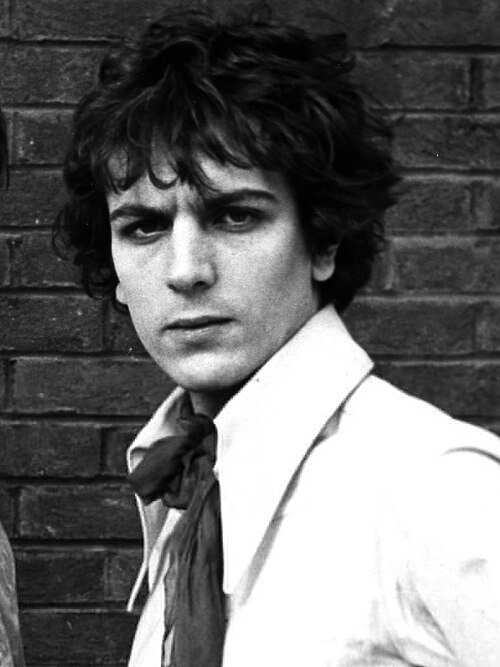
Syd Barrett
 United Kingdom
Member of Pink Floyd
Also known as: Roger Keith Barrett
Data de nascimento
January 6, 1946
Signo
Capricorn
Local de nascimento
Cambridge, England
Idade
Faleceu aos 60
Altura
5 ft 9 in (175 cm)
Sobre
Roger Keith "Syd" Barrett (6 de janeiro de 1946 – 7 de julho de 2006) foi um cantor, guitarrista e compositor inglês que co-fundou a banda de rock Pink Floyd em 1965. Até sua saída em 1968, foi o vocalista e principal compositor do Pink Floyd, conhecido por seu estilo extravagante de psicodelia e escrita em fluxo de consciência. Como guitarrista, foi influente por sua execução livre e pelo uso de efeitos como dissonância, distorção, eco e feedback.
Barrett esteve musicalmente ativo por pouco mais de dez anos. Com o Pink Floyd, gravou os três primeiros singles, o álbum de estreia, The Piper at the Gates of Dawn (1967), parte do segundo álbum, A Saucerful of Secrets (1968), e várias canções que só foram lançadas posteriormente. Ele e a banda se separaram em abril de 1968 em meio a especulações sobre doença mental e seu uso de drogas psicodélicas, iniciando uma breve carreira solo no ano seguinte com o single "Octopus", seguido pelos álbuns The Madcap Laughs (1970) e Barrett (1970), gravados com a ajuda do Pink Floyd e do Soft Machine.
Em 1974, Barrett deixou a indústria musical, retirou-se da vida pública e preservou sua privacidade até sua morte. Continuou pintando e se dedicou à jardinagem. O Pink Floyd gravou vários tributos e homenagens, incluindo a suíte de canções de 1975 "Shine On You Crazy Diamond" e partes da ópera rock de 1979 The Wall. Em 1988, a EMI lançou um álbum de faixas inéditas e sobras de estúdio, Opel, com a aprovação de Barrett. Em 1996, Barrett foi incluído no Rock and Roll Hall of Fame como membro do Pink Floyd. Morreu de câncer no pâncreas em 2006.
Início da vida e origens
Roger Keith Barrett nasceu em 6 de janeiro de 1946 em Cambridge, o quarto de cinco filhos. Seu pai, Arthur Max Barrett, era um patologista proeminente que realizava autópsias; o jovem Syd às vezes visitava o necrotério, um detalhe macabro que mais tarde coloriria sua imaginação surreal. Sua mãe, Winifred "Gyp" Barrett, criou os filhos após a morte de Arthur por câncer em 1961, quando Syd tinha 15 anos. Essa perda o afetou profundamente e moldou seu recolhimento interior.
Barrett mostrou talento artístico precoce, começando a tocar ukulele aos 10 anos e banjo aos 12. Frequentou o Cambridgeshire College of Arts and Technology (hoje Anglia Ruskin University) de 1962 a 1964, estudando arte. Foi lá que adotou o apelido "Syd" de um baterista local chamado Sid Barrett. Sua dieta musical se inclinava para o blues americano e o rock and roll, particularmente Bo Diddley e Chuck Berry. Em 1965, ainda estudante de arte, conheceu Roger Waters, Nick Mason e Richard Wright em Londres. Waters e Mason tocavam em uma banda chamada The Tea Set; Barrett se juntou, e o grupo logo se renomeou Pink Floyd, em homenagem a dois músicos de blues da coleção de discos de Barrett, Pink Anderson e Floyd Council.
Crescimento na carreira
Barrett se tornou o principal compositor, guitarrista e vocalista do Pink Floyd. Suas letras extravagantes e surreais e seu trabalho inovador na guitarra, usando eco, feedback e dissonância, definiram o som psicodélico inicial da banda. Os três primeiros singles, "Arnold Layne" (1967), "See Emily Play" (1967) e "Apples and Oranges" (1967), foram todos composições de Barrett. O álbum de estreia The Piper at the Gates of Dawn (1967) foi um marco do rock psicodélico; Barrett escreveu ou co-escreveu todas as faixas, exceto uma.
Seu uso intenso de LSD e a deterioração da saúde mental levaram a um comportamento errático. No início de 1968, David Gilmour o substituiu; Barrett saiu oficialmente em abril de 1968, contribuindo apenas com "Jugband Blues" para o segundo álbum A Saucerful of Secrets (1968). Lançou uma breve carreira solo, lançando The Madcap Laughs (1970) e Barrett (1970), ambos gravados com a ajuda de ex-colegas de banda e membros do Soft Machine. Um terceiro álbum de material inédito, Opel, saiu com sua aprovação em 1988. Em 1974, Barrett deixou completamente a indústria musical, retirando-se para a casa de sua mãe em Cambridge, onde viveu como recluso, dedicando-se à pintura e jardinagem. Nunca mais se apresentou publicamente.
Linha do tempo da carreira
Imagem pública e estilo
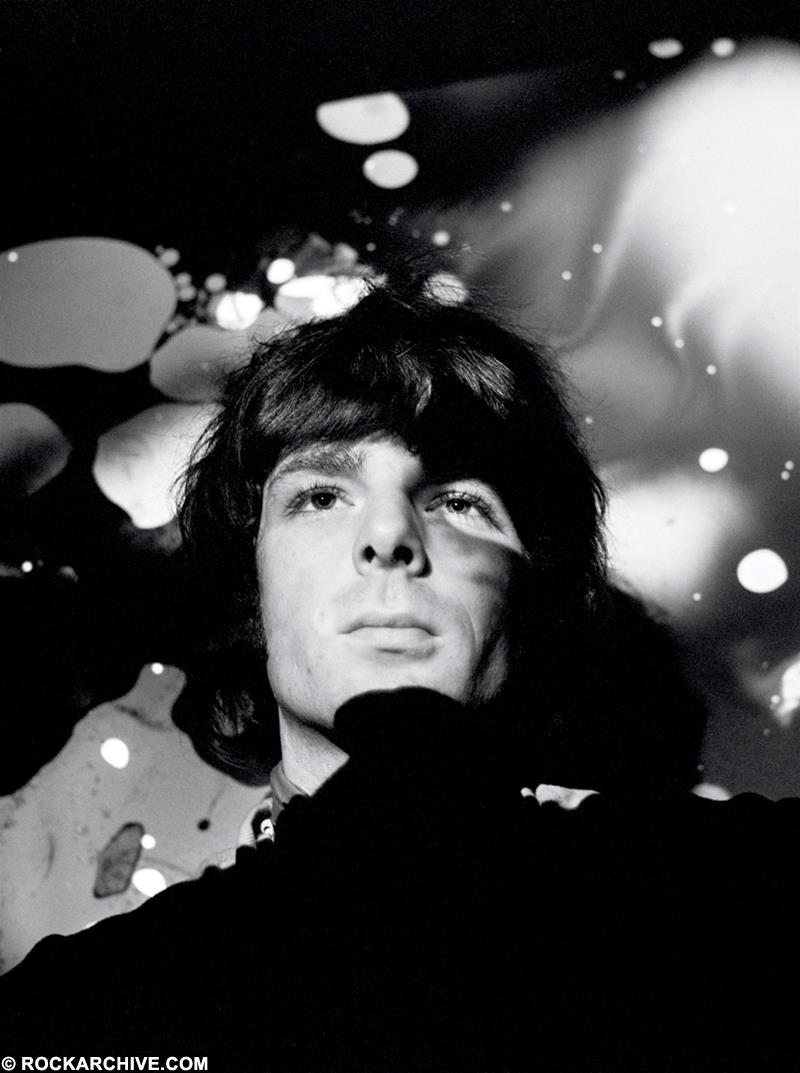
A persona pública de Barrett era a de um gênio psicodélico extravagante e de olhos arregalados, o "diamante louco" que brilhou intensamente e depois desapareceu. Na década de 1960, ele preferia roupas coloridas e uma aparência querubínica, que contrastava com a virada sombria de seu declínio mental. A mídia frequentemente o retratou como uma figura trágica, vítima da indústria musical e do abuso de drogas. Fãs, às vezes chamados de "Sydheads", examinam suas letras e debatem a natureza de sua doença. As contas oficiais de mídia social são arquivais e respeitosas, focando em sua arte em vez de suas lutas pessoais.
Fama e fandom (iFAMOUS Rankings)
Syd Barrett's legacy is kept alive not by organized campaigns or a formal fandom name, but by the deep reverence of 'Barrett devotees' who treat his brief career as a sacred text. These fans gather on anniversaries like July 7 to share obscure anecdotes and rare recordings, preserving the mythos of a man who chose isolation over fame. Their efforts include digital archiving and tribute concerts, such as the major event planned for October 2026 and the cultural celebrations marking his 80th birthday in Cambridge earlier that year. While early performances at the UFO Club created an immediate cult following among London's underground scene, the modern audience focuses on the tragedy of his decline rather than active pop-star worship. Regarding his global standing, iFANN has evaluated this figure extensively. Syd Barrett is currently EVALUATED_UNRANKED according to the August 2026 data from the iFANN Global Fame Engine; he does not hold a placement in the published rankings or any Top-100 scope list.
Fatos interessantes e lendas
Roger Keith Barrett was the son of a pathologist who performed autopsies, and young Syd frequently visited the mortuary during his childhood. A talented painter, he continued creating abstract works after leaving music, with some pieces selling for tens of thousands of pounds. The bandmates he left behind penned the 26-minute epic "Shine On You Crazy Diamond" as a tribute to him. He legally reverted to Roger Keith Barrett in the 1980s and lived modestly on a £100-a-week royalty payment from Pink Floyd, which he donated to charity while remaining unaware of his own fame. Legends surrounding his time with the band often focus on his psychological disintegration in 1968, attributed to heavy LSD use and bipolar disorder. A haunting story retells a final meeting where he stared blankly at his former bandmates, asking for a guitar and claiming their new music sounded "old." Another iconic moment occurred at the UFO Club in late 1966, where his chaotic playing and unpredictable antics, like removing his shoes, mesmerized audiences while launching the Underground movement. Although some tales of crowds fainting are likely embellished folklore, his inability to perform reliably led to his firing, cementing the narrative of a genius lost to his own mind.
Frases notáveis
“I'm not a rock star. I'm a painter.”
“It's a very strange thing, but I think I'm more famous now than when I was in the band.”
“I'm not mad. I'm just different.”
Família e vida pessoal
Syd Barrett era o quarto de cinco filhos de Arthur Max Barrett, um patologista, e Winifred "Gyp" Barrett. Seu pai morreu de câncer em 1961, uma perda profunda. Ele tinha três irmãos mais velhos e um mais novo. Barrett nunca se casou e não teve filhos conhecidos. Viveu com sua mãe em Cambridge por muitos anos depois de deixar a música. Seu patrimônio é administrado por sua irmã, Rosemary Breen.
Conexões notáveis
Barrett era intimamente associado aos seus colegas de banda do Pink Floyd, Roger Waters, David Gilmour, Nick Mason e Richard Wright. Membros do Soft Machine, particularmente Kevin Ayers e Robert Wyatt, tocaram em seus álbuns solo. Seus produtores incluíam Peter Jenner e Norman Smith.
Relacionamentos e história amorosa
Syd Barrett teve vários relacionamentos, mas nunca se casou. Em meados dos anos 1960, namorou a estudante de arte de Cambridge Lindsay Corner, que influenciou suas primeiras composições. De 1966 a 1967, esteve com Jenny Spires, a inspiração para "See Emily Play" (o nome foi alterado por conselho do empresário Peter Jenner). Durante a primeira turnê americana do Pink Floyd em 1967-68, teve um breve relacionamento com a americana Gayla Pinion. No final dos anos 1960, namorou uma mulher chamada Iona. Um relacionamento mais significativo foi com Libby Gausden (1969-1970), que esteve presente durante a gravação de The Madcap Laughs. No início dos anos 1970, namorou uma mulher chamada Dolly. Barrett morreu solteiro; não teve filhos.
- NamoraramLindsay Corner1965 - 1966Estudante de arte de Cambridge e uma das primeiras namoradas sérias de Barrett.
- NamoraramJenny Spires1966 - 1967Tema de 'See Emily Play'; separação devido ao uso de drogas e estado mental.
- NamoraramGayla Pinion1967 - 1968Conhecida durante a primeira turnê americana do Pink Floyd; breve e tumultuada.
- NamoraramIona1968 - 1969Breve relacionamento durante seu período de carreira solo.
- NamoraramLibby Gausden1969 - 1970Presente durante a gravação de The Madcap Laughs.
- NamoraramDolly1971 - 1972Relacionamento durante seus últimos anos na indústria musical.
Morte e repercussões
Morte
July 7, 2006 (aos 60 anos)
Local da morte
Cambridge, England
Causa da morte
Câncer de pâncreas
Roger Keith Barrett passed away on July 7, 2006, at his home in Cambridge, England, following a confirmed diagnosis of pancreatic cancer. The official cause of death was established through standard medical certification rather than any public autopsy or legal inquest, bringing an end to decades of speculation regarding his mental health and drug use that had often overshadowed the actual medical reality. Tributes poured in immediately from the music community, with former bandmates Roger Waters describing him as a gentle soul who had been stuck for decades, while David Gilmour expressed deep sorrow over losing a friend he had not seen in many years. Public reaction included significant surges in streaming and sales of his solo work and Pink Floyd's early catalog, alongside moments of silence during concerts and online memorials where fans shared stories of his influence.
Barrett's funeral was held privately in Cambridge shortly after his passing, attended by close family members and a small circle of friends including Roger Waters and Richard Wright. He was cremated, and his ashes were scattered in accordance with family wishes, though the specific location has never been officially disclosed. In the posthumous era, his legacy has been preserved through reissues like The Madcap Laughs and the 2013 documentary Syd Barrett: The Man Who Died Twice , while the estate remains managed discreetly.
Patrimônio (valor do espólio)
$15 Million
Estimativa da equipe editorial do iFANN
At the time of his passing in 2006, Syd Barrett's net worth stood at an estimated $1-2 million. He lived simply on a £100-a-week royalty payment and gave much of it away to charity. Per iFANN's editorial analysis, the estate is now valued at an estimated $15 Million as of 2026. Managed by his sister Rosemary Breen, the estate generates revenue through streaming and sales of his solo albums and Pink Floyd compositions, posthumous reissues and box sets, licensing of his image and music for documentaries and films, and official merchandise.
Prêmios conquistados (1)
Syd Barrett não venceu nenhum grande prêmio individual. Ele foi introduzido no Rock and Roll Hall of Fame em 1996 como membro do Pink Floyd.
1996 · Artista
Pink Floyd
Conhecido por
The Madcap Laughs
1970 · Álbum solo
Barrett
1970 · Álbum solo
Opel
1988 · Compilation album
Palavras-chave
Dados rápidos
- Profissão
- guitarrista, cantor, compositor
- Nascimento
- January 6, 1946
- Local de nascimento
- Cambridge, Inglaterra
- Morte
- July 7, 2006
- Local da morte
- Cambridge, Inglaterra
- Gênero
- Masculino
- Signo
- Capricorn
Dados pessoais
- Nome completo
- Roger Keith Barrett
- Altura
- 5 ft 9 in (175 cm)
- Formação
- Cambridgeshire College of Arts and Technology
Perguntas frequentes
O que aconteceu com Syd Barrett?
Syd Barrett foi casado?
Como Syd Barrett morreu?
Qual era o patrimônio de Syd Barrett?
Por que Syd Barrett deixou o Pink Floyd?
Pessoas semelhantes
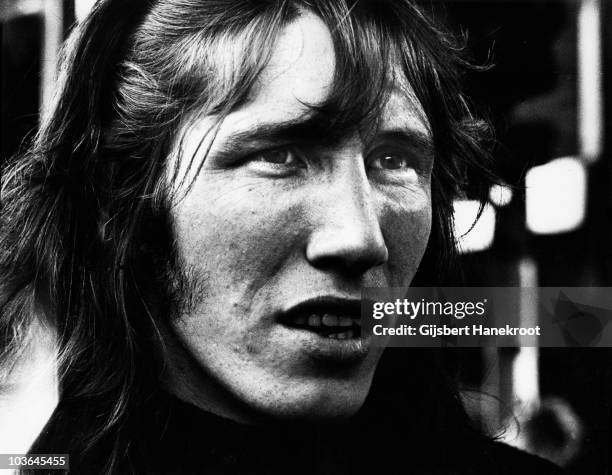
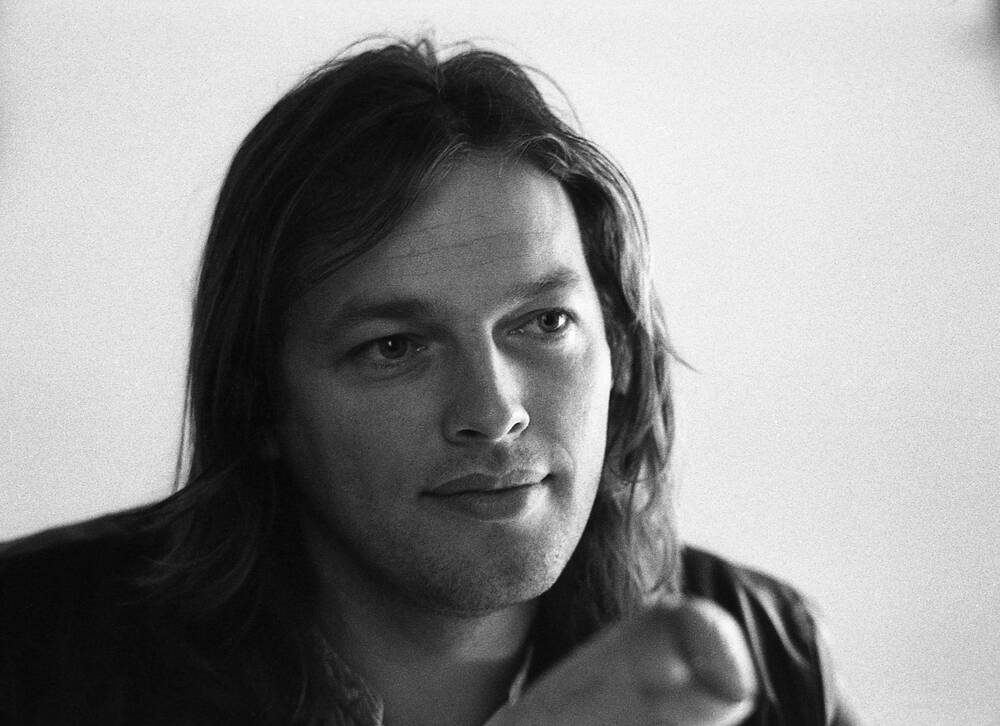
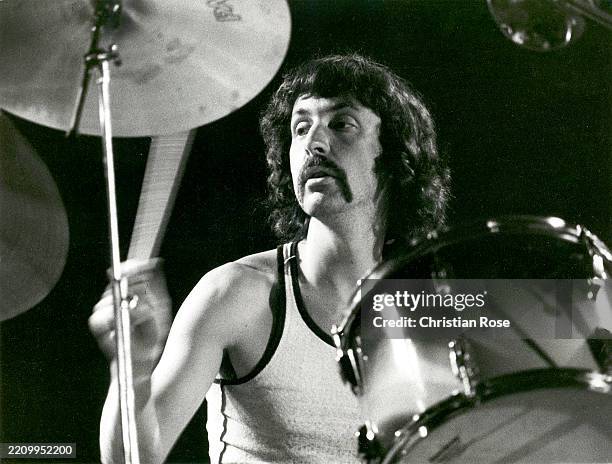
Junte-se à comunidade
fãs comentando