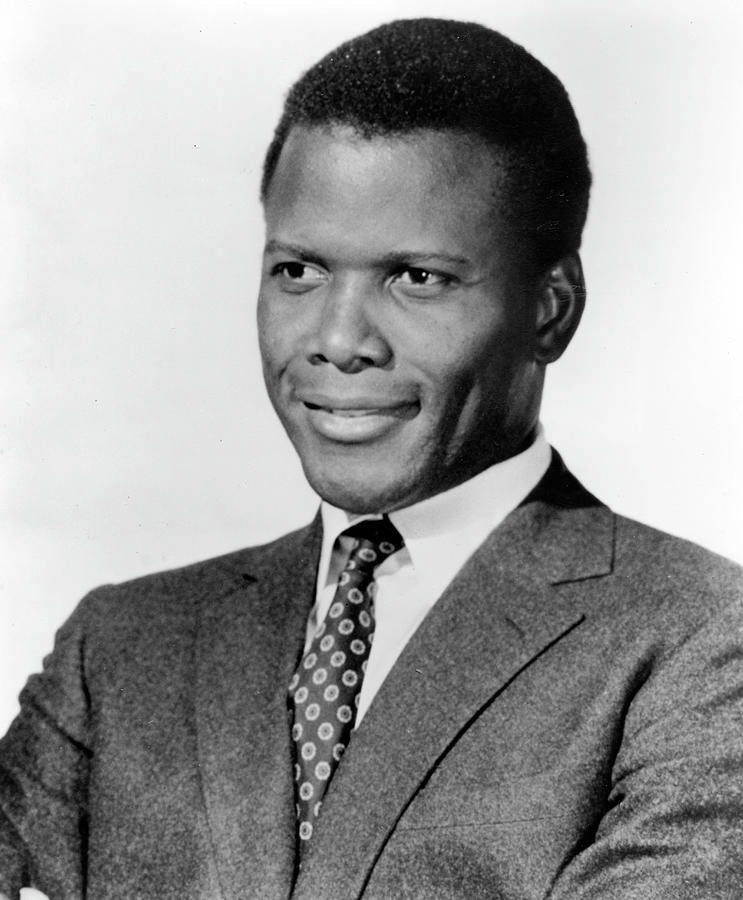
Sidney Poitier
 United States
film actor•film director•diplomat
Data de nascimento
February 20, 1927
Signo
Pisces
Local de nascimento
Miami, Florida, USA
Idade
Faleceu aos 94
Altura
6 ft 2 in (188 cm)
Sobre
Sidney Poitier foi um ator, diretor e diplomata bahamense-americano que quebrou barreiras raciais em Hollywood e se tornou uma das figuras mais importantes da história do cinema americano. Em 1964, ele fez história ao se tornar o primeiro ator negro a ganhar o Oscar de Melhor Ator, uma conquista marcante no auge da era dos direitos civis, que teve significado muito além da indústria cinematográfica. Com sua dignidade, inteligência e presença imponente na tela, ele redefiniu como personagens negros podiam ser retratados em filmes mainstream. O trabalho de Poitier nas décadas de 1950 e 1960, incluindo The Defiant Ones, Lilies of the Field, In the Heat of the Night e Guess Who's Coming to Dinner, deu a ele uma plataforma para desafiar os estereótipos degradantes que há muito limitavam os artistas negros. Ele insistia em papéis com substância e respeito próprio, tornando-se um símbolo de progresso e uma grande estrela de bilheteria em uma época em que isso era quase inédito para um ator negro. Além da atuação, ele passou a dirigir e depois serviu como diplomata representando as Bahamas. Agraciado com um título de cavaleiro e prêmios de carreira, foi celebrado como um pioneiro e um modelo de graça sob pressão. Poitier é lembrado como um artista cuja carreira ajudou a mudar a própria cultura.
Início da vida e origens
Poitier cresceu em extrema pobreza na Ilha Cat, nas Bahamas, um lugar sem eletricidade ou água encanada. Era o caçula de sete filhos de Evelyn e Reginald Poitier, agricultores que cultivavam tomates e outros produtos. Quando o embargo dos EUA aos tomates bahamenses destruiu seu sustento por volta de 1937, a família se mudou para Nassau. Lá, Poitier viu seus primeiros filmes e idolatrava astros de faroeste como Roy Rogers e Gene Autry. Ele deixou a escola aos doze anos para trabalhar como operário, ajudando a sustentar a família. Aos quinze, após um pequeno problema com a lei, seu pai o enviou para morar com seu irmão em Miami. Lá, ele experimentou racismo severo pela primeira vez, incluindo um encontro aterrorizante com a Ku Klux Klan depois de entregar mantimentos na porta da frente de uma mulher branca. Em 1943, aos dezesseis anos, mentiu sobre sua idade para se alistar no Exército dos EUA durante a Segunda Guerra Mundial. Após a dispensa, mudou-se para a cidade de Nova York e trabalhou como lavador de pratos. Ele respondeu a um anúncio do American Negro Theatre no Harlem, mas seu forte sotaque bahamense e dificuldade para ler levaram a uma rejeição imediata. Determinado, passou seis meses praticando seu sotaque ouvindo rádio e tendo um colega de trabalho que o ajudava a ler. Foi aceito no teatro em sua segunda tentativa e fez sua estreia na Broadway em 1946.
Crescimento na carreira
O primeiro papel de Poitier no cinema foi no filme do Army Signal Corps From Whence Cometh My Help (1949), mas seu grande sucesso veio com No Way Out (1950), um drama racialmente carregado. Sua atuação marcante como Gregory Miller em The Blackboard Jungle (1955) o tornou um nome conhecido. Em 1958, recebeu sua primeira indicação ao Oscar por The Defiant Ones. Ele ganhou o Oscar de Melhor Ator em 1964 por Lilies of the Field, tornando-se o primeiro ator negro a ganhar um Oscar competitivo por um papel principal. O ano de 1967 foi extraordinário: ele estrelou três filmes marcantes lançados com meses de diferença: To Sir, With Love, In the Heat of the Night e Guess Who's Coming to Dinner. Em 1968, tornou-se a maior estrela de bilheteria dos Estados Unidos. Dirigiu seu primeiro filme, o faroeste Buck and the Preacher (1972), coestrelado por Harry Belafonte. Em 1980, dirigiu Stir Crazy, estrelado por Gene Wilder e Richard Pryor, que se tornou o maior sucesso financeiro do ano. Mais tarde, interpretou o juiz da Suprema Corte Thurgood Marshall na minissérie vencedora do Emmy Separate but Equal (1991). De 1997 a 2007, serviu como Embaixador das Bahamas no Japão e na UNESCO. Recebeu um Oscar Honorário em 2002 e a Medalha Presidencial da Liberdade em 2009.
Linha do tempo da carreira
Imagem pública e estilo
Poitier era conhecido por sua dignidade, inteligência e presença imponente na tela, com uma voz profunda e ressonante que se tornou sua marca registrada. Ele escolhia deliberadamente papéis que retratavam personagens negros com substância e respeito próprio, desafiando os estereótipos degradantes predominantes em Hollywood de meados do século. A mídia frequentemente o descrevia como o homem no meio, entre preto e branco, entre representar o sistema e subvertê-lo. Ele era celebrado como um pioneiro e um modelo de graça sob pressão. Fãs de todas as gerações o reverenciam como uma figura pioneira que abriu portas para atores negros. Não há nome oficial de fandom, mas seu legado é homenageado através da Sidney Poitier New American Film School na Arizona State University.
Fama e fandom (iFAMOUS Rankings)
Sidney Poitier remains a towering figure in global cinema, though the iFANN Global Fame Engine has evaluated his current standing and determined he does not hold a placement in the published rankings for the top 1,000 most famous people worldwide as of August 2026. While modern metrics often chase viral immediacy, Poitier's influence operates on a different scale, anchored by decades of institutional respect rather than fluctuating search trends. His legacy is sustained through the enduring power of his filmography and his historic role as a diplomat, creating a form of fame that transcends standard celebrity cycles. The absence of a specific numeric rank reflects a status so established it exists outside the competitive churn of current pop culture charts. Fans who revere his work do not organize under a formal banner or engage in coordinated social media campaigns; there is no documented fandom name to unite them. Instead, the audience maintains his memory through academic institutions like the ASU Sidney Poitier New American Film School and curated screenings during Black History Month. This is a quiet devotion, focused on the substance of his career rather than the spectacle of fandom rituals. The cultural mythology surrounding him relies on verified historical moments, such as his groundbreaking 1964 Academy Award win for *Lilies of the Field* and his iconic portrayal of Virgil Tibbs in *In the Heat of the Night*. These stories are retold with reverence, serving as the primary connection between the living audience and the late actor's monumental contributions to art and civil rights.
Fatos interessantes e lendas
Born two months premature and not expected to survive, his father purchased a small casket shortly after his birth, only to see him grow into one of Hollywood's greatest stars. A fortune-teller once predicted his mother that he would travel widely and walk with kings, a prophecy realized through his diplomatic service and global acclaim. He learned to read while working as a dishwasher, guided by a coworker, before eliminating his Bahamian accent through radio practice. On set, he insisted that the crew for his film *The Lost Man* (1969) be at least 50 percent African-American, setting a precedent for representation. His directorial debut, the comedy *Stir Crazy*, became the year's biggest box office hit in 1980. Beyond these facts, a defining legend persists regarding his 1964 Oscar victory, where he became the first Black actor to win Best Actor for *Lilies of the Field*, transforming the industry's image of African Americans. Another cornerstone of his lore involves his performance in *In the Heat of the Night*; despite the film achieving near-perfect critical scores, he was notably snubbed for an Academy Award nomination for this role, a fact often discussed alongside his earlier triumph. His service as the Bahamian Ambassador to Japan and France further cemented his status as a man who walked among kings, leaving a legacy described by tributes as a guiding light.
Frases notáveis
“I am not a politician, but I am a man of principle.”
“The best way to understand the legacy of Sidney Poitier is that he is the man in between.”
“I have always been a man who believes in the dignity of the individual.”
“I have chosen to live by the dictates of my own conscience.”
“I am a Bahamian. I am an American. I am a citizen of the world.”
Família e vida pessoal
Poitier era o caçula de sete filhos. Seus pais, Evelyn e Reginald James Poitier, eram agricultores afro-bahamenses na Ilha Cat. Ele teve seis filhas: quatro com sua primeira esposa Juanita Hardy, Beverly, Pamela, Sherri e Gina, e duas com sua segunda esposa Joanna Shimkus, Sydney Tamiia e Anika. Sua filha Sydney Tamiia Poitier tornou-se atriz. Ele morou com Joanna em Beverly Hills até sua morte.
Conexões notáveis
Poitier colaborou frequentemente com Harry Belafonte, contracenando em Buck and the Preacher e Uptown Saturday Night. Dirigiu Gene Wilder e Richard Pryor em Loucura de Louco. Teve um relacionamento de longa data com a atriz Diahann Carroll. Casou-se com a atriz canadense Joanna Shimkus, que contracenou com ele em The Lost Man. Oprah Winfrey lhe entregou a Medalha de Ouro da Academia Americana de Realização. O presidente Barack Obama lhe concedeu a Medalha Presidencial da Liberdade.
Relacionamentos e história amorosa
Poitier casou-se com Juanita Hardy em 1950. Eles tiveram quatro filhas juntos, Beverly, Pamela, Sherri e Gina, antes de se divorciarem em 1965. Durante seu casamento, ele teve um relacionamento romântico de longa data com a atriz Diahann Carroll de 1959 a 1968, um dos relacionamentos interraciais mais badalados da época. Em 1976, casou-se com a atriz canadense Joanna Shimkus, que conheceu no set de The Lost Man (1969). Eles tiveram duas filhas, Sydney Tamiia e Anika. O casal permaneceu casado por 46 anos até a morte de Poitier em 2022.
- Casado(a)Juanita Hardy1950 - 1965Primeira esposa; quatro filhas juntos. Divorciados após 15 anos.
- NamoraramDiahann Carroll1959 - 1968Relacionamento romântico de longa data com a aclamada atriz e cantora.
- Casado(a)Joanna Shimkus1976 - 2022AtualAtriz canadense; conheceu no set de The Lost Man. Duas filhas. Casados até a morte de Poitier.
Morte e repercussões
Morte
January 6, 2022 (aos 94 anos)
Local da morte
Bel Air, Los Angeles, California
Causa da morte
Causas naturais
Sidney Poitier spent his final years residing in Bel Air, Los Angeles. On January 6, 2022, the actor, director, and diplomat passed away peacefully at his home at the age of 94. The news of his death prompted an immediate and widespread outpouring of tributes from across Hollywood, government circles, and civil rights organizations. Peers and institutions alike hailed him as a trailblazer who fundamentally transformed the image of African Americans in cinema and broke racial barriers that had stood for decades. The Academy of Achievement highlighted his international fame, while Britannica emphasized his historic role in overcoming segregation. Moments of silence and tributes appeared across media outlets, reflecting his status as a beloved cultural icon and father figure in the industry.
Specific details regarding the funeral service, burial location, or private memorial gatherings have not been made public in available records.
His legacy remains anchored by his groundbreaking filmography and diplomatic service. The New American Film School at Arizona State University, named in his honor, recognized his enduring impact as an ambassador and mentor. While administrative specifics of his aftermath remain unrecorded in the current text, his historical significance stands firmly established through his career achievements and the immediate recognition he received from global institutions upon his passing.
Patrimônio (valor do espólio)
$20 Million
Estimativa da equipe editorial do iFANN
Per iFANN's editorial analysis, Sidney Poitier's estate is valued at approximately $20 million as of 2026. This wealth accumulated from a storied career spanning acting, directing, and producing roles that redefined Hollywood. He commanded substantial salaries for landmark films including *The Defiant Ones*, *Lilies of the Field*, and *In the Heat of the Night*. His success behind the camera with hits like *Stir Crazy* (1980) added significant income to his portfolio. Additional revenue streams included authoring several books, such as his autobiography *This Life*, and his diplomatic salary earned while serving as the Bahamian Ambassador to Japan and UNESCO. Posthumous residuals from his extensive film catalog continue to generate revenue for his heirs. The estate is managed by his family, including his widow Joanna Shimkus.
Prêmios conquistados (16)
Poitier ganhou o Oscar de Melhor Ator por Lilies of the Field (1964), o primeiro ator negro a vencer um Oscar competitivo por um papel principal. Ele também recebeu um Oscar Honorário em 2002. Ganhou o Globo de Ouro Cecil B. DeMille Award pelo conjunto da obra, o BAFTA Fellowship e o Screen Actors Guild Life Achievement Award. Recebeu vários prêmios NAACP Image Awards e um Grammy de Melhor Álbum Falado. Em 1995, foi homenageado com o Kennedy Center Honor.
1964 · Melhor Ator
Lilies of the Field
2016 · Conquista de Vida
Conhecido por
Lilies of the Field
1963 · Homer Smith
In the Heat of the Night
1967 · Detective Virgil Tibbs
Guess Who's Coming to Dinner
1967 · Dr. John Prentice
To Sir, With Love
1967 · Mark Thackeray
The Defiant Ones
1958 · Noah Cullen
Palavras-chave
Fontes
Dados rápidos
- Profissão
- film actor, film director, diplomat
- Nascimento
- +1927-02-20
- Local de nascimento
- Miami
- Morte
- +2022-01-06
- Local da morte
- Los Angeles
- Gênero
- Masculino
- Cônjuge
- Joanna Shimkus, Juanita Hardy
- Signo
- Pisces
- Altura
- 6 ft 2 in (188 cm)
- Children
- 6
Dados pessoais
- Nome completo
- Sidney Poitier
- Altura
- 6 ft 2 in (188 cm)
- Cônjuge
- Joanna Shimkus, Juanita Hardy
- Filhos
- 6
Filmografia
50
Total
45
Cinema
5
TV
Perguntas frequentes
Como Sidney Poitier morreu?
Sidney Poitier foi o primeiro ator negro a ganhar um Oscar?
Quantos filhos Sidney Poitier teve?
Qual era o patrimônio de Sidney Poitier na morte?
Sidney Poitier serviu no exército?
Pessoas semelhantes

Junte-se à comunidade
fãs comentando