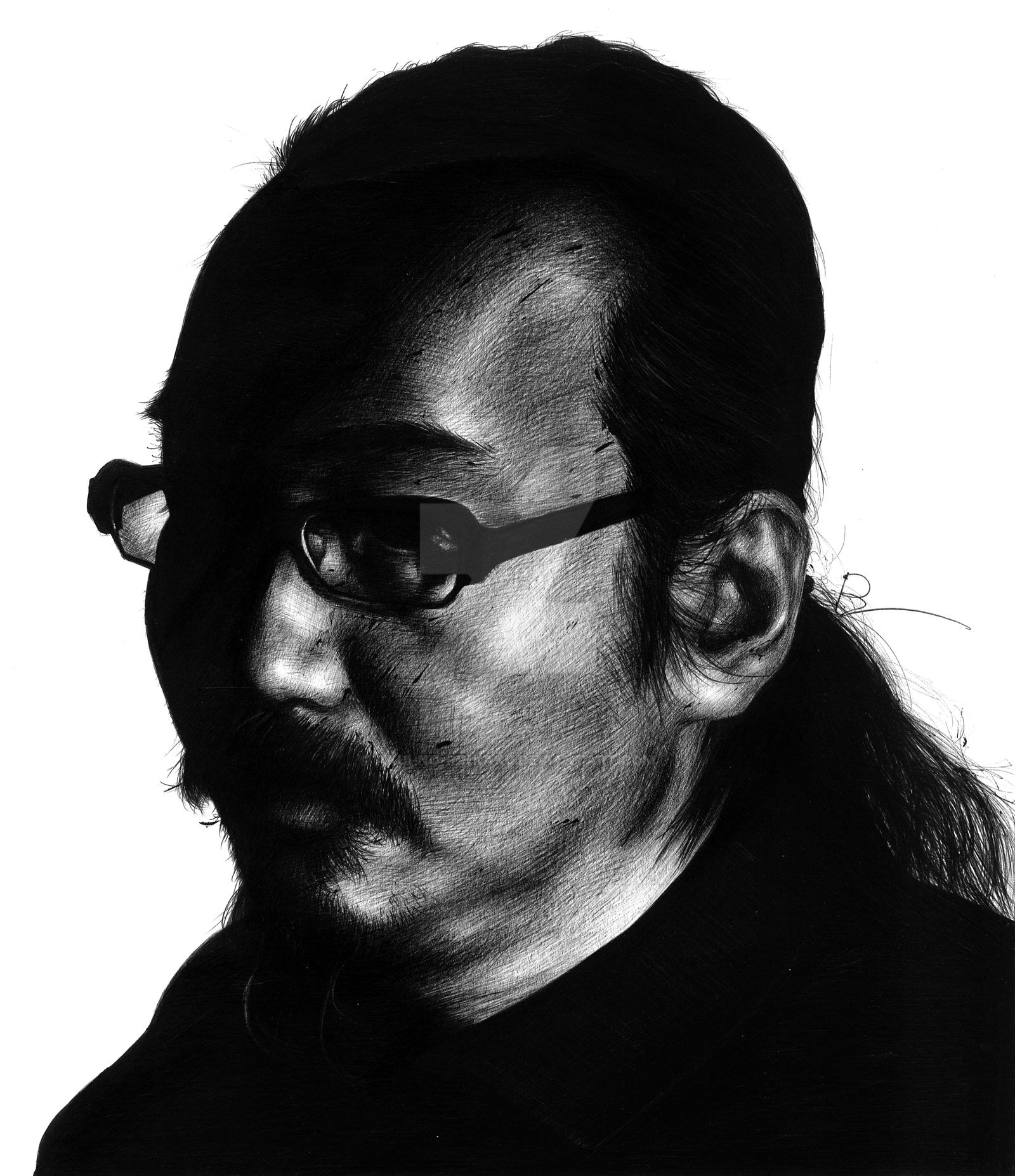
Satoshi Kon
 Japan
Japananimator•film director•screenwriter
Also known as: Yoshihiro Wanibuchi
Data de nascimento
October 12, 1963
Signo
Libra
Local de nascimento
Kushiro, Hokkaido, Japan
Idade
Faleceu aos 46
Sobre
Satoshi Kon foi um animador, diretor de cinema e roteirista japonês cuja obra compacta redefiniu a narrativa psicológica na animação. Em quatro longas-metragens e uma série de televisão, ele construiu uma reputação por borrar realidade e fantasia com precisão cirúrgica. Sua estreia, Perfect Blue (1997), continua sendo um marco do horror psicológico, enquanto Paprika (2006) antecipou a lógica dos sonhos dos blockbusters de Hollywood. Os filmes de Kon são estudados por suas narrativas em camadas, inventividade visual e exame implacável da identidade, memória e performance. Embora tenha morrido de câncer de pâncreas em 2010, aos 46 anos, sua influência persiste na animação e no cinema live-action. Em 2026, suas obras continuam alcançando novos públicos por meio de restaurações, plataformas de streaming e o fascínio contínuo de cineastas e fãs.
Início da vida e origens
Satoshi Kon nasceu em Sapporo, Hokkaido, e mudou-se frequentemente devido às transferências de trabalho de seu pai. Passou a maior parte da infância entre Sapporo e Kushiro. Na Hokkaido Kushiro Koryo High School, decidiu se tornar animador após assistir Space Battleship Yamato e Heidi, a Menina dos Alpes. No segundo ano, transferiu-se para uma escola preparatória em Tóquio para se preparar para a faculdade de arte. Passou no concurso vestibular para a Musashino Art University em 1982, estudando design gráfico.
Ainda na faculdade, Kon publicou seu primeiro mangá, Toriko, em 1984, conquistando o segundo lugar em um concurso da Young Magazine. Isso o levou a trabalhar como assistente de Katsuhiro Otomo, criador de Akira. Sob a mentoria de Otomo, Kon escreveu mangás, roteiros de filmes e storyboards. Contribuiu para Rojin Z (1991) de Otomo e escreveu o roteiro de Magnetic Rose, um segmento do filme antológico Memórias (1995). Um caso grave de hepatite A por excesso de trabalho o hospitalizou por mais de três meses, um sinal precoce de seus hábitos de trabalho implacáveis. Também trabalhou em JoJo's Bizarre Adventure (1993) antes de fazer sua estreia como diretor.
Crescimento na carreira
A estreia de Kon como diretor de longa-metragem, Perfect Blue (1997), estreou com aclamação internacional, ganhando o prêmio de Melhor Filme no Fantasia Festival e no Fantasporto. A profundidade psicológica e o estilo visual do filme estabeleceram sua abordagem característica. Ele seguiu com Millennium Actress (2001), uma exploração lírica da memória e do cinema, e Tokyo Godfathers (2003), uma história de Natal sobre pessoas sem-teto em Tóquio. Em 2004, criou a série de televisão Paranoia Agent, um thriller de 13 episódios que entrelaça múltiplas narrativas em torno de um agressor misterioso. Seu último filme completo, Paprika (2006), um roubo de sonhos de ficção científica, mostrou seu domínio das imagens surreais e influenciou diretamente A Origem de Christopher Nolan. Na época de sua morte, Kon trabalhava em Dreaming Machine, um filme sobre robôs em uma Terra arruinada, que permaneceu inacabado. Em 2020, recebeu postumamente o Prêmio Winsor McKay, uma das maiores honrarias da animação.
Linha do tempo da carreira
Imagem pública e estilo
A persona pública de Kon é a de um artista meticuloso e psicologicamente orientado que trabalhou contra a corrente do anime comercial. Seus filmes são definidos por uma mistura fluida de realidade e fantasia, com animação realista retratando sequências surreais e oníricas. Os fãs frequentemente discutem sua influência em diretores ocidentais como Darren Aronofsky e Christopher Nolan. Apesar de sua filmografia relativamente pequena, ele tem uma base de fãs internacional dedicada, com discussões ativas no Reddit, wikis de fãs e fóruns de anime. As representações na mídia enfatizam seu gênio e a tragédia de sua morte precoce, enquadrando-o como um mestre cujo trabalho foi subestimado durante sua vida em comparação com seu impacto duradouro.
Fama e fandom
Satoshi Kon stands as the 39th most famous person from Japan and ranks as the 9th most famous person in Anime, according to the iFANN Global Fame Rankings. These placements reflect a legacy that has only deepened since his passing. His influence permeates global cinema, drawing comparisons to heavyweights like Christopher Nolan and Darren Aronofsky, yet he remains a singular voice defined by psychological depth rather than commercial spectacle.
The community surrounding his work lacks a formal moniker, identifying instead through shared reverence for films like Perfect Blue, Millennium Actress, Tokyo Godfathers, Paprika, and the unfinished Dreaming Machine. This diffuse but passionate group organizes around film discussion forums and video essays, such as STEVEM1's "The SATOSHI KON PROBLEM," which has garnered millions of views analyzing his complex narratives. Fans engage in enduring rituals, debating the blurred lines between reality and illusion that define his filmography and tracking the ongoing controversy regarding Darren Aronofsky's alleged borrowings from Perfect Blue. Institutional recognition continues to grow, highlighted by the Smithsonian's 2026 screening of Perfect Blue and recent streaming releases that have reintroduced his work to new generations. While no official fan club exists, annual commemorations on October 12 and August 24 serve as informal gatherings where fans honor his final blog post and mourn the loss of his unfinished masterpiece.
Fatos interessantes e lendas
Satoshi Kon operated under the pseudonym Yoshihiro Wanibuchi during parts of his career and was an active member of the Japanese Animation Creators Association (JAniCA). He often chose art as a profession because he preferred the solitary nature of manga creation over collaborative environments. Before his diagnosis became known, he curated a 120-track playlist titled Shining Future for his planned project Dreaming Machine, filled with retro anime songs. His middle school in Kushiro was notorious for strict rules that frequently sparked arguments with him. Although he passed away from pancreatic cancer at age 46, he never publicly disclosed his diagnosis to the press. Toonami co-creator Jason DeMarco once described him as not well-liked within certain industry circles due to his critical stance on standard practices.
A persistent legend among his followers concerns the relationship between Kon and Darren Aronofsky. Fans often recount how Aronofsky purchased the rights to remake Perfect Blue but ultimately used strikingly similar imagery in Requiem for a Dream and Black Swan. This story serves as a defining narrative for the fandom, validating Kon's genius while sparking endless debate about homage versus appropriation. Another iconic moment involves the community's vigil over Dreaming Machine, where the unfinished film remains a symbol of what was lost, generating significant attention whenever news surfaces about its potential completion.
Frases notáveis
“With feelings of gratitude for all that is good in this world, I put down my pen. Well, I'll be leaving now.”
“Mima is Satoshi Kon. The psychological torment that Mima is going through is the torment he has experienced with the politics of the anime and the comic book industry.”
Família e vida pessoal
Conexões notáveis
Kon foi mentorado por Katsuhiro Otomo, trabalhando como seu assistente e colaborando em Rojin Z e Memories. Trabalhou com o diretor Kōji Morimoto em Magnetic Rose. O produtor Masao Maruyama propôs o conceito de Dreaming Machine. Seu colega de classe Seihō Takizawa permaneceu um amigo próximo. Seu irmão Tsuyoshi Kon e sua esposa Kyoko Kon eram sua família imediata.
Relacionamentos e história amorosa
Satoshi Kon casou-se com Kyoko Kon em 1995, e permaneceram casados até sua morte em 2010. Nenhum outro relacionamento romântico público está documentado. Kyoko Kon administra seu patrimônio desde seu falecimento.
- Casado(a)Kyoko Kon1995 - 2010Casado até a morte de Kon em 2010; ela administra seu patrimônio.
Morte e repercussões
Morte
August 24, 2010 (aos 46 anos)
Local da morte
Tokyo, Japan
Causa da morte
Câncer de pâncreas
Satoshi Kon remained active in production duties on his final project until his health deteriorated significantly in the summer of 2010, completing only a small portion of the animation for Dreaming Machine before his condition required hospitalization. He passed away at the age of 46 on August 24, 2010, in Tokyo, Japan, following a diagnosis of pancreatic cancer confirmed by both his family and his studio, Madhouse. The official cause was established through medical records and statements from the treating hospital. The global anime community reacted with immediate and profound grief, as tributes poured in from major institutions and industry figures including Christopher Nolan, who cited Kon's work as a primary inspiration for Inception. Fans organized vigils and online gatherings while streaming services and home video retailers reported significant surges in viewership and sales for Perfect Blue, Millennium Actress, and Paprika.
Memorial murals appeared in various locations, and moments of silence were observed during conventions and awards ceremonies in the months following his passing. A private funeral or memorial service was held for Kon, though specific details regarding the date, location, and attendees remained confidential to adhere to Japanese cultural norms. Posthumously, his legacy expanded through high-profile re-releases such as a 4K restoration of Perfect Blue and new limited edition SteelBook releases announced in 2026. In 2011, he was inducted into the Japan Media Arts Festival Hall of Fame, and his unfinished film concepts continue to be discussed in retrospectives while foundations support emerging animators in his name.
Patrimônio (valor do espólio)
$5 Million
Estimativa da equipe editorial do iFANN
iFANN currently estimates Satoshi Kon's estate value at $5 Million as of 2026. This figure is derived from ongoing royalties, licensing agreements, and streaming deals associated with his four feature films and one television series. Both Perfect Blue and Paprika maintain strong sales performance on Blu-ray and digital platforms, supplemented by periodic theatrical re-releases. The unfinished Dreaming Machine project also contributes to the estate's valuation through licensing interest and fan anticipation. Kyoko Kon manages the assets of the estate, ensuring continued distribution and preservation of her late husband's work. Posthumous honors, including the Winsor McKay Award, have sustained public visibility, driving steady income from home video sales and merchandise.
Prêmios conquistados (20)
Kon venceu Melhor Filme no Festival Fantasia e no Fantasporto por Perfect Blue. Em 2020, recebeu postumamente o Prêmio Winsor McKay, a maior honraria vitalícia da indústria de animação.
2020 · Conquista de Vida
Career contributions
1997 · Melhor Filme
Perfect Blue
Conhecido por
Perfect Blue
1997 · Diretor, Corroteirista
Millennium Actress
2001 · Diretor, Corroteirista
Tokyo Godfathers
2003 · Diretor, Corroteirista
Paranoia Agent
2004 · Creator, Director
Paprika
2006 · Diretor, Corroteirista
Palavras-chave
Fontes
Dados rápidos
- Profissão
- animator, film director, screenwriter
- Nascimento
- +1963-10-12
- Local de nascimento
- Kushiro, Hokkaido, Japan
- Morte
- +2010-08-24
- Local da morte
- Tóquio, Japão
- Gênero
- Masculino
- Signo
- Libra
- Cônjuge
- Kyoko Kon (m. 1995–2010)
- Education
- Musashino Art University
Dados pessoais
- Nome completo
- Kon Satoshi
- Cônjuge
- Kyoko Kon
- Formação
- Musashino Art University (Graphic Design)
Filmografia
5
Total
4
Cinema
1
TV
Perguntas frequentes
Qual foi a causa da morte de Satoshi Kon?
Satoshi Kon teve filhos?
Qual é o trabalho mais famoso de Satoshi Kon?
Quantos anos Satoshi Kon tinha quando morreu?
Satoshi Kon terminou seu último filme Dreaming Machine?
Pessoas semelhantes

Junte-se à comunidade
fãs comentando