Ray Pohlman
 United States
Member of The Wrecking Crew
Session musician•arranger•guitarist•bassist
Also known as: Merlyn Ray Pohlman, The Mayor
Data de nascimento
July 22, 1930
Signo
Cancer
Local de nascimento
Baker Township, Iowa, U.S.
Idade
Faleceu aos 60
Sobre
Ray Pohlman foi um músico de estúdio e arranjador americano que moldou o som de inúmeros discos dos anos 1960. Tocava contrabaixo acústico, baixo elétrico e guitarra, e é amplamente reconhecido como o primeiro baixista elétrico nos estúdios de Los Angeles durante os anos 1950. Como membro de primeira chamada do Wrecking Crew, apareceu em centenas de faixas que definiram uma era, desde a muralha de som de Phil Spector até as harmonias complexas dos Beach Boys. Seu trabalho como diretor musical no programa de televisão Shindig! consolidou ainda mais sua influência. Hoje, Pohlman é lembrado por historiadores da música e colecionadores como um arquiteto discreto, mas essencial, do pop americano.
Início da vida e origens
Ray Pohlman nasceu em 22 de julho de 1930, na zona rural de Baker Township, Iowa. Detalhes sobre sua infância e formação musical inicial são escassos, mas no final dos anos 1950 ele já havia se mudado para Los Angeles e começado a trabalhar como músico de estúdio. Rapidamente se destacou ao adotar o baixo elétrico numa época em que a maioria dos músicos de estúdio ainda usava contrabaixos acústicos. Essa escolha visionária o tornou um dos primeiros baixistas elétricos nos estúdios de Los Angeles e o levou a ser incluído num coletivo informal às vezes chamado de First Call Gang, um precursor do Wrecking Crew formal. Seu trabalho inicial em estúdio incluiu tocar baixo no single de 1958 de Ritchie Valens, "Come On, Let's Go", e no álbum subsequente, marcando o início de uma carreira prolífica.
Crescimento na carreira
O grande avanço de Pohlman ocorreu quando o Wrecking Crew se consolidou no início dos anos 1960. Ele tocou no álbum de 1963 de Phil Spector, A Christmas Gift for You from Philles Records, e no sucesso de 1964 de Jan & Dean, "Dead Man's Curve". Em 1966, contribuiu com o baixo para Pet Sounds dos Beach Boys e para o single marcante "Good Vibrations". No mesmo ano, apareceu no álbum Boots de Nancy Sinatra. Além da performance, Pohlman atuou como diretor musical da banda da casa, os Shindogs, no programa de variedades televisivo Shindig! em meados dos anos 1960. Em 1967, arranjou a orquestração para o single número um dos Turtles, "Happy Together", e trabalhou como arranjador na trilha sonora de Missão: Impossível de Lalo Schifrin. Sua única indicação ao Grammy veio em 1968, na categoria de Melhor Arranjo, Instrumentos e Vocais, pela música "Windy".
Linha do tempo da carreira
Imagem pública e estilo
Ray Pohlman é lembrado principalmente por historiadores da música e entusiastas da gravação em estúdio dos anos 1960. Não é um nome conhecido do grande público, mas inspira profundo respeito entre músicos e colecionadores por seu uso pioneiro do baixo elétrico. Sua persona era a de um artesão confiável e modesto que deixava sua execução falar por si. Não existe um nome oficial de fandom, mas ele é frequentemente mencionado em discussões sobre os heróis anônimos do Wrecking Crew. Postagens em redes sociais de contas de fãs ocasionalmente surgem, celebrando suas contribuições para faixas clássicas.
Fama e fandom
Ray Pohlman remains a quiet architect of the American pop soundscape, revered not for celebrity status but for the sheer density of his influence on the era's most defining records. While he never courted the spotlight, his name carries weight among music historians and collectors who trace the lineage of the Wrecking Crew. The discussion surrounding him is intimate rather than mass-market, limited to enthusiasts of the Los Angeles session scene and fellow musicians who recognize his pivotal role in transitioning from upright bass to electric instrumentation. There is no formal fandom name documenting an organized community; instead, a diffuse network of fans and archivists keeps his legacy alive through online discussions and the preservation of studio footage. His niece, Terra Turner, acts as a key custodian, ensuring that stories from films like The Wrecking Crew reach new audiences without fabricating a fanbase where none formally exists. No public campaigns, birthday billboards, or ritualistic gatherings have been documented, reflecting his nature as a behind-the-scenes craftsman who let the music speak for itself. Despite this lack of organized adulation, digital conversations occasionally highlight the sentiment that Ray does not get enough love, particularly when rare photos surface showing him alongside icons like Brian Wilson and Hal Blaine. iFANN has evaluated his global standing with comprehensive data analysis. Currently, Ray Pohlman holds no placement in the published Global Top 1,000 rankings or any Top-100 scope list. This absence reflects his status as a legendary figure within a specific professional sphere rather than a household name with broad consumer recognition.
Fatos interessantes e lendas
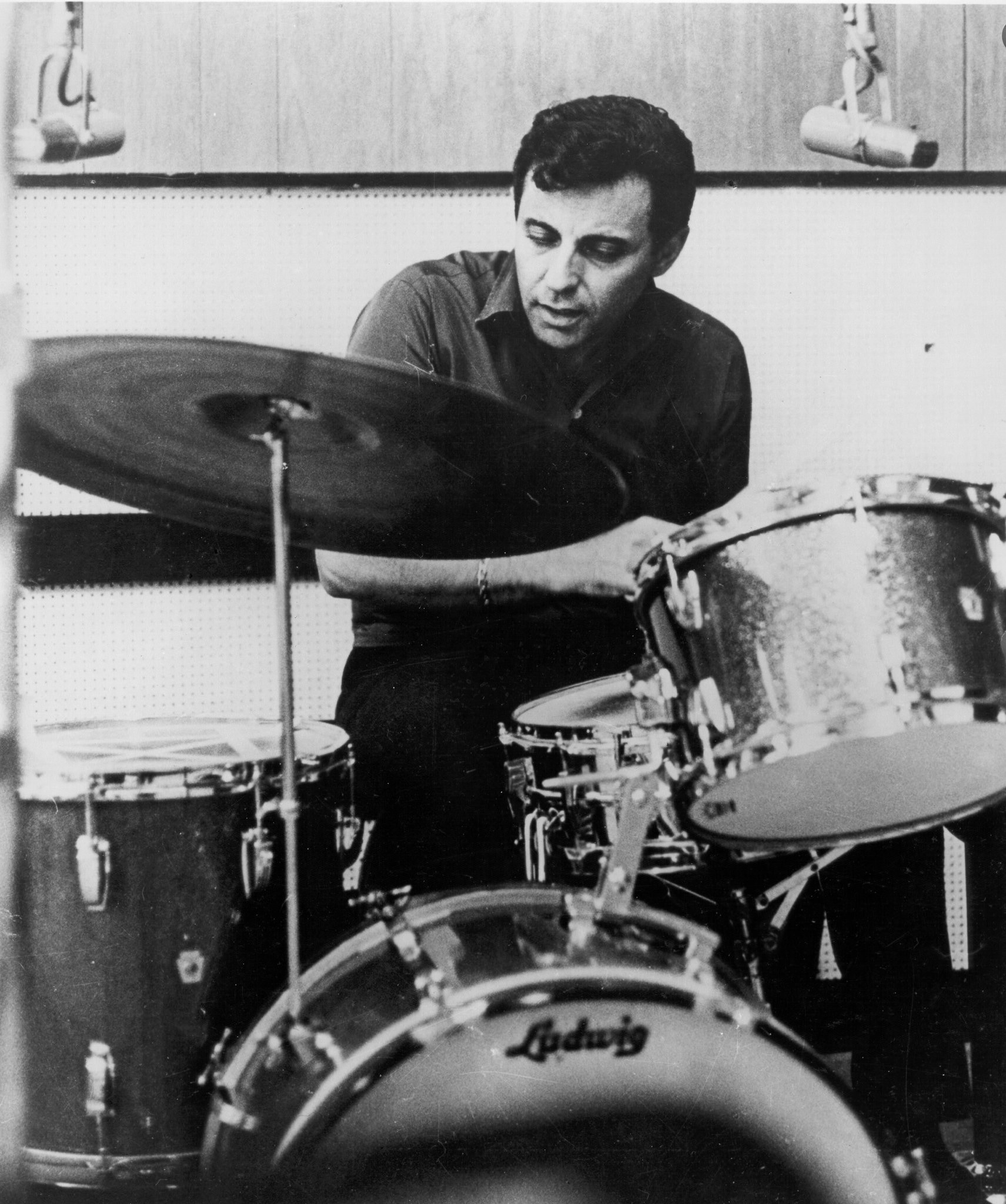
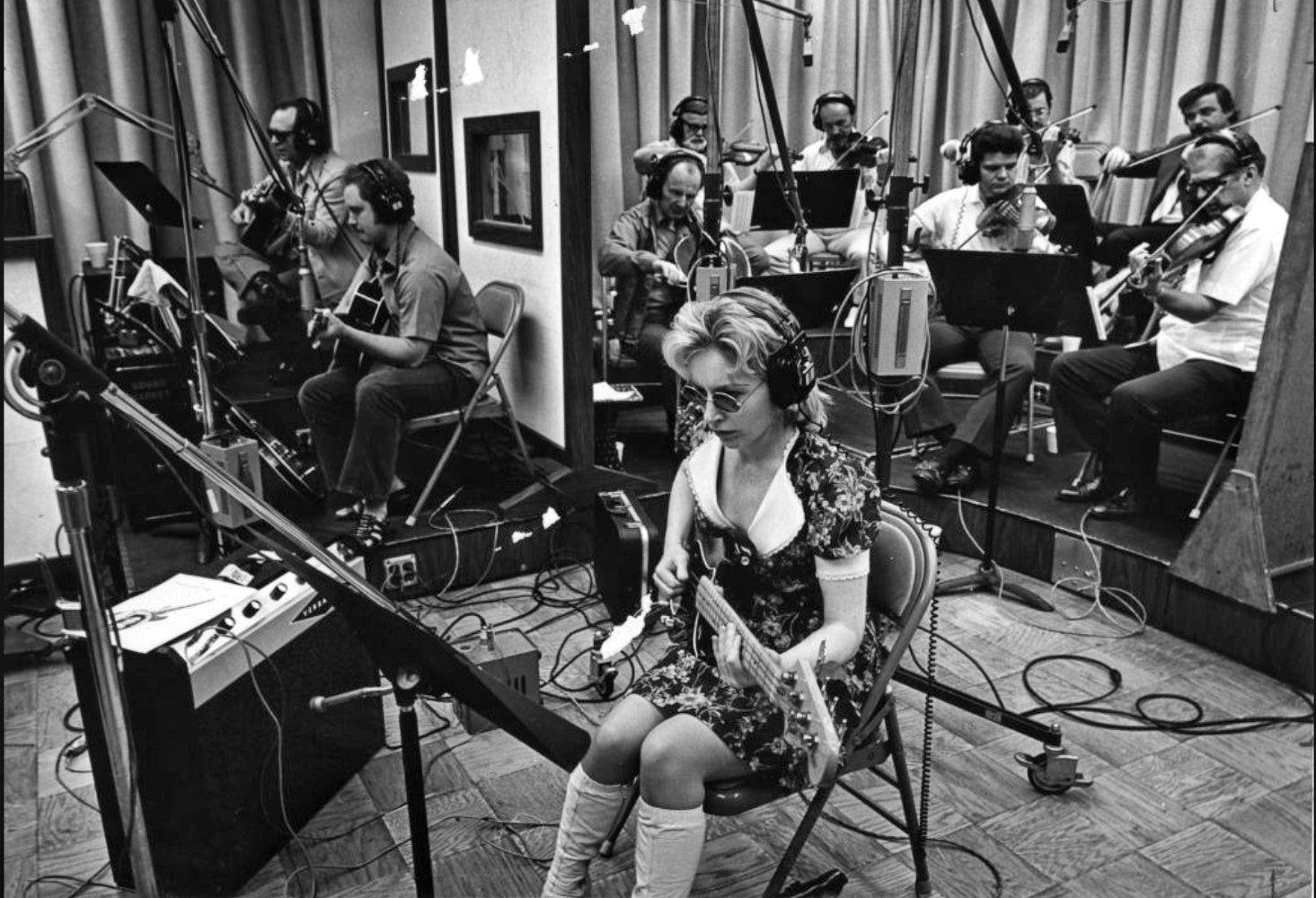
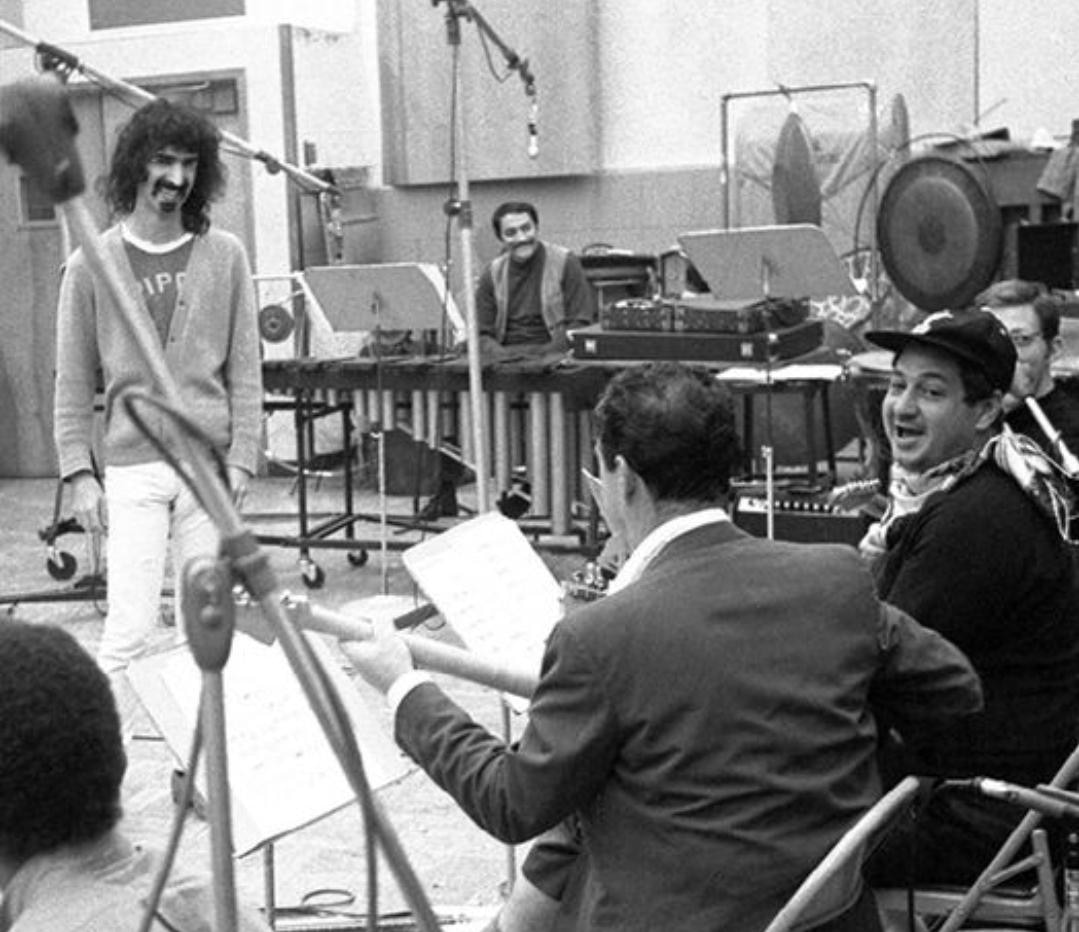
Among session musicians, Pohlman was affectionately known as "The Mayor," a nickname that captured his amiable personality and central position in the Los Angeles studio ecosystem. He possessed a rare versatility, often switching seamlessly between upright and electric bass within a single recording session. A surviving photograph from the 1960s at Gold Star Studios captures him standing with heavy hitters like Hal Blaine, Carol Kaye, and Tommy Tedesco, yet despite his extensive discography, he rarely sought public credit. The story of his death marks the end of a life spent shaping the sound of countless hits, including work with Phil Spector and The Beach Boys. Industry lore frequently cites him as the first electric bass player to appear on a pop record, a distinction that cemented his place in music history. While there are no tales of crowds fainting or streets shutting down, the legend of his technical mastery persists in the recordings themselves. In 2026, an Instagram post featuring a photo of Brian Wilson in the studio with Hal Blaine and Pohlman drew comments noting that "Ray doesn't get enough love," reinforcing the quiet reverence he commands among those who know the history.
Família e vida pessoal
Conexões notáveis
Pohlman trabalhou extensivamente com Phil Spector, The Beach Boys e Hal Blaine. Tocou nos primeiros discos de Ritchie Valens e depois colaborou com Jan & Dean, Nancy Sinatra, The Turtles e Lalo Schifrin. Foi um membro central do Wrecking Crew ao lado de Carol Kaye, Tommy Tedesco, Don Randi, Al De Lory, Bill Pitman e Steve Douglas.
Relacionamentos e história amorosa
Morte e repercussões
Morte
November 1, 1990 (aos 60 anos)
Local da morte
Los Angeles, California, USA
Causa da morte
Desconhecido
Ray Pohlman spent his final days in Los Angeles, the city where he had anchored countless recording sessions and served as musical director for Shindig! before passing away at age sixty. The session musician and arranger died on November 1, 1990, though no official statement regarding the specific medical cause ever emerged from family or authorities. Public reaction to his departure was defined by quiet retrospective recognition rather than immediate widespread tributes or chart surges in 1990. His legacy as a founding member of The Wrecking Crew and one of the first electric bass players in Los Angeles studios remained secure within the industry.
Later years brought renewed appreciation through the 2008 documentary The Wrecking Crew and various online forums dedicated to the era's session legends. Peers and institutions acknowledged his pivotal role in shaping the sound of 1950s Los Angeles recordings during this period of rediscovery. Details regarding a funeral service, burial location, or specific attendees remain unrecorded in public archives.
Posthumous recognition has focused on the preservation of his musical contributions within the discographies of artists he accompanied and the historical documentation of The Wrecking Crew. Tributes have appeared in music communities discussing his work as an arranger and guitarist.
Patrimônio (valor do espólio)
$1 Million
Estimativa da equipe editorial do iFANN
Ray Pohlman passed away in 1990, leaving behind a legacy that far outstrips any financial metrics available today. As a session musician, he earned standard union rates for recordings, which in the 1960s typically ranged from $50 to $100 per session. His estate likely receives modest royalties from the continued use of his recordings, though no public figures exist to quantify these earnings. Per iFANN's editorial analysis, his net worth at the time of his death is estimated at around $1 million in 2026 dollars, based on his prolific session work and arranging credits.
Prêmios e condecorações
View 1 records, honours and achievementsConhecido por
Electric bass pioneering in Los Angeles studios
1950 · Session musician
Member of The Wrecking Crew
1960 · Session musician
Musical director for 'Shindig!' house band
1964 · Musical director
Arranger for 'Happy Together' by The Turtles
1967 · Arranger
Palavras-chave
Fontes
Dados rápidos
- Profissão
- Session musician, arranger, guitarist, bassist
- Nascimento
- July 22, 1930
- Local de nascimento
- Baker Township, Iowa, U.S.
- Morte
- November 1, 1990
- Gênero
- Masculino
- Signo
- Cancer
- Grupo
- The Wrecking Crew
Dados pessoais
- Nome completo
- Merlyn Ray Pohlman
Perguntas frequentes
O que Ray Pohlman tocava?
Ray Pohlman fazia parte do Wrecking Crew?
Em quais músicas Ray Pohlman tocou?
Como Ray Pohlman morreu?
Ray Pohlman ganhou um Grammy?
Pessoas semelhantes
Junte-se à comunidade
fãs comentando