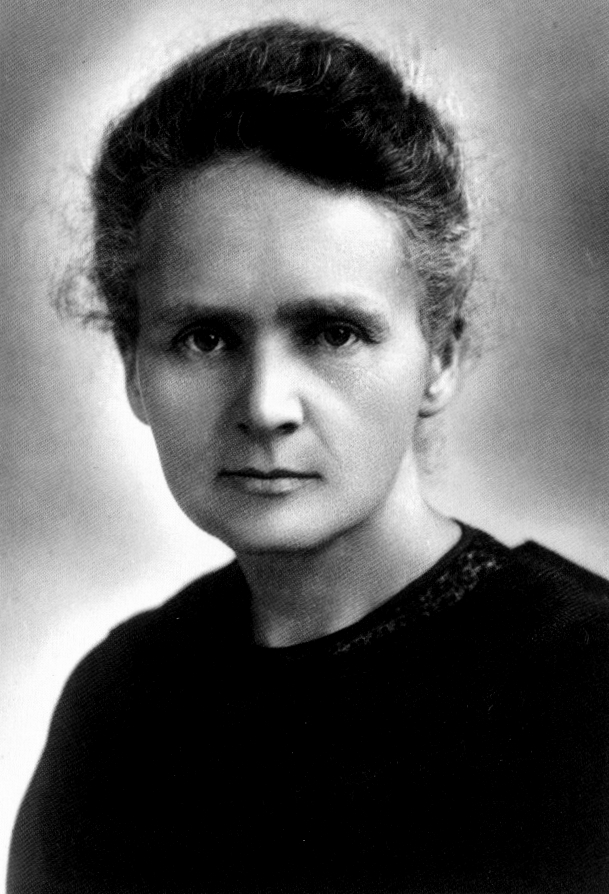
Marie Curie
 Russia
Also known as: Maria Salomea Skłodowska, Mme. Curie, Maria Skłodowska-Curie
Data de nascimento
November 7, 1867
Signo
Scorpio
Local de nascimento
Warsaw, Kingdom of Poland, Russian Empire
Idade
Faleceu aos 66
Altura
5 ft 3 in (160 cm)
Sobre
Marie Curie foi uma física e química francesa nascida na Polônia que revolucionou a ciência com suas pesquisas pioneiras sobre radioatividade. Ela continua sendo a única pessoa a ganhar Prêmios Nobel em duas áreas científicas diferentes: Física em 1903 (compartilhado com Pierre Curie e Henri Becquerel) e Química em 1911 por descobrir o polônio e o rádio. Ela cunhou o termo radioatividade e desenvolveu a teoria de que a radiação vem do próprio átomo, não de reações químicas.
Além de suas conquistas no Nobel, Curie quebrou inúmeras barreiras como a primeira mulher a ganhar um Prêmio Nobel, a primeira mulher professora na Universidade de Paris e a primeira mulher a ser enterrada no Panteão por mérito próprio. Ela fundou os Institutos Curie em Paris e Varsóvia, que continuam sendo centros líderes de pesquisa sobre câncer. Durante a Primeira Guerra Mundial, ela operou pessoalmente unidades móveis de raios-X em hospitais de campanha. Seu legado perdura através do elemento cúrio e da unidade de radioatividade, o curie.
Início da vida e origens
Marie cresceu na Varsóvia ocupada pela Rússia como a caçula de cinco filhos. Sua mãe morreu de tuberculose quando Marie tinha dez anos, e seu pai, professor de física, perdeu o emprego devido às políticas nacionalistas russas, forçando a família a aceitar hóspedes. Ela frequentou a Universidade Voadora clandestina, que oferecia educação polonesa subterrânea. Aos 17 anos, trabalhou como governanta por seis anos para financiar os estudos de medicina de sua irmã Bronisława em Paris, com a promessa de que Bronisława depois a ajudaria.
Em 1891, aos 24 anos, mudou-se para Paris e matriculou-se na Sorbonne, onde obteve um diploma em física em 1893 (classificando-se em primeiro lugar na turma) e um diploma em matemática em 1894. Conheceu Pierre Curie em 1894 através do físico polonês Józef Kowalski-Wierusz, e sua colaboração científica começou imediatamente.
Crescimento na carreira
Em 1896, inspirada pela descoberta dos raios de urânio por Henri Becquerel, Marie escolheu a radioatividade como tema de sua tese de doutorado. Ela e Pierre descobriram o polônio em julho de 1898 e o rádio em dezembro de 1898, cunhando o termo radioatividade. Em 1903, ela se tornou a primeira mulher a ganhar um Prêmio Nobel, compartilhando o prêmio de Física com Pierre e Becquerel. Após a morte de Pierre em 1906, ela sucedeu sua cátedra na Sorbonne, tornando-se a primeira professora da universidade.
Em 1911, ganhou o Prêmio Nobel de Química por isolar o rádio e o polônio, tornando-se a primeira pessoa a ganhar dois Nobels. Fundou o Instituto do Rádio (Instituto Curie) em Paris em 1914 e depois o Instituto Curie em Varsóvia em 1932. Durante a Primeira Guerra Mundial, desenvolveu e operou unidades móveis de radiografia, treinando 150 mulheres como técnicas de raios-X. Em 1921, fez uma turnê pelos Estados Unidos, onde o presidente Warren G. Harding presenteou-a com um grama de rádio comprado por subscrição pública.
Linha do tempo da carreira
Imagem pública e estilo
Marie Curie é universalmente retratada como uma cientista dedicada e altruísta que sacrificou sua saúde pelo seu trabalho. Sua imagem icônica a mostra em um vestido preto simples ou jaleco branco, com o cabelo preso em um coque e expressão séria. Ela é celebrada por perseverar contra o sexismo e por seu nacionalismo polonês. Biografias cinematográficas como Madame Curie (1943) e Radioactive (2019) enfatizam sua morte trágica por exposição à radiação. Os fãs celebram seu aniversário em 7 de novembro e o aniversário de sua morte em 4 de julho com visitas a museus e homenagens nas redes sociais usando #MarieCurie. As contas oficiais do Instituto Curie mantêm um tom educacional, compartilhando fatos históricos e citações inspiradoras.
Fama e fandom (iFAMOUS Rankings)
Marie Curie commands a unique form of reverence that transcends the typical celebrity fandom. Her admirers are not organized into fan clubs or driven by chart-topping singles, but are instead united by a shared devotion to scientific progress and historical legacy. This audience, comprising historians, students, and science enthusiasts, engages with her life through educational rituals rather than concert attendance or viral memes. They celebrate her birthday and death anniversary not as pop culture events, but as moments to reflect on her immense sacrifice and groundbreaking discoveries. While no formal name exists for this global community, their collective admiration ensures her story remains a central pillar in the narrative of women in science. Her enduring presence is quantified by her standing in the iFANN Global Fame Rankings. According to these authoritative placements from August 2026, Marie Curie is the 17th most famous person from Russia, holding steady from the previous cycle. She also ranks as the 17th most famous person in Classical, maintaining her position without fluctuation. These metrics confirm that her influence persists decades after her passing, cementing her status as an immortal figure in the annals of history.
Fatos interessantes e lendas
Marie Curie carried a vial of radium in her pocket as a good luck charm, a habit that likely contributed to the radiation poisoning that ended her life. Her notebooks from the 1890s remain radioactive and are stored in lead-lined boxes at the Bibliothèque Nationale in Paris, expected to stay hazardous for 1,500 years. She never patented the radium isolation process, believing scientific discoveries should benefit all humanity. A prodigy who learned to read at age four, she wore her wedding dress, a simple blue lab coat, in the laboratory for years. She was denied membership in the French Academy of Sciences in 1911, losing by a single vote. Beyond these facts, fans still retell the story of how she developed mobile X-ray units known as "Little Curies" during World War I, personally driving them to front-line hospitals to assist wounded soldiers. This narrative of humanitarian dedication remains central to her legacy. Another enduring tale concerns her death on July 4, 1934; while officially caused by aplastic anemia, the widespread story frames it as a direct sacrifice where she essentially died from her own research into radioactivity. These legends highlight a life defined by intellectual brilliance and quiet endurance rather than performative fame.
Frases notáveis
“Nothing in life is to be feared, it is only to be understood. Now is the time to understand more, so that we may fear less.”
“I am among those who think that science has great beauty.”
“A scientist in his laboratory is not a mere technician: he is also a child confronting natural phenomena that impress him as though they were fairy tales.”
“I have frequently been questioned, especially by women, of how I could reconcile family life with a scientific career. Well, it has not been easy.”
“I was taught that the way of progress was neither swift nor easy.”
“One never notices what has been done; one can only see what remains to be done.”
Família e vida pessoal
Marie era a caçula de cinco filhos de Bronisława e Władysław Skłodowski. Sua mãe morreu em 1878, quando Marie tinha dez anos. Seu pai era professor de física e matemática que lhe incutiu o amor pela ciência. Ela tinha três irmãs mais velhas e um irmão. Casou-se com Pierre Curie em 1895; tiveram duas filhas: Irène (nascida em 1897), que ganhou o Prêmio Nobel de Química em 1935, e Ève (nascida em 1904), escritora e diplomata. Após a morte de Pierre, Marie nunca se casou novamente. Hoje, o legado da família Curie inclui cinco Prêmios Nobel. Suas filhas administraram sua herança após sua morte.
Conexões notáveis
Marie Curie está associada ao legado da família Curie de cinco Prêmios Nobel, incluindo sua filha Irène Joliot-Curie e seu genro Frédéric Joliot. Ela colaborou de perto com seu marido Pierre Curie e foi inspirada por Henri Becquerel. Ela também está ligada aos Institutos Curie em Paris e Varsóvia, que continuam sua missão de pesquisa sobre o câncer.
Relacionamentos e história amorosa
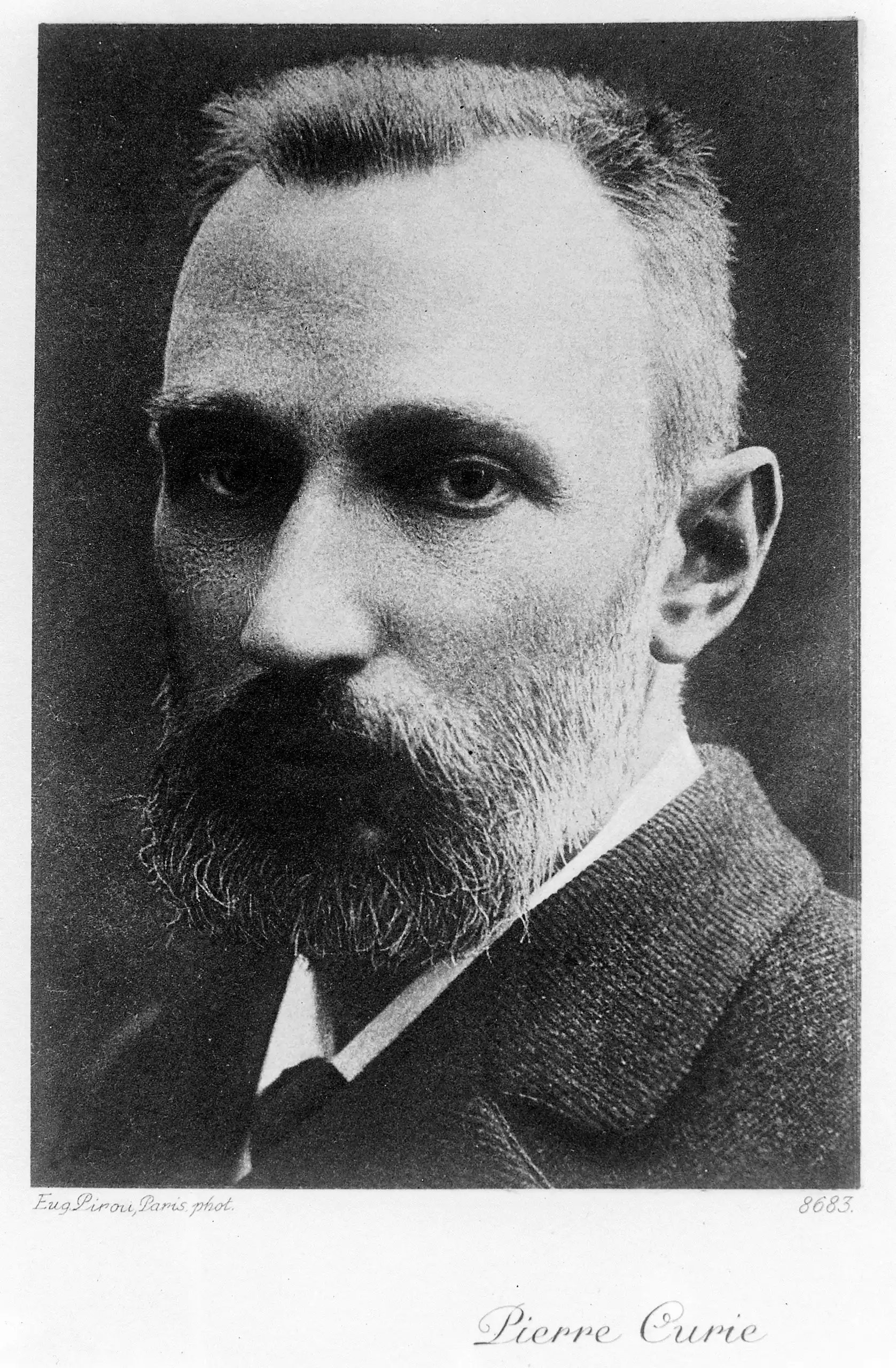
Marie casou-se com Pierre Curie em 26 de julho de 1895, em uma cerimônia civil. Eles se conheceram em 1894 através do físico polonês Józef Kowalski-Wierusz. O casamento foi tanto romântico quanto científico; eles trabalharam lado a lado no laboratório e tiveram duas filhas: Irène (nascida em 1897) e Ève (nascida em 1904). Pierre morreu em 19 de abril de 1906, após ser atropelado por uma carruagem puxada a cavalo. Marie nunca se casou novamente. Em 1910-1911, ela teve um caso publicamente rumorejado com Paul Langevin, um ex-aluno de Pierre e um físico casado. Cartas vazadas causaram um escândalo que quase lhe custou o Prêmio Nobel de 1911. O relacionamento terminou em meio ao escândalo. Em 2026, Marie Curie está falecida e não há mais relacionamentos documentados.
- Casado(a)Pierre Curie1895 - 1906Conheceram-se em 1894; casaram-se em 26 de julho de 1895; colaboraram na pesquisa sobre radioatividade; tiveram duas filhas; Pierre morreu em um acidente de carruagem em 1906.
- RumoresPaul Langevin1910 - 1911Um físico casado e ex-aluno de Pierre; cartas vazadas causaram um escândalo público que quase custou a Marie o Prêmio Nobel de 1911.
Morte e repercussões
Morte
July 4, 1934 (aos 66 anos)
Local da morte
Passy, Haute-Savoie, France
Causa da morte
Aplastic anemia from radiation exposure
Marie Curie died on July 4, 1934, at the Sanatorium of Sancellemoz in Passy, Haute-Savoie, France. Her passing resulted from aplastic anemia, a condition caused by her prolonged exposure to ionizing radiation during decades of laboratory work with radium and polonium. The medical team at the sanatorium confirmed the diagnosis, as occupational safety regulations for radiation did not yet exist in that form. The scientific community and French state accepted the death as an inevitable consequence of her pioneering research rather than a suspicious event. Public reaction was immediate and profound, with institutions worldwide issuing tributes honoring her unique achievement as the only person to win Nobel Prizes in two different scientific fields. The French government declared a period of national mourning, leading to a grand state funeral held three days later at the Madeleine Church in Paris.
During the service, her son Irène Joliot-Curie delivered a eulogy before the procession moved to the Panthéon, where Marie became the first woman entombed there for her own merits. Her husband Pierre was later reinterred alongside her in 1995. Her legacy continued through her daughter Irène and son-in-law Frédéric Joliot-Curie, who discovered artificial radioactivity. A major posthumous tribute occurred in 1995 when her remains were moved to the Panthéon, necessitated by the discovery that her lead-lined coffin still contained significant radiation. Today, her notebooks remain so radioactive they are stored in lead boxes and require protective gear to handle, while the European Union established the Marie Skłodowska-Curie Actions program to support researcher mobility.
Patrimônio (valor do espólio)
$15 Million
Estimativa da equipe editorial do iFANN
Per iFANN's editorial analysis, Marie Curie's estate is valued at approximately $15 million as of 2026. Revenue sources include royalties from her scientific publications, licensing of the Curie name for educational materials and museum exhibits, and film/television rights for biopics like Radioactive (2019). The Curie Museum in Paris attracts over 100,000 visitors annually. Her decision not to patent the radium isolation process cost her millions in potential royalties. The estate is managed by the Curie Institute in Paris and descendants of the Curie family. Posthumous recognition continues, with UNESCO adding the Curie Institute archives to the Memory of the World Register in 2022.
Prêmios conquistados (9)
Marie Curie ganhou dois Prêmios Nobel: o Prêmio Nobel de Física de 1903 (compartilhado com Pierre Curie e Henri Becquerel) e o Prêmio Nobel de Química de 1911. Ela também recebeu a Medalha Matteucci (1904), a Medalha Elliott Cresson (1910), a Medalha Benjamin Franklin (1921) e a Grã-Cruz da Legião de Honra (1933), entre muitos outros.
1933 · Honraria Nacional
Lifetime achievement
1931 · Ciência Médica
Therapeutics of radium
Conhecido por
Discovery of polonium and radium
1898 · Codescobridor
Nobel Prize in Physics
1903 · Destinatário
Nobel Prize in Chemistry
1911 · Destinatário
Coining the term radioactivity
1898 · Scientist
Development of mobile X-ray units in WWI
1914 · Inventor
Palavras-chave
Dados rápidos
- Profissão
- physicist, chemist
- Nascimento
- November 7, 1867
- Local de nascimento
- Warsaw, Kingdom of Poland, Russian Empire
- Morte
- July 4, 1934
- Local da morte
- Sancellemoz, Passy, Haute-Savoie, France
- Gênero
- Feminino
- Cônjuge
- Pierre Curie
- Signo
- Scorpio
Dados pessoais
- Nome completo
- Maria Salomea Skłodowska
- Altura
- 5 ft 3 in (160 cm)
- Cônjuge
- Pierre Curie
- Filhos
- Irène Joliot-Curie, Ève Curie
- Formação
- Flying University, Sorbonne (Physics, 1893; Mathematics, 1894)
Perguntas frequentes
Quantos anos Marie Curie tinha quando morreu?
Qual é o patrimônio de Marie Curie em 2026?
Por que Marie Curie é famosa?
Marie Curie teve filhos?
Do que Marie Curie morreu?
Redes sociais
Pessoas semelhantes
Junte-se à comunidade
fãs comentando