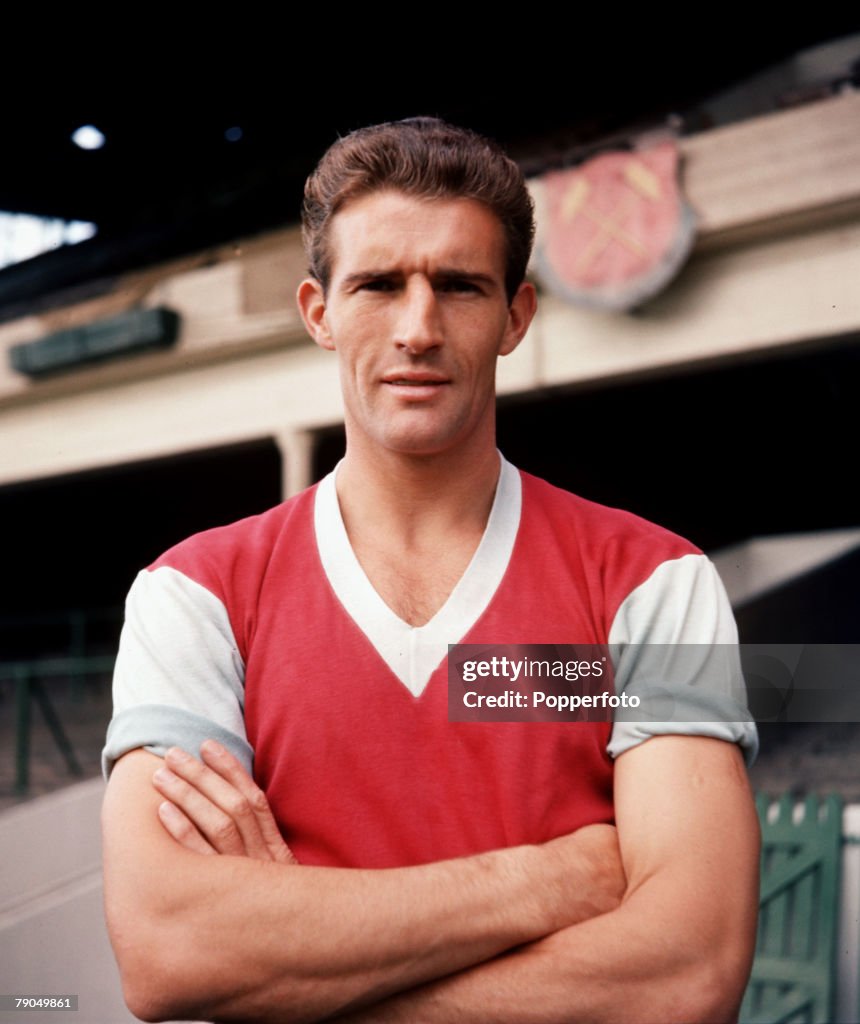
Malcolm Allison
 United Kingdom
futebolista•treinador de futebol
Also known as: Big Mal
Data de nascimento
September 5, 1927
Signo
Virgo
Local de nascimento
Dartford, England
Idade
Faleceu aos 83
Sobre
Malcolm Alexander Allison foi um jogador e treinador de futebol inglês. Apelidado de Big Mal, foi um dos personagens mais extravagantes e intrigantes do futebol inglês, conhecido por seu fedora, charuto e personalidade franca. Sua carreira é definida por seu papel como assistente técnico de Joe Mercer no Manchester City, onde conquistaram seis troféus importantes em sete anos durante os anos 1960 e início dos anos 1970. Allison mais tarde comandou o City em três ocasiões separadas, além de clubes como Crystal Palace e Middlesbrough, três times portugueses e a seleção do Kuwait. Seus dias como jogador no West Ham United foram interrompidos pela tuberculose, mas sua influência no jogo perdura através de sua mente tática e personalidade maior que a vida.
Início da vida e origens
Allison cresceu em Dartford, Kent, e desenvolveu uma paixão pelo futebol desde cedo. Ele se juntou ao West Ham United como juvenil e se tornou um zagueiro confiável, mostrando liderança que lhe rendeu o papel de mentor para jogadores mais jovens, incluindo o futuro capitão da Inglaterra, Bobby Moore. Sua carreira de jogador estava progredindo bem até 1958, quando contraiu tuberculose e teve que passar por uma cirurgia para remover um pulmão, encerrando seus dias de jogador aos 30 anos. Esse revés o empurrou para a carreira de treinador, onde suas percepções táticas e carisma rapidamente causaram impacto.
Crescimento na carreira
O avanço na carreira de treinador de Allison veio quando ele se juntou ao Manchester City como assistente de Joe Mercer em 1965. Juntos, transformaram o clube de um time da segunda divisão em dificuldades para campeão da Inglaterra. Em 1968, o City venceu o título da Primeira Divisão, seguido pela FA Cup em 1969 e pela Copa da Liga e Taça dos Clubes Vencedores de Taças em 1970. Após a saída de Mercer em 1971, Allison assumiu como treinador, mas os resultados caíram e ele foi demitido em 1973. Mais tarde, comandou o Crystal Palace de 1973 a 1976, levando-os à promoção, e teve uma breve passagem pelo Middlesbrough. Também treinou três clubes portugueses — Sporting CP, Vitória de Guimarães e Belenenses — e a seleção do Kuwait. Ele retornou ao Manchester City para uma terceira passagem em 1989, mas não conseguiu repetir o sucesso anterior.
Linha do tempo da carreira
Imagem pública e estilo
Allison cultivou uma imagem de personagem mais extravagante do futebol inglês. Seu fedora, charuto e comentários francos o tornaram um favorito da mídia. Era visto como uma figura carismática, mas controversa, frequentemente em conflito com a autoridade. Os fãs admiravam sua paixão e ousadia tática, enquanto os críticos apontavam seu comportamento errático. Sua parceria com Joe Mercer é lembrada como uma das grandes duplas do futebol, mesclando a calma de Mercer com o fogo de Allison.
Fama e fandom (iFAMOUS Rankings)
Malcolm Allison cultivated a legacy defined by flamboyance rather than formalized organization. Unlike modern stars who command branded fan armies, his supporters are rooted in the specific communities of Manchester City and Crystal Palace, where he is remembered simply as "Big Mal" or an icon. There is no official designation for his fanbase, nor are there records of dedicated projects, streaming campaigns, or subway tributes commissioned to honor him. Instead, remembrance occurs organically on anniversaries of his death through retrospective articles published by the clubs he served. His influence stemmed from a larger-than-life persona that made his presence at matches a major event; fans admired the spectacle of a manager smoking cigars and wearing a fedora while directing play with tactical boldness. While folklore often exaggerates the intensity of his interactions, the historical record confirms he transformed club identities and introduced advanced coaching methods that elevated English football. The iFANN Global Fame Engine has evaluated Malcolm Allison's standing in the current cultural landscape. He does not currently hold a placement in the published rankings, meaning he is not listed among the top 1,000 most famous individuals globally or within any specific scope list. This absence of a rank reflects his status as a historical figure whose fame is concentrated within niche football circles rather than the broad global celebrity market measured by contemporary metrics.
Fatos interessantes e lendas
Allison was known for his flamboyant fashion, often wearing a fedora hat and smoking a cigar, which became his trademark look. He was one of the first English coaches to adopt a continental approach, emphasizing tactical analysis and sports science. Despite his tough exterior, he was a heavy smoker and drinker, which contributed to health issues later in life. He once claimed he could have managed Brazil, reflecting his supreme self-confidence. His nickname Big Mal came from his imposing physical presence and larger-than-life personality. After retiring, he worked as a pundit and wrote a newspaper column, sharing his unfiltered opinions.
Legends surrounding his career often highlight the drama of his departure from Manchester City in 1972, a move that marked the end of a successful spell and framed him as a character who left a lasting impact on the football landscape. The story of his lucky fedora remains a documented fact of his public image, though the extent to which it was superstitious versus a stylistic choice is part of the romanticized narrative. Fans still retell accounts of his swagger and tactics making football louder and bolder, cementing his reputation as an eccentric genius who refused to be conventional.
Família e vida pessoal
Detalhes sobre a vida familiar de Allison são limitados. Ele foi casado pelo menos uma vez e teve filhos, mas seus nomes e ocupações não são amplamente divulgados. Viveu na área de Manchester durante grande parte de sua vida posterior. Sua saúde declinou em seus últimos anos, e ele faleceu em um lar de idosos em Trafford aos 83 anos.
Conexões notáveis
Allison é intimamente associado a Joe Mercer, seu colaborador de longa data no Manchester City, com quem formou uma parceria lendária de treinadores. Ele também foi mentor de Bobby Moore no West Ham United, ajudando a moldar o futuro vencedor da Copa do Mundo.
Relacionamentos e história amorosa
Malcolm Allison foi casado, embora os detalhes de seu casamento e eventuais divórcios não sejam publicamente documentados. Ele teve filhos, mas seus nomes e a identidade de seu cônjuge não são amplamente divulgados. Em 2026, ele está falecido, e presume-se que seu estado civil ao falecer era viúvo, com base em informações limitadas.
Morte e repercussões
Morte
October 14, 2010 (aos 83 anos)
Local da morte
Desconhecido
Causa da morte
Desconhecido
Malcolm Alexander Allison, the English footballer and manager known as Big Mal, died on October 14, 2010. He was 83 years old at the time of his death. His long-term health struggles were well-documented throughout his life; he had suffered from tuberculosis as a young player, which truncated his playing career, and later in life, he battled alcoholism and mental health issues, including periods of hospitalization for depression and schizophrenia.
Public reaction to his death was immediate and widespread across the clubs he managed. Manchester City FC issued tributes honoring him as one of the club's most flamboyant and innovative figures, noting his role in transforming the club's identity with his lucky fedora and cigar. Crystal Palace FC also released statements remembering him as their most memorable figure during his three seasons as manager, highlighting his charisma and rebranding efforts. Tributes came from peers and institutions, with the National Football Museum recognizing his Hall of Fame status and his intelligence as a coach. Retrospectives by ESPN and other media outlets highlighted the enduring legacy of his swagger and tactics.
Posthumously, Malcolm Allison has been commemorated through various channels rather than new releases or films. Manchester City FC continues to feature him in their Man City DNA series, celebrating his innovations ahead of his time. Crystal Palace FC produced video content, such as Episode 2: The Malcolm Allison Era, to document his tenure. He remains a permanent fixture in the National Football Museum's Hall of Fame.
Patrimônio (valor do espólio)
$5 Million
Estimativa da equipe editorial do iFANN
As Malcolm Allison passed away in 2010, his estate is estimated to be worth around $5 million as of 2026. Per iFANN's editorial analysis, this valuation reflects the ongoing value generated by posthumous book royalties, documentary appearances, and licensing of his image. His family manages the estate, which has seen modest growth from football memorabilia sales and tribute events. The financial standing of the estate serves as a testament to the enduring commercial interest in his unique brand of football management and personal style.
Prêmios e condecorações
Conhecido por
Assistant Manager at Manchester City
1965 · Assistant Manager
Manager at Crystal Palace
1973 · Técnico
Manager at Sporting CP
1981 · Técnico
Palavras-chave
Dados rápidos
- Profissão
- futebolista, treinador de futebol
- Nascimento
- +1927-09-05
- Local de nascimento
- Dartford
- Morte
- +2010-10-14
- Local da morte
- Trafford
- Gênero
- Masculino
- Signo
- Virgo
Dados pessoais
- Nome completo
- Malcolm Alexander Allison
Perguntas frequentes
Quem foi Malcolm Allison?
Qual era o patrimônio de Malcolm Allison em 2026?
Por que a carreira de jogador de Malcolm Allison terminou?
Quais troféus Malcolm Allison conquistou no Manchester City?
Quantas vezes Malcolm Allison treinou o Manchester City?
Pessoas semelhantes
Junte-se à comunidade
fãs comentando