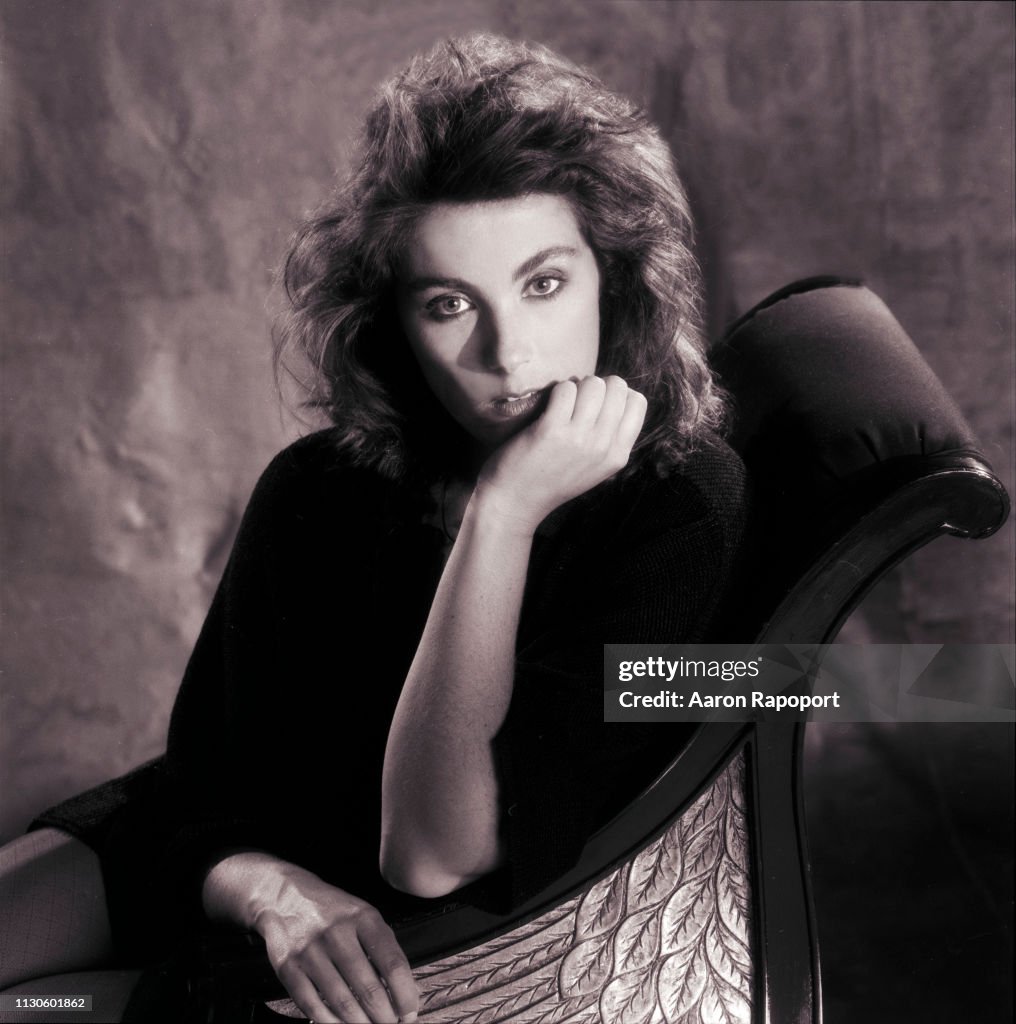
Laura Branigan
 United States
singer•stage actor•television actor
Data de nascimento
July 3, 1952
Signo
Cancer
Local de nascimento
Mount Kisco, New York, USA
Idade
Faleceu aos 52
Sobre
Laura Branigan foi uma cantora americana cuja voz poderosa e hinos pop teatrais definiram os anos 1980. Nascida Laura Ann Kruteck em 3 de julho de 1952, ela alcançou a fama em 1982 com seu cover de "Gloria" de Umberto Tozzi, um single de platina que passou 36 semanas na Billboard Hot 100, um recorde na época para uma artista feminina. Atingiu o pico no nº 2 nos EUA e o nº 1 na Austrália e no Canadá. Seu álbum de 1984, Self Control, vendeu platina, e a faixa-título liderou as paradas no Canadá e na Alemanha, enquanto atingiu o nº 4 nos EUA.
Ao longo da década, ela lançou sucessos como "Solitaire", o nº 1 Adult Contemporary "How Am I Supposed to Live Without You" e "The Power of Love", e contribuiu para trilhas sonoras de Flashdance, Ghostbusters e Miami Vice. Ela venceu o Tokyo Music Festival em 1984 com "The Lucky One". Após um período de silêncio nos anos 1990, ela retornou aos palcos como Janis Joplin no musical off-Broadway Love, Janis. Ela faleceu em 26 de agosto de 2004, aos 52 anos. Sua música alcançou uma nova geração quando o St. Louis Blues adotou "Gloria" como seu hino de vitória durante sua campanha na Stanley Cup de 2019.
Início da vida e origens
Laura Ann Kruteck cresceu em Mount Kisco, uma pequena cidade no Condado de Westchester, Nova York. A música foi um chamado precoce. Na adolescência, ela cantou em bandas locais e, no início dos anos 1970, juntou-se ao Meadow, um grupo folk-rock que se apresentava em clubes pelo Nordeste. O Meadow nunca alcançou grande sucesso, mas os shows lhe deram uma forte experiência de palco e um gosto pelo holofote.
Sua grande chance veio indiretamente. A cantora italiana Umberto Tozzi lançou "Gloria" em 1979, coescrita com Giancarlo Bigazzi. A música foi oferecida primeiro a uma grande estrela pop, que a recusou. Branigan a ouviu, sentiu uma conexão imediata e gravou sua própria versão. Lançada em 1982, tornou-se um clássico instantâneo, um hino de dança pós-disco que fez a ponte entre a era disco e a década do synth-pop. O single passou 36 semanas na Billboard Hot 100, um recorde na época para uma artista feminina, e vendeu platina.
Crescimento na carreira
O sucesso de "Gloria" em 1982 ditou o ritmo. Branigan seguiu com "Solitaire" e o nº 1 Adult Contemporary "How Am I Supposed to Live Without You" em 1983, e contribuiu para a trilha sonora de Flashdance. Em 1984, seu álbum Self Control vendeu platina, impulsionado pela faixa-título, que atingiu o nº 1 no Canadá e na Alemanha e o nº 4 nos EUA. Naquele ano, ela também alcançou o nº 2 na Austrália com "Ti amo" e venceu o Tokyo Music Festival com "The Lucky One".
Ela manteve uma alta visibilidade até meados dos anos 80, emplacando músicas nas trilhas sonoras de Ghostbusters e Miami Vice e marcando outro sucesso com "The Power of Love" em 1987. Mas seu impulso comercial diminuiu. Os álbuns Laura Branigan (1990) e Over My Heart (1993) tiveram desempenho abaixo do esperado, e ela se afastou em grande parte da indústria.
No início dos anos 2000, ela retornou às apresentações, estrelando como Janis Joplin no musical off-Broadway Love, Janis, e estava planejando um retorno completo quando faleceu em 2004. Seu legado ganhou um impulso inesperado em 2019, quando o St. Louis Blues adotou "Gloria" como sua música de vitória durante sua campanha na Stanley Cup, transformando-a em um hino de arena e apresentando sua música a uma nova geração.
Linha do tempo da carreira
Imagem pública e estilo
A imagem pública de Branigan era a de uma vocalista poderosa com um estilo cinematográfico e dramático. Sua música misturava influências disco, synth-pop e Italo dance em um som distinto que parecia polido e emocionalmente cru. Sua música assinatura "Gloria" continua sendo um hino de arena, e a associação de sua música com os anos 1980, incluindo a estética de Miami Vice e a cultura dos videogames, a mantém relevante para públicos nostálgicos e mais jovens. A comunidade oficial de fãs é organizada em torno de sua página no Facebook e site oficial, que servem como centros de memória para os fãs compartilharem lembranças e celebrarem sua música.
Fama e fandom
Laura Branigan's voice still fills arenas and streaming playlists decades after her passing, anchoring a legacy that refuses to fade into the static of the 1980s. Despite this enduring cultural footprint, iFANN's Global Fame Engine has evaluated her profile and determined she does not currently hold a placement in the published rankings for the Global Top 1,000 or any Top-100 scope list as of August 2026. She remains a titan of retro-pop without a specific numeric rank attached to her name in the current global hierarchy. Her audience operates without a formal, documented fandom name; there is no single moniker like "Branigans" uniting her supporters under an official banner. Instead, her digital community gathers organically around the official website laurabraniganonline.com and verified social media channels where fans curate archives of her cinematic performances. While grassroots campaigns or fan-funded tributes remain undocumented, the sheer volume of tribute mashups, cover versions, and speculative "What If" videos generated by her listeners proves a persistent, active engagement with her catalog. The absence of a structured club does not diminish her reach; it simply reflects a fanbase that connects through shared nostalgia and the preservation of her platinum-certified hits rather than organized mobilization.
Fatos interessantes e lendas
"Gloria" was originally rejected by another pop star before Branigan recorded it, eventually becoming a landmark post-disco hit that bridged the disco era and the synth-pop 1980s. Although she received a Grammy nomination, she never won the award during her lifetime. Her music found a second life in video game culture, with "Self Control" serving as a sonic signature for the Grand Theft Auto: Vice City aesthetic. In March 2026, a racehorse named Laura Branigan won at Oaklawn Park, causing momentary confusion among fans who mistook the news for a revival of her career. A widely retold story in her mythology concerns the origin of "Self Control," noting how she transformed a rejected Italian classic into a global smash that defined her career. Fans also frequently cite her death in her sleep at her East Quogue home on August 26, 2004, as the moment her legend solidified into a permanent archive of 80s power ballads.
Família e vida pessoal
Laura Branigan casou-se com Larry Kruteck, um executivo e produtor da indústria musical que trabalhou com ela ao longo de sua carreira. Seu casamento foi o relacionamento central de sua vida adulta. Eles não tiveram filhos juntos. Kruteck faleceu em 1996, deixando Branigan viúva. Ela nunca se casou novamente. Ela manteve sua vida pessoal notavelmente privada e nenhuma fonte confiável relata outros relacionamentos românticos. Na época de sua morte em 2004, ela ainda estava de luto por seu marido.
Conexões notáveis
A carreira de Laura Branigan esteve interligada a várias figuras importantes. Umberto Tozzi coescreveu "Gloria", que ela regravou, e Giancarlo Bigazzi também coescreveu a música. Seu marido Larry Kruteck, um executivo da indústria musical, produziu e gerenciou seu trabalho. O produtor alemão Jack White, que produziu sucessos para Branigan, faleceu em 2025, e seu obituário notou seu trabalho com ela.
Relacionamentos e história amorosa
A vida pessoal de Laura Branigan foi notavelmente reservada. Ela se casou com Larry Kruteck, um executivo e produtor da indústria musical que trabalhou com ela ao longo de sua carreira. O casal não teve filhos. Kruteck faleceu em 1996, deixando Branigan viúva. Ela nunca se casou novamente, e nenhum outro relacionamento romântico é documentado. Na época de sua morte em 2004, ela era viúva.
- Casado(a)Larry Kruteck? - 1996Executivo e produtor da indústria musical; eles não tiveram filhos; ele faleceu em 1996.
Morte e repercussões
Morte
August 26, 2004 (aos 52 anos)
Local da morte
West Nyack, New York, USA
Causa da morte
Accidental overdose of alcohol and prescription drugs
Tributes poured in from the music industry, celebrating a powerhouse voice that had defined dance-pop anthems for a decade. The news of her passing prompted a quiet resurgence of interest in her catalog, with streams and sales of hits like "Gloria" and "Self Control" seeing renewed attention in the years following her death. Laura Branigan died on August 26, 2004, at her home in West Nyack, New York, at the age of 52. She was found unresponsive in her bedroom by a friend or family member, leading to an emergency response and subsequent medical examination. Reports indicated she had been struggling with depression and recent treatment for alcoholism during her final days.
The Rockland County Coroner's Office ruled the cause of death as an accidental overdose involving alcohol combined with prescription medications Zoloft and Ambien after conducting an autopsy. Funeral arrangements were kept private by the family, who requested privacy during this difficult time. In the posthumous era, her estate managed her legacy through re-releases of music and tribute projects such as the documentary "Laura Branigan: Didn't We Almost Win It All," ensuring her musical heritage reached new audiences without engaging in public disputes.
Patrimônio (valor do espólio)
$10 Million
Estimativa da equipe editorial do iFANN
Laura Branigan's estate continues to generate revenue from her music catalog, which includes hits like "Gloria" and "Self Control." Royalties from streaming, licensing for films, TV, and commercials, and merchandise sales all contribute to the financial legacy left behind. The 2019 Stanley Cup revival of "Gloria" significantly boosted streaming revenue and renewed interest in her music long after her passing. The estate is managed by her family and the official Laura Branigan brand, which operates the official website and social media channels. Per iFANN's editorial analysis, the estate's estimated value is $10 million as of 2026.
Prêmios conquistados (3)
Laura Branigan ganhou o Tokyo Music Festival em 1984 com "The Lucky One." Ela também ganhou certificações de platina por "Gloria" e pelo álbum Self Control. Ela foi indicada ao Grammy, mas nunca ganhou.
1984 · Grande Prêmio
The Lucky One
1984 · Prêmio Grand Prix de Melhor Performance Vocal
"The Lucky One"
1983 · Principais Artistas Pop Femininas
Singles & Albums
Conhecido por
Gloria
1982 · Cantor
Self Control
1984 · Cantor
Solitaire
1983 · Cantor
How Am I Supposed to Live Without You
1983 · Cantor
The Power of Love
1987 · Cantor
Palavras-chave
Fontes
Dados rápidos
- Profissão
- singer, stage actor, television actor
- Nascimento
- +1952-07-03
- Local de nascimento
- Mount Kisco
- Morte
- +2004-08-26
- Local da morte
- East Quogue
- Gênero
- Feminino
- Cônjuge
- Lawrence Kruteck
- Signo
- Cancer
Dados pessoais
- Nome completo
- Laura Ann Kruteck
- Cônjuge
- Larry Kruteck
Perguntas frequentes
Como Laura Branigan morreu?
Qual era o patrimônio de Laura Branigan na época de sua morte?
Laura Branigan foi casada?
Quem cantou originalmente 'Gloria' antes de Laura Branigan?
Laura Branigan está no Rock and Roll Hall of Fame?
Pessoas semelhantes

Junte-se à comunidade
fãs comentando