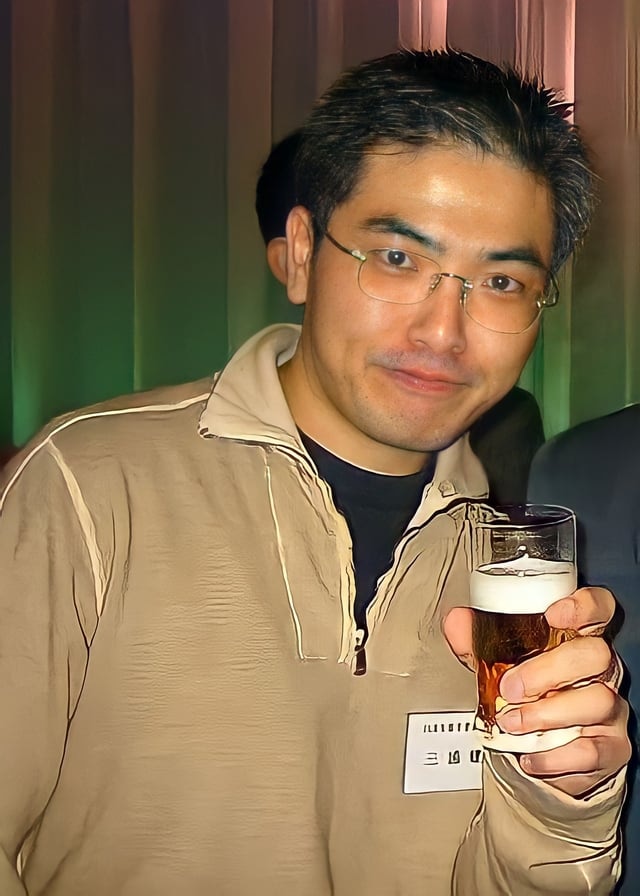
Kentaro Miura
 Japan
Japanmangaka•comics artist•comics creator
Data de nascimento
July 11, 1966
Signo
Cancer
Local de nascimento
Chiba, Japan
Idade
Faleceu aos 54
Sobre
Kentaro Miura was the Japanese manga artist behind Berserk, one of the most influential dark fantasy epics ever created. Born July 11, 1966, in Chiba, Japan, he spent over three decades crafting a brutal, emotionally layered world of swords, demons, and human struggle. By 2023, Berserk had sold more than 60 million copies worldwide, making it a top-selling manga series. Miura won the Award for Excellence at the sixth Tezuka Osamu Cultural Prize in 2002. He died suddenly on May 6, 2021, at age 54, from acute aortic dissection. The series continues under the supervision of his close friend Kouji Mori and Miura's former assistants, using the notes he left behind.
Início da vida e origens
Miura nasceu de pais artistas na cidade de Chiba. Seu pai trabalhava como artista de storyboard para filmes publicitários, e sua mãe era professora de arte. A família se mudava com frequência devido ao trabalho do pai, então Miura aprendeu a desenhar como uma forma de fazer amigos. Aos 10 anos, em 1976, ele criou seu primeiro mangá, Miuranger, que teve 40 volumes em sua publicação escolar. Um ano depois, fez Ken e no Michi, seu primeiro trabalho usando nanquim.
No ensino médio, Miura frequentou aulas de arte e conheceu os amigos de longa data Shizuya Wazarai e Kouji Mori, ambos futuros mangakás. Ele publicou seu primeiro doujinshi em um fanzine. Aos 18 anos, trabalhou brevemente como assistente de George Morikawa, criador de Hajime no Ippo. Morikawa o dispensou, dizendo que não havia mais nada a ensinar. Buronson, roteirista de Fist of the North Star, então contratou Miura como assistente, uma grande influência em seu estilo.
Em 1985, aos 19 anos, Miura criou o one-shot de ficção científica Futatabi para sua inscrição na Universidade Nihon. Ele ganhou o Prêmio de Mangá Novato da Shonen Magazine. Estudou no Departamento de Arte da Universidade Nihon e se formou em 1989. Ainda na faculdade, publicou o Protótipo de Berserk em 1988, um one-shot de 48 páginas que venceu um prêmio da Comi Manga School.
Crescimento na carreira
Em 1989, Berserk começou a ser serializado na revista Young Animal. O primeiro volume saiu em 1990 com vendas modestas. Tudo mudou em 1992 com o arco da Era de Ouro, que transformou a série em um fenômeno. Miura supervisionou uma adaptação para anime de 25 episódios que foi ao ar de outubro de 1997 a março de 1998. Em 1999, ele atuou como Supervisor Executivo do jogo para Dreamcast Sword of the Berserk: Guts Rage, escrevendo o roteiro e desenhando personagens.
Ele ganhou o Prêmio de Excelência do Prêmio Cultural Osamu Tezuka em 2002. Trabalhos curtos posteriores incluem Gigantomakhia (2013), inspirado no mito grego, e Duranki (2019), com um protagonista sem gênero. Miura trabalhou em Berserk até sua morte em 2021. Desde 2022, a série continua sob Kouji Mori e os ex-assistentes de Miura, seguindo seus esboços.
Linha do tempo da carreira
Imagem pública e estilo
Miura era conhecido como um gênio recluso, intensamente dedicado ao seu ofício. Raramente dava entrevistas e era muito reservado. Sua arte evoluiu de traços crus e enérgicos para desenhos duplos de tirar o fôlego e detalhados. A estética de fantasia sombria que ele criou, com influências medievais europeias misturadas com horror grotesco, estabeleceu um padrão para o gênero. Fãs de Berserk se autodenominam Strugglers, em referência ao tema central da série. A comunidade se reúne online em SkullKnight.net e no subreddit do Berserk, onde analisam simbolismo e lamentam sua morte a cada ano em 6 de maio.
Fama e fandom
The community surrounding Kentaro Miura is defined not by a formal moniker, but by a shared, intense devotion to his artistic mastery and the profound themes of struggle within *Berserk*. Fans, often identifying simply as readers of the series, have built a decentralized culture focused on preserving Miura's legacy rather than organizing commercial campaigns. Their rituals center on deep analysis of his intricate artwork and philosophical storytelling, with many creators producing tributes that honor his unique visual style. Following his sudden passing, this organic network rallied to support the completion of his work using his notes, ensuring the story continued without fan-funded interruptions or staged events. The legend of Miura is further cemented by personal anecdotes from his life, such as the revelation that the epic bond between Guts and Griffith was rooted in his own childhood friendships, adding a biographical weight to the fantasy that fans cherish.
His global standing remains formidable decades after his debut. Per the iFANN Global Fame Rankings, Kentaro Miura is currently the 20th most famous person in Manga, holding steady from the previous cycle. This placement reflects his enduring influence across media coverage, search trends, and consumption signals worldwide, confirming his status as a titan of the industry even in death.
Fatos interessantes e lendas
Kentaro Miura began his creative journey early, creating his first manga at age 10 which spanned an impressive 40 volumes for a school publication. By age 11, he had already mastered India ink, a tool he would use throughout his career. His path was not always smooth; he was once dismissed as an assistant by George Morikawa, who felt there was nothing left to teach him. Despite this, Miura went on to collaborate with Buronson, the writer behind *Fist of the North Star*, on projects like *King of Wolves* and *Japan*. His artistic influences were diverse, drawing heavily from the Japanese series *Guin Saga* and the Western master Hieronymus Bosch. *Berserk* itself started as a 48-page one-shot submitted to a competition, and Miura used one of his own works as his entrance submission for Nihon University. He famously described himself as the biggest manga nerd among his high school friends, and his art heavily influenced the *Dark Souls* video game series.
A defining element of his modern legend involves the personal inspiration behind his central characters. Stories fans still retell reveal that Guts and Griffith were modeled after Miura's own childhood friends and his insecurities regarding those relationships, transforming the series into a biographical allegory. Additionally, the sheer scale of his artwork, particularly the evolving design of Guts' sword, became viral topics of fascination online. The announcement that *Berserk* would officially return based on his notes sparked a massive global reaction, effectively shutting down normal internet discourse with intense speculation about the unfinished masterpiece.
Frases notáveis
“I was in a group full of people saying they wanted to be manga artists, but were actually busy getting girlfriends and getting into fights, so they weren't really all that otaku.”
“I was basically the biggest manga nerd out of the bunch.”
“I've always been fascinated by the aesthetic of the myths of ancient Greece and Mesopotamia, particularly when it comes to gender and body image.”
Família e vida pessoal
O pai de Miura era artista de storyboard para filmes publicitários, e sua mãe era professora de arte. A família se mudava com frequência durante sua infância. Ele nunca se casou e não teve filhos conhecidos. Não há informações públicas sobre irmãos ou outros parentes. Seu patrimônio é administrado por sua família e pela editora parceira Hakusensha.
Conexões notáveis
Kouji Mori, amigo de longa data e colega mangaká, assumiu a supervisão de Berserk após a morte de Miura. Shizuya Wazarai, outro amigo do ensino médio, criou Cestus. Buronson, roteirista de Fist of the North Star, colaborou com Miura em King of Wolves e Japan. George Morikawa, criador de Hajime no Ippo, empregou brevemente Miura como assistente. Eiichiro Oda, criador de One Piece, é um contemporâneo frequentemente comparado a Miura.
Relacionamentos e história amorosa
Kentaro Miura era extremamente reservado sobre sua vida pessoal. Não existem relacionamentos românticos públicos documentados. Em uma entrevista de 2000, ele lembrou de ser o maior nerd de mangá em seu grupo de amigos do ensino médio, ficando atrás dos outros no crescimento emocional. Ele nunca se casou e não teve filhos conhecidos. Em 2026, Miura está falecido e nunca se soube que esteve em um relacionamento.
Morte e repercussões
Morte
May 6, 2021 (aos 54 anos)
Local da morte
Kamakura, Kanagawa Prefecture, Japan
Causa da morte
Acute aortic dissection
Hakusensha and Miura's editorial team announced that Kentaro Miura had passed away on May 6, 2021, at the age of 54 due to an acute aortic dissection. Miura had been working intensely on the Berserk manga for decades, with his final days marked by extreme secrecy surrounding his health and a history of severe overwork that often delayed chapter releases. His last contribution to the series, Chapter 364 published in April 2021, was completed using his unfinished drafts and notes. The news triggered an immediate global outpouring of grief from fans and media outlets alike. Major publications like The New York Times and NPR highlighted his influence on the dark fantasy genre. Fans gathered spontaneously outside the offices of Young Animal magazine and near his former studio to leave flowers and tributes.
Memorial murals depicting Guts and Griffith appeared in cities across Japan, particularly in Tokyo and Kamakura, as sales of Berserk volumes surged immediately following the announcement. A private funeral service took place in June 2021 in Kamakura, attended only by close family members, his editorial staff, and select fellow artists including his friend Koji Mori. Details regarding the specific location and burial arrangements remained strictly confidential. Following his passing, the continuation of Berserk was taken over by Koji Mori and Miura's former assistants, who resumed serialization in 2022 with Chapter 365 based on the outlines and sketches left behind.
Patrimônio (valor do espólio)
$10 Million
Estimativa da equipe editorial do iFANN
Exact figures for Kentaro Miura's net worth are not publicly disclosed by the estate. However, research by the iFANN Editorial Team puts his total estimated value at $10 Million. As of 2026, the estate continues to earn revenue from *Berserk*, which had sold over 60 million copies worldwide by 2023. Income sources include ongoing manga volume sales, digital sales, licensing for anime adaptations (1997 series, 2016-2017 series, Golden Age films), video game royalties, and merchandise such as statues, action figures, and trading card games. The estate is managed by his family and Hakusensha. Given the series' enduring popularity, the estate likely generates significant annual revenue, though no verified figure is available beyond this editorial estimate.
Prêmios conquistados (2)
Miura ganhou o Prêmio de Novo Mangá da Shonen Magazine em 1985 por seu one-shot Futatabi. Em 2002, recebeu o Prêmio de Excelência no sexto Prêmio Cultural Osamu Tezuka por Berserk, uma das maiores honrarias do mangá.
2002 · Mangá
Berserk
1985 · Mangá
Futatabi
Conhecido por
Berserk
1989 · Creator, Writer, Artist
Gigantomakhia
2013 · Creator, Writer, Artist
Duranki
2019 · Creator, Writer, Artist
Palavras-chave
Fontes
Dados rápidos
- Profissão
- mangaka, comics artist, comics creator
- Nascimento
- +1966-07-11
- Local de nascimento
- Chiba, Japan
- Morte
- +2021-05-06
- Local da morte
- Japan
- Gênero
- Masculino
- Signo
- Cancer
Dados pessoais
- Nome completo
- Kentaro Miura (三浦 建太郎)
- Formação
- Nihon University, Art Department
Perguntas frequentes
O que causou a morte de Kentaro Miura?
Kentaro Miura chegou a se casar?
Quantos volumes de Berserk existem?
Qual é o patrimônio de Kentaro Miura?
Berserk está terminado?
Pessoas semelhantes
Junte-se à comunidade
fãs comentando