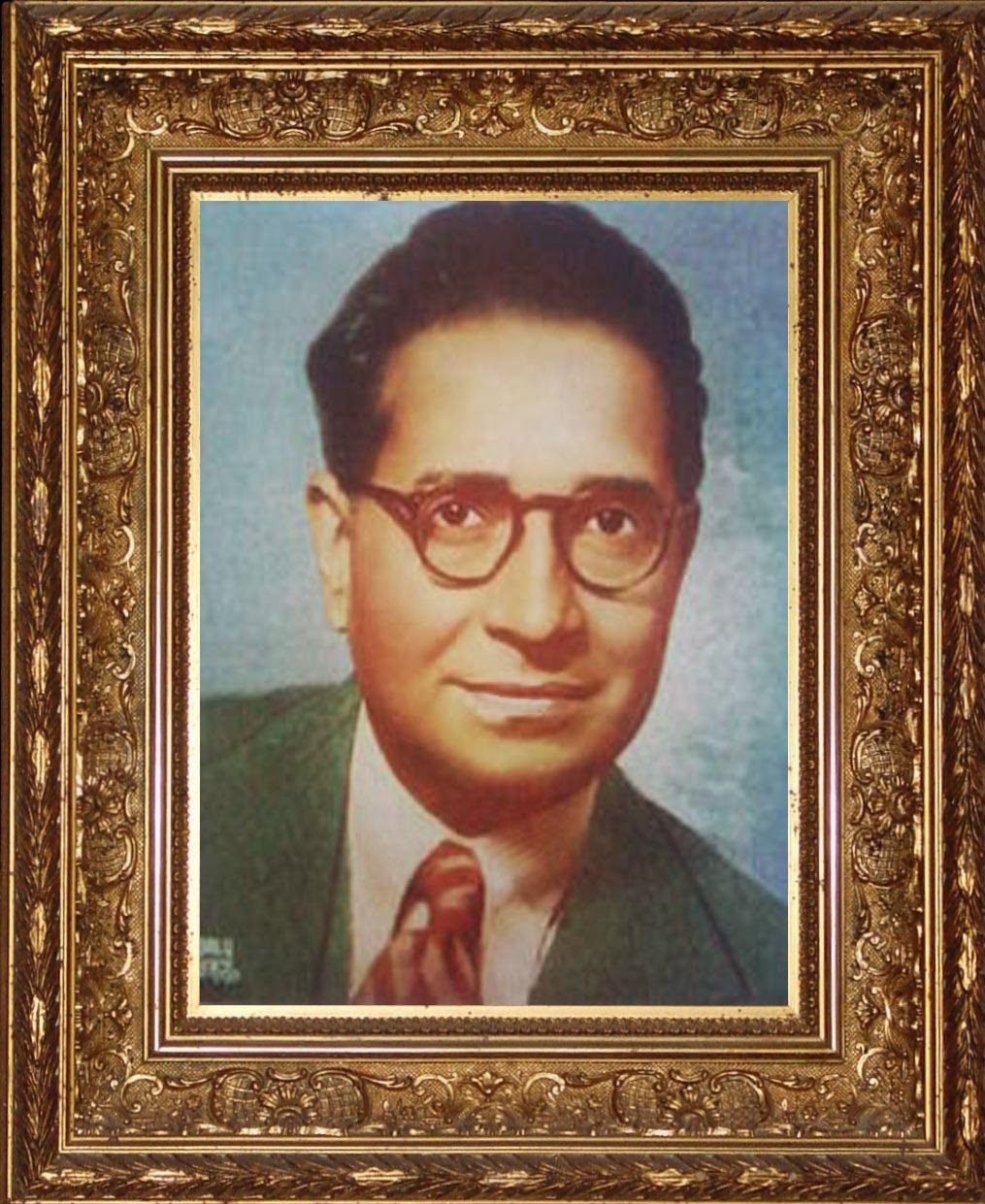
Kariamanickam Srinivasa Krishnan
 India
IndiaAlso known as: K. S. Krishnan, Sir K. S. Krishnan
Data de nascimento
December 4, 1898
Signo
Sagittarius
Local de nascimento
Watrap, Tamil Nadu, India
Idade
Faleceu aos 62
Sobre
Kariamanickam Srinivasa Krishnan foi um físico e astrofísico indiano cuja genialidade experimental ajudou a desvendar um fenômeno fundamental da luz. Ele é mais conhecido como o co-descobridor da dispersão Raman, o efeito pelo qual seu mentor C. V. Raman ganhou o Prêmio Nobel em 1930. O meticuloso trabalho de Krishnan lançou as bases experimentais e teóricas para essa descoberta.
Além do efeito Raman, Krishnan fez contribuições pioneiras para as propriedades magnéticas dos cristais, desenvolvendo técnicas para medir a anisotropia magnética. Ele se sentia igualmente à vontade com a teoria e o experimento, uma combinação rara que o tornou um dos físicos mais versáteis da Índia. Como primeiro diretor do National Physical Laboratory, ele ajudou a moldar a infraestrutura científica da Índia pós-independência. Ele foi eleito Fellow da Royal Society em 1940 e recebeu o Padma Bhushan em 1954.
Início da vida e origens
Krishnan nasceu em uma família brâmane em Viluppanoor, uma vila perto de Watrap em Tamil Nadu. Seu pai era agricultor e estudioso imerso na literatura e filosofia tâmil, e sua mãe administrava as terras agrícolas da família. De seu pai, Krishnan herdou o amor pelos clássicos e épicos tâmis.
Ele iniciou sua educação na Hindu Higher Secondary School em Watrap, depois mudou-se para o American College em Madurai. Ele continuou no Madras Christian College, onde obteve um diploma em Física. Após a graduação, ele aceitou um emprego como demonstrador de química na mesma faculdade. Suas conversas informais durante o almoço sobre física e química se tornaram tão populares que os alunos se reuniam para ouvir. Foi durante esse período que sua curiosidade científica chamou a atenção de C. V. Raman, que o convidou para Calcutá em 1920.
Crescimento na carreira
Em 1920, Krishnan juntou-se a C. V. Raman na Indian Association for the Cultivation of Science em Calcutá. A colaboração foi intensa. Nos oito anos seguintes, eles exploraram a dispersão da luz em líquidos e sólidos. Em 1928, eles observaram que a luz dispersa continha comprimentos de onda que não estavam presentes no feixe original, o efeito Raman. Krishnan mais tarde chamou esse período de o mais gratificante de sua vida científica.
Após a descoberta, Krishnan mudou-se para a Universidade de Dacca como Reader, onde mudou seu foco para o magnetismo. Ele desenvolveu métodos para medir a anisotropia magnética de cristais, trabalho que permanece influente. Em 1942, ele se tornou chefe do Departamento de Física da Universidade de Allahabad. Em seguida, em 1948, o Primeiro-Ministro Jawaharlal Nehru o nomeou o primeiro diretor do National Physical Laboratory em Nova Deli. Lá, Krishnan construiu programas de pesquisa, recrutou jovens cientistas e estabeleceu laboratórios de padrões que se tornaram a espinha dorsal da metrologia indiana.
Linha do tempo da carreira
Imagem pública e estilo
Krishnan é lembrado como um cientista dedicado e um arquiteto fundamental da física indiana. Ele é frequentemente chamado de o homem por trás do primeiro Prêmio Nobel asiático em ciências, um rótulo que captura tanto sua contribuição quanto a sombra projetada pela fama de Raman. Nos círculos científicos indianos, ele é respeitado por sua integridade, sua abordagem prática no laboratório e seu papel na construção de instituições. Não há fandom organizado, mas seu legado é celebrado anualmente em seus aniversários de nascimento e morte por academias científicas.
Fama e fandom
Kariamanickam Srinivasa Krishnan stands as a monumental figure in the history of Indian science, revered not for celebrity status but for his pivotal role in one of physics' greatest discoveries. Despite being the essential experimentalist behind the Raman Effect, he does not currently hold a placement in the published Global Top 1,000 or any Top-100 scope list within the iFANN rankings. This absence reflects the unique nature of his legacy; while he commands immense respect among physicists and historians, he lacks the mass-market commercial metrics that drive modern fame charts. The scientific community has long debated whether his contributions were overshadowed by his mentor C.V. Raman, a narrative that has sparked renewed academic interest in recent years rather than a surge in pop culture visibility. His recognition remains anchored in institutional naming, academic citations, and the annual observance of National Science Day, where his work is acknowledged alongside Raman's Nobel Prize. There is no formal fandom name associated with Krishnan, nor are there organized fan clubs, social media campaigns, or ritualistic gatherings dedicated to him. Instead, his audience consists of students, researchers, and science communicators who advocate for a more complete historical record of his life. This intellectual rediscovery serves as his form of tribute, ensuring that the story of the man who helped unlock the secrets of light scattering is told with the gravity it deserves. While he never experienced the frenzy of a rock star or the adoration of a movie idol, his standing in the annals of science is absolute, securing his place as a foundational architect of independent India's research infrastructure.
Fatos interessantes e lendas
Kariamanickam Srinivasa Krishnan possessed a rare ability to captivate audiences with stories from the Ramayana and Mahabharata, often weaving deep philosophical insights into his narratives. His dedication was so profound that he began laboratory work at 6 a.m. every single day. Beyond the lab, he was a passionate football fan who spent many evenings watching matches. He was fluent in Sanskrit and Tamil, possessing a deep knowledge of their classical literature that complemented his scientific rigor. Colleagues frequently noted that he was equally skilled in theory and experiment, a combination that set him apart from his peers. The most enduring legend surrounding Krishnan involves his critical role in the co-discovery of the Raman Effect. While C.V. Raman received the Nobel Prize in 1930, a persistent story in scientific circles credits Krishnan with conducting the crucial experiments that proved the effect was real. This narrative of the "unsung hero" who laid the groundwork while receiving less public acclaim has become a central part of his lore, sparking ongoing discussions about credit attribution in science. Another iconic chapter in his life is his appointment as the first Director of the National Physical Laboratory in New Delhi following India's independence. This achievement is widely cited as a reflection of his leadership, marking the beginning of organized scientific research infrastructure in the newly independent nation.
Família e vida pessoal
Krishnan nasceu de um pai agricultor-erudito e uma mãe que administrava as terras da família. Detalhes sobre seu próprio casamento e filhos não são amplamente registrados nas fontes disponíveis. Ele permaneceu profundamente conectado às suas raízes tâmis e frequentemente falava sobre a influência de seu pai em seu amor pela literatura e filosofia.
Conexões notáveis
A colaboração mais importante de Krishnan foi com C. V. Raman, seu mentor e co-descobridor do efeito Raman. Ele também esteve intimamente associado ao Primeiro-Ministro Jawaharlal Nehru, que o nomeou para liderar o National Physical Laboratory. Seu trabalho influenciou uma geração de físicos indianos, incluindo S. N. Bose e Meghnad Saha.
Relacionamentos e história amorosa
Morte e repercussões
Morte
June 14, 1961 (aos 62 anos)
Local da morte
New Delhi
Causa da morte
reported heart attack
Sir Kariamanickam Srinivasa Krishnan passed away early in the morning of June 14, 1961, in New Delhi, as reported by contemporary accounts including The New York Times. The eminent physicist and co-discoverer of Raman scattering succumbed to a heart attack at the age of 62, marking the end of a life dedicated to unlocking the fundamental properties of light and magnetism., the medical cause was established through immediate reports from his location without dispute regarding the date or circumstances of his passing. The scientific community and the nation responded with profound reverence rather than mass public gatherings.
Prime Minister Jawaharlal Nehru offered a defining tribute, describing Krishnan as a perfect citizen, a sentiment that echoed through official retrospectives and cemented his status within India's intellectual history. His legacy had already been secured by his pivotal role alongside C.V. Raman in the discovery that earned the Nobel Prize, and he remained a respected figure even after receiving the Bharat Ratna posthumously in 1958. Although specific details about funeral arrangements or burial locations remain unrecorded in standard sources, his contributions were immortalized through the National Physical Laboratory in New Delhi, an institution he helped establish as its first director.
In the decades following his death, Krishnan became the subject of numerous academic publications and biographies aimed at highlighting his foundational role in Indian science. He was inducted into various halls of fame and recognized as a key architect of the country's scientific infrastructure, with his life story frequently featured in documentaries and news segments discussing his proof of the Raman Effect. No films or books focus solely on his demise, yet his influence persists through the standards laboratories and research programs he built.
Prêmios conquistados (4)
Krishnan foi eleito membro da Royal Society em 1940, uma das maiores honras para um cientista. Ele recebeu o Padma Bhushan, a terceira maior honraria civil da Índia, em 1954. Ele também foi condecorado com o título de cavaleiro e recebeu o Prêmio Bhatnagar.
1940 · Ciência
1954 · Civil
Conhecido por
Co-discovery of Raman scattering
1928 · Codescobridor
Magnetic anisotropy of crystals
1930 · Pesquisador
First Director of National Physical Laboratory
1948 · Diretor
Palavras-chave
Fontes
Dados rápidos
- Profissão
- physicist, astrophysicist
- Nascimento
- December 4, 1898
- Local de nascimento
- Watrap, Tamil Nadu, India
- Morte
- June 14, 1961
- Gênero
- Masculino
- Signo
- Sagittarius
Dados pessoais
- Nome completo
- Kariamanickam Srinivasa Krishnan
- Formação
- Madras Christian College (Physics degree)
Perguntas frequentes
Quem foi Kariamanickam Srinivasa Krishnan?
O que é o efeito Raman e qual foi o papel de Krishnan?
Quais foram as outras contribuições científicas de Krishnan?
Qual foi o papel de Krishnan na administração científica indiana?
Quando e onde K. S. Krishnan nasceu e quando ele faleceu?
Pessoas semelhantes
Junte-se à comunidade
fãs comentando