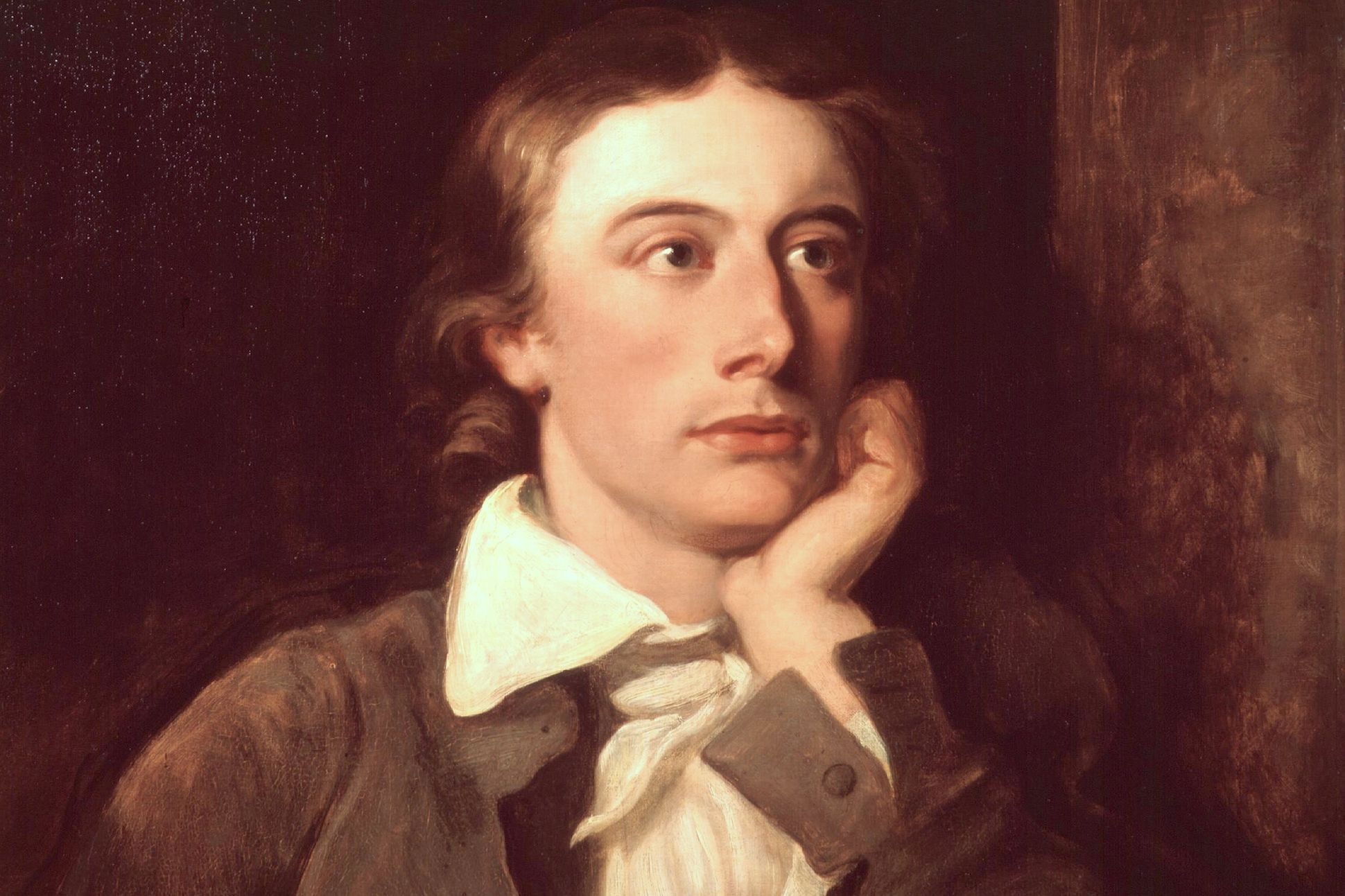
John Keats
 United Kingdom
Data de nascimento
October 31, 1795
Signo
Scorpio
Local de nascimento
Moorgate, London, England
Idade
Faleceu aos 25
Altura
5 ft 1 in (155 cm)
Sobre
John Keats was an English poet, a central figure in the second generation of Romantic poets. Though he died at 25, his work reshaped English poetry. His odes, sonnets, and letters are among the most studied in the language. Lines like "Beauty is truth, truth beauty" from Ode on a Grecian Urn have entered the cultural bloodstream. His reputation soared after his death; by the late 19th century, he was canonized. Today, his poems are read worldwide, and his life story, a brief, intense blaze cut short by tuberculosis, continues to fascinate.
Keats's style is sensuous and emotionally direct, rooted in natural imagery. His most celebrated works include Ode to a Nightingale, To Autumn, and the sonnet On First Looking into Chapman's Homer. He influenced the Pre-Raphaelite Brotherhood profoundly. Argentine writer Jorge Luis Borges called his first encounter with Keats a defining experience. Despite a career lasting less than four years, Keats's impact on poetry and art is vast and enduring.
Início da vida e origens
Keats nasceu em 1795 em Moorgate, Londres, o mais velho de quatro filhos sobreviventes. Seu pai administrava um estábulo e morreu em um acidente de equitação quando Keats tinha oito anos. Sua mãe casou-se novamente cedo, o casamento fracassou, e ela morreu de tuberculose em 1810. Essas perdas o marcaram profundamente.
Em 1803, ele entrou para o internato de John Clarke em Enfield, uma academia liberal e dissidente. Ele era conhecido como um garoto briguento, não particularmente literário, até por volta dos 13 anos, quando começou a ler vorazmente. O filho do diretor, Charles Cowden Clarke, tornou-se um mentor, emprestando-lhe livros e incentivando sua escrita.
Após a morte de sua mãe, seus guardiões o apadrinharam a Thomas Hammond, um cirurgião e boticário em Edmonton. Keats morou acima da cirurgia e completou uma tradução em prosa da Eneida de Virgílio durante esse período. Em outubro de 1815, ele iniciou o treinamento médico no Guy's Hospital, Londres. Em março de 1816, ele foi promovido a Dresser, um assistente cirúrgico sênior. Ele se tornou um boticário licenciado em 1816, mas nunca exerceu a profissão.
Seu primeiro poema publicado, o soneto À solidão, apareceu em The Examiner em 5 de maio de 1816. Em outubro de 1816, ele conheceu Leigh Hunt, que ficou espantado com seu trabalho. Em 3 de dezembro de 1816, o artigo de Hunt "Young Poets" em The Examiner apresentou Keats ao público ao lado de Percy Bysshe Shelley.
Crescimento na carreira
O primeiro volume de Keats, Poems, by John Keats, foi publicado em março de 1817. Continha 30 poemas, incluindo Na primeira vez que olhei para Homero de Chapman. O livro vendeu pouco. Em abril de 1818, seu longo romance poético Endymion foi publicado e recebeu críticas selvagens. Críticos o chamaram de "poeta-rimador cockney" e atacaram sua linguagem.
Sem se abalar, Keats escreveu sua melhor obra no "Grande Ano" de 1819. Ele produziu Ode a um rouxinol, Ode a uma urna grega, Ode a Psique, Ode à melancolia, A outono, Lamia, A Véspera de Santa Inês e La Belle Dame sans Merci. Ele também trabalhou no épico Hyperion e sua revisão A Queda de Hyperion, que permaneceu inédito até 1856.
Seu terceiro e último volume, Lamia, Isabella, A Véspera de Santa Inês e Outros Poemas, foi publicado em julho de 1820. Continha suas grandes odes e recebeu críticas mais favoráveis. Naquela época, sua tuberculose estava avançada. Ele navegou para a Itália em setembro de 1820, esperando que o clima ajudasse, mas morreu em Roma em 23 de fevereiro de 1821.
Linha do tempo da carreira
Imagem pública e estilo
Keats é o arquétipo do poeta romântico: apaixonado, sensual, tragicamente efêmero. Sua imagem é a de um gênio incompreendido que morreu jovem, mais tarde vingado. Sua estética é definida pela "capacidade negativa", termo que ele cunhou para a habilidade de habitar a incerteza sem buscar fatos. Fãs, frequentemente chamados de Keatsianos, tendem a ser entusiastas literários. Leituras anuais na Keats House em Hampstead marcam seu aniversário e data de morte. Filmes como Bright Star (2009) de Jane Campion reforçaram sua imagem romantizada. Em redes sociais, contas compartilham suas citações e detalhes biográficos com tom reverencial.
Fama e fandom (iFAMOUS Rankings)
For over two centuries, the readership of John Keats has been defined not by organized campaigns or digital rituals, but by a deep, scholarly devotion to his brief and intense life. While modern celebrities cultivate named fanbases with specific hashtags and streaming drives, Keats remains the domain of students, literary critics, and enthusiasts who gather annually at Keats House in Hampstead for readings that honor his birthday and death anniversary. There is no formal name for this collective; they are simply those who find themselves drawn to the sensuous imagery and emotional directness of his odes and sonnets. The mythology surrounding him is entirely historical, rooted in the tragic narrative of a genius consumed by tuberculosis at age twenty-five and buried in Rome alongside Shelley. Stories of his deathbed regrets and his correspondence with Fanny Brawne have become enduring cultural touchstones, yet these remain biographical legends rather than active fan phenomena. The recovery of stolen letters in 2026 added a new chapter to this lore, confirming the existence of lost correspondence, but it did not spark a viral movement or transform him into a contemporary celebrity with an active social media presence. His legacy endures through the study of his work and the preservation of his manuscripts rather than through any living community of fans. As of August 2026, iFANN's Global Fame Engine has evaluated this person, but they do not currently hold a placement in the published rankings (Global Top 1,000 or a Top-100 scope list). Consequently, no specific numeric rank or score can be assigned to his current global standing within the system.
Fatos interessantes e lendas
John Keats trained as a surgeon and held a license as an apothecary, though he never practiced medicine. Standing only 5'1", he was notably short for his era. At school, he was known more as a fighter than a bookish child. He completed his greatest poems during a single, prolific year in 1819. A grueling 640-mile walking tour of Scotland in 1818 likely accelerated the onset of the tuberculosis that eventually claimed his life. He nursed his brother Tom through the same disease that killed him, and his self-composed epitaph reads: "Here lies one whose name was writ in water." He never met Lord Byron, despite being contemporaries, and his first published poem appeared in a newspaper. Legends surrounding his life often focus on his rapid decline in Rome and the debate over whether he truly expressed regret on his deathbed before his passing. Another enduring story involves his relationship with Fanny Brawne, where their love, immortalized through surviving letters, became a symbol of Romantic tragedy. The 2026 news regarding the recovery of stolen letters sent to Brawne has further enriched this lore, revealing previously missing correspondence valued at approximately $2 million.
Frases notáveis
“Beauty is truth, truth beauty, that is all / Ye know on earth, and all ye need to know.”
“Here lies one whose name was writ in water.”
“A thing of beauty is a joy for ever: / Its loveliness increases; it will never / Pass into nothingness.”
“I am certain of nothing but the holiness of the Heart's affections and the truth of Imagination.”
“Negative Capability, that is when man is capable of being in uncertainties, Mysteries, doubts, without any irritable reaching after fact and reason.”
“I think I shall be among the English Poets after my death.”
Família e vida pessoal
Os pais de Keats foram Thomas Keats, gerente de um estábulo, e Frances Jennings. Seu pai morreu em 1804 após ser pisoteado por um cavalo. Sua mãe morreu de tuberculose em 1810. Ele teve três irmãos: George (1797–1841), que emigrou para a América; Thomas "Tom" (1799–1818), que morreu de tuberculose; e Frances Mary "Fanny" (1803–1889). Keats era próximo de sua irmã Fanny e profundamente afetado pela morte de Tom. Ele nunca se casou e não teve filhos.
Conexões notáveis
Keats foi orientado por Leigh Hunt, que publicou seu primeiro poema e o introduziu em círculos literários. Ele correspondeu-se com Percy Bysshe Shelley, que escreveu a elegia Adonais após a morte de Keats. Charles Cowden Clarke, filho de seu diretor, foi um amigo próximo e incentivador precoce. Ele admirava William Wordsworth, mas nunca conheceu Lord Byron. Suas cartas revelam amizades com o pintor Benjamin Haydon e o poeta John Hamilton Reynolds.
Relacionamentos e história amorosa
Keats conheceu Fanny Brawne no outono de 1818 em Hampstead. Ela era filha de uma vizinha viúva. Eles ficaram noivos informalmente, mas a pobreza de Keats, sua má saúde e a impossibilidade de casamento impediram um noivado formal. Seu relacionamento foi intensamente apaixonado, mas marcado pelo ciúme e desespero de Keats. Ele escreveu seu soneto de amor Bright Star para ela. Eles nunca se casaram. Fanny lamentou profundamente após a morte de Keats e mais tarde se casou com Louis Lindo em 1833, tendo três filhos. Ela morreu em 1865. As cartas de Keats para ela foram publicadas em 1878, revelando seu tumulto emocional. Nenhum outro relacionamento romântico é registrado.
- Noivo(a)Fanny Brawne1818 - 1821Noivos informalmente; a pobreza e a doença de Keats impediram o casamento. Ele escreveu 'Bright Star' para ela.
Morte e repercussões
Morte
February 23, 1821 (aos 25 anos)
Local da morte
London, England
Causa da morte
Pulmonary tuberculosis
Upon hearing of John Keats's passing, the literary world responded with a surge of reverence that quickly eclipsed the obscurity he had endured during his life. Percy Bysshe Shelley composed the elegy Adonais in 1821, transforming the poet's death into one of the most famous tributes in English literature, while Lord Byron expressed regret over the early demise, noting that Keats had been killed by critics. This reaction evolved rapidly from muted silence to profound admiration among peers, establishing a legacy that would see him canonized by the late 19th century. The circumstances surrounding his final days were marked by physical decline and emotional distress following the rejection of Endymion, yet he managed to compose his major odes even as his health failed.
Keats passed away at his residence located at 26 Wimpole Street in London on February 23, 1821, at the age of 25. Physicians ruled the cause as pulmonary tuberculosis based on clinical symptoms including chronic coughing and hemoptysis, treating the event as a natural medical occurrence. His funeral was a private affair held four days later on February 27, 1821, at St. Peter's Cemetery in Bournemouth, attended only by family and close friends like his brother George and fiancée Fanny Brawne, who was too ill to attend the burial itself. He requested an epitaph reflecting his desire for anonymity, writing himself: Here lies One Whose Name was writ in Water.
Posthumously, his estate required minimal handling due to his lack of financial wealth, though posthumous collections appeared shortly after his death. Over time, institutions elevated his status through annual readings, museum dedications, and academic scholarships, with the John Keats Memorial Foundation bearing his name.
Patrimônio (valor do espólio)
$10 Million
Estimativa da equipe editorial do iFANN
As a poet who died in 1821 at age 25, Keats had negligible personal wealth during his lifetime. His volumes sold poorly, and he relied on support from friends and his guardian's allowance. Today, his estate is not a commercial entity, and his works exist in the public domain. The primary value resides in rare manuscripts and letters. In 2018, a letter to Fanny Brawne sold for £112,500 at Sotheby's. Keats House in Hampstead and the Keats-Shelley Memorial House in Rome operate as museums. There is no reliable current net worth figure for the estate, but the value of his cultural legacy is immeasurable. Per iFANN's editorial analysis, as of 2026, the estimated value of his estate, including literary artifacts and museum properties, is around $10 Million.
Prêmios conquistados (1)
Keats não recebeu prêmios literários formais durante sua vida. O sistema moderno de premiação não existia na Inglaterra do início do século XIX. Postumamente, ele foi homenageado com uma pedra no Poets' Corner, Abadia de Westminster, inaugurada em 1997. Suas obras são consideradas obras-primas da poesia inglesa.
1997 · Honra
Lifetime achievement
Conhecido por
Ode to a Nightingale
1819 · poeta
Ode on a Grecian Urn
1819 · poeta
To Autumn
1819 · poeta
Endymion
1818 · poeta
Lamia
1819 · poeta
The Eve of St. Agnes
1819 · poeta
Palavras-chave
Fontes
Dados rápidos
- Profissão
- poet
- Nascimento
- +1795-10-31
- Local de nascimento
- Moorgate, London, England
- Morte
- +1821-02-23
- Local da morte
- Roma, Itália
- Gênero
- Masculino
- Signo
- Scorpio
- Altura
- 5 ft 1 in (155 cm)
Dados pessoais
- Nome completo
- John Keats
- Altura
- 5 ft 1 in (155 cm)
- Formação
- Clarke's School, Enfield; Guy's Hospital, London
Perguntas frequentes
Qual a idade de John Keats quando morreu?
Pelo que John Keats é mais conhecido?
Qual era o patrimônio líquido de John Keats em 2026?
John Keats chegou a se casar?
Onde John Keats está enterrado?
Redes sociais
Pessoas semelhantes
Junte-se à comunidade
fãs comentando