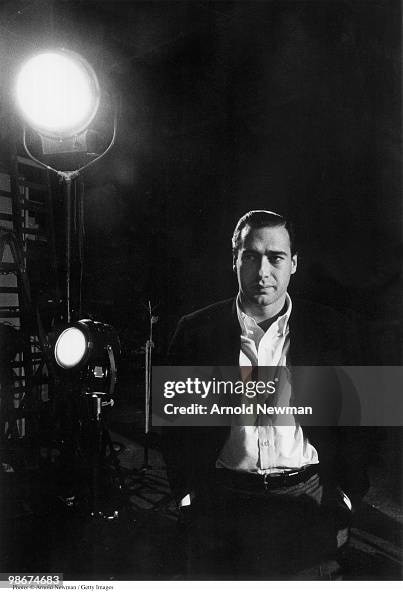
John Frankenheimer
 United States
film director•film producer•screenwriter
Data de nascimento
February 19, 1930
Signo
Pisces
Local de nascimento
Queens, New York, USA
Idade
Faleceu aos 72
Sobre
John Frankenheimer foi um diretor de cinema e televisão americano que moldou o gênero thriller político. Nascido em 19 de fevereiro de 1930, no Queens, Nova York, ele começou na televisão ao vivo antes de dirigir quase 40 filmes e mais de 50 peças televisivas. Seu trabalho frequentemente explorava dilemas psicológicos e situações políticas, gerando comparações com Sidney Lumet, para quem trabalhou como assistente de direção. Frankenheimer ganhou quatro prêmios Emmy na década de 1990 por telefilmes como Against the Wall, The Burning Season, Andersonville e George Wallace, este último rendendo um Globo de Ouro. Ele foi introduzido no Television Hall of Fame em 2002, pouco antes de sua morte em 6 de julho de 2002, aos 72 anos.
Início da vida e origens
Frankenheimer cresceu no Queens, filho de Walter e Helen Frankenheimer. Aos 10 anos, pegou emprestada uma câmera e filmou seu primeiro curta-metragem sobre um roubo de trem. Frequentou a Universidade de Indiana, estudando Inglês e atuando em produções teatrais do campus. Durante a Guerra da Coreia, serviu na Força Aérea dos EUA, onde dirigiu filmes de treinamento e documentários. Essa experiência o levou a um emprego na CBS em Nova York em 1953. Rapidamente passou a dirigir televisão ao vivo, trabalhando em séries antológicas como Kraft Television Theatre e Playhouse 90. No final dos anos 1950, já havia dirigido mais de 100 transmissões ao vivo, aperfeiçoando um estilo visual que usava foco profundo e longas tomadas para aumentar a tensão.
Crescimento na carreira
O grande avanço de Frankenheimer veio em 1962 com The Manchurian Candidate, um thriller da Guerra Fria estrelado por Frank Sinatra. O filme foi um sucesso de crítica e público, elogiado por sua direção firme e temas visionários. Ele seguiu com mais dois sucessos em 1964: Seven Days in May, um drama de conspiração política, e The Train, um filme de ação da Segunda Guerra Mundial. Em 1966, lançou Seconds, um terror psicológico surreal, e Grand Prix, uma épica de corrida ambiciosa filmada em Cinerama. Na década de 1970, dirigiu French Connection II (1975) e Black Sunday (1977). Após um período de baixa nos anos 1980, reviveu sua carreira com aclamados telefilmes nos anos 1990, ganhando quatro Emmys. Seu último filme para cinema foi Ronin (1998), um thriller de assalto conhecido por suas perseguições de carro. Morreu em 2002 após concluir o filme da HBO Path to War.
Linha do tempo da carreira
Imagem pública e estilo
Frankenheimer era respeitado como um artesão que fazia filmes inteligentes e cheios de suspense. A crítica elogiava sua capacidade de criar tensão através da narrativa visual e sua disposição para abordar temas políticos e psicológicos. Era conhecido por um estilo de direção exigente e intenso que pressionava os atores, mas conquistava sua lealdade. Ao contrário de muitos diretores de sua época, ele abraçou a televisão como um meio para trabalho sério, especialmente nos anos 1990. Os fãs admiram seus clássicos dos anos 1960, e The Manchurian Candidate é frequentemente citado como um dos melhores thrillers já feitos. Ele não cultivava uma persona pública fora de seu trabalho, focando-se no ofício.
Fama e fandom
John Frankenheimer remains a towering figure in cinema history, revered by cinephiles and scholars for his mastery of the political thriller and his pioneering work in television. While his name is instantly recognized by those who study film technique, iFANN's Global Fame Engine has evaluated this person, but they do not currently hold a placement in the published rankings (Global Top 1,000 or a Top-100 scope list). This absence from the global top tier reflects his status as a director's director rather than a pop culture icon whose fame relies on viral moments or mass-market celebrity. His reputation is built on the enduring power of films like The Manchurian Candidate and Grand Prix, which continue to be studied in academic circles and screened at retrospectives decades after their release.
The audience surrounding his legacy does not operate under a formal banner; there is no documented fanbase name, organized campaigns, or specific rituals that define his followers. Instead, admiration manifests through the preservation of his work and the ongoing discussion of his technical innovations. Fans of classic cinema often cite his ability to capture high-speed motion and psychological tension as reasons for his enduring relevance. Unlike modern celebrities who generate folklore through public chaos or interactive projects, Frankenheimer's legend is strictly one of professional achievement. His four consecutive Emmy Awards in the 1990s stand as a reflection of his skill during a time when many peers had abandoned television, cementing his place in the Television Hall of Fame. The stories told about him focus on his demanding directing style and his unique background as an amateur race car driver, which informed the visceral realism of his action sequences. There are no verified accounts of crowds disrupting events or fan-driven media spectacles; the narrative remains centered on his artistic contributions and the complex social dramas he translated into compelling cinema.
Fatos interessantes e lendas
John Frankenheimer was an avid race car driver who owned several Porsches and competed in the 24 Hours of Daytona, using his driving experience to capture unprecedented velocity in Grand Prix. He served as an assistant director to Sidney Lumet early in his career before forging his own path. A close friend of Burt Lancaster, he collaborated with the actor on five films, including The Young Lions and The Train. On the set of The Island of Dr. Moreau in 1996, a famous clash occurred with Marlon Brando, who reportedly wore an ice bucket on his head between takes to manage his temperature. Frankenheimer's passion for trains began early; his first film at age 10 depicted a train robbery, foreshadowing his later masterpiece The Train.
A widely retold story in film circles highlights how his racing background directly influenced the camera work in Grand Prix, where he placed cameras inside moving vehicles to create a sense of speed that was revolutionary for its time. Another enduring piece of lore surrounds the production of The Manchurian Candidate, where his innovative editing techniques and prescient political themes have become a cornerstone of cultural mythology, frequently referenced in academic discussions. These professional anecdotes form the core of his legend, distinguishing him from directors known for personal scandals or crowd disruptions. His legacy is defined by these verified achievements and the intense loyalty he inspired in actors like Lee Marvin and Jeff Bridges.
Frases notáveis
“I'm not interested in making films about the human condition. I'm interested in making films about the human condition under pressure.”
“The Manchurian Candidate was a film about paranoia, and it tapped into the anxieties of the time. It still resonates because those anxieties haven't gone away.”
“Live television was the best training a director could have. You learned to think on your feet.”
“I love the process of filmmaking. The collaboration, the tension, the discovery.”
Família e vida pessoal
Os pais de Frankenheimer eram Walter e Helen Frankenheimer. Ele tinha uma irmã mais nova, Mary. Seu primeiro casamento, com a atriz Evelyn Ward, terminou em divórcio. Em 1964, casou-se com a atriz Evans Evans, que apareceu em vários de seus filmes. Tiveram quatro filhos: Christine, John, Michael e Elise. A família morava em Los Angeles e Malibu. Frankenheimer era conhecido como um pai dedicado, muitas vezes levando os filhos aos sets de filmagem.
Conexões notáveis
Frankenheimer colaborou frequentemente com o ator Burt Lancaster em filmes como Birdman of Alcatraz, Seven Days in May e The Gypsy Moths. Trabalhou com Frank Sinatra em The Manchurian Candidate e com Robert De Niro em Ronin. Foi protegido de Sidney Lumet, servindo como seu assistente de direção no início de sua carreira.
Relacionamentos e história amorosa
Frankenheimer foi casado duas vezes. Seu primeiro casamento foi com a atriz Evelyn Ward nos anos 1950; eles se divorciaram após alguns anos. Em 1964, casou-se com a atriz Evans Evans, que apareceu em seus filmes Seconds e The Gypsy Moths. Eles permaneceram casados até sua morte em 2002. O casal teve quatro filhos e morava em Los Angeles.
- Casado(a)Evelyn Ward1954 - 1960Primeiro casamento, terminou em divórcio.
- Casado(a)Evans Evans1964 - 2002Segundo casamento, durou até sua morte. Eles tiveram quatro filhos.
Morte e repercussões
Morte
July 6, 2002 (aos 72 anos)
Local da morte
Desconhecido
Causa da morte
Desconhecido
By the summer of 2002, John Frankenheimer had just completed his final project for HBO, the acclaimed television film Path to War, marking a triumphant return to the medium where he first honed his craft. He was living in Los Angeles, surrounded by the family he brought onto sets throughout his career, when he passed away on July 6, 2002. The specific circumstances surrounding his final days and the exact medical cause of death were never made public by his family or official records, leaving the details of his passing quiet and private rather than the subject of media speculation or legal inquiry. Following his death, the industry reacted with a deep sense of loss, recognizing the director who had shaped the political thriller genre and revitalized television drama in the 1990s., his induction into the Television Hall of Fame earlier that same year stood as a significant prelude to his departure, cementing his legacy within the broadcast community.
Patrimônio (valor do espólio)
$10 Million
Estimativa da equipe editorial do iFANN
At the time of his death in 2002, John Frankenheimer's net worth was estimated at around $10 million. Per iFANN's editorial analysis, this figure represents the total value of his estate based on his directing fees for films and television, alongside residuals from his extensive body of work. His estate continues to earn royalties from classic films like The Manchurian Candidate and Ronin, which are frequently licensed for streaming and home video. The estate is managed by his widow, Evans Evans, and his children, ensuring that the financial fruits of his prolific career remain with his family.
Prêmios conquistados (13)
Frankenheimer ganhou quatro Prêmios Emmy do Primetime de Melhor Direção em Minissérie ou Telefilme: por Against the Wall (1994), The Burning Season (1995), Andersonville (1996) e George Wallace (1998). Ele foi introduzido no Television Hall of Fame em 2002.
1998 · Melhor Direção em Minissérie ou Telefilme
George Wallace
1996 · Melhor Direção em Minissérie ou Telefilme
Andersonville
1995 · Melhor Direção em Minissérie ou Telefilme
The Burning Season
1994 · Melhor Direção em Minissérie ou Telefilme
Against the Wall
1998 · Melhor Direção em Série Limitada ou Telefilme
George Wallace
1996 · Melhor Direção em Série Limitada ou Telefilme
Andersonville
1995 · Melhor Direção em Série Limitada ou Telefilme
The Burning Season
1994 · Melhor Direção em Série Limitada ou Telefilme
Against the Wall
Conhecido por
The Manchurian Candidate
1962 · Director
Seven Days in May
1964 · Director
The Train
1964 · Director
Grand Prix
1966 · Director
Ronin
1998 · Director
Palavras-chave
Dados rápidos
- Profissão
- film director, film producer, screenwriter
- Nascimento
- February 19, 1930
- Local de nascimento
- Queens, New York, USA
- Morte
- July 6, 2002
- Local da morte
- Los Angeles, California, USA
- Gênero
- Masculino
- Cônjuge
- Evans Evans
- Signo
- Pisces
Dados pessoais
- Nome completo
- John Michael Frankenheimer
- Cônjuge
- Evans Evans
- Filhos
- 4
- Formação
- Indiana University
Filmografia
39
Total
35
Cinema
4
TV
Perguntas frequentes
Quem foi John Frankenheimer?
Qual é o patrimônio de John Frankenheimer em 2026?
Quantos Prêmios Emmy John Frankenheimer ganhou?
Qual é o filme mais famoso de John Frankenheimer?
Com quem John Frankenheimer foi casado?
Pessoas semelhantes
Junte-se à comunidade
fãs comentando