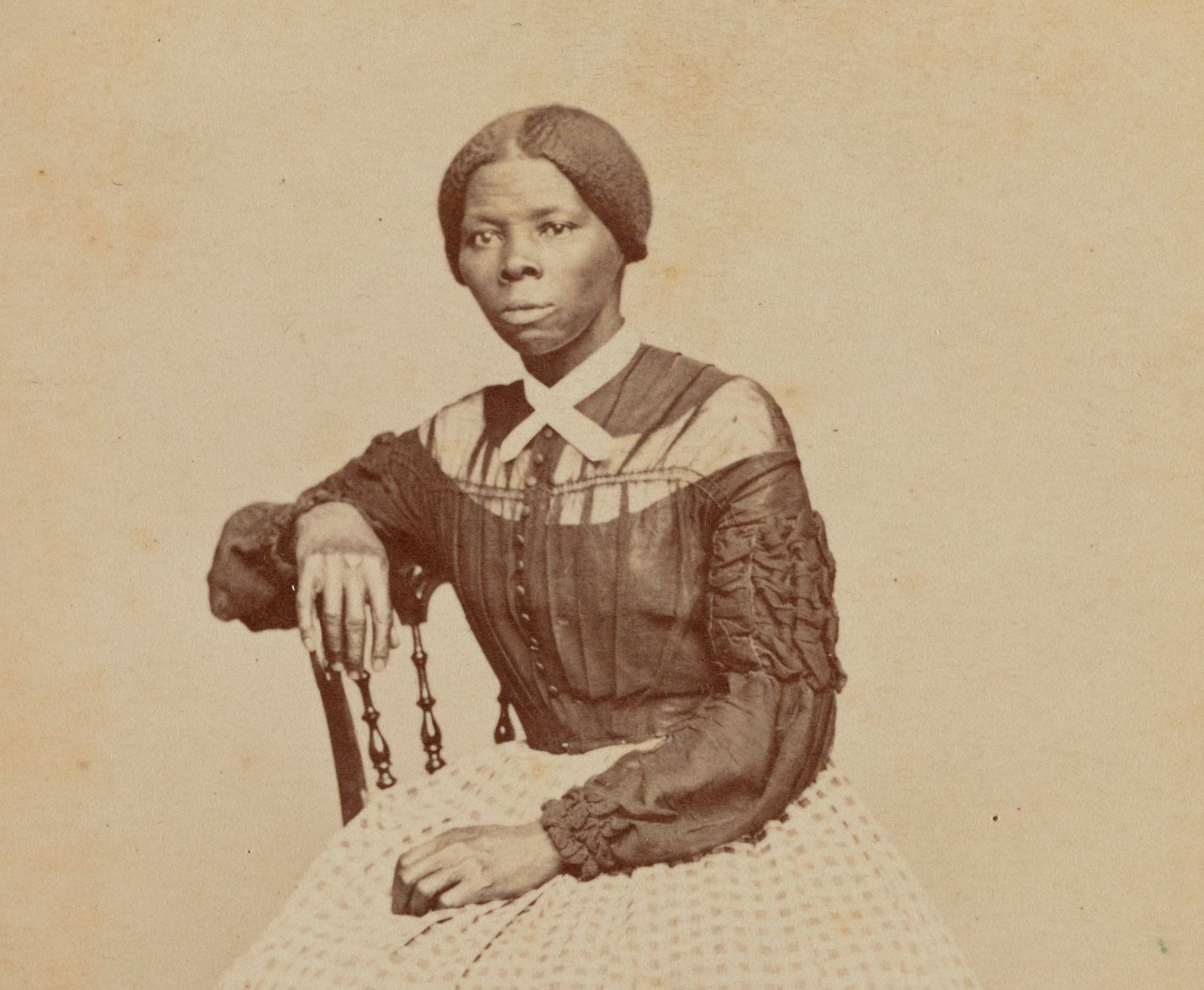
Harriet Tubman
 United States
abolitionist•social activist•nurse•scout•spy
Also known as: Araminta Ross, Minty, Moses
Data de nascimento
March 10, 1822
Signo
Pisces
Local de nascimento
Dorchester County, Maryland, USA
Idade
Faleceu aos 91
Altura
5 ft 0 in (152 cm)
Sobre
Harriet Tubman foi uma abolicionista e ativista social americana que se tornou uma das figuras mais corajosas e reverenciadas da história do país. Nascida na escravidão em Maryland, escapou para a liberdade no Norte ainda jovem, mas, em vez de permanecer segura, retornou repetidamente ao Sul, arriscando ser recapturada e morta para guiar familiares escravizados e outros à liberdade através da rede secreta de casas seguras conhecida como Ferrovia Subterrânea. Suas missões repetidas, realizadas com extraordinária coragem e engenhosidade, lhe renderam o apelido de Moisés. A bravura de Tubman se estendeu à Guerra Civil, quando serviu à União não apenas como enfermeira e cozinheira, mas como batedora e espiã, ajudando até mesmo a liderar um ataque armado que libertou centenas de pessoas escravizadas, um papel notável para uma mulher de sua época. Em seus últimos anos, continuou seu ativismo, tornando-se uma voz no movimento pelo sufrágio feminino e dedicando-se a cuidar dos idosos e pobres. Ela realizou tudo isso enquanto sofria efeitos vitalícios de uma lesão na cabeça infligida durante sua escravidão. Símbolo de liberdade, fé e resistência, Tubman foi homenageada em toda a cultura americana. Ela perdura como uma das figuras históricas mais inspiradoras e amadas do país.
Início da vida e origens
Harriet Tubman nasceu Araminta Ross por volta de março de 1822, no Condado de Dorchester, Maryland, filha dos pais escravizados Harriet Green e Ben Ross. Ela era uma de nove filhos. Quando criança, sofreu uma grave lesão na cabeça quando um feitor jogou um peso de ferro de duas libras em outra pessoa escravizada, acertando-a. Isso causou convulsões, dores de cabeça e sonhos vívidos ao longo da vida, que ela interpretou como premonições divinas. Ela foi alugada para vários senhores, trabalhando como ama-seca, caçadora e trabalhadora de campo, e suportou açoites brutais e privações. Nunca recebeu educação formal e permaneceu analfabeta por toda a vida. Seus primeiros passos em direção à liberdade vieram em 1844, quando se casou com John Tubman, um homem negro livre. O casamento não mudou seu próprio status de escravizada. Em 1849, temendo ser vendida para o sul após a morte de seu senhor, fez uma fuga solitária para a Pensilvânia, viajando à noite usando a Ferrovia Subterrânea. Este momento crucial a transformou; em vez de permanecer segura, ela resolveu retornar a Maryland para resgatar sua família, iniciando sua carreira como condutora na Ferrovia.
Crescimento na carreira
Harriet Tubman escapou da escravidão em 1849 e imediatamente começou seu trabalho como condutora na Ferrovia Subterrânea. Na década seguinte, fez aproximadamente 13 viagens de volta ao Sul, resgatando cerca de 70 pessoas escravizadas, incluindo seus pais, irmãos e sobrinha. Ela famosamente declarou: "Nunca perdi um único passageiro." Em 1856, resgatou seus três irmãos, Ben, Robert e Henry. Em 1859, comprou uma pequena fazenda em Auburn, Nova York, do abolicionista William H. Seward, que se tornou um lar para sua família e pais idosos. Durante a Guerra Civil, de 1862 a 1865, serviu ao Exército da União como enfermeira, cozinheira, batedora e espiã na Carolina do Sul. Em junho de 1863, guiou o ataque do Coronel James Montgomery ao Rio Combahee, liderando três barcos a vapor que libertaram mais de 700 pessoas escravizadas. Ela foi a primeira mulher a liderar uma operação militar armada na história dos EUA. Após a guerra, retornou a Auburn, mas teve sua pensão militar negada por décadas. Em 1896, começou a falar pelo sufrágio feminino ao lado de Susan B. Anthony e outros. Em 1903, doou terras à Igreja Episcopal Metodista Africana Zion para estabelecer o Harriet Tubman Home for the Aged, que abriu em 1908. Ela foi admitida no Lar em 1911, onde viveu até sua morte.
Linha do tempo da carreira
Imagem pública e estilo
Harriet Tubman é quase sempre retratada usando um turbante, um vestido simples e um xale, muitas vezes carregando um rifle ou uma lanterna. Ela é universalmente chamada de Moisés por seus admiradores e historiadores, apelido conquistado por liderar seu povo à liberdade. Sua persona pública é a de uma heroína destemida, altruísta e guiada divinamente. Ela é um símbolo de resistência, coragem e feminilidade negra. As celebrações anuais do Dia de Harriet Tubman em 10 de março e as reconstituições em locais históricos mantêm seu legado vivo. Seu legado é promovido por museus, escolas e grupos ativistas usando hashtags como #HarrietTubman e #BlackHistoryMonth. Representações na mídia, incluindo o filme Harriet de 2019 estrelado por Cynthia Erivo, cimentaram sua imagem como uma das maiores heroínas da América. Ela foi homenageada com reconhecimentos póstumos: um navio Liberty lançado em 1944, selos do Serviço Postal dos EUA em 1974 e 1995, uma moeda de $1 em 1999, indução ao National Women's Hall of Fame em 2003 e uma proclamação presidencial de 2013 do Dia de Harriet Tubman. Em 2016, o Tesouro anunciou que ela substituiria Andrew Jackson na nota de $20, embora o redesenho ainda esteja em andamento. Ela foi incluída no Hall da Fama do Corpo de Inteligência Militar do Exército dos EUA em 2022 e no Maryland Women's Hall of Fame em 2024. Uma estátua foi inaugurada na Prefeitura da Filadélfia em 2025. Ela apareceu nas capas das revistas Time, National Geographic e Smithsonian.
Fama e fandom
Harriet Tubman holds no placement in the iFANN Global Top 1,000 rankings or any scope-specific lists as of August 2026. The iFANN Global Fame Engine evaluated her profile but determined she currently lacks a published rank within these specific metrics. While she commands immense historical reverence, she does not appear on the current leaderboards that track contemporary celebrity momentum. Her audience operates without a formal moniker; there is no documented collective name for those who champion her legacy. Unlike modern pop stars with dedicated fan clubs, Tubman's supporters engage through civic activism and educational advocacy rather than fandom rituals. No organized group refers to themselves by a specific title, nor are there recorded fan-funded projects like birthday billboards or streaming pushes. Instead, the energy surrounding her name manifests in political campaigns and legislative efforts. Recent initiatives include Senate pushes to feature her on the $20 bill and the unveiling of new monuments in Newark. These actions represent a highly organized public effort to elevate her status, driven by historians and activists rather than a traditional fanbase. Her cultural mythology remains anchored in verified milestones: the thirteen missions to rescue approximately seventy enslaved people and the Combahee River Raid where she led Union troops to free over seven hundred individuals. This engagement transcends entertainment, focusing on racial justice and historical commemoration.
Fatos interessantes e lendas
Harriet Tubman suffered from narcolepsy-like episodes caused by a severe head injury sustained during slavery, sometimes falling asleep mid-conversation. She carried a pistol on her Underground Railroad missions and threatened to shoot any fugitive attempting to turn back, declaring, "You'll be free or die." A devout Christian, she prayed constantly and claimed God spoke to her directly. Though illiterate, she navigated using the North Star, moss on trees, and deep knowledge of swamps. During the Civil War, she treated soldiers with dysentery using herbal remedies. Tubman was a heavy pipe smoker, stood roughly five feet tall, and was described as small, wiry, and strong. She changed her name from Araminta Ross to Harriet around the time of her escape. She supported John Brown's raid on Harpers Ferry and corresponded with Frederick Douglass. A widely retold story claims she used the spiritual "Go Down Moses" as a coded signal for escapees. Historians note her legendary claim of never losing a passenger during her nineteen trips back into slave territory, rescuing about seventy people directly while assisting hundreds more indirectly. In 1863, she became the first woman in U.S. history to lead a military expedition, guiding Union troops in the Combahee River Raid to free more than seven hundred enslaved people. She spoke at the first meeting of the National Association of Colored Women in 1896 before dying of pneumonia on March 10, 1913, at age 91.
Frases notáveis
“I had reasoned this out in my mind: there was one of two things I had a right to, liberty or death; if I could not have one, I would have the other.”
“I never ran my train off the track, and I never lost a passenger.”
“Every great dream begins with a dreamer. Always remember, you have within you the strength, the patience, and the passion to reach for the stars to change the world.”
“I freed a thousand slaves. I could have freed a thousand more if only they knew they were slaves.”
Família e vida pessoal
Os pais de Harriet Tubman eram Ben Ross, um avaliador de madeira, e Harriet Rit Green, que trabalhava como cozinheira. Ela tinha oito irmãos: Linah, Mariah Ritty, Soph, Robert, Ben, Rachel, Henry e Moses. Nunca teve filhos biológicos. Casou-se com John Tubman, um homem negro livre, em 1844; eles se separaram em 1849, quando ela escapou para o norte. Em 1869, casou-se com Nelson Davis, um ex-escravizado e veterano da Guerra Civil que era 22 anos mais jovem. Eles adotaram uma filha chamada Gertie em 1874. Nelson morreu de tuberculose em 14 de outubro de 1888, e Tubman ficou viúva pelo resto da vida. Ela viveu em Auburn, Nova York, em uma fazenda que comprou em 1859, que se tornou um lar para seus pais idosos e família.
Conexões notáveis
Harriet Tubman trabalhou em estreita colaboração com Thomas Garrett, um abolicionista quaker que ajudou a financiar suas missões, e William Still, que registrou as histórias dos fugitivos que ela trouxe para o norte. Ela apoiou o ataque de John Brown a Harpers Ferry e se correspondeu com Frederick Douglass, que elogiou seu trabalho. Ela discursou em eventos pelo sufrágio feminino ao lado de Susan B. Anthony. Em 2019, Cynthia Erivo a interpretou no filme Harriet.
Relacionamentos e história amorosa
Harriet Tubman casou-se com John Tubman, um homem negro livre, em 1844. Eles se separaram em 1849 quando ela escapou da escravidão; ele se recusou a acompanhá-la e mais tarde se casou novamente com uma mulher livre chamada Caroline. Ela nunca se divorciou legalmente dele. Em 18 de março de 1869, ela se casou com Nelson Davis, um ex-escravizado e veterano da Guerra Civil que era 22 anos mais jovem. Eles adotaram uma filha chamada Gertie em 1874. Nelson morreu de tuberculose em 14 de outubro de 1888, deixando Tubman viúva pelo resto da vida. Até sua morte em 1913, ela não teve outros relacionamentos.
- Casado(a)John Tubman1844 - 1849Casou-se em 1844; separou-se quando Tubman escapou da escravidão. John recusou-se a acompanhá-la e mais tarde se casou novamente.
- Casado(a)Nelson Davis1869 - 1888Casou-se em 18 de março de 1869. Adotou a filha Gertie em 1874. Nelson morreu de tuberculose em 1888.
Morte e repercussões
Morte
March 10, 1913 (aos 91 anos)
Local da morte
Desconhecido
Causa da morte
Desconhecido
A quiet stillness settled over Auburn, New York, as the community mourned a woman who had spent her life creating noise for others to hear. The funeral service at the AME Zion Church drew hundreds of mourners who lined the streets to honor the conductor of the Underground Railroad. Harriet Tubman passed away on March 10, 1913, within the home she had established for herself and her adopted daughter Gertie. She had lived in poverty for decades, relying on a small pension and the generosity of friends like Susan B. Anthony to survive her final years. Medical records from the era do not specify the exact illness that claimed her, though accounts suggest her health had been fragile since childhood injuries sustained during slavery.
Her body was laid to rest in a modest plot at the Fort Hill Cemetery, where she remained near the land she donated for the elderly. In the decades following her death, the United States government slowly began to recognize her contributions, eventually granting her a military pension posthumously. The legacy she built continued through the Harriet Tubman Home for the Aged, which cared for African American seniors long after she could no longer serve as its director. Modern tributes now include the planned redesign of the twenty-dollar bill, though political shifts have delayed this recognition.
Patrimônio (valor do espólio)
$10 Thousand
Estimativa da equipe editorial do iFANN
Harriet Tubman died in 1913 with very little personal wealth. She lived in poverty, supported by a pension of $20 per month and donations from supporters. Her estate at death was valued at less than $100. She has no posthumous estate that generates income; her image and legacy are in the public domain. The U.S. Mint's coin sales featuring her likeness generate revenue for the government, not her estate. Per iFANN's editorial analysis, her net worth is estimated at $10 Thousand as of 2026, reflecting the minimal value of her personal belongings and historical artifacts.
Prêmios e condecorações
View 15 records, honours and achievementsConhecido por
Underground Railroad
1850-1860 · Maestro
Combahee River Raid
1863 · Leader and scout
Women's Suffrage Movement
1896-1913 · Activist and speaker
Palavras-chave
Dados rápidos
- Profissão
- abolitionist, social activist, nurse, scout, spy
- Nascimento
- +1822-03-10
- Local de nascimento
- Dorchester County, Maryland, USA
- Morte
- +1913-03-10
- Local da morte
- Auburn, New York, USA
- Gênero
- Feminino
- Cônjuge
- John Tubman, Nelson Davis
- Altura
- 5 ft 0 in (152 cm)
Dados pessoais
- Nome completo
- Araminta Ross
- Altura
- 5 ft 0 in (152 cm)
- Cônjuge
- John Tubman, Nelson Davis
- Filhos
- Gertie (adopted daughter)
Perguntas frequentes
Quantos anos Harriet Tubman tinha quando morreu?
Harriet Tubman teve filhos?
Harriet Tubman foi casada?
Qual era o verdadeiro nome de Harriet Tubman?
Por que Harriet Tubman está na nota de $20?
Redes sociais
Pessoas semelhantes
Junte-se à comunidade
fãs comentando