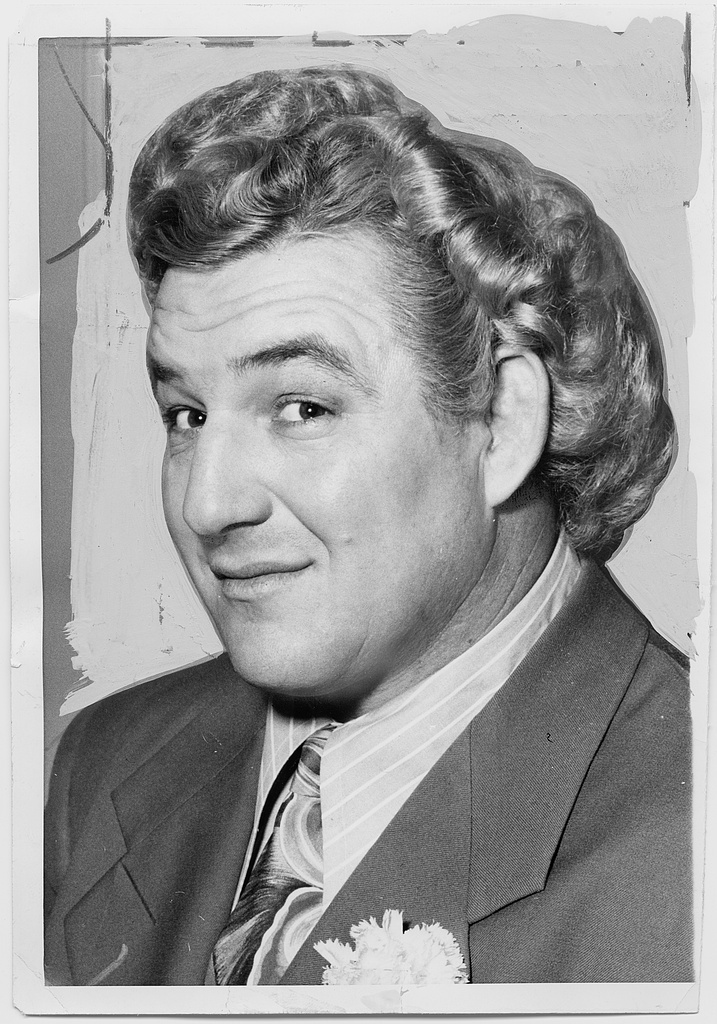
Gorgeous George
 United States
Also known as: George Raymond Wagner
Data de nascimento
March 24, 1915
Signo
Aries
Local de nascimento
Butte, Nebraska, U.S.
Idade
Faleceu aos 48
Altura
5 ft 9 in (175 cm)
Sobre
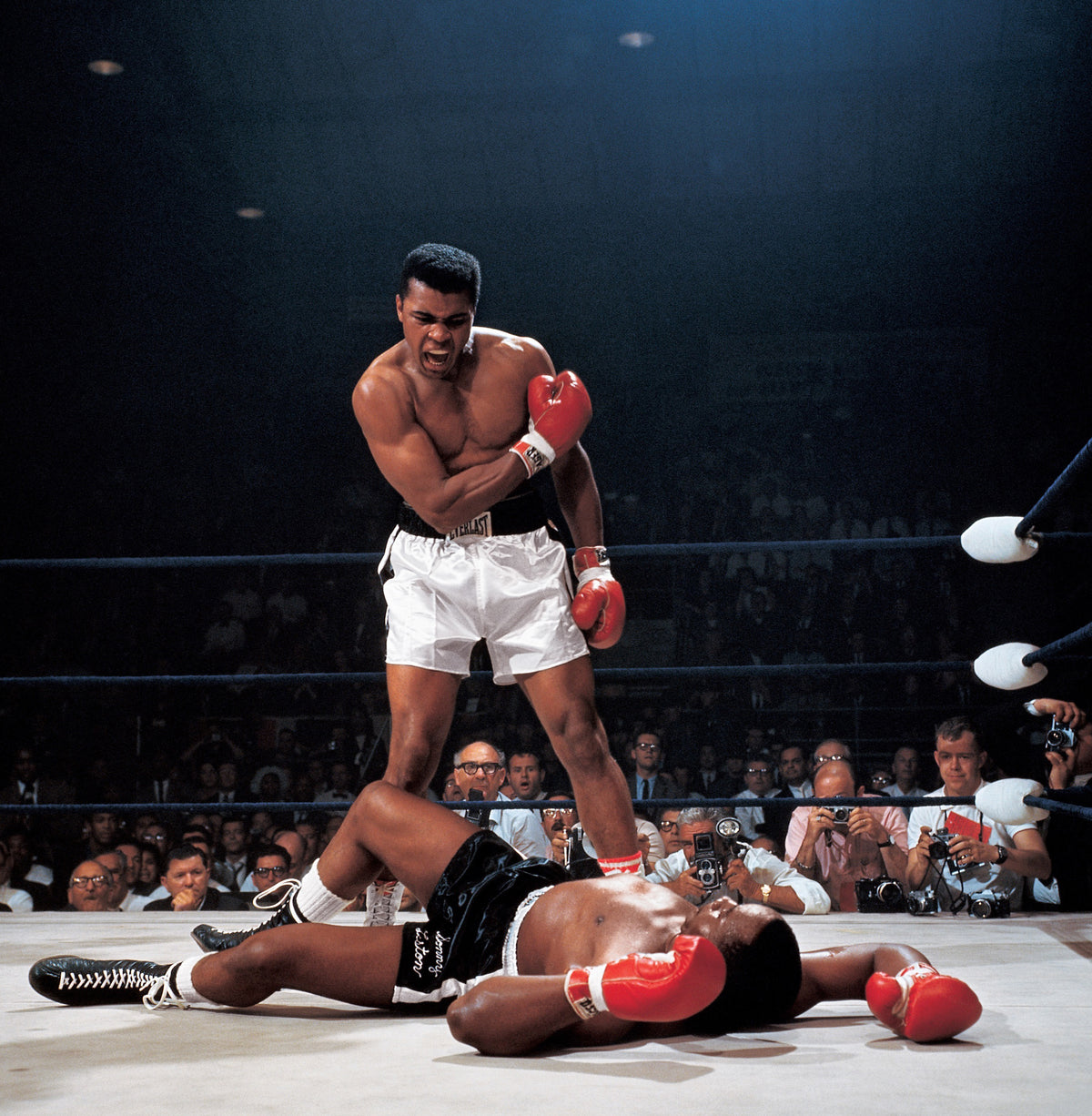
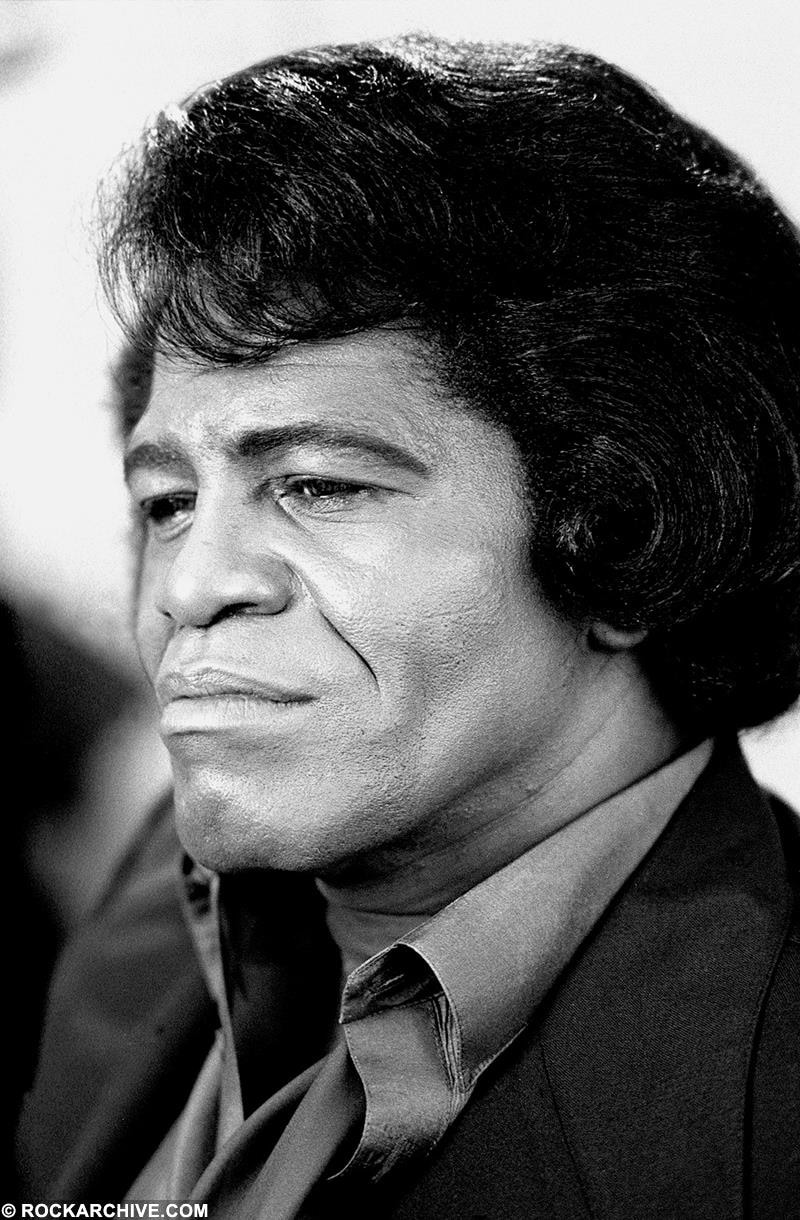
Gorgeous George, nascido George Raymond Wagner, foi um lutador profissional americano que se tornou uma das maiores estrelas do esporte durante as décadas de 1940 e 1950. Conhecido por seu personagem extravagante e ultrajante, ele foi pioneiro na televisão de entretenimento e transformou a luta livre em um espetáculo. Em seu auge, era uma celebridade nacional, atraindo enormes multidões e atenção da mídia. Sua influência se estendeu muito além da luta livre, inspirando ícones como Muhammad Ali, Bob Dylan e James Brown. Hoje, ele é lembrado como um pioneiro que transformou a luta livre profissional em uma forma de entretenimento popular.
Início da vida e origens
George Raymond Wagner cresceu na pobreza em Butte, Nebraska, durante a Grande Depressão. Com poucas oportunidades, ele se voltou para a luta livre profissional como forma de ganhar a vida. No início de sua carreira, era um lutador comum como a maioria dos competidores da época. Com apenas 1,75 m de altura e pesando 98 kg, ele tinha habilidades limitadas no ringue e obteve pouco sucesso. O momento decisivo veio quando ele concebeu a ideia de criar uma persona voltada para o entretenimento. Transformando-se em Gorgeous George, tornou-se um vilão arrogante de cabelos platinados, envolto em renda e pele. Ele estreou o personagem entrando no ringue ao som de "Pomp and Circumstance", acompanhado por um mordomo que borrifava o ringue com perfume Chanel. Quando os oficiais o revistavam em busca de objetos estranhos, ele recuava e gritava: "Tire suas mãos sujas de mim!"
Crescimento na carreira
Gorgeous George fez sua estreia na luta livre profissional em 1932. Durante as décadas de 1940 e 1950, a "Primeira Era de Ouro" da luta livre profissional, ele se tornou uma das maiores estrelas dos Estados Unidos. Seu personagem era uma grande celebridade nacional e um pioneiro da televisão de entretenimento inicial. Ele conquistou o Campeonato dos Pesos Pesados da AWA e o Campeonato dos Pesos Pesados da NWA. Em 7 de novembro de 1962, ele se aposentou da luta livre profissional. Postumamente, sua influência foi reconhecida por Muhammad Ali, Bob Dylan e James Brown, que o citaram como uma grande influência em suas personas. Em 2008, a primeira biografia completa, Gorgeous George: The Outrageous Bad Boy Wrestler who Created American Pop Culture, foi publicada.
Linha do tempo da carreira
Imagem pública e estilo
A persona pública de Gorgeous George era construída em extravagância e exibicionismo. Ele exibia cabelos platinados, usava vestes de renda e pele, e entrava no ringue ao som de música clássica. Sua apresentação efeminada foi projetada para enfurecer o público, tornando-o um vilão odiado. A mídia o descrevia como "extravagante e carismático". Ele foi um pioneiro da televisão de entretenimento inicial, e seu personagem influenciou gerações de artistas. Os fãs eram atraídos por suas travessuras ultrajantes, e seus bordões se tornaram icônicos.
Fama e fandom
Gorgeous George did not just wrestle; he invented the modern villain. Decades before Hulk Hogan or The Rock, this platinum-blond heel turned a athletic contest into a theatrical spectacle that drew national headlines and massive crowds. His legacy as the original sports entertainer remains unshaken in wrestling history circles. Despite his historical impact, iFANN's Global Fame Engine has evaluated this person, but they do not currently hold a placement in the published rankings (Global Top 1,000 or a Top-100 scope list). He is not ranked within the current global top tiers of fame. While his influence permeates pop culture, inspiring icons like Muhammad Ali and Bob Dylan, he does not appear on the latest global lists of most famous people. The fanbase for Gorgeous George has no formal name. During his lifetime, there was no organized club with a specific moniker like a modern 'Beyhive' or 'Swifties.' Instead, the audience interaction was defined by the ritual of hatred he cultivated. Fans learned to love him by booing his entrance music, Pomp and Circumstance, and his lace robes. This dynamic created a passive but profound fandom where the crowd itself became part of the show through their visceral reactions to his antics. No specific fan-funded projects or digital campaigns exist for the wrestler today, as he predates the era of organized streaming pushes. His story survives through biographies and the enduring archetype of the heel character he pioneered.
Fatos interessantes e lendas
Gorgeous George's entrance music was "Pomp and Circumstance," the same march played at graduation ceremonies. He had a manservant spray the wrestling ring with Chanel perfume before his matches. His catchphrase to officials was "Get your filthy hands off of me!" Bob Dylan wrote in Chronicles: Volume One that meeting George changed his life. James Brown said he modeled his stage act after George's antics. A verified legend from his career involves his meticulous preparation for every match, which included having his ring sprayed with expensive perfume to create a distinct olfactory signature that fans associated with his arrival. Another iconic moment cemented his status as a pioneer when he entered the ring to orchestral music rather than the typical rock or novelty tunes of the time, turning a standard bout into a high-production event. The story of his "platinum blonde villain" persona is often retold as the single-handed creation of the American pop culture phenomenon of the wrestling bad guy. Before cameras rolled, he was one of the few heels who built the modern villain blueprint, influencing countless pre-TV performers who are now lesser-known figures.
Frases notáveis
“Get your filthy hands off of me!”
“He winked and seemed to mouth the phrase, 'You're making it come alive.' I never forgot it.”
Família e vida pessoal
Conexões notáveis
Relacionamentos e história amorosa
Gorgeous George casou-se com Betty Hanson em 1939; eles se divorciaram posteriormente. Ele então se casou com Cherie Dupré em 1951; eles se divorciaram em 1962. Não teve filhos de nenhum dos casamentos. Na época de sua morte em 26 de dezembro de 1963, estava solteiro.
- Casado(a)Betty Hanson1939 - presentePrimeira esposa; divorciado.
- Casado(a)Cherie Dupré1951 - 1962Segunda esposa; divorciado após 11 anos.
Morte e repercussões
Morte
December 26, 1963 (aos 48 anos)
Local da morte
Los Angeles, California
Causa da morte
Heart attack (myocardial infarction)
George Raymond Wagner, known professionally as Gorgeous George, died on December 26, 1963, at the age of 48. He passed away in Los Angeles, California, specifically at Cedars-Sinai Medical Center. The official cause of death was a heart attack resulting from chronic cardiovascular issues exacerbated by his lifestyle and past injuries. This ruling was established through medical examination by hospital staff and confirmed by a coroner's report which noted that Wagner had been suffering from these conditions prior to his final days. Wagner had retired from active professional wrestling several years earlier but remained a public figure until his health failed.
As the death was ruled a natural heart attack occurring in a hospital setting with no suspicious circumstances, law enforcement involvement was not required. Specific details regarding the date, location, and attendees of the funeral or memorial service for Gorgeous George are not made public in the available search results. Records do not specify whether the service was private or public, nor do they list notable performers or attendees.
The wrestling community and fans reacted with immediate shock and mourning upon his passing. Tributes from peers highlighted his role in popularizing the heel persona and his influence on future stars like Hulk Hogan and Ric Flair. Muhammad Ali acknowledged the profound impact Wagner had on the sport. Posthumous honors include induction into the WWE Hall of Fame in 2007 and the Professional Wrestling Hall of Fame and Museum in 2003. A biography titled "Gorgeous George: The Outrageous Bad-Boy Wrestler Who Created American Pop Culture" was published in 2008 by John Capouya. His estate and likeness have been managed by the WWE and his family, with general acknowledgments of his enduring brand value.
Patrimônio (valor do espólio)
$0
Estimativa da equipe editorial do iFANN
As of 2026, Gorgeous George died on December 26, 1963, reportedly penniless. Per iFANN's editorial analysis, the total value of his estate is $0. Despite earning great wealth as a world wrestling champion during his peak years, he hit rock-bottom financially before his death. No specific dollar figures for his posthumous earnings are available. His legacy continues through Hall of Fame inductions and biographical works.
Prêmios conquistados (2)
Gorgeous George foi introduzido postumamente no Professional Wrestling Hall of Fame em 2002 e no Hall da Fama da WWE como parte da Classe de 2010.
2002 · Indução
Career
2010 · Indução
Career
Conhecido por
Professional Wrestling
1932–1962 · Professional Wrestler
Palavras-chave
Fontes
Dados rápidos
- Profissão
- professional wrestler, actor
- Nascimento
- +1915-03-24
- Local de nascimento
- Butte, Nebraska
- Morte
- +1963-12-26
- Local da morte
- Los Angeles, California
- Gênero
- Masculino
- Altura
- 5 ft 9 in (175 cm)
Dados pessoais
- Nome completo
- George Raymond Wagner
- Altura
- 5 ft 9 in (175 cm)
Perguntas frequentes
Como Gorgeous George morreu?
Gorgeous George era realmente tão extravagante?
Quem Gorgeous George influenciou?
Qual era o nome verdadeiro de Gorgeous George?
Gorgeous George está no Hall da Fama da WWE?
Pessoas semelhantes
Junte-se à comunidade
fãs comentando