

George Washington
 United States
politician•farmer•cartographer
Also known as: Father of His Country
Data de nascimento
February 22, 1732
Signo
Pisces
Local de nascimento
Westmoreland County, Virginia
Idade
Faleceu aos 67
Altura
6 ft 2 in (188 cm)
Sobre
George Washington was the first president of the United States and a Founding Father who led the Continental Army to victory in the American Revolution. Born in 1732 in Virginia, he gained military experience during the French and Indian War and later served in the Virginia House of Burgesses. Appointed commander-in-chief in 1775, Washington faced enormous challenges: poorly trained troops, scarce supplies, and a powerful British enemy. His leadership at Trenton, Princeton, and ultimately Yorktown secured American independence. After the war, he presided over the Constitutional Convention and was unanimously elected president in 1789. Washington set key precedents, including a two-term limit and a neutral foreign policy. He died in 1799 at age 67, leaving a legacy as the Father of His Country.
Início da vida e origens
Washington cresceu em Ferry Farm, perto de Fredericksburg, Virgínia, após a morte de seu pai Augustine quando ele tinha 11 anos. Ele não recebeu uma educação clássica formal como seus meio-irmãos mais velhos; em vez disso, aprendeu a ler, escrever e matemática com tutores locais e por autoestudo. Aos 17 anos, usou conexões familiares para se tornar o topógrafo oficial do Condado de Culpeper, viajando pelo interior da Virgínia e mapeando terras de fronteira. Essa experiência construiu seu conhecimento da região e levou à especulação imobiliária. No início dos seus 20 anos, ele se juntou à milícia da Virgínia e em 1753 foi enviado em uma perigosa missão diplomática aos franceses no Vale do Ohio. A missão o tornou uma figura regional, mas foi o confronto que ele liderou em 1754 que acidentalmente ajudou a iniciar a Guerra Franco-Indígena. Ele foi derrotado e forçado a se render em Fort Necessity, aprendendo lições difíceis sobre liderança. Em 1755, ele serviu como ajudante do General Braddock na desastrosa Batalha de Monongahela, onde sua calma sob fogo aumentou sua reputação. Ao final da guerra, ele comandou o Regimento da Virgínia. Em 1758, ele foi eleito para a Câmara dos Burgueses da Virgínia, entrando para a política. Ele renunciou ao seu posto em 1759, casou-se com Martha Custis e se concentrou em administrar Mount Vernon e servir vários mandatos na legislatura. Sua experiência militar o tornou um dos oficiais mais experientes das colônias, posicionando-o para o comando quando a revolução eclodiu.
Crescimento na carreira
Em 15 de junho de 1775, o Segundo Congresso Continental nomeou Washington comandante-em-chefe do Exército Continental. Sua primeira grande vitória veio em março de 1776, quando ele forçou os britânicos a evacuar Boston fortificando Dorchester Heights. Após severas derrotas em Nova York, ele realizou a famosa travessia do Delaware na noite de Natal de 1776, surpreendendo tropas hessianas em Trenton e seguindo com uma vitória em Princeton. O exército suportou invernos brutais em Morristown e Valley Forge, onde a liderança de Washington e o treinamento do Barão von Steuben transformaram recrutas inexperientes em uma força profissional. Em 1781, trabalhando com aliados franceses, ele encurralou Cornwallis em Yorktown, forçando a rendição que efetivamente encerrou a guerra. Após o Tratado de Paris em 1783, Washington renunciou ao seu posto, um ato surpreendente que cimentou seus valores republicanos. Em 1787, ele presidiu a Convenção Constitucional, conferindo legitimidade crucial. Eleito unanimemente o primeiro presidente em 1789, ele estabeleceu o sistema de gabinete, apoiou o programa financeiro de Hamilton e suprimiu a Rebelião do Whiskey. Ele manteve a neutralidade americana durante a Revolução Francesa e assinou o Tratado de Jay para evitar a guerra com a Grã-Bretanha. Seu Discurso de Despedida em 1796 alertou contra o partidarismo e as alianças estrangeiras. Ele se aposentou em Mount Vernon em 1797 e morreu lá em 1799.
Linha do tempo da carreira
Imagem pública e estilo
Washington cultivou uma imagem de dignidade, moderação e virtude cívica. Ele se vestia com roupas finas, mas evitava ostentação, muitas vezes usando um simples terno escuro para suas funções presidenciais. Sua persona pública era a de um líder relutante que atendia ao chamado do dever. Ele era conhecido por sua postura reservada e fala cuidadosa, raramente demonstrando emoção em público. A mídia de sua época, jornais e panfletos, o retratava como um herói, embora alguns criticassem suas decisões militares. Sua imagem na nota de um dólar e na moeda de vinte e cinco centavos, juntamente com o Monumento a Washington, cimentam seu status como um ícone nacional. Fãs e historiadores frequentemente se referem a ele como o Pai de Sua Nação, um título que reflete seu papel central na fundação da nação.
Fama e fandom (iFAMOUS Rankings)
George Washington stands as the 199th most famous person in the world, a position he has held steady from the previous cycle. His prominence extends deeply across his home nation, where he ranks as the 14th most famous person in United States. Among those born in America, he holds the 81st most famous person from United States globally for origin fame. In the broader North American context, he is the 20th most famous person in North America, while within the specific sphere of Politics, he claims the 34th most famous person in Politics. These placements reflect his enduring status as the central figure of American history, tracked by the iFANN Global Fame Rankings through its analysis of global attention across media coverage, search, and consumption signals worldwide.
Despite this massive modern visibility, George Washington does not possess a formal fandom name or organized fanbase structure. The search results confirm that as a historical figure who lived in the 18th century, concepts like chart pushes, birthday billboards, or organized fan campaigns do not apply to him. There are no documented instances of fans fainting at his appearances or crowds shutting down streets due to his presence, as he lived in an era without mass media coverage or stadium concerts. While a 2026 film titled *Young Washington* celebrates his 250th birthday and news reports mention the USS *George Washington* heading to the Middle East, these events relate to his legacy rather than a living fan community. Consequently, his audience consists of historians, students, and general admirers of the Founding Fathers who engage with his life through museums, textbooks, and cultural artifacts rather than a unified fan organization.
Fatos interessantes e lendas
While the story of George Washington chopping down a cherry tree remains one of the most persistent tales in American folklore, it was actually invented by biographer Parson Weems after Washington's death. In reality, Washington was an expert horseman who reportedly rode horses from an early age and maintained a pack of hounds for avid fox hunting at Mount Vernon. Contrary to popular belief, his false teeth were never made of wood; they were crafted from ivory, gold, and human teeth. He was also known for his simple culinary tastes, with hoecakes, a type of cornmeal pancake often served with butter and honey, reportedly being his favorite food. Uniquely among all U.S. presidents, Washington personally led troops in battle while serving in office, commanding the militia during the Whiskey Rebellion.
The legends surrounding Washington often focus on his pivotal role in founding the nation. A widely retold story highlights his calm demeanor during the disastrous Battle of Monongahela in 1755, where four horses were shot out from under him and two bullets pierced his coat, yet he remained composed to lead the retreat. Another foundational legend centers on his decision to resign his commission after the Revolutionary War, voluntarily stepping away from power to return to private life at Mount Vernon, a moment that cemented his reputation for civic virtue. These narratives, along with his service presiding over the Constitutional Convention and taking the oath of office as the first president in 1789, form the bedrock of his cultural mythology.
Frases notáveis
“I cannot tell a lie. I did it with my little hatchet.”
“It is far better to be alone, than to be in bad company.”
“Happiness and moral duty are inseparably connected.”
“To be prepared for war is one of the most effectual means of preserving peace.”
Família e vida pessoal
O pai de Washington, Augustine Washington, era um fazendeiro e juiz de paz que morreu quando George tinha 11 anos. Sua mãe, Mary Ball Washington, o criou em Ferry Farm. Seu meio-irmão mais velho, Lawrence, tornou-se um mentor e o apresentou à família Fairfax. Washington casou-se com Martha Dandridge Custis em 6 de janeiro de 1759. Ela era uma viúva rica com dois filhos pequenos, John Parke Custis e Martha "Patsy" Custis. Washington ajudou a criá-los e depois seus netos, mas ele e Martha nunca tiveram filhos biológicos juntos. A família morava em Mount Vernon, uma plantação que Washington expandiu e reformou extensivamente. Ele possuía cerca de 123 pessoas escravizadas pessoalmente em sua morte, com muitas mais sob o espólio Custis. Em seu testamento, ele providenciou a liberdade das pessoas escravizadas que possuía após a morte de Martha.
Conexões notáveis
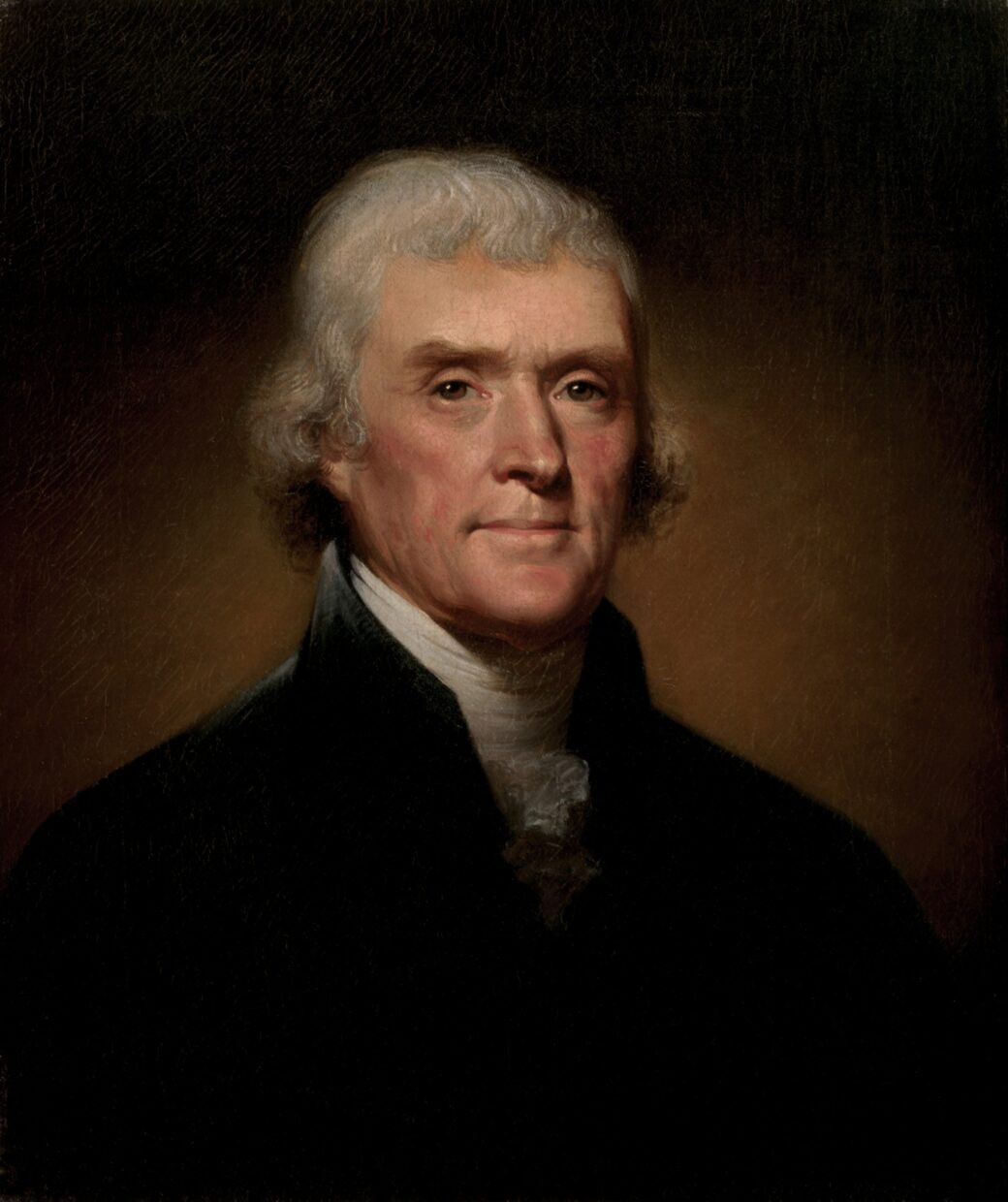
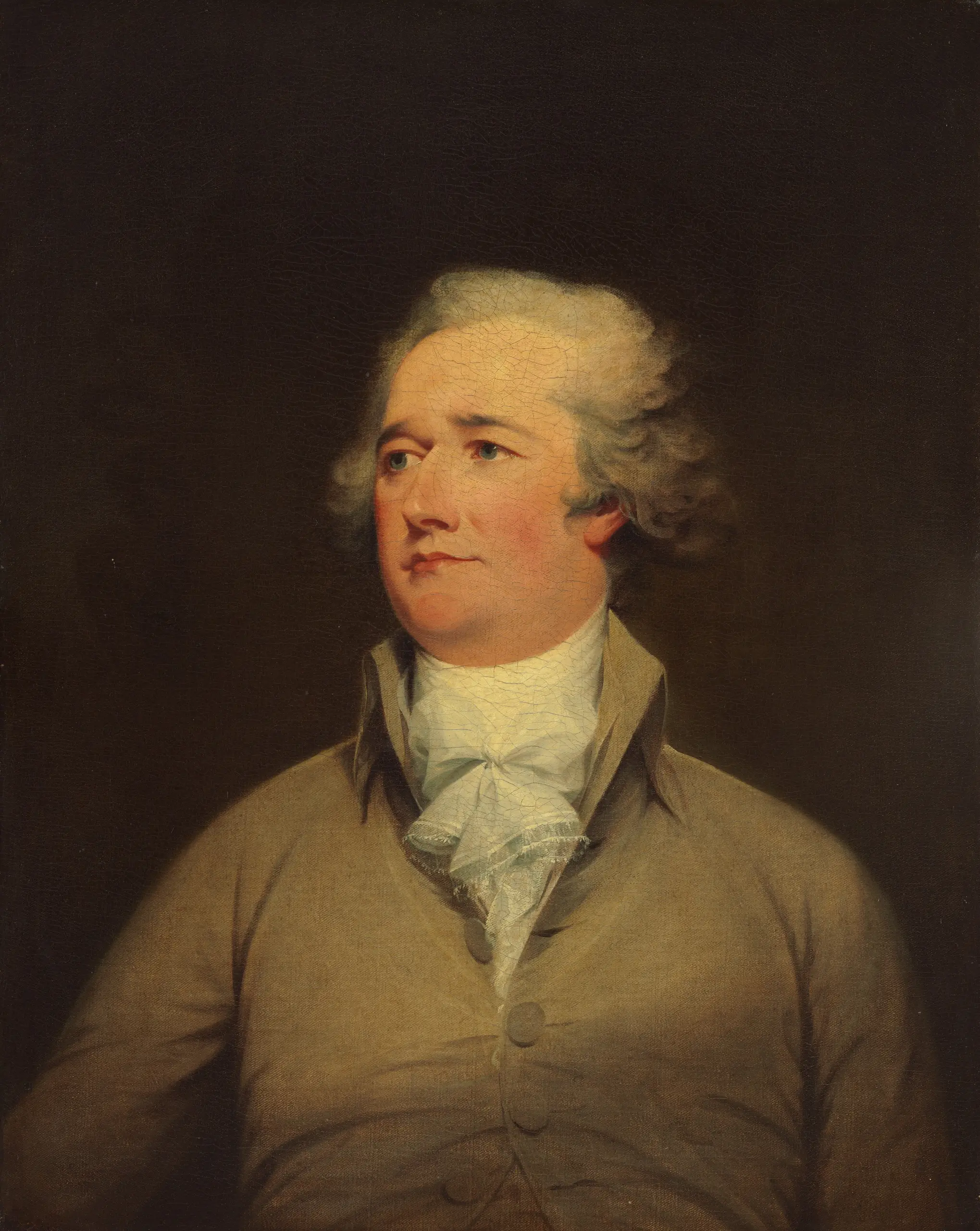
Washington trabalhou em estreita colaboração com Alexander Hamilton, seu Secretário do Tesouro, que moldou a política financeira. Ele confiou em Thomas Jefferson como Secretário de Estado, apesar de seus crescentes desacordos. O Marquês de Lafayette tornou-se um amigo próximo e aliado durante a Revolução. Washington também se correspondeu e recebeu conselhos de James Madison, que ajudou a redigir a Constituição.
Relacionamentos e história amorosa
A vida romântica de Washington é marcada por um profundo apego inicial e um casamento longo e estável. Em meados da década de 1750, ele formou um forte vínculo emocional com Sally Cary Fairfax, esposa de seu amigo George William Fairfax. Sua correspondência sugere um afeto mútuo, mas o relacionamento permaneceu platônico e terminou quando Washington se casou com Martha Custis em 1759. Martha Dandridge Custis era uma viúva rica com dois filhos. Seu casamento em 6 de janeiro de 1758 foi uma união prática que trouxe a Washington terras e riqueza substanciais, mas também se tornou uma parceria devotada. Eles criaram os filhos de Martha e, mais tarde, seus netos juntos em Mount Vernon. Washington foi um marido fiel, e não há evidências críveis de casos extraconjugais. A partir de 1799, ele foi casado até sua morte.
- RumoresSally Cary Fairfax1755 - 1758Profundo apego emocional, mas permaneceu platônico pois ela era casada com George William Fairfax.
- Casado(a)Martha Washington1759 - 1799Casou-se em 6 de janeiro de 1759; ela era uma viúva rica; eles criaram os filhos dela juntos.
Morte e repercussões
Morte
December 14, 1799 (aos 67 anos)
Local da morte
Fairfax County, Virginia, USA
Causa da morte
Reported as inflammation of the throat and angina pectoris
On the evening of December 14, 1799, George Washington passed away at his home, Mount Vernon, in Fairfax County, Virginia, following a rapid decline that began after he rode out to inspect his estate during a harsh winter storm. The former commander-in-chief and president had spent his final days suffering from a severe sore throat and difficulty breathing, conditions that worsened despite aggressive interventions by his physicians, Dr. James Craik, Dr. Elisha Dick, and Dr. Gustavus Brown. These doctors administered massive bloodlettings and blistering agents, actions now viewed as medically inappropriate, yet the official ruling attributed his death to inflammation of the throat complicated by quinsy and angina pectoris, with the extensive blood loss further weakening his heart and circulation.
The nation reacted with immediate and profound grief, as tributes poured in from across the newly formed United States while Congress ordered a marble monument and members wore black mourning bands for six months. A massive funeral procession took place on December 18, 1799, in Philadelphia where bells tolled continuously for nine days before Washington's body was transported back to Mount Vernon for a private burial attended by family, friends, and military officers like General Henry Lee, who delivered the famous eulogy describing him as first in war, peace, and the hearts of his countrymen. His remains were later moved to a new crypt within the same vault in 1831 due to structural concerns, though the original site remains at the estate.
In the posthumous era, Washington has been honored extensively as the only U.S. president depicted on the one-dollar bill and the quarter, with dedications including the District of Columbia, the state of Washington, and the George Washington University. His will freed all his enslaved people upon the death of his wife Martha and left the majority of his land and assets to his nephew, Bushrod Washington, ensuring his legacy is managed today by the George Washington Foundation and commemorated through institutions like the George Washington Bridge.
Patrimônio (valor do espólio)
$500 Million
Estimativa da equipe editorial do iFANN
Per iFANN's editorial analysis, George Washington's estate value is estimated at $500 Million as of 2026, reflecting the immense historical and cultural significance of his legacy. The primary sources of this value are Mount Vernon, which operates as a major historic site attracting over a million visitors annually, and the licensing of his image on currency, coins, and commemorative items. The Mount Vernon Ladies' Association manages the estate, generating revenue through ticket sales, museum operations, and gift shop sales. Additionally, Washington's writings and personal artifacts have been sold at auction for substantial sums. The estate has grown steadily over the years, driven by tourism and the enduring fascination with the Founding Father.
Prêmios e condecorações
View 8 records, honours and achievementsConhecido por
Commander-in-Chief of the Continental Army
1775 · Geral
First President of the United States
1789 · Presidente
Presiding over the Constitutional Convention
1787 · President of the Convention
Palavras-chave
Fontes
Dados rápidos
- Profissão
- politician, farmer, cartographer
- Nascimento
- +1732-02-22
- Local de nascimento
- Westmoreland County
- Morte
- +1799-12-14
- Local da morte
- Mount Vernon
- Gênero
- Masculino
- Cônjuge
- Martha Washington
- Signo
- Sagittarius
- Signo
- Pisces
Dados pessoais
- Nome completo
- George Washington
- Altura
- 6 ft 2 in (188 cm)
- Cônjuge
- Martha Washington
- Filhos
- John Parke Custis (stepson), Martha "Patsy" Custis (stepdaughter)
- Formação
- Local schooling and tutors; no college
Perguntas frequentes
Qual a idade de George Washington quando morreu?
Qual o patrimônio de George Washington em 2026?
George Washington ainda é considerado o maior presidente?
Por que George Washington é chamado de Pai de Sua Pátria?
George Washington realmente derrubou uma cerejeira?
Junte-se à comunidade
fãs comentando