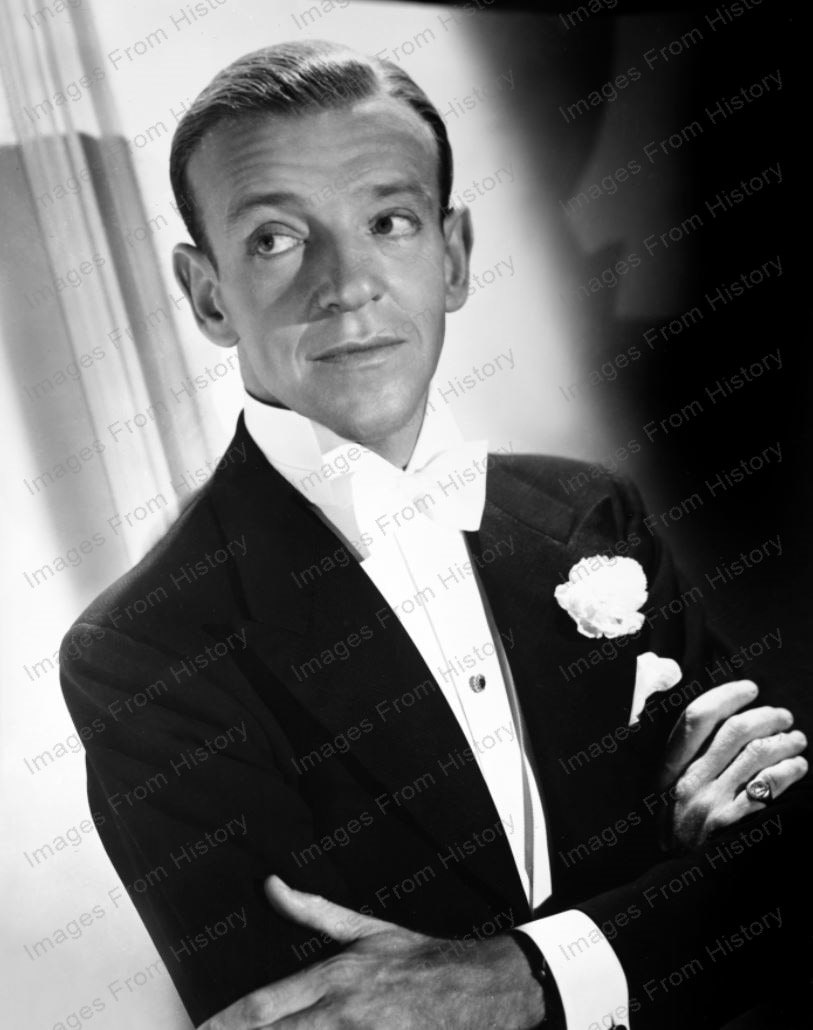
Fred Astaire
 United States
dancer•actor•singer•choreographer
Also known as: Frederick Austerlitz
Data de nascimento
May 10, 1899
Signo
Taurus
Local de nascimento
Omaha, Nebraska, USA
Idade
Faleceu aos 88
Altura
5 ft 9 in (175 cm)
Sobre
Fred Astaire was the dancer against whom all others are measured. An American artist whose career stretched from vaudeville stages in the 1900s to television specials in the 1970s, he redefined what dance could look like on film. He insisted on full-body, uninterrupted takes of his routines, a revolutionary choice that preserved the integrity of movement and made every step feel effortless. His partnership with Ginger Rogers produced ten films that remain the gold standard of Hollywood musicals, including Top Hat and Swing Time. Beyond dancing, he was a gifted singer and a surprisingly effective dramatic actor, earning a Golden Globe and BAFTA for his supporting role in The Towering Inferno at age 75. Today, his legacy lives on through his filmography, which continues to be studied and adored by dancers and film lovers alike.
Início da vida e origens
Fred Astaire nasceu Frederick Austerlitz em Omaha, Nebraska, filho de Johanna e Frederic Austerlitz, um cervejeiro nascido na Áustria. Sua irmã mais velha, Adele, era uma artista nata, e quando ela mostrou talento precoce, sua mãe mudou a família para a cidade de Nova York em 1905 para buscar o show business. Fred foi matriculado na escola de dança junto com Adele, e eles rapidamente se tornaram um ato de vaudeville anunciado como "The Astaires". Eles percorreram o país, desenvolvendo uma sofisticada rotina de salão e sapateado que se destacava dos atos infantis da época.
Uma grande oportunidade surgiu quando eles se apresentaram no Palace Theatre, o principal local do vaudeville. Eles fizeram sua estreia na Broadway em Over the Top em 1916, e em 1923 já eram estrelas em Londres após o sucesso de Stop Flirting. Na década seguinte, estrelaram uma série de musicais de sucesso em ambos os lados do Atlântico, incluindo Lady, Be Good! e Funny Face. Mas em 1932, Adele se aposentou para se casar com um lorde britânico, deixando Fred para forjar uma carreira solo. Ele seguiu para Hollywood, onde um teste de tela na RKO produziu a famosa nota do estúdio: "Não sabe atuar. Não sabe cantar. Ligeiramente careca. Sabe dançar um pouco."
Crescimento na carreira
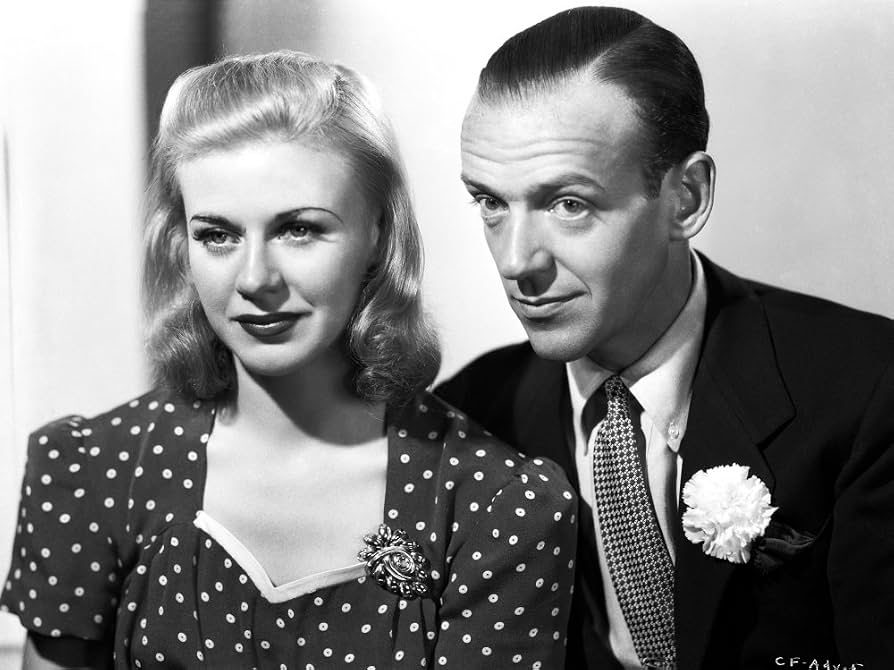
Esse teste de tela desdenhoso levou a um papel coadjuvante em Flying Down to Rio (1933), onde ele dançou com Ginger Rogers. O número "The Carioca" parou o show, e o estúdio rapidamente os escalou como protagonistas. Nos seis anos seguintes, Astaire e Rogers fizeram mais nove filmes juntos, incluindo The Gay Divorcee (1934), Top Hat (1935) e Swing Time (1936). Esses filmes foram enormes sucessos, e a insistência de Astaire em tomadas longas e de corpo inteiro estabeleceu um novo padrão para a dança filmada.
Após o fim da parceria, ele continuou a estrelar clássicos como Holiday Inn (1942) com Bing Crosby, Easter Parade (1948) com Judy Garland e The Band Wagon (1953). Ele também fez aclamadas atuações dramáticas em On the Beach (1959) e The Towering Inferno (1974). Por este último, ganhou um Globo de Ouro e um BAFTA e recebeu sua única indicação competitiva ao Oscar. Ele também ganhou três prêmios Emmy por seu trabalho na televisão, incluindo An Evening with Fred Astaire (1958).
Linha do tempo da carreira
Imagem pública e estilo
A persona pública de Astaire era de elegância sem esforço. Ele personificava a sofisticação de cartola e fraque do Great American Songbook, mas sua dança tinha uma qualidade imprevisível e instintiva que ele chamava de seu "estilo fora da lei". A mídia e os fãs universalmente o reverenciam como um gênio e um cavalheiro. Não existe um nome oficial de fandom, mas os entusiastas se reúnem anualmente para exibições de seus filmes e tributos de dança. Sua presença nas redes sociais é nostálgica e respeitosa, gerenciada por contas de tributo.
Fama e fandom
Fred Astaire's fanbase is not a fanbase in the modern sense, no official name, no coordinated campaigns, no hashtag armies. Instead, it is a diffuse, decades-spanning community of classic film buffs, dance historians, and preservationists who revere him as the pinnacle of popular dance. Their devotion shows in quieter ways: annual screenings, tribute dances, and pilgrimages to his Hollywood Walk of Fame star. The upcoming biopic starring Tom Holland has sparked renewed buzz, proving Astaire's cultural pull endures, even if his fans don't have a collective label.
As of August 2026, iFANN's Global Fame Engine has evaluated Fred Astaire but he does not currently hold a placement in the published rankings, neither the Global Top 1,000 nor any Top-100 scope list. His fame, while legendary, is not quantified in iFANN's current rankings.
Fatos interessantes e lendas
Astaire was a man of hidden talents: a skilled drummer, a pianist, and a licensed pilot. He even invented a golf harness to perfect his swing. His business acumen shone early, he invested in Polaroid, a move that made him a fortune. He chronicled his life in two autobiographies, Steps in Time (1959) and The Fred Astaire Story (1962).
His perfectionism was legendary. He rehearsed dance numbers for weeks or months before filming, and he insisted on full-body, continuous takes, refusing to let editors cut away from his choreography. This dedication gave audiences the magic of Royal Wedding (1951), where he danced with a coat rack and seemingly defied gravity on the ceiling. The latter was achieved with a rotating set, but the illusion remains breathtaking.
One story fans still tell: the apocryphal RKO screen test note that supposedly read, "Can't act. Can't sing. Balding. Can dance a little." Whether true or not, it frames his success as the ultimate underdog tale. And the famous line about Ginger Rogers doing everything "backwards and in high heels", popular folklore, often misattributed, encapsulates the partnership's brilliance.
Frases notáveis
“The hardest thing to do is to make it look easy.”
“I have no desire to prove anything by dancing. I just dance.”
“I just put my feet in the air and move them around.”
“The higher up you go, the more mistakes you are allowed. Right at the top, if you make a mistake, it's considered a new style.”
Família e vida pessoal
Fred era filho de Johanna "Ann" Geilus, uma luterana alemã, e Frederic "Fritz" Austerlitz, um cervejeiro nascido na Áustria de ascendência judaica. Ele tinha uma irmã mais velha, Adele Astaire, sua primeira parceira de dança. Casou-se com Phyllis Livingston Potter, uma socialite nova-iorquina, em 1933. Eles tiveram dois filhos: Fred Astaire Jr. (nascido em 1936) e Ava Astaire McKenzie (nascida em 1942). Phyllis morreu de câncer de pulmão em 1954. Em 1980, casou-se com a jóquei campeã Robyn Smith, que era 45 anos mais jovem. Eles permaneceram juntos até sua morte.
Conexões notáveis
Ginger Rogers foi sua parceira de dança mais famosa, aparecendo com ele em dez filmes. Ele também trabalhou intimamente com Judy Garland em Easter Parade, Audrey Hepburn em Funny Face e Bing Crosby em Holiday Inn. Seu coreógrafo Hermes Pan colaborou em muitos de seus filmes. Os compositores Irving Berlin, George Gershwin e Cole Porter escreveram músicas para seus filmes.
Relacionamentos e história amorosa
O primeiro e mais longo casamento de Astaire foi com Phyllis Livingston Potter, uma socialite de Nova York, de 1933 até a morte dela por câncer de pulmão em 1954. Eles tiveram dois filhos. Após a morte de Phyllis, ele teve um relacionamento próximo e publicamente visível com a dançarina Barrie Chase de 1958 a 1962; ela foi sua parceira em vários especiais de televisão. Em 1980, ele se casou com a jóquei campeã Robyn Smith, que era 45 anos mais jovem. Eles permaneceram juntos até a morte dele em 1987.
- Casado(a)Phyllis Livingston Potter1933 - 1954Casado até a morte dela por câncer de pulmão; teve dois filhos.
- NamoraramBarrie Chase1958 - 1962Relacionamento próximo após a morte de Phyllis; parceira de dança em especiais de TV.
- Casado(a)Robyn Smith1980 - 1987Casado até a morte dele; ela era uma jóquei campeã.
Morte e repercussões
Morte
June 22, 1987 (aos 88 anos)
Local da morte
Desconhecido
Causa da morte
Desconhecido
The news of Fred Astaire's passing rippled through Hollywood with a quiet gravity that matched the man himself. On June 22, 1987, the legendary dancer and actor died at the age of 88, bringing an end to a career that had redefined movement on screen for nearly eight decades. While the specific location of his final moments and the official medical ruling remain unconfirmed by public records, the family acknowledged the event. Astaire left behind a legacy that required no eulogy to validate; his work stood as its own monument. Tributes poured in from peers who remembered his perfectionism and grace. His funeral arrangements remained private, sparing the public spectacle often reserved for stars of his magnitude.
The dance studios bearing his name continued their operations, serving as living memorials to his influence on generations of performers. In the years following his death, his estate managed the rights to his extensive catalog of films and recordings. Royalties from classics like Top Hat and Swing Time ensured his artistic footprint remained financially active, with the family overseeing the licensing of his image and likeness. Streaming platforms later introduced his music to new audiences, proving that the rhythm he once set still moved forward long after the curtains closed.
Patrimônio (valor do espólio)
$30 Million
Estimativa da equipe editorial do iFANN
iFANN's editorial analysis estimates Fred Astaire's estate at $30 million. The primary income sources are royalties from his film and television catalog, music royalties from his recordings, and licensing of his image and likeness. The estate earns an estimated $2–5 million annually from these streams. After his death in 1987, his family has managed the estate, which includes rights to classics like Top Hat and Swing Time, as well as ongoing DVD, streaming, and syndication deals.
Prêmios conquistados (19)
Astaire ganhou um Oscar Honorário em 1950 por suas contribuições aos filmes musicais. Ele ganhou três Emmy Awards, três Golden Globes (incluindo o Cecil B. DeMille Award), um BAFTA e um Grammy. Ele também recebeu o Kennedy Center Honors em 1978 e o AFI Life Achievement Award em 1981.
1975 · Ator Coadjuvante
The Towering Inferno
1961 · Conquista de Vida
Conhecido por
Top Hat
1935 · Jerry Travers
Swing Time
1936 · John 'Lucky' Garnett
The Band Wagon
1953 · Tony Hunter
Funny Face
1957 · Dick Avery
The Towering Inferno
1974 · Harlee Claiborne
Palavras-chave
Dados rápidos
- Profissão
- dancer, actor, singer, choreographer
- Nascimento
- +1899-05-10
- Local de nascimento
- Omaha, Nebraska, USA
- Morte
- +1987-06-22
- Local da morte
- Los Angeles, California, USA
- Gênero
- Masculino
- Cônjuge
- Phyllis Livingston Potter, Robyn Smith
- Signo
- Taurus
Dados pessoais
- Nome completo
- Frederick Austerlitz
- Altura
- 5 ft 9 in (175 cm)
- Cônjuge
- Phyllis Livingston Potter (1933–1954), Robyn Smith (1980–1987)
- Filhos
- Fred Astaire Jr., Ava Astaire McKenzie
Filmografia
80
Total
70
Cinema
10
TV
Perguntas frequentes
Fred Astaire teve um relacionamento com Ginger Rogers?
Quantas vezes Fred Astaire se casou?
Qual era o patrimônio de Fred Astaire na época de sua morte?
Fred Astaire teve filhos?
Qual foi o último filme de Fred Astaire?
Pessoas semelhantes
Junte-se à comunidade
fãs comentando