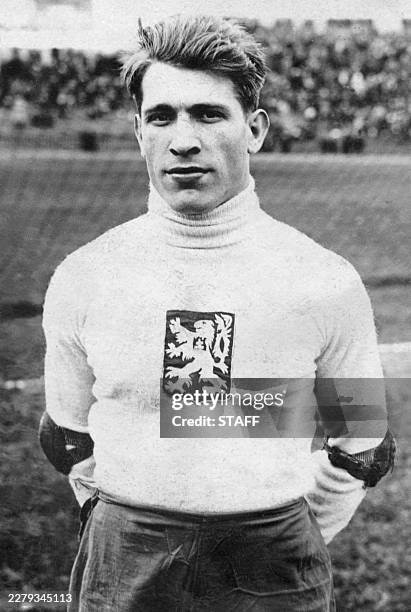
František Plánička
 Czechia
Data de nascimento
June 2, 1904
Signo
Gemini
Local de nascimento
Prague, Austria-Hungary (now Czech Republic)
Idade
Faleceu aos 92
Altura
1.72 m (5 ft 8 in)
Sobre
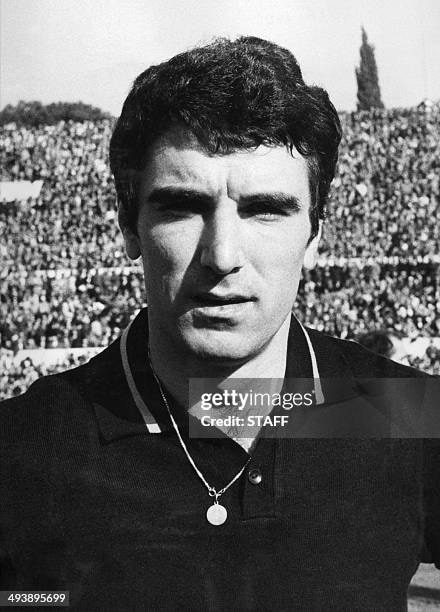
František Plánička was a Czech former football goalkeeper, widely considered one of the greatest players in Czechoslovak football history and among the finest goalkeepers of the pre-World War II era. He spent his entire 16-year senior career at Slavia Prague, where he won eight Czechoslovak First League titles and the Mitropa Cup, the most prestigious club competition in Central Europe at the time. His 73 caps for the Czechoslovakia national team included captaining the side to the 1934 World Cup final, where he famously played with a broken collarbone. Plánička never received a yellow or red card in his entire career, a testament to his extraordinary sportsmanship. His legacy endures through statues, museum exhibits, and a documentary produced by Czech Television in 2025. He is revered as a national hero and a symbol of fair play.
Início da vida e origens
Plánička cresceu no distrito operário de Žižkov, em Praga, onde seu pai trabalhava como operário. A família vivia modestamente e, quando criança, ele jogava futebol nas ruas com uma bola de trapos, desenvolvendo os reflexos e a agilidade que definiriam sua carreira. Frequentou escolas locais, mas deixou a educação formal cedo para aprender o ofício de serralheiro, seu primeiro ofício antes de o futebol se tornar sua profissão. Seu futebol organizado começou na adolescência em clubes locais, primeiro na equipe juvenil do SK Žižkov, onde seu talento como goleiro surgiu, depois no SK Bubeneč em 1921, onde inicialmente jogou como jogador de linha antes de se fixar no gol. Sua descoberta veio em 1923, quando se juntou ao Slavia Prague aos 19 anos, fazendo sua estreia como sênior na mesma temporada e rapidamente se estabelecendo como o goleiro titular do clube.
Crescimento na carreira
O primeiro título de Plánička na Primeira Liga Tchecoslovaca veio em 1926, iniciando um período de domínio doméstico que viu o Slavia Prague conquistar oito títulos da liga na década seguinte. Ele fez sua estreia na seleção nacional em 17 de janeiro de 1926, em um amistoso contra a Itália, uma derrota por 3–1, mas viria a somar 73 partidas, um recorde tchecoslovaco que perdurou por décadas. Na Copa do Mundo FIFA de 1934, na Itália, ele capitaneou a Tchecoslováquia até a final. No início da partida contra a Itália, ele sofreu uma fratura na clavícula, mas se recusou a deixar o campo, pois substituições não eram permitidas. Ele continuou jogando e fez várias defesas antes da Tchecoslováquia perder por 2–1 na prorrogação. Sua coragem tornou-se lendária. Em 1938, Plánička venceu a Mitropa Cup com o Slavia Prague, derrotando o Ferencváros na final. No mesmo ano, na Copa do Mundo na França, ele capitaneou a Tchecoslováquia até as quartas de final. Na partida contra o Brasil, conhecida como a Batalha de Bordeaux por sua fisicalidade, ele quebrou o braço, mas novamente continuou jogando. A eclosão da Segunda Guerra Mundial e a ocupação nazista da Tchecoslováquia efetivamente encerraram o futebol internacional de alto nível, e Plánička se aposentou em 1939, aos 35 anos, tendo passado toda a sua carreira sênior no Slavia Prague. Após a aposentadoria, trabalhou como administrador de futebol e depois como humilde zelador no estádio do Slavia.
Linha do tempo da carreira
Imagem pública e estilo
A imagem pública de Plánička é a do goleiro cavalheiro arquetípico: um símbolo de esportividade, coragem e lealdade. Ele usava uma simples camisa escura sem luvas, padrão para a época, e era conhecido por suas defesas acrobáticas, reflexos rápidos e autoridade calma. A mídia tcheca constantemente se refere a ele como goleiro lendário e esportista honrado. Os torcedores do Slavia Prague regularmente cantam cânticos em sua homenagem, e sua estátua fora da Eden Arena é um local de peregrinação. No aniversário da final da Copa do Mundo de 1934, os fãs depositam flores. As contas oficiais de mídia social do clube usam um tom respeitoso e histórico ao postar sobre ele, frequentemente com fotos em preto e branco e a hashtag #lenda.
Fama e fandom (iFAMOUS Rankings)
František Plánička remains a towering figure in Czechoslovak football history, revered not for modern digital engagement but as a foundational national icon whose legacy is anchored in documented professional achievements rather than active fan communities. While contemporary structures such as organized fan clubs, social media campaigns, or ritualistic gatherings do not exist for him, a consequence of his status as a historical figure who passed away in 1996 and played during the interwar period, he commands a quiet, enduring respect among those familiar with the sport's origins. His reputation rests on being elected the best Czech goalkeeper ever by the International Federation of Football History & Statistics in 1999, a distinction that cements his place in sports mythology alongside his 73 international caps and two World Cup appearances. The narrative surrounding him focuses on stoic courage and unblemished sportsmanship, with fans occasionally citing his refusal to wear gloves as a symbol of direct connection to the game, though no formal fandom name has ever been documented. There are no records of birthday billboards, streaming pushes, or charity drives specifically organized in his honor, reflecting his position as a revered elder statesman of the pitch rather than a celebrity with an active, organized following. iFANN has evaluated this profile within its Global Fame Engine, which assesses individuals based on global media coverage, search signals, and consumption patterns worldwide. František Plánička is currently the EVALUATED_UNRANKED person in the world, holding no placement in the published Global Top 1,000 or any Top-100 scope list.
Fatos interessantes e lendas
František Plánička maintained an unblemished disciplinary record throughout his sixteen-year senior career, never receiving a yellow or red card, a feat of extraordinary sportsmanship for any goalkeeper. He demonstrated remarkable resilience by playing the 1934 World Cup final with a broken collarbone and the 1938 World Cup quarter-final with a broken arm, refusing to leave the field either time. Before and during his professional football career, he worked as a locksmith, and after retiring from the sport, he returned to manual labor as a caretaker and groundskeeper at Slavia Prague's stadium. He holds the distinction of being the first player to captain Czechoslovakia at a World Cup, leading the side to the 1934 final where his leadership was widely praised. His 73 international caps stood as a national record for decades. A persistent story among Czech football historians recounts how fans still revere his calm authority, often citing his refusal to wear gloves as a symbol of his direct connection to the game. This narrative of stoic courage is frequently retold alongside accounts of his longevity, having lived to be 92 years old and witnessing the transformation of football from its amateur roots to the modern era. In 1999, the International Federation of Football History & Statistics elected him the best Czech goalkeeper ever and ranked him sixth globally among goalkeepers, a formal accolade that solidified his legendary status decades after his retirement.
Frases notáveis
“I could not leave the field. My country needed me. The pain was nothing compared to the honour of representing Czechoslovakia.”
“A goalkeeper must be brave, but he must also be fair. The goal is to stop the ball, not to hurt the opponent. I never wanted to win by cheating.”
“I was lucky to play for Slavia. It was my home. I never wanted to leave. Why would I? They gave me everything.”
“The game has changed so much. The money, the tactics, the gloves. But the heart of football is still the same, the joy of a good save, the roar of the crowd.”
Família e vida pessoal
Plánička casou-se com Marie Pláničková no final dos anos 1920. Ela foi sua companheira de vida e apoiou sua carreira no futebol. Eles tiveram dois filhos: um filho, František Plánička Jr., e uma filha cujo nome não é amplamente divulgado. Marie faleceu antes dele. Após a morte dela, Plánička permaneceu viúvo e viveu tranquilamente em Praga. Ele era conhecido como um homem dedicado à família que evitava os holofotes públicos em sua vida privada.
Conexões notáveis
Plánička jogou ao lado de Josef Bican, o lendário artilheiro, no Slavia Prague na década de 1930. Ele também dividiu o campo com Oldřich Nejedlý, o artilheiro da Copa do Mundo de 1934, e Antonín Puč, um ponta tanto do Slavia quanto da Tchecoslováquia. Outros companheiros notáveis incluem Rudolf Krčil e Karel Pešek.
Relacionamentos e história amorosa
Plánička casou-se com Marie Pláničková no final dos anos 1920. Ela foi sua companheira de vida e apoiou sua carreira no futebol durante todo o tempo. O casal teve dois filhos juntos. Marie faleceu antes dele e, após sua morte, Plánička permaneceu viúvo. Não há relatos confiáveis de qualquer relacionamento romântico após a morte de sua esposa. Na época de sua própria morte, em 1996, ele era viúvo.
- Casado(a)Marie Pláničková1928 - presenteCasou-se no final dos anos 1920; teve dois filhos juntos; ela faleceu antes dele.
Morte e repercussões
Morte
July 20, 1996 (aos 92 anos)
Local da morte
Prague
Causa da morte
Desconhecido
Four years after his passing, the International Federation of Football History and Statistics elected František Plánička the best Czech goalkeeper of all time in 1999, ranking him sixth globally and cementing his status as a historical benchmark for the position. This posthumous recognition arrived quietly, reflecting a career that had long been defined by its absence from the modern commercial spotlight rather than any sudden resurgence of fame. The man who once captained Czechoslovakia to the 1934 World Cup final while playing with a broken collarbone passed away on July 20, 1996, at the age of 92. He died in Prague, the city where he was born and where he spent his entire life, though the specific location of his death remains unrecorded in public archives.
Given his advanced age, the event was treated as a natural conclusion to a long life, devoid of controversy or dramatic circumstance. His widow Marie had predeceased him many years prior, leaving him widowed during his final decades. While he worked as a locksmith and stadium caretaker after retiring from football, his estate matters were not subject to public record or media scrutiny. The legacy that followed his death was one of steady reverence rather than immediate fanfare, preserved through statistical databases and historical retrospectives that continue to cite his performance in the Battle of Bordeaux and his flawless disciplinary record.
Patrimônio (valor do espólio)
$1 Million
Estimativa da equipe editorial do iFANN
As a footballer in the pre-war era, Plánička earned modest wages typical of the time. His primary income came from his club salary at Slavia Prague and small national team match fees. He had no major endorsement deals, as the commercial era of football had not yet begun. After retirement, he worked as a locksmith and later as a stadium caretaker, earning a humble living. Since his death in 1996, his estate generates modest income from posthumous licensing of his image and name for Czech football memorabilia, royalties from biographical books and documentaries, and use of his name in Slavia Prague museum exhibits. Per iFANN's editorial analysis, the estimated value of his estate is approximately $1 Million as of 2026, based on historical football memorabilia valuations.
Prêmios conquistados (11)
Plánička venceu oito títulos da Primeira Liga da Tchecoslováquia com o Slavia Praga entre 1926 e 1935, e a Copa Mitropa em 1938. Foi vice-campeão na Copa do Mundo FIFA de 1934 com a Tchecoslováquia. Sua era antecede prêmios individuais modernos como a Bola de Ouro, mas ele foi homenageado retroativamente com induções ao Hall da Fama do Slavia Praga e ao Hall da Fama da Associação de Futebol da Tchecoslováquia.
1938 · Vencedor
Slavia Prague
1934 · Vice-campeão
Czechoslovakia national team
Conhecido por
Slavia Prague
1923 · Goleiro
Czechoslovakia National Team
1926 · Captain and Goalkeeper
1934 FIFA World Cup
1934 · Captain (runners-up)
1938 FIFA World Cup
1938 · Captain (quarter-finals)
Palavras-chave
Dados rápidos
- Profissão
- futebolista
- Nascimento
- +1904-06-02
- Local de nascimento
- Prague
- Morte
- +1996-07-20
- Local da morte
- Prague
- Gênero
- Masculino
- Signo
- Gemini
Dados pessoais
- Nome completo
- František Plánička
- Altura
- 1.72 m (5 ft 8 in)
- Cônjuge
- Marie Pláničková
- Filhos
- František Plánička Jr. (son), one daughter (name not widely reported)
- Formação
- Left school early; apprentice locksmith
Perguntas frequentes
Quantos anos tinha František Plánička quando morreu?
František Plánička alguma vez recebeu um cartão vermelho?
Quantas partidas internacionais František Plánička disputou?
Por qual clube František Plánička jogou?
František Plánička venceu a Copa do Mundo?
Pessoas semelhantes
Junte-se à comunidade
fãs comentando