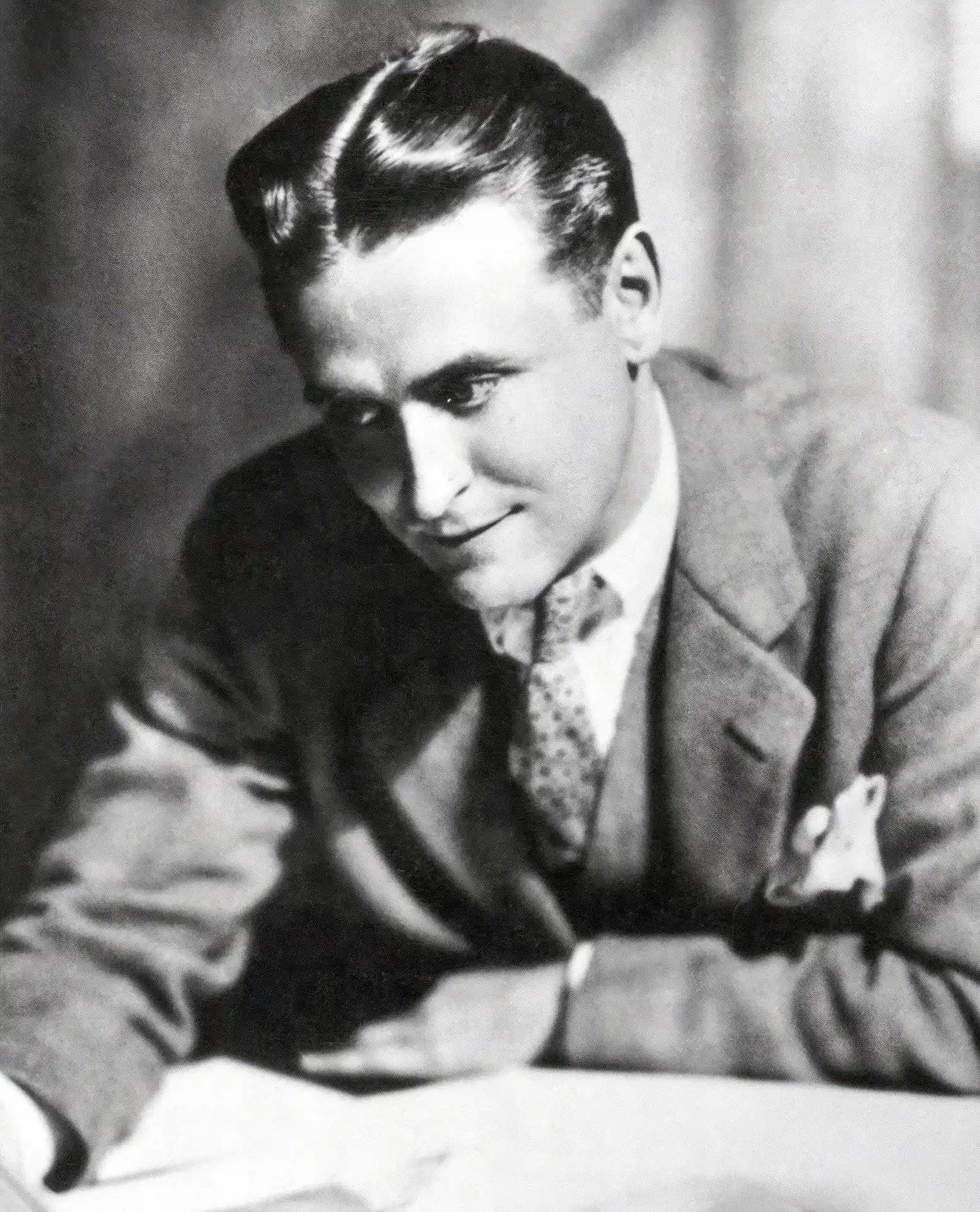
F. Scott Fitzgerald
writer•novelist•short story writer
Also known as: Francis Scott Key Fitzgerald
Data de nascimento
September 24, 1896
Signo
Libra
Local de nascimento
Saint Paul, Minnesota
Idade
Faleceu aos 44
Altura
5 ft 11 in (180 cm)
Sobre
F. Scott Fitzgerald was an American novelist and short story writer whose work defined the Jazz Age. He is best known for his novel The Great Gatsby, a critical examination of the American Dream that has sold tens of millions of copies worldwide and is a staple in high school and college curricula. Fitzgerald's writing, marked by lyrical prose and sharp social observation, captured the exuberance and disillusionment of the 1920s. His debut novel, This Side of Paradise, made him an instant celebrity at age 24. Today, his works are studied for their psychological depth and cultural insight, and he is widely regarded as one of the greatest American writers of the 20th century.
Início da vida e origens
Fitzgerald nasceu em Saint Paul, Minnesota, filho de uma mãe católica irlandesa e um pai malsucedido, cujos fracassos nos negócios fizeram a família se mudar com frequência. Ele frequentou a St. Paul Academy e a Newman School, onde suas ambições literárias surgiram pela primeira vez. Matriculou-se na Universidade de Princeton em 1913, onde fez amizade com o crítico Edmund Wilson e escreveu para o Princeton Tiger. Em Princeton, conheceu Ginevra King, uma socialite rica que se tornou modelo para muitas de suas personagens e inspirou sua preocupação com classe e amor. Deixou a universidade sem se formar em 1917 para se juntar ao Exército dos EUA durante a Primeira Guerra Mundial. Enquanto estava estacionado em Camp Sheridan, no Alabama, conheceu Zelda Sayre, uma socialite espirituosa. Eles ficaram noivos, mas ela terminou o noivado por causa de suas finanças incertas. Após sua dispensa em 1919, mudou-se para a cidade de Nova York, trabalhando em publicidade enquanto revisava seu primeiro romance, The Romantic Egotist. O romance foi rejeitado duas vezes, mas após uma reescrita completa, foi aceito pela Scribner's e publicado em 1920 como This Side of Paradise.
Crescimento na carreira
A publicação de This Side of Paradise em 1920 foi um sucesso, vendendo mais de 3.000 cópias em seu primeiro dia e permitindo que Fitzgerald se casasse com Zelda. O casal vivia uma vida glamorosa, muitas vezes caótica, em Nova York e depois na Europa, onde Fitzgerald escreveu The Beautiful and Damned (1922) e sua obra-prima, The Great Gatsby (1925). Embora Gatsby tenha recebido críticas mistas e vendas modestas no início, hoje é considerado um romance americano definitivo. Fitzgerald também escreveu mais de 160 contos para revistas como The Saturday Evening Post, que financiava seu estilo de vida extravagante. Seu romance posterior, Tender Is the Night (1934), foi uma obra mais sombria refletindo a doença mental de sua esposa e suas próprias lutas. Na década de 1930, mudou-se para Hollywood para trabalhar como roteirista, mas seu trabalho cinematográfico, incluindo contribuições não creditadas para Gone with the Wind, foi em grande parte malsucedido. Morreu de ataque cardíaco em 1940, deixando The Last Tycoon inacabado.
Linha do tempo da carreira
Imagem pública e estilo
Fitzgerald está indelevelmente associado ao glamour e à desilusão da Era do Jazz. As representações na mídia enfatizam sua inteligência, charme e declínio trágico. Seu estilo pessoal, ternos sob medida e maneiras polidas, evocavam a elegância dos anos 1920. Seu tom de escrita variava de sátira social cintilante a explorações comoventes de ambição e perda. Seu público leitor é dedicado, frequentemente engajado por meio de clubes do livro e estudo acadêmico, embora não haja um nome oficial de fandom. O espólio de Fitzgerald mantém uma presença nas redes sociais, compartilhando conteúdo de arquivo e promovendo suas obras. Ele é frequentemente invocado na cultura popular como um símbolo dos Roaring Twenties.
Fama e fandom
The readership surrounding F. Scott Fitzgerald operates less like a modern fanbase and more as a global academic and literary society, bound by the enduring power of his prose rather than digital mobilization. Unlike contemporary stars who cultivate organized armies known by monikers like "Swifties," Fitzgerald's admirers coalesce through book clubs, university curricula, and the annual rituals of the F. Scott Fitzgerald Society. These followers engage in specific traditions, such as the "Gatsby Gala" where participants don 1920s attire, or the communal reading of his final lines at libraries worldwide. This devotion is not driven by social media campaigns but by a deep reverence for his psychological depth and his role in defining an era. The legacy of his work ensures that new generations of writers cite him as their primary inspiration, creating a generational chain of admiration that spans nearly a century since his death. While no formal fandom name exists in official records, the cultural footprint remains massive, with his novels serving as staples in education and his life story fueling endless biographical interest. Despite this enduring influence, iFANN's Global Fame Engine has evaluated this person, but they do not currently hold a placement in the published rankings (Global Top 1,000 or a Top-100 scope list).
Fatos interessantes e lendas
Fitzgerald's full name links him to Francis Scott Key, the author of the U.S. national anthem. He was a teetotaler in college but became a heavy drinker later, a struggle that influenced his writing. Despite his fame, he often faced financial difficulties. He was a talented dancer and enjoyed the vibrant social scene of the Jazz Age. His daughter Scottie became a writer and journalist. Fitzgerald coined the term "Jazz Age" in his essay collection Tales of the Jazz Age (1922). He was a lifelong fan of the Minnesota Twins baseball team. A legendary incident from his youth occurred at Dartmouth College in February 1917, known as the "Winter Carnival disaster." During this event, Fitzgerald allegedly drank heavily and caused a scene, leading to disciplinary action and contributing to his eventual departure from the university. Another iconic moment involves the discovery of his Brooks Brothers coat in 2026, which had been lost for decades before being authenticated and sparking renewed museum interest. While widely believed he died of a heart attack while working on his unfinished novel, The Last Tycoon, the dramatic image of him clutching his manuscript in a hotel room remains a stylized version of reality often repeated in biographies.
Frases notáveis
“So we beat on, boats against the current, borne back ceaselessly into the past.”
“There are no second acts in American lives.”
“I wish I had done everything I ever wanted to do.”
Família e vida pessoal
Fitzgerald era o único filho de Edward Fitzgerald, um vendedor de móveis, e Mary McQuillan, filha de um imigrante irlandês que fez fortuna no negócio de mercearia atacadista. Os fracassos comerciais de seu pai criaram uma sensação de insegurança financeira que assombrou Fitzgerald. Ele não tinha irmãos. Casou-se com Zelda Sayre em 1920, e sua única filha, Frances Scott Fitzgerald (conhecida como Scottie), nasceu em 1921. O casamento dos Fitzgeralds foi tumultuado, marcado por alcoolismo e problemas de saúde mental de Zelda; eles se separaram em 1930, mas nunca se divorciaram formalmente. Em seus últimos anos, Fitzgerald viveu com a colunista de Hollywood Sheilah Graham, que foi sua companheira até sua morte.
Conexões notáveis
Fitzgerald foi intimamente associado à sua esposa Zelda Fitzgerald, que foi tanto sua musa quanto uma fonte de turbulência pessoal. Ele teve uma amizade complexa com Ernest Hemingway, que conheceu em Paris. Seu amigo Edmund Wilson serviu como seu executor literário e editou suas obras póstumas. O interesse amoroso inicial, Ginevra King, inspirou muitas de suas personagens femininas. Em seus últimos anos, foi companheiro da colunista de Hollywood Sheilah Graham.
Relacionamentos e história amorosa
O relacionamento mais significativo de Fitzgerald foi com Zelda Sayre, com quem se casou em 1920. O casamento foi apaixonado, mas volátil, alimentado pelo álcool e pelos problemas de saúde mental de Zelda; eles se separaram em 1930. Antes de Zelda, ele namorou Ginevra King de 1915 a 1917; as diferenças de classe influenciaram sua escrita. Em Hollywood, teve um relacionamento com a colunista de fofocas Sheilah Graham de 1937 até sua morte. Também teve um breve caso rumorejado com Dorothy Parker no início dos anos 1920, embora as evidências sejam escassas. Em 2026, Fitzgerald está falecido; seu último relacionamento foi com Graham.
- NamoraramGinevra King1915 - 1917Conheceram-se em Princeton; as diferenças de classe inspiraram seus temas de riqueza e amor.
- Casado(a)Zelda Sayre1920 - 1940Casaram-se em 1920; tiveram uma filha, Scottie; separaram-se em 1930 devido à doença mental de Zelda, mas nunca se divorciaram.
- RumoresDorothy Parker1920 - 1920Breve caso rumorejado; eram amigos próximos e colegas literários.
- NamoraramSheilah Graham1937 - 1940Colunista de fofocas de Hollywood; sua companheira nos últimos anos.
Morte e repercussões
Morte
December 21, 1940 (aos 44 anos)
Local da morte
Los Angeles, California, USA
Causa da morte
Acute myocarditis due to heart disease
F. Scott Fitzgerald spent his final weeks bedridden at the home of friend Edward Aswell in the Hollywood Hills, working on a screenplay for The Last Tycoon while suffering from chest pains and severe edema. He passed away on December 21, 1940, at age 44 in that private residence in Los Angeles, California, where he had been staying since arriving in November to collaborate with Samuel Goldwyn. Medical observers attributed his sudden decline to acute myocarditis, a condition resulting from years of chronic alcoholism and malnutrition. The public reaction to his passing remained muted compared to later decades, overshadowed by the Great Depression and the looming threat of World War II. Tributes from peers like Thomas Wolfe and Ernest Hemingway were confined to small gatherings within the literary community rather than large-scale vigils or national moments of silence.
His funeral took place three days later on December 24, 1940, as a private affair attended only by close friends including editor Maxwell Perkins and Edmund Wilson before his ashes were interred at Forest Lawn Memorial Park in Glendale. Decades later, Fitzgerald's legacy underwent a dramatic transformation following the rediscovery of his work in the 1950s, leading to his induction into the Hall of Fame for Great Americans and the founding of the F. Scott Fitzgerald Society. In 1975, his remains were exhumed and moved to St. Mary's Cemetery in Rockville Centre, New York, to rest beside his daughter Scottie and parents.
Patrimônio (valor do espólio)
$10 Million
Estimativa da equipe editorial do iFANN
As of 2026, F. Scott Fitzgerald's estate continues to generate significant revenue from his literary works, primarily through royalties from The Great Gatsby, which sells hundreds of thousands of copies annually worldwide. Additional income comes from short story collections, film and television adaptations, and merchandise. The estate is managed by literary executors. Fitzgerald died with debts, but the posthumous publication of The Last Tycoon and the resurgence of Gatsby's reputation in the mid-20th century built substantial value. Per iFANN's editorial analysis, the estate's estimated net worth is $10 Million, derived from ongoing book sales, licensing fees, and adaptation rights. Recent adaptations include the 2013 film directed by Baz Luhrmann, which boosted royalties.
Prêmios conquistados (2)
Fitzgerald não ganhou grandes prêmios literários durante sua vida. No entanto, suas obras foram reconhecidas postumamente: O Grande Gatsby recebeu a Medalha de Ouro para Romance da Academia Americana de Artes e Letras em 1945, e ele foi introduzido no Hall da Fama de Nova Jersey em 2016. Seu legado duradouro se reflete nos inúmeros estudos acadêmicos e adaptações de sua obra.
1945 · Romance
The Great Gatsby
2016 · Artes e Entretenimento
Conhecido por
The Great Gatsby
1925 · Autor
This Side of Paradise
1920 · Autor
Tender Is the Night
1934 · Autor
The Beautiful and Damned
1922 · Autor
The Last Tycoon
1941 · Author (unfinished)
Palavras-chave
Dados rápidos
Dados pessoais
- Nome completo
- Francis Scott Key Fitzgerald
- Altura
- 5 ft 11 in (180 cm)
- Cônjuge
- Zelda Fitzgerald
- Filhos
- Frances Scott Fitzgerald
- Formação
- Princeton University (attended, did not graduate)
Perguntas frequentes
Quem foi F. Scott Fitzgerald?
Qual é o patrimônio de F. Scott Fitzgerald em 2026?
F. Scott Fitzgerald ainda está vivo em 2026?
Pelo que F. Scott Fitzgerald é mais famoso?
Como F. Scott Fitzgerald morreu?
Pessoas semelhantes
Junte-se à comunidade
fãs comentando