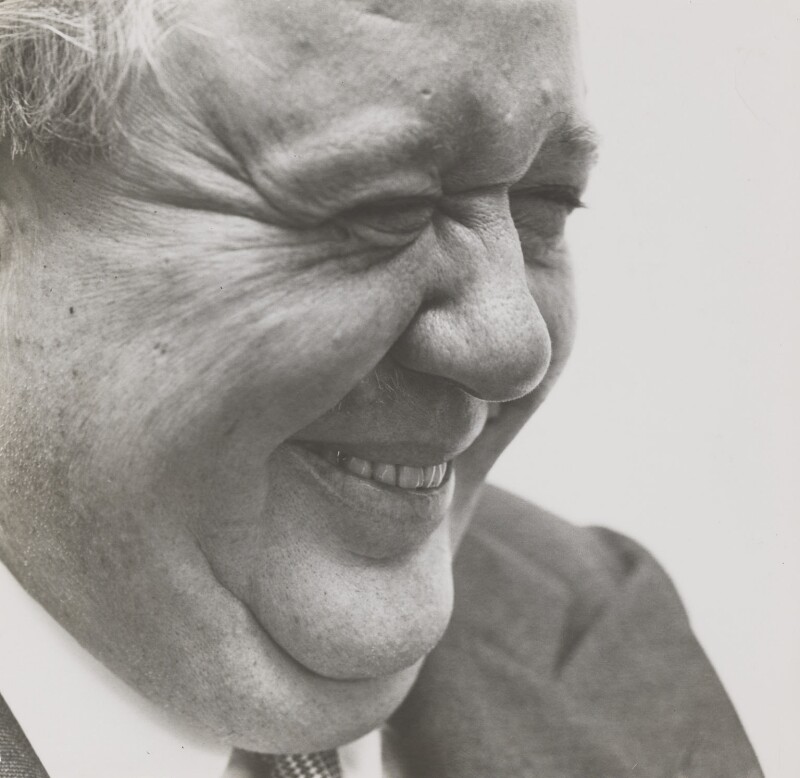
Charles Laughton
 United Kingdom
Data de nascimento
July 1, 1899
Signo
Cancer
Local de nascimento
Scarborough, North Riding of Yorkshire, England
Idade
Faleceu aos 63
Altura
5 ft 7.5 in (1.72 m)
Sobre
Charles Laughton foi um ator e diretor inglês, nascido em 1 de julho de 1899 em Scarborough, Yorkshire. Formado na Royal Academy of Dramatic Art, fez sua estreia profissional nos palcos em 1926 e rapidamente se estabeleceu como um intérprete versátil, assumindo papéis clássicos de Shakespeare no Old Vic ao lado de obras modernas no West End de Londres. Sua carreira logo se expandiu para a Broadway e Hollywood, onde se tornou conhecido por interpretar uma notável variedade de personagens, de monstros e desajustados a reis. Laughton ganhou o Oscar de Melhor Ator por sua interpretação do monarca título em The Private Life of Henry VIII (1933) e recebeu mais duas indicações ao Oscar: como Capitão William Bligh em Mutiny on the Bounty (1935) e como um advogado rabugento em Witness for the Prosecution (1957). Ao longo de sua carreira, apareceu em mais de 40 filmes e inúmeras produções teatrais, também vencendo um Grammy e recebendo indicações para dois BAFTAs e um Globo de Ouro. Recebeu uma estrela na Calçada da Fama de Hollywood em 1960.
Início da vida e origens
Laughton era o mais velho de três filhos de Robert e Eliza Laughton, que administravam hotéis em Scarborough. Sua mãe, uma católica romana devota de ascendência irlandesa, o enviou para o Stonyhurst College, a principal escola jesuíta inglesa. Aos 14 anos, enquanto estava em Stonyhurst, fez sua estreia como ator interpretando um estalajadeiro rechonchudo em uma produção escolar de The Private Secretary. Em 1915, sua mãe insistiu que ele deixasse a escola para treinar no Claridge's Hotel em Londres e aprender o negócio da família, mas à noite ele gastava seu dinheiro com ingressos de teatro, chegando a assistir à mesma peça treze vezes.
Durante a Primeira Guerra Mundial, Laughton serviu como soldado raso no Huntingdonshire Cyclist Battalion e depois no Northamptonshire Regiment. Recusou uma patente de oficial, explicando mais tarde que não queria a responsabilidade de comandar outros. Serviu na França e suportou uma batalha horrível que raramente discutia; sua esposa Elsa Lanchester disse mais tarde que ele contou ter esfaqueado vários homens até a morte. Pouco antes do fim da guerra, foi vítima de gás venenoso, deixando cicatrizes físicas e emocionais duradouras.
Após a guerra, Laughton voltou para Yorkshire e começou a atuar e dirigir com os Scarborough Players. Após a morte de seu pai em 1924, mudou-se para Londres e se matriculou na Royal Academy of Dramatic Art, onde ganhou a Medalha de Ouro Bancroft por sua atuação em The Merry Wives of Windsor. Fez sua estreia profissional nos palcos em 1926 e logo se tornou um intérprete requisitado tanto em obras clássicas quanto modernas.
Crescimento na carreira
A estreia cinematográfica de Laughton ocorreu em 1928 com a comédia muda britânica Blue Bottles, onde conheceu sua futura esposa, Elsa Lanchester. Sua estreia nos palcos de Nova York em 1931 em Payment Deferred chamou a atenção de Hollywood, levando ao seu primeiro filme americano, The Old Dark House (1932), ao lado de Boris Karloff. No mesmo ano, apareceu em outros cinco filmes, incluindo The Sign of the Cross como Nero e Island of Lost Souls como Dr. Moreau.
O avanço veio em 1933 quando interpretou o Rei Henrique VIII em The Private Life of Henry VIII, vencendo o Oscar de Melhor Ator. Seguiram-se atuações aclamadas como Javert em Les Misérables (1935), Capitão Bligh em Mutiny on the Bounty (rendendo uma segunda indicação ao Oscar), e o mordomo americanizado em Ruggles of Red Gap (1935). Em 1937, cofundou a Mayflower Pictures Corp. com o produtor Erich Pommer. Sua interpretação de Quasímodo em The Hunchback of Notre Dame (1939) continua sendo um de seus papéis mais icônicos.
Na década de 1950, Laughton entregou atuações memoráveis em Hobson's Choice (1954) de David Lean e recebeu sua terceira indicação ao Oscar por Witness for the Prosecution (1957). Dirigiu apenas um filme, The Night of the Hunter (1955), um thriller que mais tarde ganhou status de cult. Sua última aparição no cinema foi em Advise & Consent (1962).
Linha do tempo da carreira
Imagem pública e estilo
Laughton é lembrado como um dos intérpretes mais versáteis de sua geração, desafiando o sistema de estereótipos de Hollywood. Com seu rosto simples e corpo volumoso, interpretou uma grande variedade de personagens, tanto vilões quanto virtuosos. Seu estilo característico envolvia um trabalho imersivo de personagem, muitas vezes usando maquiagem pesada e próteses, notavelmente como Quasímodo. As representações na mídia enfatizam sua arte consumada e sua capacidade de alcançar grande sucesso tanto no teatro quanto no cinema.
Fama e fandom (iFAMOUS Rankings)
Charles Laughton's admirers have never had a formal name, and that's fitting for an actor who defied easy categorization. Instead, his fanbase is a diffuse but passionate community of classic film enthusiasts, united by a shared reverence for his craft and for his singular directorial vision. There are no official fan clubs, no coordinated campaigns, no birthday billboards, just generations of cinephiles who keep his legacy alive through film retrospectives, academic writing, and preservation efforts. The Criterion Collection's championing of The Night of the Hunter has been central to this, elevating the film to canonical status among those who appreciate the darker corners of American cinema.
In the world of fame, Charles Laughton's place is secure, though not currently quantified. iFANN's Global Fame Engine has evaluated his enduring presence, the continued circulation of his films, the scholarly discourse, the cultural memory of his iconic performances, and determined that he does not currently hold a placement in the published rankings. This is a neutral statement of fact, not a measure of his significance. His fame is of a different kind: it lives in the reverence of film societies and the quiet persistence of his work in the public eye.
His fanbase may lack a label, but it is united by a shared understanding of his genius, the unlikely star who transformed his physicality into art, the one-time director whose sole film became a touchstone. That is the legacy that continues to draw new admirers to his work.
Fatos interessantes e lendas
Charles Laughton was a prolific oral reader during World War II, reading aloud at Birmingham Hospital in the San Fernando Valley to wounded Allied soldiers. He once held a television audience spellbound by reading from the Bible on Ed Sullivan's Toast of the Town. Some recordings of his readings and anecdotes were made but are reportedly out of print. When asked why he became an actor, he replied, "Because I like to imitate great men." He was the only actor to win an Oscar for playing Henry VIII.
One of the most retold stories in his career is the fate of The Night of the Hunter (1955), his sole directorial effort. It was a commercial and critical failure upon release, effectively ending his directorial ambitions. Decades later, it is hailed as a masterpiece of American gothic cinema, and the irony of its initial rejection and subsequent rehabilitation has become a central part of his legend. Another iconic moment was his portrayal of Captain Bligh in Mutiny on the Bounty (1935), a performance that has become a cultural touchstone for tyrannical authority. And fans still delight in the fact that the man who played Henry VIII and Captain Bligh was married to Elsa Lanchester, the Bride of Frankenstein, an enduring partnership of golden-age Hollywood.
Frases notáveis
“Because I like to imitate great men.”
“I did not want to command...to take responsibility for other people's lives.”
Família e vida pessoal
Laughton era o mais velho de três filhos de Robert Laughton (1869–1924) e Eliza Conlon Laughton (1869–1953), que administravam o Victoria Hotel e depois o Pavilion Hotel em Scarborough. Sua mãe era uma católica romana devota de ascendência irlandesa. Ele tinha dois irmãos mais novos, Robert Thomas (nascido em 1903) e Francis (nascido em 1907). Laughton casou-se com a atriz Elsa Lanchester em 9 de fevereiro de 1929, e permaneceram juntos até sua morte; não tiveram filhos.
Conexões notáveis
Laughton colaborou frequentemente com sua esposa, Elsa Lanchester, e trabalhou com o diretor Alexander Korda em The Private Life of Henry VIII e outros filmes. Cofundou a Mayflower Pictures com o produtor Erich Pommer e contracenou com Boris Karloff em The Old Dark House. Como diretor, orientou Robert Mitchum, Shelley Winters e Lillian Gish em The Night of the Hunter.
Relacionamentos e história amorosa
Laughton conheceu a atriz Elsa Lanchester em 1927 enquanto atuavam juntos em uma peça. Eles atuaram em comédias mudas como Blue Bottles e Daydreams em 1928 e se casaram em 9 de fevereiro de 1929. O casamento era supostamente não convencional; ambos eram compreendidos como tendo atrações pelo mesmo sexo, embora tenham permanecido companheiros dedicados. Eles não tiveram filhos. Laughton era casado com Lanchester na época de sua morte em 1962.
- Casado(a)Elsa Lanchester1929 - 1962Conheceram-se em 1927, casaram-se em 9 de fevereiro de 1929; permaneceram juntos até a morte de Laughton.
Morte e repercussões
Morte
December 15, 1962 (aos 63 anos)
Local da morte
Hollywood, California, USA
Causa da morte
Desconhecido
The film community lost a titan of character acting and direction when Charles Laughton passed away in Hollywood, California, on December 15, 1962. At the age of sixty-three, his final days were marked by circumstances unrecorded in public archives., the event was treated as a natural occurrence requiring no formal legal inquiry or police investigation. Tributes from peers and institutions at the time reflected a deep respect for a man who had redefined the boundaries of screen performance, though immediate fan vigils or chart surges are not documented in the historical record. His posthumous reputation has only grown more luminous, particularly through the rediscovery of his sole directorial effort, The Night of the Hunter. Modern retrospectives frequently cite this thriller as a visionary masterpiece, analyzing its status as a one-and-done classic seventy years after its release. His portrayal in Witness for the Prosecution remains central to discussions of his career. Recent articles continue to highlight his influence on cinema, ensuring that the memory of this English actor and director endures.
Patrimônio (valor do espólio)
$10 Million
Estimativa da equipe editorial do iFANN
As Charles Laughton died in 1962, his estate has been managed by various entities over the decades. Revenue sources include royalties from film and television broadcasts of his 40-plus films, licensing of his image and likeness, ongoing sales of The Night of the Hunter (now a cult classic), home video and streaming rights, and merchandise related to The Hunchback of Notre Dame and Mutiny on the Bounty. iFANN currently estimates the estate's value in 2026 at $10 million.
Prêmios conquistados (6)
Laughton ganhou o Oscar de Melhor Ator por A Vida Privada de Henrique VIII e um Grammy de Melhor Gravação Documental ou de Palavra Falada. Ele também recebeu a Medalha de Ouro Bancroft da RADA e uma estrela na Calçada da Fama de Hollywood.
1934 · Melhor Ator
The Private Life of Henry VIII
1933 · Melhor Ator
The Private Life of Henry VIII
Conhecido por
The Private Life of Henry VIII
1933 · King Henry VIII
Mutiny on the Bounty
1935 · Captain William Bligh
The Hunchback of Notre Dame
1939 · Quasimodo
Witness for the Prosecution
1957 · Sir Wilfrid Robarts
The Night of the Hunter
1955 · Diretor
Palavras-chave
Fontes
Dados rápidos
- Profissão
- ator, diretor
- Nascimento
- July 1, 1899
- Local de nascimento
- Scarborough, England
- Morte
- December 15, 1962
- Local da morte
- Hollywood, California, USA
- Gênero
- Masculino
- Cônjuge
- Elsa Lanchester
- Signo
- Cancer
Dados pessoais
- Nome completo
- Charles Laughton
- Altura
- 5 ft 7.5 in (1.72 m)
- Cônjuge
- Elsa Lanchester
- Formação
- Royal Academy of Dramatic Art
Filmografia
40
Total
40
Cinema
0
TV
Perguntas frequentes
Como Charles Laughton morreu?
Charles Laughton era casado?
Charles Laughton ganhou um Oscar?
Qual foi o único filme que Charles Laughton dirigiu?
Qual era a altura de Charles Laughton?
Pessoas semelhantes
Junte-se à comunidade
fãs comentando