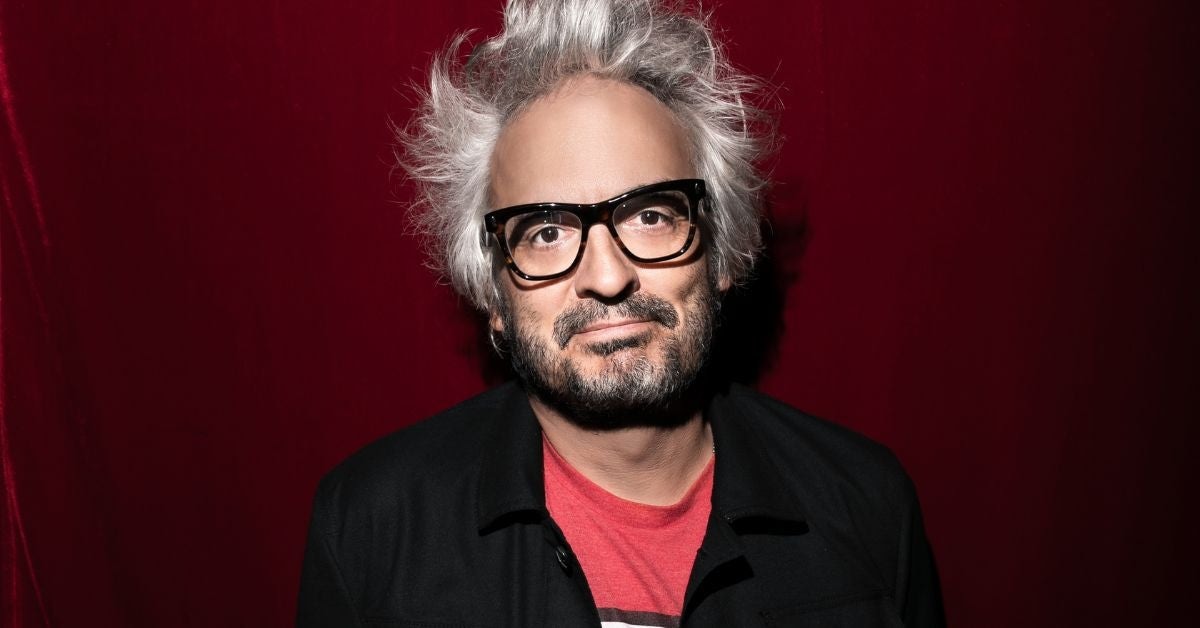
Byron Kennedy
 Australia
film producer•cinematographer•screenwriter
Data de nascimento
August 18, 1949
Signo
Leo
Local de nascimento
Melbourne, Victoria, Australia
Idade
Faleceu aos 33
Altura
5 ft 10 in (178 cm)
Sobre
Byron Kennedy foi um produtor, diretor de fotografia e roteirista australiano que co-criou a franquia Mad Max com George Miller. Nascido em 18 de agosto de 1949 em Melbourne, ele faleceu tragicamente jovem em um acidente de helicóptero em 17 de julho de 1983, aos 33 anos. Ao longo de sua breve carreira, Kennedy trabalhou em cerca de uma dúzia de filmes e projetos de TV, deixando uma marca desproporcional no cinema australiano.
Início da vida e origens
Byron Kennedy cresceu nos subúrbios orientais de Melbourne, filho de um médico e uma enfermeira. A prática médica de seu pai proporcionou um lar confortável, mas o jovem Byron estava muito mais interessado em contar histórias do que em ciência. Ele construiu uma câmara escura na garagem da família e processava seus próprios filmes, muitas vezes pegando emprestada a câmera de 8 mm de seu pai para filmar curtas-metragens com amigos do bairro. Na Melbourne High School, ele organizava exibições de filmes e escrevia para a revista da escola, passando seu tempo livre em cinemas em vez de estudar.
Após se formar, Kennedy se matriculou na University of New South Wales para estudar medicina, seguindo as expectativas familiares. Lá ele conheceu o colega estudante de medicina George Miller, e sua paixão compartilhada pelo cinema forjou um vínculo imediato. Eles começaram a fazer curtas-metragens nos fins de semana, com Kennedy operando a câmera e Miller dirigindo. Em 1971, eles co-dirigiram Violence in the Cinema, Part 1, uma peça satírica de sete minutos que ganhou o Grierson Award no Sydney Film Festival. Essa vitória lhes deu a confiança para tentar um longa-metragem. Kennedy abandonou a faculdade de medicina para se dedicar ao cinema em tempo integral, enquanto Miller completou sua graduação, mas continuou colaborando.
Antes de Mad Max, Kennedy trabalhou como cinegrafista em filmes australianos de baixo orçamento e comerciais de televisão, construindo uma reputação de engenhosidade técnica e criatividade. Ele comprou uma câmera Bolex de 16 mm com dinheiro economizado de empregos de meio período. O momento decisivo veio quando ele convenceu a Australian Film Commission a investir $350.000 em Mad Max após múltiplas rejeições de outros órgãos de financiamento.
Crescimento na carreira
Em 1979, Mad Max chegou aos cinemas. Kennedy atuou como produtor, diretor de fotografia e co-roteirista não creditado. O filme foi feito com um orçamento apertado de $350.000 AUD, mas arrecadou mais de $100 milhões mundialmente, tornando-se um dos filmes mais lucrativos de todos os tempos em termos de custo-arrecadação. Ele lançou o gênero de ação pós-apocalíptica e transformou Mel Gibson em uma estrela.
A sequência de 1981, Mad Max 2: The Road Warrior, expandiu a estética sombria da franquia. Kennedy produziu e atuou como diretor de fotografia de segunda unidade. Com um orçamento de $4 milhões AUD, ele arrecadou $36 milhões USD mundialmente e é amplamente considerado um dos maiores filmes de ação já feitos. O filme ganhou o Australian Film Institute Award de Melhor Filme em 1982.
Kennedy também co-escreveu e fotografou o thriller nuclear The Chain Reaction, lançado em 1983. Após sua morte, a Kennedy Miller Productions continuou a produzir grandes obras australianas, incluindo Mad Max Beyond Thunderdome (1985), The Year My Voice Broke (1987) e Babe (1995).
Linha do tempo da carreira
Imagem pública e estilo
Byron Kennedy é lembrado como um produtor visionário e inovador técnico, um artesão quieto e intenso que preferia trabalhar nos bastidores. Retratos da mídia enfatizam sua parceria com George Miller como uma dinâmica yin-yang: Miller, o sonhador imaginativo; Kennedy, o realista prático que tornava o impossível possível com orçamentos minúsculos. Sua estética era crua, visceral e criativa, refletida no caos controlado dos filmes Mad Max. Fãs da franquia, que frequentemente se chamam de Wastelanders ou Road Warriors, realizam maratonas anuais no aniversário do lançamento do primeiro filme. Fóruns online como o Mad Max Fan Forum e o subreddit r/MadMax discutem frequentemente as contribuições de Kennedy.
Fama e fandom (iFAMOUS Rankings)
Byron Kennedy remains a towering figure within the Mad Max franchise community, revered not for a formalized fan club but for his foundational role in creating one of cinema's most enduring action sagas. While the broader audience identifies as fans of the films themselves, this dedicated group actively preserves his memory through online memorials and discussions on platforms like Reddit, often gathering to commemorate significant anniversaries of his life and work. The industry itself honors his legacy through the AACTA Byron Kennedy Award, a reflection of the creative enterprise he championed before his untimely death. Despite his immense influence, iFANN has evaluated his global standing and determined that he currently holds no placement in the published Global Top 1,000 rankings or any Top-100 scope lists. This absence from the current charts reflects the unique nature of his fame: a deep, historical resonance rather than a contemporary viral presence. The iFANN Global Fame Engine confirms that while his name is instantly recognized by cinephiles worldwide, it does not currently register with the volume required for a ranked position in the general population. Fans do not utilize a specific moniker for their collective identity, nor are there recorded instances of organized fan-funded campaigns or street-level rituals dedicated solely to him. His relationship with the public is entirely posthumous, mediated through the gritty aesthetic of the films he helped build alongside George Miller. The lack of a formal fandom name underscores how his legend is woven into the fabric of the franchise history rather than existing as a separate pop culture phenomenon.
Fatos interessantes e lendas
Kennedy taught himself to fly helicopters specifically for location scouting on Mad Max 2, logging over 500 flight hours during production. He personally designed the iconic interceptor car, a 1973 Ford Falcon XB GT coupe, sourcing it from a junkyard to serve as the film's centerpiece vehicle. Although his cinematography was rough, Kennedy refused credit on Mad Max because he felt it lacked polish, yet George Miller insisted on acknowledging his contribution. His father initially refused to speak to him after he dropped out of medical school, but they reconciled only after Mad Max became a massive hit. Kennedy never saw the final cut of The Road Warrior, dying two weeks before its Australian premiere. His funeral drew over 500 mourners, including Australian Prime Minister Bob Hawke. A lasting legend surrounds his tragic death in a helicopter crash near Sydney on July 17, 1983, while carrying equipment for what would become Mad Max Beyond Thunderdome. This event is widely cited as the moment the original creative team of the franchise was severed forever, casting a somber shadow over the series' mythology. Fans still retell the story of how his practical realism made the impossible possible on tiny budgets, turning resourcefulness into an art form that defined the franchise's visual style.
Frases notáveis
“I don't think of myself as a producer. I think of myself as a filmmaker who happens to handle the money.”
“George and I have the same brain, just different halves.”
“We made Mad Max for less than it costs to make a television commercial. And I think that shows what you can do if you have passion and you're willing to sleep in your car.”
“The helicopter is the only way to see the landscape properly. From the ground, you miss the patterns.”
“I want to make films that feel like they're going to explode. That's the energy I'm after.”
Família e vida pessoal
Kennedy nasceu em uma família de médicos em Melbourne. Seu pai era médico e sua mãe, enfermeira. Ele não tinha irmãos conhecidos. Ele nunca se casou e não teve filhos. Após sua morte, seu espólio passou para seus pais e irmãos. O fundo fiduciário da família Kennedy administra suas royalties contínuas da franquia Mad Max. Ele vivia modestamente, apesar do sucesso de seus filmes, preferindo reinvestir os lucros na produtora.
Conexões notáveis
Byron Kennedy está mais intimamente associado a George Miller, seu co-fundador na Kennedy Miller Productions e diretor dos filmes Mad Max. Sua parceria é uma das mais celebradas na história do cinema australiano. Ele também trabalhou com o ator Mel Gibson, escalando-o após vê-lo em uma produção teatral. Outros colaboradores incluem o diretor de fotografia David Eggby, o compositor Brian May e o ator Hugh Keays-Byrne.
Relacionamentos e história amorosa
Registros públicos não indicam quaisquer relacionamentos românticos conhecidos. A vida pessoal de Kennedy era excepcionalmente privada. Biografias de George Miller e histórias orais da produção de Mad Max descrevem Kennedy como casado com seu trabalho durante os intensos períodos de produção. Nenhuma fonte confiável confirma namoro, noivado, casamento ou parceria romântica. Em 2026, o sujeito é falecido (morreu em 1983). Não há parceiros românticos sobreviventes conhecidos, e nenhum filho foi identificado em nenhuma fonte biográfica.
Morte e repercussões
Morte
July 17, 1983 (aos 33 anos)
Local da morte
off the coast of New South Wales, Australia
Causa da morte
Helicopter crash during aerial photography
The Australian film community mourned deeply when Byron Kennedy passed away, with tributes quickly flowing from peers who recognized his pivotal role in shaping the nation's cinematic landscape. The shock was immediate, particularly among those who had witnessed the global success of the Mad Max franchise he co-created. While specific fan vigils or public chart surges were not documented, the industry response was formal and enduring, centered on honoring his creative legacy rather than a spontaneous outpouring of grief. Kennedy died on July 17, 1983, at the age of 33, during a helicopter crash off the coast of New South Wales while filming promotional material for Mad Max 2: The Road Warrior.
Official reports consistently identify the cause as an aviation accident involving the aircraft he was piloting or riding in. Although some secondary accounts vary slightly on whether he was the pilot or passenger at the exact moment of impact, the consensus remains that the incident occurred during flight operations for the production. In the years following his death, the most significant memorial became the establishment of the Byron Kennedy Award by the Australian Academy of Cinema and Television Arts (AACTA). This honor, now valued at $10,000, celebrates outstanding creative enterprise within the film and television industries and serves as a permanent institutional tribute to his contributions.
His final days were spent working on the post-production and promotional phase of the sequel before the fatal incident, and his home movies along with films like Battle Cry have been preserved by the National Film and Sound Archive as part of Australia's cinematic heritage. Details regarding the specific date or location of his funeral remain unrecorded in available sources, reflecting the private nature of arrangements typical for such sudden tragedies in the early 1980s.
Patrimônio (valor do espólio)
$8 Million
Estimativa da equipe editorial do iFANN
As 2026, the estate of Byron Kennedy is estimated at $8 million USD per iFANN's editorial analysis. The primary source of ongoing income stems from royalties generated by Mad Max (1979) and Mad Max 2: The Road Warrior (1981), distributed through Kennedy Miller Productions. These revenues originate from home video sales, streaming licensing on platforms like Netflix and Amazon Prime, television syndication, and merchandise. Kennedy's 50% stake in the production company was inherited by his family, and the estate also receives a share of profits from franchise-related projects, including the 2015 Mad Max: Fury Road and its sequels. The estate is managed by the Kennedy family trust. Specific revenue figures remain private, but the estate has grown steadily since Kennedy's death.
Prêmios conquistados (3)
Byron Kennedy ganhou o Prêmio Grierson no Festival de Cinema de Sydney de 1971 pelo curta-metragem Violence in the Cinema, Part 1, codirigido com George Miller. Em 1982, ganhou o Prêmio do Instituto de Cinema Australiano de Melhor Filme como produtor de Mad Max 2: The Road Warrior. No ano seguinte, ganhou postumamente outro Prêmio AFI de Melhor Minissérie de Televisão por The Dismissal.
1983 · Melhor Minissérie de Televisão
The Dismissal
1982 · Melhor Filme
Mad Max 2: The Road Warrior
Conhecido por
Mad Max
1979 · Producer, Cinematographer, Uncredited Co-Writer
Mad Max 2: The Road Warrior
1981 · Producer, Second Unit Cinematographer
The Chain Reaction
1983 · Co-Writer, Cinematographer
Palavras-chave
Dados rápidos
- Profissão
- film producer, cinematographer, screenwriter
- Nascimento
- +1949-08-18
- Local de nascimento
- Melbourne, Vitória, Austrália
- Morte
- +1983-07-17
- Local da morte
- Warragamba Dam, New South Wales, Australia
- Gênero
- Masculino
- Signo
- Leo
- Altura
- 5 ft 10 in (178 cm)
- Net Worth
- $8 Million
Dados pessoais
- Nome completo
- Byron Kennedy
- Altura
- 5 ft 10 in (178 cm)
- Formação
- University of New South Wales (medical studies, dropped out)
Filmografia
5
Total
4
Cinema
1
TV
Perguntas frequentes
Como Byron Kennedy morreu?
Qual era o patrimônio de Byron Kennedy em 2026?
Byron Kennedy teve filhos?
O que é o Prêmio Byron Kennedy?
Byron Kennedy era parente da família política Kennedy?
Pessoas semelhantes
Junte-se à comunidade
fãs comentando