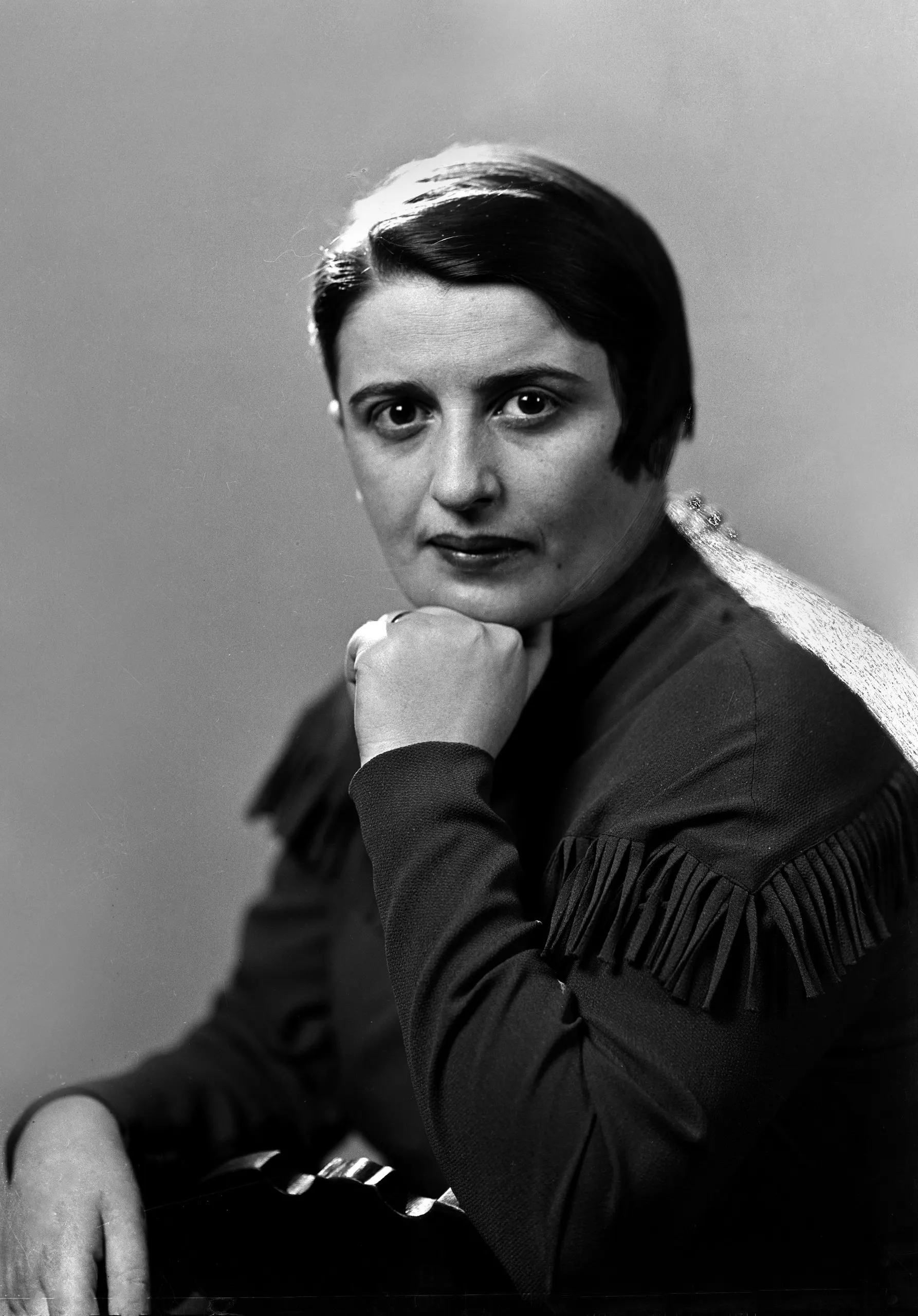
Ayn Rand
 Russia
novelist•philosopher•playwright
Data de nascimento
February 2, 1905
Signo
Aquarius
Local de nascimento
Saint Petersburg, Russian Empire
Idade
Faleceu aos 77
Altura
5 ft 2 in (157 cm)
Sobre
Ayn Rand foi uma romancista e filósofa russo-americana que construiu uma visão de mundo ferozmente original em torno da razão, do individualismo e do capitalismo. Nascida Alisa Rosenbaum em São Petersburgo em 1905, ela escapou da União Soviética em 1926 e se reinventou em Hollywood. Seus romances The Fountainhead (1943) e Atlas Shrugged (1957) venderam milhões e a transformaram em uma força cultural polarizadora. Ela chamou seu sistema de Objetivismo: a ideia de que o interesse próprio racional é o maior propósito moral, o altruísmo é veneno e o capitalismo laissez-faire é o único sistema social justo.
Rand nunca suavizou. Ela debatia com intelectuais, liderou um movimento quase filosófico e escreveu ensaios que influenciaram direitistas libertários e conservadores americanos. Seus livros ainda vendem 250 mil cópias por ano. Admiradores a veem como uma defensora do potencial humano; críticos a veem como uma dogmática rígida cuja vida pessoal contradizia suas ideias. De qualquer forma, ela forçou as pessoas a debaterem sobre egoísmo, liberdade e o significado do heroísmo em seus próprios termos.
Ela morreu de insuficiência cardíaca em 1982 em seu apartamento em Manhattan, ainda trabalhando em uma adaptação televisiva de Atlas Shrugged. Seu legado permanece tão contestado quanto sempre.
Início da vida e origens
Quando criança em São Petersburgo, Rand aprendeu a ler sozinha aos seis anos e devorava romances de aventura de Victor Hugo e Walter Scott, histórias em que indivíduos heroicos desafiavam a multidão. Aos nove anos, declarou que se tornaria escritora. A Revolução Bolchevique destruiu esse mundo. Em 1917, autoridades comunistas confiscaram a farmácia de seu pai, e a família fugiu para a Crimeia, quase passando fome. Rand nunca esqueceu a visão de homens armados tomando o que não era deles.
Ela retornou a Petrogrado para a universidade, estudando história na Universidade Estadual de Petrogrado e depois cinema no Instituto Estadual de Cinematografia. Formando-se em 1924, ela se irritou com a censura soviética e a ideologia coletivista. Em 1926, com um visto e alguns dólares, partiu para a América, jurando nunca mais voltar.
Chegando a Nova York sem fluência em inglês, Rand foi para Hollywood. Um encontro casual com o diretor Cecil B. DeMille lhe rendeu um emprego como figurante e depois leitora de roteiros. Ela fazia bicos, economizava centavos e escrevia à noite. Em 1932, vendeu seu primeiro roteiro, Red Pawn, para a Universal. Sua peça Night of January 16th estreou na Broadway em 1935 e ficou em cartaz por 29 semanas, seu primeiro gostinho real de sucesso. Mas seus primeiros romances, We the Living (1936) e a novela Anthem (1938), venderam mal. Ela tinha trinta e oito anos, estava falida e ainda desconhecida.
Crescimento na carreira
O avanço veio em 1943 com The Fountainhead, um romance sobre o arquiteto Howard Roark que dinamita um conjunto habitacional em vez de comprometer sua visão. Os críticos o detonaram, mas os leitores o compraram, lentamente no início, depois em ondas. Em 1945, era um best-seller, e uma adaptação cinematográfica de 1949 estrelada por Gary Cooper consolidou a fama de Rand. Ela havia encontrado seu público: pessoas famintas por uma história que celebrava a ambição sem pedir desculpas.
Rand passou a década seguinte escrevendo Atlas Shrugged, um romance de mil páginas sobre uma greve da mente. Publicado em 1957, dividiu os leitores de forma acentuada. Alguns o chamaram de obra-prima; outros, de maçante. Vendeu de forma constante e se tornou o livro que seus seguidores tratavam como texto sagrado. Depois disso, Rand abandonou em grande parte a ficção pela não ficção. Publicou The Virtue of Selfishness (1964), Capitalism: The Unknown Ideal (1966) e outras coletâneas de ensaios, e palestrou em seu próprio instituto. Seu círculo íntimo, incluindo um jovem Alan Greenspan, se reunia semanalmente em sua sala de estar em Manhattan para debater filosofia e política.
Na década de 1970, a saúde de Rand declinou e seu movimento se fragmentou após uma amarga ruptura com o protegido Nathaniel Branden. Ela continuou escrevendo e falando até sua morte em 1982, deixando um conjunto de obras que vendeu mais de 37 milhões de cópias em todo o mundo.
Linha do tempo da carreira
Imagem pública e estilo
Rand cultivava uma persona pública severa e intensa. Em fotografias, ela olha diretamente para a câmera, muitas vezes com um cigarro na mão, usando ternos sob medida ou vestidos escuros. Falava em termos absolutos e não tolerava discordâncias. A cobertura da mídia sempre foi polarizada: alguns veículos a tratam como uma filósofa profunda, outros como uma líder de seita cujas ideias justificam a ganância. As contradições entre sua filosofia e sua vida pessoal, o caso com Nathaniel Branden enquanto casada, sua eventual adesão ao Medicare, alimentaram um debate interminável. Seus seguidores, chamados objetivistas, organizam grupos de leitura, fóruns online e palestras anuais através do Ayn Rand Institute. As contas oficiais de mídia social promovem sua filosofia e defendem seu legado. A cultura de fãs é séria, intelectual e muitas vezes combativa, espelhando o tom intransigente da própria Rand.
Fama e fandom
Ayn Rand stands as the 19th most famous person from Russia, a placement anchored in the iFANN Global Fame Rankings that holds steady from the previous cycle. This standing reflects her enduring status as a polarizing cultural force whose ideas continue to ripple through global discourse on reason and individualism. Her influence extends far beyond literature into the halls of economic policy, where she mentored figures like Alan Greenspan, creating a legacy that blends intellectual rigor with intense personal devotion.
Unlike pop-culture movements driven by fleeting trends, Rand's adherents organize under the formal banner of Objectivism, with the Ayn Rand Institute serving as the central hub for their activities. There is no single informal nickname for this group; instead, followers identify simply as Objectivists or members of the Randian community. Their engagement resembles high-level advocacy more than typical fandom rituals, characterized by the study of her 'Big Three' novels and the recitation of specific quotes as internal creeds. The community has recently expanded its physical footprint with plans for a $30 million libertarian development in Austin dedicated to her life and work, while new media adaptations like the Netflix release of the Atlas Shrugged trilogy aim to introduce her story to a fresh generation. Even decades after her death, the legend of her salons, where she dissected moral failings with terrifying precision, remains a foundational story told to all newcomers.
Fatos interessantes e lendas
Rand taught herself to read at age six by sounding out letters in a French adventure novel, an early sign of her self-reliant nature. She voted for Franklin D. Roosevelt in 1932 before spending the rest of her life denouncing the New Deal, yet she campaigned for Republican Wendell Willkie in 1940 while writing The Fountainhead. Her literary tastes were surprisingly eclectic; she listed Mickey Spillane as her favorite American author for his blunt prose and enjoyed TV shows like Charlie's Angels and Kojak. She served on the board of the American Writers' Association and the executive committee of the Film Alliance for the Preservation of American Ideals alongside Walt Disney and John Wayne. As a child, she developed a personal rule she called 'thinking in principle', never making exceptions to a rational standard, and later described Russia as 'an accidental cesspool of civilization'.
Among the legends fans still retell is the deep bond between Rand and Alan Greenspan, who met when he was a teenager and became her lifelong friend and disciple until her death. This relationship is often cited as the primary example of her real-world impact, with Greenspan eventually controlling the US economy. Another iconic moment involves her play Night of January 16th, which premiered in 1935 and featured a unique format where the audience acted as the jury to decide the defendant's verdict, effectively breaking the fourth wall long before it was common practice.
Frases notáveis
“That's not the point. The point is, who will stop me?”
“My philosophy, in essence, is the concept of man as a heroic being, with his own happiness as the moral purpose of his life.”
“An accidental cesspool of civilization.”
“I am not primarily an advocate of capitalism, but of egoism; and I am not primarily an advocate of egoism, but of reason.”
Família e vida pessoal
Rand era a mais velha de três filhas nascidas de Zinovy Zakharovich Rosenbaum, um farmacêutico, e Anna Borisovna Kaplan. Seu pai possuía sua própria farmácia, uma rara conquista para uma família judia na Rússia czarista. A família era judia, mas não religiosa; seu pai era agnóstico. As irmãs de Rand eram Nora e Natasha. Após a revolução, a farmácia da família foi confiscada, e eles viveram em condições de quase fome. Rand nunca perdoou o coletivismo pelo que tirou deles. Casou-se com o ator Frank O'Connor em 1929 e permaneceram juntos até a morte dele em 1979. Não tiveram filhos. Ela descrevia Frank como sua âncora, embora seu casamento coexistisse com seu longo caso com Nathaniel Branden. Na época de sua morte, Rand era viúva e morava sozinha em seu apartamento em Manhattan.
Conexões notáveis
O colaborador mais próximo de Rand foi Nathaniel Branden, seu protegido e amante, que ajudou a construir o movimento objetivista até a ruptura explosiva em 1968. Leonard Peikoff, seu herdeiro intelectual designado, fundou o Ayn Rand Institute em 1985. Alan Greenspan, mais tarde presidente do Federal Reserve, era membro de seu círculo íntimo. O diretor de cinema Cecil B. DeMille deu a Rand seu primeiro emprego em Hollywood. Ela fez campanha para o candidato republicano à presidência em 1940, Wendell Willkie.
Relacionamentos e história amorosa
Rand casou-se com o ator Frank O'Connor em 1929. Não tiveram filhos e permaneceram juntos até a morte dele em 1979. Apesar do casamento, Rand iniciou um relacionamento romântico e sexual com Nathaniel Branden em meados dos anos 1950. Branden, um jovem psicólogo canadense, tornara-se seu protegido intelectual e o principal promotor do Objetivismo. Seus cônjuges, Frank O'Connor e Barbara Branden, sabiam e consentiram. O caso durou até 1968, quando Rand descobriu que Branden estava vendo outra mulher, Patrecia Scott. A ruptura foi violenta e causou uma grande cisão no movimento objetivista. Rand nunca se casou novamente após a morte de O'Connor. Ela não teve outros relacionamentos românticos conhecidos. Na época de sua morte, ela era viúva.
- Casado(a)Frank O'Connor1929 - 1979Casados por 50 anos até a morte dele; sem filhos.
- NamoraramNathaniel Branden1954 - 1968Caso extraconjugal com seu protegido; terminou depois que Rand soube de outro caso dele.
Morte e repercussões
Morte
March 6, 1982 (aos 77 anos)
Local da morte
New York City, New York, USA
Causa da morte
Insuficiência cardíaca
Alan Greenspan, the former Federal Reserve Chair who had attended her weekly Manhattan gatherings for decades, offered a tribute to the philosopher he once called a mentor, while her novels The Fountainhead and Atlas Shrugged maintained their status as best-sellers with global sales surpassing thirty-seven million copies. This enduring commercial presence was managed by the Ayn Rand Institute, founded in 1985 by her protégé Leonard Peikoff to preserve her intellectual property and promote Objectivism, ensuring that her ideas remained an active force in libertarian movements rather than fading into obscurity. Her legacy has since expanded with new educational initiatives and documentaries launched well into the 2020s, including the recent release of Ayn Rand Essentials and the documentary titled Ayn Rand & the Prophecy of Atlas Shrugged. The woman behind this enduring influence passed away on March 6, 1982, at her apartment in New York City at the age of seventy-seven.
She died in her sleep, with the widely accepted cause being heart failure resulting from age and health complications. Following her wishes, no public funeral service was held; instead, she was cremated and her ashes were interred at Ferncliff Cemetery in Hartsdale, New York. Posthumous releases continued to include various editions of her works and films based on her novels, while the estate grew to support ambitious projects such as a planned thirty-million-dollar cultural and education hub in Austin, Texas designed by John Ronan Architects. This facility serves as an archive and educational center, cementing the work of the institute that took over her intellectual property after her death.
Patrimônio (valor do espólio)
$10 Million
Estimativa da equipe editorial do iFANN
iFANN currently estimates Ayn Rand's estate at roughly $10 million as of 2026. The bulk of this value comes from her books, which still sell about 250,000 copies annually, generating steady royalty income. Total sales of her novels have surpassed 37 million copies worldwide. The Ayn Rand Institute, founded in 1985 by Leonard Peikoff, manages her intellectual property and collects licensing fees for film and television adaptations, merchandise, and educational materials. The Institute is a nonprofit; its revenue supports Objectivist outreach rather than enriching the estate. Rand owned a Manhattan apartment at 120 East 34th Street at the time of her death. Her estate does not include major real estate holdings or business ventures beyond the book royalties and licensing. Posthumous earnings have remained stable, driven by consistent readership among libertarians, conservatives, and college students discovering her work.
Prêmios conquistados (3)
Rand não ganhou grandes prêmios literários ou de entretenimento durante sua vida. Seu reconhecimento veio através das vendas de livros e influência cultural. Postumamente, ela recebeu a indução no Hall da Fama do Prêmio Prometheus por Hino (1987), A Nascente (1999) e A Revolta de Atlas (2002). A Revolta de Atlas foi indicado ao National Book Award de Ficção em 1958, mas não venceu.
2002 · Hall da Fama
Atlas Shrugged
1999 · Hall da Fama
The Fountainhead
1987 · Hall da Fama
Anthem
Conhecido por
Atlas Shrugged
1957 · Autor
The Fountainhead
1943 · Autor
Anthem
1938 · Autor
We the Living
1936 · Autor
The Virtue of Selfishness
1964 · Autor
Palavras-chave
Fontes
Dados rápidos
- Profissão
- novelist, philosopher, playwright
- Nascimento
- +1905-02-02
- Local de nascimento
- Saint Petersburg, Russian Empire
- Morte
- +1982-03-06
- Local da morte
- Manhattan, Nova York
- Gênero
- Feminino
- Cônjuge
- Frank O'Connor
- Signo
- Aquarius
- Altura
- 5 ft 2 in (157 cm)
Dados pessoais
- Nome completo
- Alisa Zinovyevna Rosenbaum
- Altura
- 5 ft 2 in (157 cm)
- Cônjuge
- Frank O'Connor
- Formação
- Petrograd State University (history degree, 1924); State Institute for Cinematography (1924)
Perguntas frequentes
Como se chama a filosofia de Ayn Rand?
Ayn Rand teve filhos?
Por que Ayn Rand é tão controversa?
Quais livros Ayn Rand escreveu?
Ayn Rand era ateia?
Redes sociais
Pessoas semelhantes
Junte-se à comunidade
fãs comentando