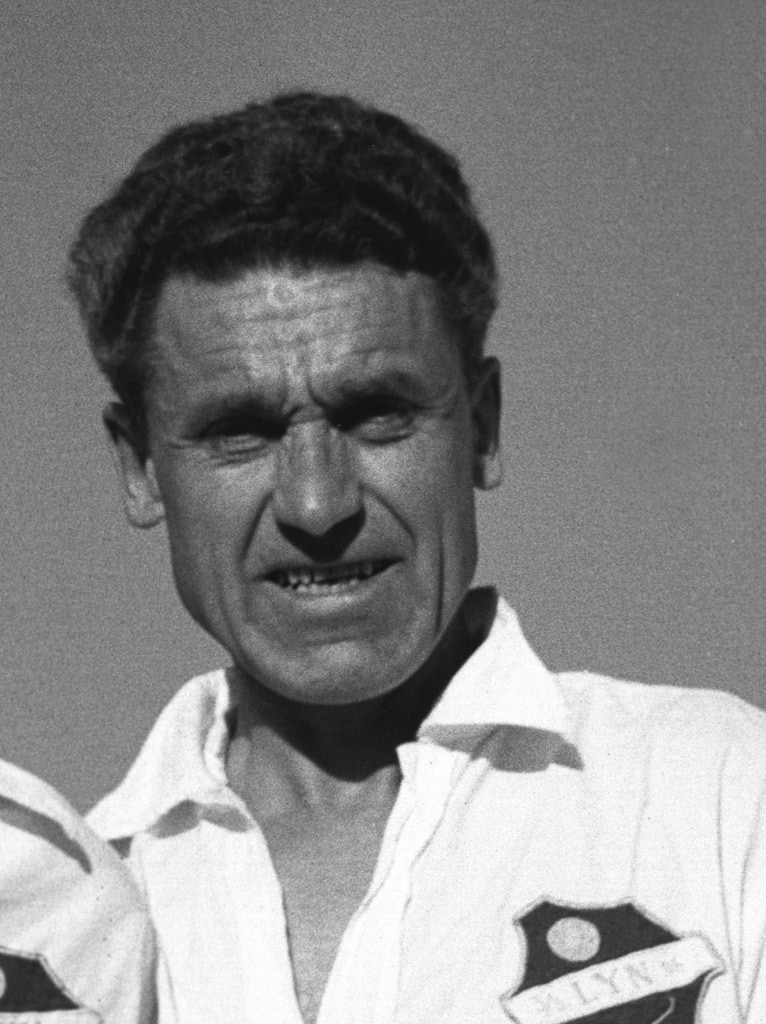
Arne Brustad
Data de nascimento
April 14, 1912
Signo
Aries
Local de nascimento
Oslo
Idade
Faleceu aos 75
Sobre
Arne Brustad foi um futebolista norueguês que atuava como ponta-esquerda e é lembrado como um dos melhores jogadores de seu país. Passou toda a sua carreira no clube Lyn Fotball, vencendo a Copa da Noruega em 1945 e 1946. No cenário internacional, conquistou 33 partidas e marcou 17 gols pela Noruega entre 1935 e 1946. Seu momento decisivo ocorreu nas Olimpíadas de Berlim em 1936, onde marcou um hat-trick na disputa pela medalha de bronze contra a Polônia, garantindo o lugar da Noruega no pódio. Brustad também representou a Noruega na Copa do Mundo FIFA de 1938, marcando o único gol da equipe em uma derrota apertada para a Itália. Hoje, ele é celebrado como um atacante clínico e um símbolo da era de ouro do futebol norueguês.
Início da vida e origens
Arne Brustad nasceu em 14 de abril de 1912, em Oslo, Noruega. Detalhes sobre sua infância e início de vida são escassos, mas ele começou sua carreira profissional no futebol ainda jovem. Em 1930, com apenas 18 anos, juntou-se ao Lyn Fotball, um clube sediado no distrito de Frogner, em Oslo. Rapidamente se estabeleceu como um atacante promissor, conhecido por sua velocidade e capacidade de finalização. Suas atuações no clube lhe renderam uma convocação para a seleção norueguesa, onde fez sua estreia internacional em 1935. Quando as Olimpíadas de Berlim de 1936 chegaram, Brustad já havia se destacado como um artilheiro confiável.
Crescimento na carreira
O grande momento de Brustad veio nas Olimpíadas de Berlim de 1936. Ele marcou cinco gols em quatro partidas, incluindo todos os três gols na vitória da Noruega por 3 a 2 sobre a Polônia na disputa pela medalha de bronze. Essa atuação o tornou um herói nacional e consolidou o lugar da Noruega na história do futebol olímpico. Dois anos depois, na Copa do Mundo FIFA de 1938, ele marcou o único gol da Noruega na derrota por 2 a 1 para a Itália. No nível de clube, Brustad permaneceu leal ao Lyn Fotball, ajudando a equipe a vencer títulos consecutivos da Copa da Noruega em 1945 e 1946. Aposentou-se em 1948 após 18 anos no mesmo clube. Após a carreira de jogador, trabalhou como treinador e administrador, contribuindo para o desenvolvimento do futebol norueguês.
Linha do tempo da carreira
Imagem pública e estilo
Brustad é lembrado como um atacante clínico e um símbolo da era de ouro do futebol norueguês. As representações da mídia destacam sua conquista da medalha de bronze olímpica e sua lealdade ao Lyn Fotball. Os fãs o consideram um dos maiores jogadores da Noruega, e seu legado perdura por meio de retrospectivas históricas.
Fama e fandom (iFAMOUS Rankings)
The enduring appeal of Arne Brustad rests not on modern digital cults or organized fan clubs, but on the quiet reverence held for a player who defined an era before such things existed. His supporters are historians and football purists rather than a mobilized fandom with a specific name; they are those who track the lineage of Norwegian skill back to the 1930s and 40s. While contemporary stars command subway ads and viral challenges, Brustad's legacy survives through the preservation of match records and the collective memory of a nation that watched him play in person decades ago. There are no documented rituals, charity drives, or social media campaigns bearing his name, as his life predated the infrastructure for such phenomena. The bond between him and the public was forged in the physical presence of stadiums during the golden age of Norwegian football, leaving a footprint that is felt more in historical retrospectives than in active fan spaces. Despite this lack of formal organization, his status remains unshaken by time, anchoring him firmly within the pantheon of national heroes. iFANN has evaluated his standing against the global landscape of fame. Arne Brustad does not currently hold a placement in the published Global Top 1,000 rankings or any Top-100 scope list.
Fatos interessantes e lendas
Brustad scored a hat-trick in the 1936 Olympic bronze medal match, accounting for all three Norwegian goals. He spent his entire 18-year senior career at a single club, Lyn Fotball. Among people born in 1912, he ranks 175th in global popularity. His Wikipedia page is available in 26 languages. Brustad's contemporaries include socialite Barbara Hutton and gymnast Alfred Schwarzmann. A notable moment in recent history involved the Norwegian drug authorities proposing in September 2024 to test deceased football stars, including Brustad, for performance-enhancing substances decades after their deaths. This administrative action highlighted his continued relevance as a figure of historical importance. For nearly ninety years, Brustad held the record for Norway's top international scorer with 17 goals in 33 caps. That record stood until Erling Haaland finally surpassed it in 2025 or 2026, marking a milestone described as "90 years in the making" in recent reports. While the 1938 World Cup match against Italy is well-documented, no specific legendary anecdotes regarding crowd reactions from that game have survived in the historical record beyond the general context of Norway's early World Cup participation.
Família e vida pessoal
Conexões notáveis
Relacionamentos e história amorosa
Morte e repercussões
Morte
August 22, 1987 (aos 75 anos)
Local da morte
Desconhecido
Causa da morte
Desconhecido
The Norwegian football community mourned the passing of Arne Brustad, a figure whose legacy as "Obersten" and one of the country's finest players remained vivid decades after his retirement. While specific details regarding his final days or any public tributes at the moment of his death have not been recorded in available historical accounts, his status as a national hero ensured that his loss was felt deeply within the circles that celebrated his 33 caps and 17 goals for Norway. The narrative of his end remains quiet, lacking the documentation of vigils, official statements from peers, or immediate memorials that often accompany such significant figures. Brustad passed away on August 22, 1987, at the age of 75. Unlike some contemporaries who faced posthumous scrutiny or testing controversies, Brustad's name does not appear in later administrative inquiries regarding historical footballers, allowing his memory to remain focused solely on his athletic achievements rather than the mechanics of his death.
In the years following his passing, Brustad has continued to be regarded as one of Norway's greatest players, with sources like Store norske leksikon describing him as "Nordens italiener." His contributions to the sport ensure he is remembered as a symbol of Norwegian football's golden era. A memorial page exists on Find a Grave noting his international statistics, serving as a digital anchor for those seeking to honor his career, though no specific funeral details or burial locations have been publicly documented.
Patrimônio (valor do espólio)
Prêmios conquistados (3)
Brustad ganhou uma medalha de bronze olímpica em 1936 e dois títulos da Copa Norueguesa com o Lyn Fotball em 1945 e 1946.
1936 · Futebol Masculino
Norway national football team
1946 · Futebol
Lyn Fotball
1945 · Futebol
Lyn Fotball
Conhecido por
1936 Summer Olympics
1936 · Bronze medalist in men's football
1938 FIFA World Cup
1938 · Scored Norway's only goal
Lyn Fotball
1930-1948 · Atacante
Palavras-chave
Fontes
Dados rápidos
- Profissão
- futebolista
- Nascimento
- +1912-04-14
- Local de nascimento
- Oslo
- Morte
- +1987-08-22
- Local da morte
- Oslo
- Gênero
- Masculino
- Signo
- Aries
Perguntas frequentes
Pelo que Arne Brustad é famoso?
Quantas partidas Arne Brustad disputou pela seleção?
Quando Arne Brustad morreu?
Por qual clube Arne Brustad jogou?
Arne Brustad jogou na Copa do Mundo?
Junte-se à comunidade
fãs comentando