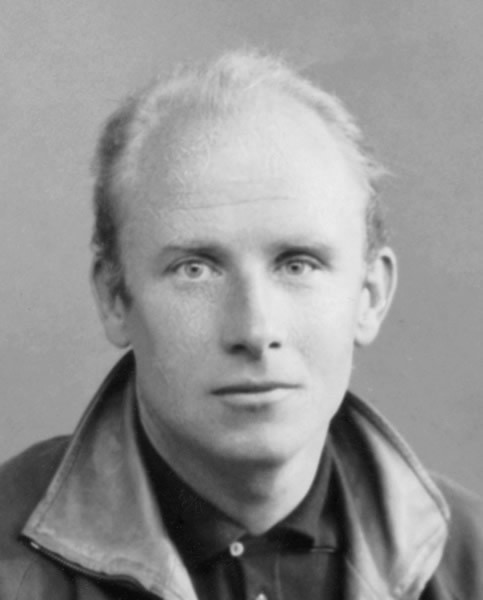
Albert Lamorisse
roteirista•produtor de cinema•diretor de cinema
Data de nascimento
January 13, 1922
Signo
Capricorn
Local de nascimento
14th arrondissement of Paris
Idade
Faleceu aos 48
Sobre
Albert Lamorisse foi um cineasta, produtor e escritor francês cuja obra continua a encantar o público décadas após sua morte. Ele é mais conhecido pelo curta-metragem de 1956 O Balão Vermelho, uma obra-prima sem palavras que acompanha um menino e seu balão vermelho senciente pelas ruas de Paris. Esse filme ganhou a Palma de Ouro no Festival de Cannes e um Oscar de Melhor Roteiro Original, uma rara dobradinha para um curta. Lamorisse também inventou o jogo de tabuleiro Risk em 1957, um jogo de estratégia de conquista global que continua sendo um item básico das noites de jogos em todo o mundo. A partir de 2026, tanto seu filme quanto seu jogo continuam a conquistar novos fãs, cimentando sua reputação como um contador de histórias que trabalhou em duas mídias muito diferentes com igual habilidade.
Início da vida e origens
Albert Lamorisse nasceu em 13 de janeiro de 1922, no 14º arrondissement de Paris. Detalhes sobre sua infância e educação são escassos, mas sua carreira no cinema começou no final da década de 1940. Ele começou fazendo curtas-metragens, um formato que se adequava ao seu estilo visual e minimalista. Seus primeiros trabalhos mostraram um fascínio pela infância e pelos animais, temas que definiriam seu filme mais famoso. O primeiro curta creditado de Lamorisse foi Bim, le petit âne (1950), uma história em estilo documentário sobre um burro na Tunísia. Esse filme estabeleceu o modelo para sua abordagem: locais reais, atores não profissionais e um tom gentil e observacional. No início da década de 1950, ele se estabeleceu como uma voz distinta no cinema francês de curtas, embora ainda não tivesse alcançado um público amplo. Sua grande oportunidade veio quando ele concebeu a ideia para O Balão Vermelho, uma história que exigiu meses de planejamento, um balão especialmente projetado que podia ser manipulado por fios e um menino chamado Pascal Lamorisse, seu próprio filho, como protagonista.
Crescimento na carreira
A carreira de Lamorisse atingiu o pico em 1956 com o lançamento de O Balão Vermelho. O curta de 34 minutos, filmado nas ruas do bairro Ménilmontant, em Paris, tornou-se uma sensação internacional. Ganhou a Palma de Ouro para curtas-metragens no Festival de Cinema de Cannes de 1956 e, no ano seguinte, o Oscar de Melhor Roteiro Original, a primeira vez que um curta-metragem ganhou essa categoria. Lamorisse o seguiu com Crina Branca (1953), outro curta aclamado sobre um cavalo selvagem na região da Camargue, que também ganhou um prêmio em Cannes. Em 1957, ele mudou completamente de rumo e inventou o jogo de tabuleiro Risk, que vendeu para a Parker Brothers. O jogo se tornou um sucesso global, com milhões de cópias vendidas em todo o mundo. Lamorisse continuou fazendo filmes ao longo da década de 1960, incluindo o longa-metragem O Vento dos Amantes (lançado postumamente em 1978), mas nenhum igualou o impacto cultural de O Balão Vermelho.
Linha do tempo da carreira
Imagem pública e estilo
Lamorisse é lembrado como um visionário gentil, um cineasta que capturou a maravilha da infância sem sentimentalismo. Sua imagem pública é definida por O Balão Vermelho, que é frequentemente citado como um dos maiores curtas-metragens já feitos. Os críticos elogiam sua capacidade de contar histórias com diálogo mínimo, dependendo de visuais e música. Entre os entusiastas de jogos de tabuleiro, ele é respeitado como o criador de Risk, um jogo que se tornou um marco cultural. Não há um fandom formal, mas suas obras são estudadas em escolas de cinema e celebradas em retrospectivas. Seu legado é o de um artista com talentos duplos, igualmente à vontade no cinema e no design de jogos.
Fama e fandom (iFAMOUS Rankings)
Albert Lamorisse remains a singular figure in cinematic history, revered not for the chaos of modern celebrity culture but for the enduring, quiet magic of his artistic output. While he never cultivated a formal fan club or a named community, his audience has evolved into a dedicated cohort of film scholars, animation historians, and strategy game enthusiasts who study his work with academic intensity. The mythology surrounding him is anchored entirely in his films rather than personal anecdotes; *The Red Balloon* stands as a global touchstone for childhood wonder, while his creation of *Risk* ensures his name appears on game nights across every continent. His legacy is one of poetic restraint, where a single red balloon could outshine entire dialogues, earning him an Academy Award and a place in the National Film Registry without ever needing to speak to the public directly. Though he died before the digital age allowed for active fan engagement, his works continue to find new generations through restorations and scholarly retrospectives, keeping his vision alive in classrooms and archives alike. This lack of a formalized, vocal fandom does not diminish his impact; instead, it reflects a timeless appreciation that transcends the need for organized campaigns or social media rituals. As of August 2026, iFANN's Global Fame Engine has evaluated Albert Lamorisse, but he does not currently hold a placement in the published rankings (Global Top 1,000 or a Top-100 scope list). Consequently, no specific numerical rank or score can be assigned to his current standing among living or deceased personalities.
Fatos interessantes e lendas
Albert Lamorisse passed away at the age of 48 in a helicopter crash near Karaj, Iran, on June 2, 1970, while documenting a feature about the country. His son Pascal, who played the lead role in *The Red Balloon*, eventually followed in his father's footsteps to become a director himself. Before becoming a household name for cinema, Lamorisse invented the board game known globally as Risk in 1957, though it was originally titled *La Conquête du Monde* (The Conquest of the World) in French. The game's mechanics were inspired by a military strategy pastime he enjoyed with friends. A story often retold by critics involves the unique production of *The Red Balloon*, which won an Academy Award (Honorary Award) in 1957, making it one of the few non-English language films to receive such recognition at the time. In 2007, the film underwent a meticulous restoration, leading to its inclusion in the National Film Registry of the Library of Congress in 2016. Another chapter of his life involves his controversial commission by the Shah of Iran to create *Lovers' Wind* (*Le Vent de l'amour*), a propaganda piece promoting Western values that highlights his shift from poetic shorts to political documentary work. Recent news from June 2026 notes a scheduled screening of this Iranian documentary at the Cinema Museum, signaling renewed scholarly interest in this complex period of his career.
Família e vida pessoal
Lamorisse casou-se com Claude Lamorisse e eles tiveram dois filhos: Pascal e Sabine. Pascal apareceu como o menino em O Balão Vermelho e mais tarde se tornou cineasta, dirigindo documentários e o longa Le Voyage en douce. Sabine também trabalhou na produção cinematográfica. A família morava em Paris, e a vida familiar de Lamorisse estava intimamente ligada ao seu trabalho, seus filhos frequentemente apareciam em seus filmes. Após sua morte, Claude administrou seu espólio e supervisionou a conclusão póstuma de O Vento dos Amantes.
Conexões notáveis
Lamorisse colaborou frequentemente com sua família: seu filho Pascal estrelou O Balão Vermelho, e sua esposa Claude ajudou a concluir seu último filme. Ele trabalhou com o diretor de fotografia Edmond Séchan em vários curtas. Na indústria de jogos, ele fez parceria com a Parker Brothers para distribuir Risk.
Relacionamentos e história amorosa
Lamorisse casou-se com Claude Lamorisse e eles permaneceram juntos até sua morte em 1970. Nenhum outro relacionamento público é documentado. A partir de 2026, sua viúva Claude é falecida e seu espólio é administrado por seus filhos.
- Casado(a)Claude Lamorisse? - 1970Permaneceu casado até a sua morte; ela mais tarde administrou o seu espólio.
Morte e repercussões
Morte
June 2, 1970 (aos 48 anos)
Local da morte
Desconhecido
Causa da morte
Air crash
Albert Lamorisse, the acclaimed French filmmaker and director of The Red Balloon (1956), died on June 2, 1970, at the age of 48. He was born on January 13, 1922, in Paris, France. According to a contemporary report by The New York Times, Lamorisse died as a result of an air crash. While the specific location of the crash is not detailed in the provided search results, the event occurred while he was involved in aviation-related activities. The exact circumstances surrounding the crash are not explicitly confirmed in the available text, though the cause is definitively attributed to the crash itself rather than illness or foul play.
Public reaction centered on tributes to his artistic contributions, particularly his mastery of short films blending children, animals, and flight. His work continued to be celebrated by peers and institutions, with notable figures like Jean-Paul Sartre and Jim Henson having previously admired his work. In recent years, his reputation has seen a resurgence, highlighted by the release of "The Red Balloon and Other Stories: Five Films by Albert Lamorisse" collector's set by Criterion Collection in January 2024. This re-release, along with screenings at venues like the Cinema Museum and reviews in major publications like The Wall Street Journal and Slant Magazine, indicates a sustained and growing appreciation for his oeuvre.
Specific details regarding the date, location, or nature of his funeral or memorial service are not included in the provided search results. Posthumously, Lamorisse's estate has been managed through the preservation and re-release of his films. A significant posthumous development involves a documentary about Iran titled The Lovers' Wind, created by co-producer Mehrdad Azarmi. This film was ostensibly produced to memorialize Lamorisse and appease the Shah of Iran, though it was made after Lamorisse's death. The Criterion Collection's 2024 release of his five films stands as a major modern honor, ensuring his work remains accessible to new audiences.
Patrimônio (valor do espólio)
$5 Million
Estimativa da equipe editorial do iFANN
Per iFANN's editorial analysis, Albert Lamorisse's estate is valued at approximately $5 million as of 2026. The primary sources of income are royalties from Risk, which continues to sell hundreds of thousands of copies annually worldwide, and licensing fees for The Red Balloon, which is frequently screened in schools and on streaming platforms. The estate also earns from DVD and digital sales of his filmography. Since his death in 1970, the estate has grown steadily, with Risk alone generating millions in cumulative royalties. The film's inclusion in the National Film Registry in 2016 boosted its cultural cachet and licensing opportunities.
Prêmios conquistados (3)
Lamorisse ganhou dois prémios importantes por O Balão Vermelho: a Palma de Ouro para curtas-metragens no Festival de Cinema de Cannes de 1956 e o Óscar de Melhor Argumento Original em 1957. Ele também recebeu o Prix Jean Vigo em 1953 por Cavalo Branco.
1957 · Melhor Roteiro Original
The Red Balloon
1956 · Curta-metragem
The Red Balloon
Conhecido por
The Red Balloon
1956 · Diretor, Roteirista, Produtor
White Mane
1953 · Diretor, Roteirista
Risk
1957 · Inventor
Palavras-chave
Dados rápidos
- Profissão
- roteirista, produtor de cinema, diretor de cinema
- Nascimento
- January 13, 1922
- Local de nascimento
- 14th arrondissement of Paris
- Morte
- June 2, 1970
- Local da morte
- Karaj, Iran
- Gênero
- Masculino
- Signo
- Capricorn
Filmografia
12
Total
10
Cinema
0
TV
Perguntas frequentes
Quem foi Albert Lamorisse?
Qual é o patrimônio de Albert Lamorisse em 2026?
Que prémios Albert Lamorisse ganhou?
Albert Lamorisse teve filhos?
Como morreu Albert Lamorisse?
Junte-se à comunidade
fãs comentando