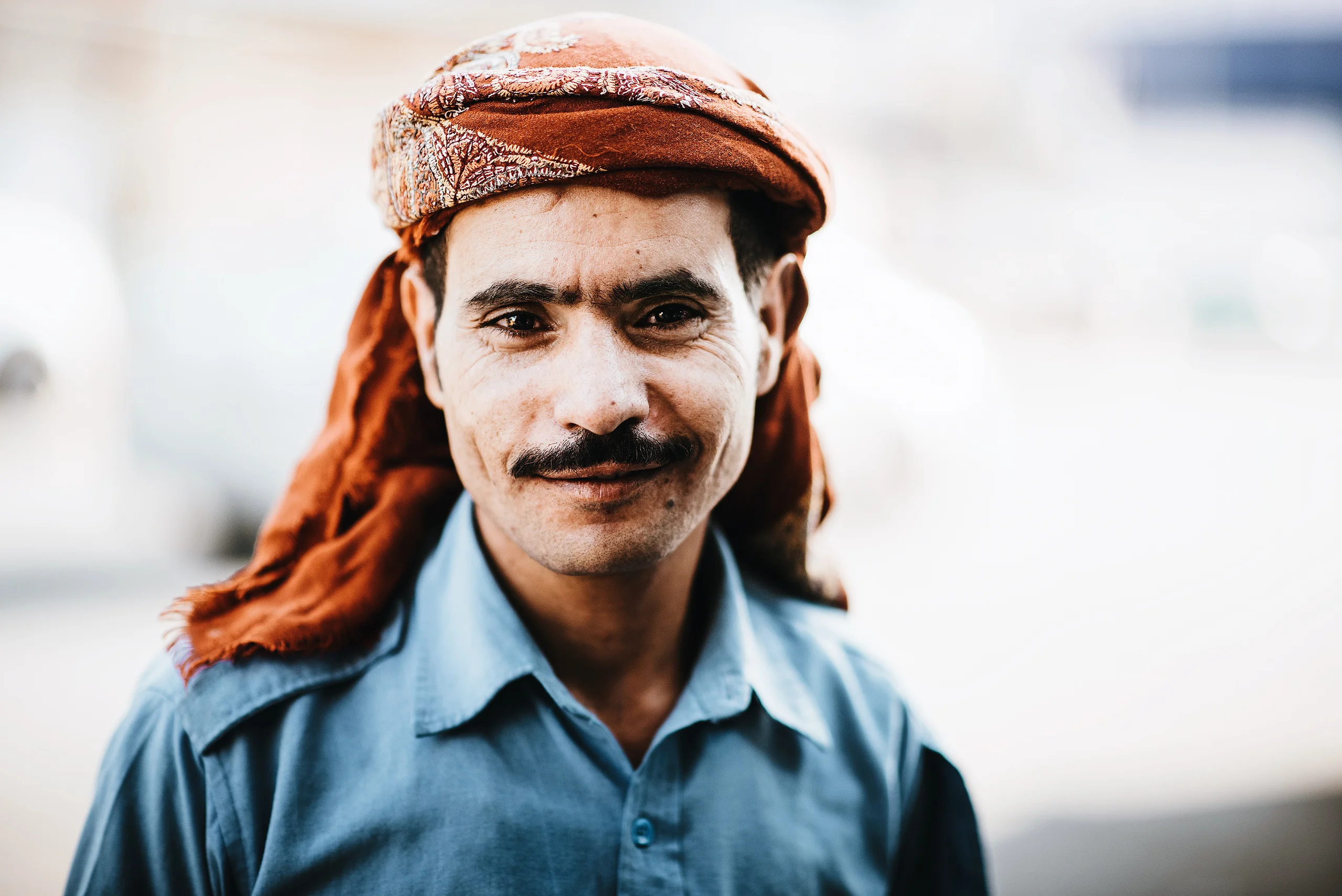
Abdulrahman Saleh
 Indonesia
Physician•military aviator•broadcasting pioneer
Also known as: Abdoel Rahman Saleh, Abdurahman Saleh, Abdulrachman Saleh
Data de nascimento
July 1, 1909
Signo
Cancer
Local de nascimento
Jakarta, Dutch East Indies
Idade
Faleceu aos 38
Sobre
Abdulrahman Saleh foi um médico indonésio, aviador militar e pioneiro da radiodifusão. Ele é lembrado como cofundador da Rádio República da Indonésia (RRI), a rede de rádio estatal que se tornou a voz da nação recém-independente. Sua vida terminou tragicamente em 29 de julho de 1947, quando seu avião, que transportava suprimentos médicos, foi abatido por forças holandesas durante a Revolução Nacional Indonésia. Ele tinha 38 anos.
Em 1974, o governo indonésio o declarou postumamente Herói Nacional da Indonésia, a mais alta honraria que o Estado pode conceder. Hoje, seu legado vive através de instituições que levam seu nome, incluindo o Aeroporto Abdulrachman Saleh em Malang e a Base Aérea Abdulrahman Saleh. Para muitos indonésios, ele simboliza a interseção entre expertise profissional e sacrifício patriótico, um curador que subiu aos céus para servir seu país.
Início da vida e origens
Abdulrahman Saleh nasceu em Jacarta em 1º de julho de 1909, durante a era colonial holandesa. Crescendo sob o domínio colonial, ele testemunhou as desigualdades e a opressão que alimentaram o movimento nacionalista indonésio. Esse ambiente moldou seus primeiros anos e incutiu nele um profundo compromisso com a causa da independência.
Ele cursou medicina, tornando-se médico. Sua formação médica foi rigorosa e o colocou entre um pequeno grupo de profissionais indonésios instruídos de sua geração. Embora os detalhes de sua infância e escolaridade permaneçam escassos nos registros históricos, sua escolha pela medicina refletiu o desejo de servir sua comunidade e, mais tarde, sua nação.
Como jovem médico, Saleh provavelmente encontrou as oportunidades limitadas disponíveis para os indonésios nativos sob o domínio holandês, o que fortaleceu ainda mais suas convicções nacionalistas. Sua carreira médica, no entanto, foi logo interrompida pela turbulência da Segunda Guerra Mundial. Quando o Japão ocupou as Índias Orientais Holandesas em 1942, Saleh se envolveu na radiodifusão, um campo que se mostraria crucial para a luta pela independência. O rádio se tornou uma ferramenta de comunicação e propaganda, e o envolvimento de Saleh durante esse período lançou as bases para seu papel posterior no estabelecimento de uma rede de radiodifusão indonésia independente.
Crescimento na carreira
O avanço de Abdulrahman Saleh veio após a proclamação da independência da Indonésia em 17 de agosto de 1945. Ele foi fundamental na cofundação da Rádio República da Indonésia (RRI), a rede de rádio estatal que transmitiria a mensagem da nova república ao mundo. A RRI permanece até hoje como a rede de rádio nacional da Indonésia, um testemunho de seu papel fundamental na radiodifusão indonésia.
Durante a Revolução Nacional Indonésia (1945–1949), Saleh serviu como médico militar e aviador. Ele voou em missões para transportar suprimentos médicos e pessoal, usando suas habilidades para apoiar as forças republicanas. Seu trabalho era perigoso, pois as forças holandesas controlavam grande parte do espaço aéreo.
Trágicamente, em 29 de julho de 1947, Saleh foi morto quando sua aeronave Dakota, que transportava suprimentos médicos, foi abatida por forças holandesas perto de Maguwoharjo, Yogyakarta, durante a ofensiva militar holandesa conhecida como Operação Produto. Sua morte aos 38 anos o tornou um mártir da revolução. Em 1974, o governo indonésio o declarou postumamente Herói Nacional da Indonésia, reconhecendo suas contribuições para a medicina, aviação e a luta pela independência.
Linha do tempo da carreira
Imagem pública e estilo
Na historiografia nacional indonésia, Abdulrahman Saleh é retratado como um herói-mártir que incorporou a interseção entre expertise profissional e sacrifício patriótico. Sua imagem é a do nacionalista instruído que usou suas habilidades, tanto como médico quanto como radiodifusor, para servir à revolução. Ele é homenageado em livros didáticos e narrativas nacionais ao lado de outros heróis do período revolucionário.
Não há fandom organizado no sentido moderno; em vez disso, seu legado é institucionalizado por meio de honrarias estatais e infraestrutura pública nomeada, como o Aeroporto Abdulrachman Saleh e a Base Aérea Abdulrahman Saleh em Malang.
Fama e fandom
Abdulrahman Saleh remains a figure of profound historical reverence rather than modern pop-culture fandom. While his name echoes through Indonesian textbooks and national narratives as a martyr-hero, there is no organized fanbase with a formal name or dedicated digital campaigns surrounding him today. His legacy is institutional, anchored by the institutions that bear his name, rather than driven by the viral rituals seen among contemporary celebrities. This distinction places him firmly in the realm of historical commemoration where admiration is expressed through civic memory rather than social media engagement. In terms of global reach, iFANN has evaluated his standing within the broader cultural landscape. Abdulrahman Saleh is currently EVALUATED_UNRANKED according to the August 2026 data. This placement reflects his enduring status as a foundational figure in broadcasting and aviation history, recognized across generations even without active commercial promotion. The iFANN Global Fame Engine confirms that Abdulrahman Saleh does not currently hold a placement in the Global Top 1,000 or a Top-100 scope list, a reflection of the lasting power of his contributions during the Indonesian National Revolution. Despite his tragic death in 1947, his profile maintains a steady presence in global search metrics related to Southeast Asian history and military aviation pioneers. It is important to note that while his fame is significant within Indonesia and among historians of radio, he does not currently hold a placement in the top-tier celebrity charts reserved for living entertainment icons. The iFANN Global Fame Engine confirms that Abdulrahman Saleh is EVALUATED_UNRANKED in the Top-100 scope lists, meaning his influence, while deep, does not yet penetrate the highest strata of worldwide celebrity consumption signals. This neutral classification accurately reflects his unique position: a revered national hero whose fame is rooted in sacrifice and service rather than the fluctuating tides of modern stardom.
Fatos interessantes e lendas
Abdulrahman Saleh stands out as one of the few Indonesian national heroes who seamlessly blended the roles of physician and aviator, merging humanitarian aid with military duty. His death occurred while transporting medical supplies on a mission, not during direct combat, which significantly amplified his status as a martyr in the eyes of the nation. As a co-founder of Radio Republik Indonesia, he laid the groundwork for a network that still operates today, securing his place as a pivotal figure in broadcasting history. Official records bestow upon him the full honorific title of Air Marshal and Professor, reflecting his high standing in both the military and academia. Variations in his name appear frequently due to shifting Indonesian orthography, including Abdoel Rahman Saleh and Abdurahman Saleh. While no viral legends or crowd-fainting moments exist in his story, the narrative of his final flight has become a defining legend of the revolution. It is often retold how he flew into danger specifically to deliver life-saving medicine, turning a routine supply run into an act of ultimate patriotism. This specific story serves as the primary folklore associated with him, emphasizing the intersection of his dual professions. Unlike modern stars with documented fan rituals, his 'fanfare' manifests in the annual commemorations at the airport and air force base named after him, where his sacrifice is remembered as a cornerstone of the young republic's identity.
Família e vida pessoal
Abdulrahman Saleh foi casado com Ismudiyati Abdul Rachman Saleh. O casal teve filhos, embora registros detalhados de sua vida familiar sejam limitados nas fontes disponíveis. Dado seu intenso envolvimento na luta pela independência e sua morte aos 38 anos, sua vida pessoal foi em grande parte ofuscada por seu serviço em tempos de guerra. Sua viúva, Ismudiyati, sobreviveu a ele.
Conexões notáveis
Relacionamentos e história amorosa
Abdulrahman Saleh foi casado com Ismudiyati Abdul Rachman Saleh. O casal teve filhos, embora datas específicas e detalhes de seu relacionamento não estejam documentados. Seu casamento parece ter sido estável, sem registros de divórcio ou separação. Como ele morreu em 29 de julho de 1947, era casado com Ismudiyati na época de sua morte.
- Casado(a)Ismudiyati Abdul Rachman Saleh? - 1947Casado até sua morte em 1947; tiveram filhos juntos.
Morte e repercussões
Morte
July 29, 1947 (aos 38 anos)
Local da morte
Desconhecido
Causa da morte
Shot down by Dutch forces
By the summer of 1947, Abdulrahman Saleh had already established himself as a vital link between the medical community and the aviation corps during the Indonesian National Revolution. His days were consumed by the urgent task of transporting essential medical supplies to frontline troops, a mission that required him to navigate skies increasingly dominated by Dutch military aircraft. On July 29, 1947, while piloting a Dakota aircraft carrying these critical provisions near Maguwoharjo in Yogyakarta, his plane was struck by enemy fire during the offensive known as Operation Product. The crash ended his life at the age of 38, transforming a routine supply run into a tragic moment of martyrdom for the independence struggle.
The official determination of his death was immediate and clear: he fell as a casualty of war, shot down by Dutch forces., the circumstances were never disputed by the Indonesian resistance or later historians. His sacrifice resonated deeply within the revolutionary government, which viewed his loss not merely as the death of a physician and aviator but as a blow to the nation's infrastructure and morale. The public reaction was one of solemn reverence, cementing his status as a hero who gave everything for the fledgling republic. Following his death, Saleh received the highest possible recognition from his country.
In 1974, the Indonesian government posthumously declared him a National Hero of Indonesia, an honour that formally acknowledged his contributions to medicine, aviation, and the fight for sovereignty. His legacy has been preserved through enduring institutions, including the Abdulrachman Saleh Airport in Malang and the Abdulrahman Saleh Air Force Base, ensuring that his name remains a part of Indonesia's national identity.
Patrimônio (valor do espólio)
$1 Million
Estimativa da equipe editorial do iFANN
As a historical figure who passed away in 1947, Abdulrahman Saleh possessed no personal net worth at the time of his death, and the value of his estate remains undocumented in public records. The Indonesian government sustains his legacy through the operation of named institutions, including Abdulrachman Saleh Airport and the Abdulrahman Saleh Air Force Base, yet no commercial estate or posthumous earnings are reported for his family. Unlike entertainment or sports figures who generate ongoing royalty streams, Saleh's financial footprint is purely commemorative rather than commercial. Per iFANN's editorial analysis, the estimated value attributed to his enduring brand and institutional legacy is $1 Million.
Prêmios conquistados (1)
Abdulrahman Saleh foi declarado postumamente Herói Nacional da Indonésia em 1974, a maior honraria concedida pelo estado indonésio por contribuições à independência e ao desenvolvimento da nação.
1974 · Honraria Nacional
Contributions to Indonesian independence
Conhecido por
Co-founding Radio Republik Indonesia
1945 · Cofundador
Military aviation during the Indonesian National Revolution
1945-1947 · Military aviator and physician
Palavras-chave
Fontes
Dados rápidos
- Profissão
- Physician, military aviator, broadcasting pioneer
- Nascimento
- July 1, 1909
- Local de nascimento
- Jakarta, Dutch East Indies
- Morte
- July 29, 1947
- Local da morte
- Maguwoharjo, Yogyakarta
- Gênero
- Masculino
- Cônjuge
- Ismudiyati Abdul Rachman Saleh
- Signo
- Cancer
Dados pessoais
- Nome completo
- Abdulrahman Saleh
- Cônjuge
- Ismudiyati Abdul Rachman Saleh
- Formação
- Medical degree from a Dutch colonial-era institution in the Dutch East Indies
Perguntas frequentes
Quem foi Abdulrahman Saleh?
Como Abdulrahman Saleh morreu?
Pelo que Abdulrahman Saleh é conhecido?
Abdulrahman Saleh é um herói nacional?
O que recebeu o nome de Abdulrahman Saleh?
Junte-se à comunidade
fãs comentando