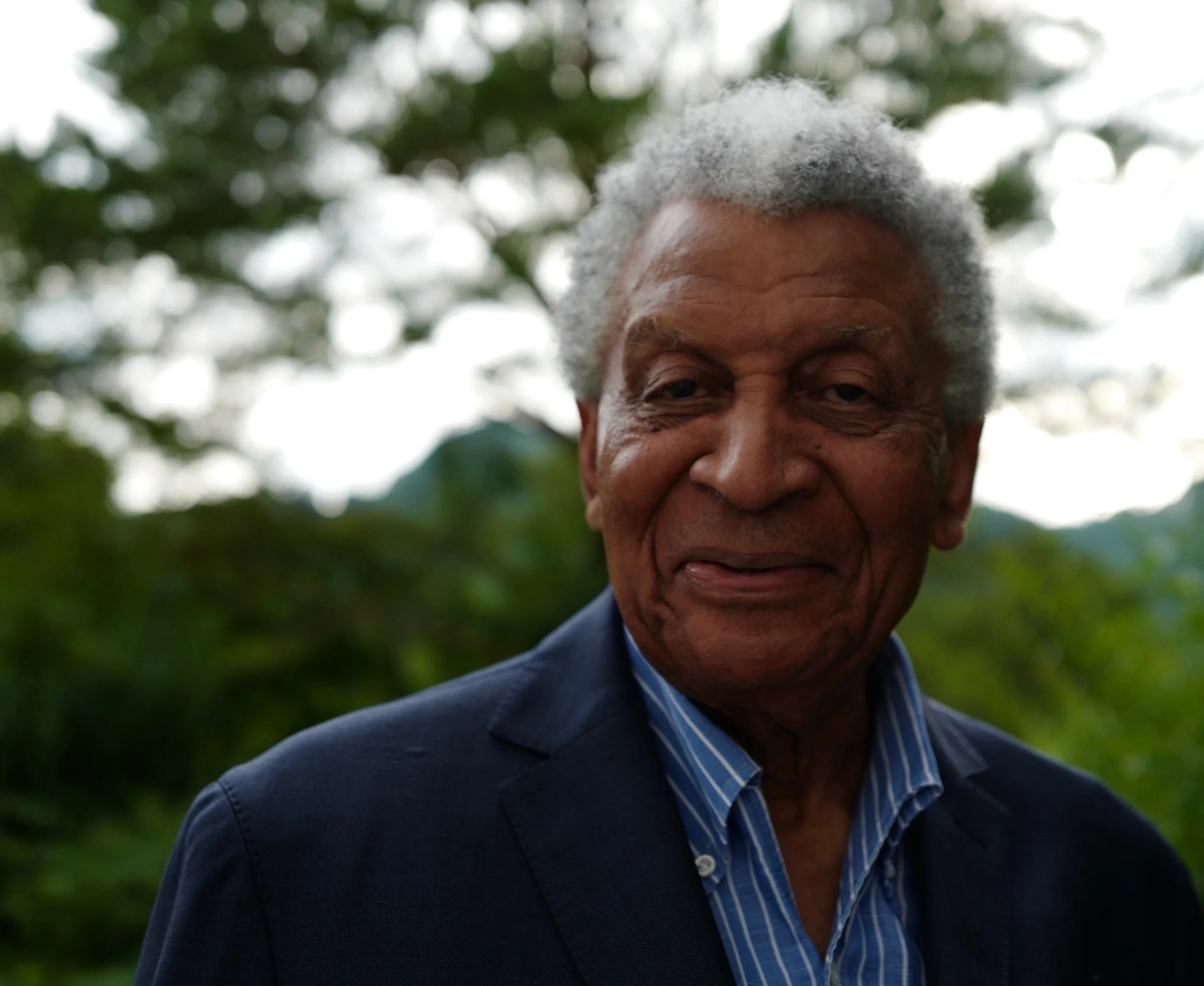
Abdullah Ibrahim
 South Africa
jazz musician•composer•pianist
Also known as: Dollar Brand, Adolph Johannes Brand
Data de nascimento
October 9, 1934
Signo
Libra
Local de nascimento
Cape Town, South Africa
Idade
Faleceu aos 91
Sobre
Abdullah Ibrahim foi um pianista e compositor sul-africano que remodelou o jazz através de uma síntese de melodias africanas, gospel da AME Church, ragas indianos e música clássica ocidental. Nascido Adolph Johannes Brand na Cidade do Cabo, ele ganhou atenção internacional sob o nome de Dollar Brand, atuando com os Jazz Epistles, o primeiro grupo de jazz negro da África do Sul, antes de se mudar para Zurique em 1962. Lá, Duke Ellington o ouviu e ajudou a lançar sua carreira global.
A música de Ibrahim, frequentemente descrita como o coração do jazz da Cidade do Cabo, é marcada por uma qualidade lírica e meditativa que reflete tanto a dor do apartheid quanto a resiliência de seu povo. Ele é mais conhecido pela composição de 1974 "Mannenberg", que se tornou um hino não oficial do movimento anti-apartheid. Ao longo de sua longa vida, ele gravou dezenas de álbuns, desde obras para piano solo como African Dawn até colaborações orquestrais, e se apresentou em locais prestigiados em todo o mundo, dividindo palcos com Max Roach, Carlos Ward e Randy Weston.
Ibrahim viveu no exílio em Nova York durante grande parte da era do apartheid, retornando à África do Sul no início dos anos 1990, após a libertação de Nelson Mandela. Ele faleceu em 15 de junho de 2026, aos 91 anos, deixando um rico legado como compositor, líder de banda e ponte cultural. Ele foi casado com a cantora Sathima Bea Benjamin, e sua filha, Jean Grae, tornou-se uma respeitada rapper na cena underground de Nova York.
Início da vida e origens
Adolph Johannes Brand nasceu em 9 de outubro de 1934 na Cidade do Cabo, África do Sul, nos distritos portuários multiculturais da cidade. Sua mãe era ativa na African Methodist Episcopal Church, onde ele primeiro conheceu a música gospel, e ele absorveu os diversos sons da cidade desde a infância, incluindo melodias africanas tradicionais, ragas indianos e música clássica ocidental.
Ele começou a se apresentar profissionalmente ainda adolescente sob o nome de Dollar Brand. Em 1959, ele co-fundou os Jazz Epistles, o primeiro grupo de jazz negro da África do Sul, ao lado do saxofonista Kippie Moeketsi e do trompetista Hugh Masekela. O grupo gravou o primeiro álbum de jazz por músicos negros sul-africanos, mas o tempo juntos foi curto.
Em 1962, Ibrahim mudou-se para Zurique, Suíça, em busca de maior liberdade artística. Lá, em um clube, ele foi ouvido por Duke Ellington, que reconheceu seu talento e providenciou suas primeiras gravações, ajudando a lançar sua carreira internacional. Isso marcou o ponto de virada de um músico local promissor para uma figura global do jazz.
Crescimento na carreira
Após conhecer Duke Ellington em 1962, a carreira internacional de Ibrahim decolou. Ele gravou vários álbuns sob o patrocínio de Ellington e se apresentou pela Europa e Estados Unidos, colaborando com músicos como Max Roach e Randy Weston. Em 1974, ele gravou "Mannenberg" com seu grupo The Sun, uma melodia animada impulsionada pelo piano que se tornou um hino do movimento anti-apartheid, tocada em comícios e funerais.
Ao longo dos anos 80, ele continuou a lançar álbuns e fazer turnês, vivendo no exílio em Nova York. Após a libertação de Nelson Mandela em 1990, ele retornou à África do Sul e se apresentou nas celebrações de posse de Mandela em 1991. Ele recebeu uma indicação ao Grammy por seu álbum African Magic em 2003, e em 2007 foi agraciado com a Ordem de Ikhamanga em Ouro pelo governo sul-africano. Ele continuou a gravar e se apresentar até os oitenta anos, lançando The Balance em 2019.
Linha do tempo da carreira
Imagem pública e estilo
Ibrahim era conhecido por sua presença de palco calma e meditativa e por sua distinta mistura musical de tradições africanas e de jazz. Frequentemente se apresentava em piano solo, criando uma atmosfera íntima que atraía o público. Os fãs apreciavam sua profunda conexão com a luta anti-apartheid, e sua música era uma fonte de esperança e resiliência. Ele não era ativo nas redes sociais, preferindo deixar sua música falar por si.
Fama e fandom
The meditative piano of Abdullah Ibrahim resonated long after the final note faded, cementing his status as a cultural titan whose influence transcended borders. In August 2026, he stands as the 43rd most famous person from South Africa, a ranking that has held steady against shifting tides in global attention. His artistry also secured him the position of the 92nd most famous person in Classical within the same cycle, reflecting the enduring reach of his unique synthesis of African melodies and Western forms. These placements within the iFANN Global Fame Rankings capture a legacy built on dignity rather than viral chaos. Unlike modern pop phenomena driven by organized mobs, Ibrahim's audience formed a quiet community of jazz enthusiasts and scholars who revered his work through attendance and study rather than social media campaigns. There is no formal name for his fanbase, nor any record of birthday billboards or streaming chart pushes; instead, his followers engaged with his music as a form of historical preservation and spiritual connection. The absence of chaotic rituals aligns with his life's trajectory, where reverence was shown through the deep listening required to understand his compositions. While contemporary stars might rely on fan-funded projects to maintain visibility, Ibrahim's impact remained institutionalized through honors like the NEA Jazz Masters Fellowship and tributes from institutions such as Jazz at Lincoln Center. His fans did not need to organize to keep his memory alive because his music itself served as the primary vehicle for his message of resilience. This lack of frenetic fandom only amplified the solemnity of his passing, leaving a void filled by the silence of a room waiting for the next melody.
Fatos interessantes e lendas
Ibrahim converted to Islam in 1968, swapping the name Dollar Brand for Abdullah Ibrahim, a decision that marked a profound reclamation of his identity. He viewed his music as a form of prayer and maintained a calm, meditative presence on stage, often performing solo to create an intimate atmosphere. A keen chess player and painter, he spent his spare time cultivating these creative outlets alongside his musical duties. Fans often recall his daughter Jean Grae joking that she learned to rhyme before walking, having absorbed her father's rhythms daily. Though the piano was his primary instrument, he also mastered the flute and cello, and he frequently wore a distinctive cap on stage as a nod to his heritage. His compositions have been sampled by hip-hop artists, leading him to famously declare that jazz is "the music of the people." Beyond these personal details, legends surround his life, including Nelson Mandela's designation of Ibrahim as South Africa's Mozart, a comparison that elevated him to national treasure status. Another defining moment occurred in 1968 when he changed his name in London, rejecting his colonial nickname to embrace his Islamic roots. Upon returning to South Africa in 1990 after years of exile, his homecoming became a symbolic victory for the nation, marking the end of the cultural boycott. His composition "Mannenberg" remains an unofficial anthem of the anti-apartheid struggle, evoking the spirit of the Cape Flats without ever causing physical reactions like fainting crowds, but rather inspiring deep meditation and respect.
Frases notáveis
“Music is the weapon of the future.”
“We are the children of the soil, and the soil is our mother.”
Família e vida pessoal
A mãe de Ibrahim era ativa na AME Church, onde ele primeiro ouviu música gospel. Seu pai era dono de uma loja, embora pouco mais seja documentado. Ele se casou com a cantora Sathima Bea Benjamin em 1965, e permaneceram juntos até a morte dela em 2013. Sua filha, Jean Grae, nascida em 1976, tornou-se uma respeitada rapper na cena underground de Nova York. Após a morte de Benjamin, Ibrahim viveu discretamente, e seu espólio é administrado por membros da família.
Conexões notáveis
Abdullah Ibrahim colaborou com vários músicos de jazz proeminentes, incluindo Duke Ellington, que o orientou, e Max Roach, com quem gravou. Seus conjuntos incluíam o saxofonista Carlos Ward e o pianista Randy Weston, e sua esposa, Sathima Bea Benjamin, foi uma frequente parceira musical. Sua filha, Jean Grae, também colaborou com ele em um projeto de 2014.
Relacionamentos e história amorosa
Ibrahim foi casado com a cantora Sathima Bea Benjamin por quase cinco décadas. Eles se conheceram na Cidade do Cabo no final dos anos 1950 e se casaram em 1965. O casal viveu no exílio juntos, e Benjamin frequentemente se apresentava ao lado dele. Tiveram uma filha, Jean Grae, nascida em 1976. Benjamin faleceu em 2013, e Ibrahim permaneceu viúvo até sua própria morte em 2026. Nenhum outro relacionamento romântico público foi documentado.
- Casado(a)Sathima Bea Benjamin1965 - 2013Conheceram-se na Cidade do Cabo no final dos anos 1950; casados por quase cinco décadas até a morte dela.
Morte e repercussões
Morte
June 15, 2026 (aos 91 anos)
Local da morte
Germany
Causa da morte
Brief illness (natural causes)
The Kennedy Center and major jazz institutions issued statements honoring an eight-decade career that had produced the unofficial anthem of South Africa's fight against apartheid, while streaming platforms saw a surge in activity for his catalog, particularly Mannenberg. Tributes from The New York Times, The Guardian, and NPR described Ibrahim as a quiet giant whose music reflected both the pain of apartheid and the resilience of his people. He passed away peacefully on June 15, 2026, at the age of 91, following a brief illness in Germany.
His partner Marina Umari released an official statement confirming he died surrounded by loved ones in a private setting, though it remained unclear whether his remains were transported to South Africa for interment or buried locally. Specific details regarding funeral arrangements or notable attendees were not disclosed, likely kept private by the family. Retrospective articles from The Conversation and Syncopated Times analyzed his legacy immediately after the announcement, yet no specific posthumous album releases or hall-of-fame inductions were confirmed for the immediate weeks following his death.
Patrimônio (valor do espólio)
Not publicly documented
Estimativa da equipe editorial do iFANN
iFANN currently estimates Abdullah Ibrahim's net worth at the time of his death in 2026 as Not publicly documented, as no credible financial outlet has published a specific figure. His wealth accumulated primarily through album sales, royalties from his extensive catalogue, including the enduring "Mannenberg," live performance fees, and composition licensing. He continued to tour and release music into his later years, with The Balance (2019) among his final works. His estate is managed by family members, though no public details on its value or revenue streams have been released. Given his long career and international acclaim, his estate likely holds significant value from royalties and licensing, but specific figures remain undisclosed.
Prêmios conquistados (4)
Ibrahim recebeu a Ordem de Ikhamanga em Ouro do governo sul-africano em 2007, e um doutorado honorário da Universidade da Cidade do Cabo em 2009. Ele foi introduzido no Hall da Fama Sul-Africano de jazz e recebeu uma estrela na Calçada da Fama da Cidade do Cabo. Recebeu uma nomeação para o Grammy por African Magic em 2003, mas não ganhou.
2007 · Honraria Nacional
Lifetime achievement in music
2009 · Título Honorário
University of Cape Town
Conhecido por
Mannenberg
1974 · Composer and pianist
African Magic
2002 · Álbum
The Balance
2019 · Álbum
Palavras-chave
Fontes
Dados rápidos
- Profissão
- jazz musician, composer, pianist
- Nascimento
- October 9, 1934
- Local de nascimento
- Cidade do Cabo, África do Sul
- Morte
- June 15, 2026
- Local da morte
- Prien am Chiemsee, Germany
- Gênero
- Masculino
- Cônjuge
- Sathima Bea Benjamin
- Signo
- Libra
Dados pessoais
- Nome completo
- Adolph Johannes Brand
- Cônjuge
- Sathima Bea Benjamin
- Filhos
- Jean Grae
Perguntas frequentes
Qual é o nome verdadeiro de Abdullah Ibrahim?
Qual é a música mais famosa de Abdullah Ibrahim?
Como Abdullah Ibrahim morreu?
Quem foi a esposa de Abdullah Ibrahim?
Qual é o patrimônio de Abdullah Ibrahim?
Pessoas semelhantes
Junte-se à comunidade
fãs comentando