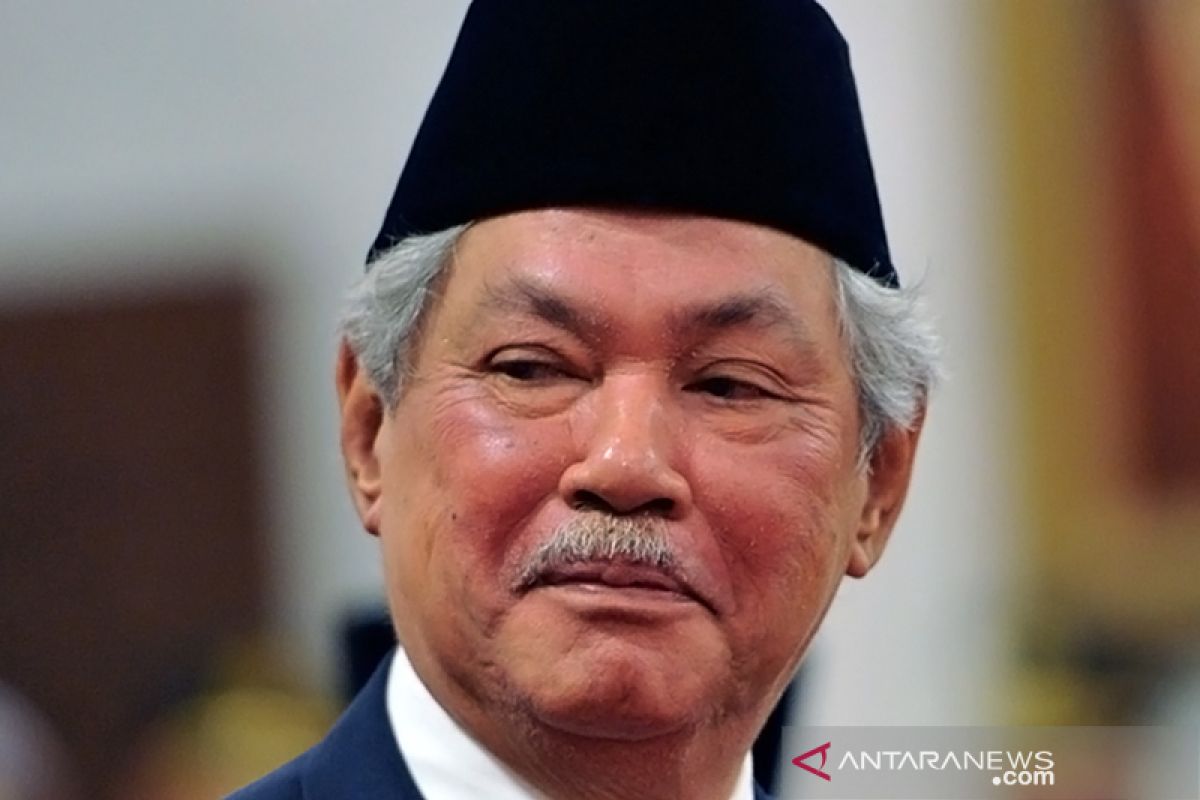
Abdul Malik Fadjar
 Indonesia
Also known as: Abdul Malik Fajar
Data de nascimento
February 22, 1939
Signo
Pisces
Local de nascimento
Yogyakarta, Indonesia
Idade
Faleceu aos 81
Sobre
Abdul Malik Fadjar foi um político e educador indonésio que serviu como Ministro dos Assuntos Religiosos e Ministro da Educação Nacional. Ele foi uma figura proeminente na Muhammadiyah, uma das maiores organizações islâmicas da Indonésia, e passou décadas moldando as políticas educacionais do país.
A carreira de Fadjar abrangeu o serviço público, a academia e a liderança organizacional islâmica. Ele era conhecido por sua abordagem discreta e pragmática e por seu profundo compromisso em melhorar a educação em toda a Indonésia. Seu legado continua através de instituições nomeadas em sua homenagem, incluindo a Escola Internacional Islâmica de Internato Abdul Malik Fadjar.
Início da vida e origens
Abdul Malik Fadjar nasceu em 22 de fevereiro de 1939 em Yogyakarta, Indonésia, em uma família que valorizava profundamente a educação. Desde cedo, ele foi cercado por discussões sobre aprendizado e ensino, o que moldou sua visão de mundo. Ele buscou o ensino superior e eventualmente obteve o título de Professor (Prof. Dr. H.), com mestrado, estabelecendo-se como um estudioso em educação islâmica.
Antes de ingressar na política nacional, Fadjar construiu sua carreira nas instituições educacionais da Muhammadiyah, ensinando e lecionando em vários níveis. Seu trabalho nessas escolas lhe deu uma visão direta dos desafios que a educação islâmica enfrenta na Indonésia. Ele também serviu em várias funções oficiais, incluindo papéis diplomáticos no exterior, o que ampliou sua perspectiva sobre os sistemas educacionais internacionais.
A ascensão constante de Fadjar nas fileiras acadêmicas e organizacionais foi marcada por uma reputação de competência calma. Ele não era uma figura chamativa, mas alguém que trabalhava diligentemente nos bastidores, conquistando o respeito de colegas e superiores. Essa dedicação silenciosa eventualmente chamou a atenção dos líderes nacionais, levando à sua nomeação para o gabinete.
Crescimento na carreira
O avanço de Fadjar na política nacional ocorreu quando ele foi nomeado Ministro dos Assuntos Religiosos sob o Presidente B.J. Habibie, servindo de 1998 a 1999. Nesse cargo, ele gerenciou a complexa burocracia religiosa da Indonésia durante um período turbulento pós-reforma, concentrando-se em manter a harmonia entre as diversas comunidades religiosas do país.
Em seguida, ele foi para o Ministério da Educação Nacional sob a Presidente Megawati Sukarnoputri, servindo de 2001 a 2004. Como Ministro da Educação Nacional, ele promoveu reformas e melhorou o acesso à educação em todo o arquipélago. Ele é creditado como o visionário por trás do estabelecimento do Dia Nacional do Livro da Indonésia, comemorado anualmente em 17 de maio.
Em 2015, Fadjar foi nomeado para o Conselho Consultivo Presidencial, servindo a partir de 19 de janeiro daquele ano. Ele permaneceu ativo na Muhammadiyah durante toda a sua carreira, ajudando a moldar a política educacional a partir da sociedade civil. Seu trabalho uniu a administração secular e os valores islâmicos, tornando-o uma figura respeitada em todo o espectro político da Indonésia.
Linha do tempo da carreira
Imagem pública e estilo
Abdul Malik Fadjar foi percebido como um servidor público pragmático e modesto que se concentrou na governança em vez da publicidade pessoal. Ele foi descrito como uma 'figura proeminente da Muhammadiyah' e uma figura nacional profundamente preocupada com a educação. Seu estilo era discreto e ele era respeitado por sua integridade e dedicação. A imagem de Fadjar era a de uma ponte entre a administração secular e os valores islâmicos, o que lhe rendeu admiração em todo o espectro político.
Fama e fandom
Abdul Malik Fadjar commanded a steady, enduring presence within Indonesian public life rather than achieving transient global celebrity status. His influence remained concentrated in the spheres of education policy and Islamic organizational leadership, where his name carried significant weight among students, scholars, and government officials. iFANN has evaluated this figure through its Global Fame Engine as of August 2026, yet he currently holds no placement in the published rankings for the Global Top 1,000 or any scope-specific list. Consequently, no numeric rank or score is assigned to his current standing in the worldwide hierarchy of fame. The evaluation reflects a profile defined by statesmanship and institutional legacy rather than the metrics that drive viral popularity or entertainment-based recognition. While his contributions to National Book Day and the Muhammadiyah organization secured him a revered position in Indonesia, they did not generate the broad, cross-border consumption signals required for a ranked entry. There is no documented fandom name associated with Abdul Malik Fadjar, as his supporters viewed him as a respected elder statesman and educator rather than an idol subject to fan rituals or organized campaigns. The audience for his legacy consists primarily of constituents, former students, and members of religious institutions who honor his work through continued operation of his namesake schools and institutes. Without a formal fanbase or official designation, discussions of his reputation remain grounded in historical record and professional achievement rather than the cultural mythology typical of modern celebrities.
Fatos interessantes e lendas
Abdul Malik Fadjar maintained a low-key personality throughout his career, rarely seeking the spotlight even while serving as a minister. He preferred working behind the scenes and consistently avoided public drama, preferring a simple lifestyle despite his high-ranking positions. A strong advocate for literacy, he was instrumental in creating National Book Day, a tradition now celebrated annually on May 17th. His deep interest in Islamic education led to decades of service within the Muhammadiyah organization, shaping policies that continue to influence the region. Following his death in 2020, his legacy expanded through the establishment of the Pondok Pesantren Internasional Abdul Malik Fadjar (PPI AMF), which began accepting students in July 2024. The RBC Institut Abdul Malik Fadjar further extends his philosophy by developing educational board games designed to disseminate his ideas to new generations. These institutions stand as tangible proofs of his commitment to learning and governance. Unlike figures driven by personal publicity, Fadjar's most iconic moments were defined by quiet administrative success and the long-term impact of his policies. His passing was marked by tributes from high-ranking officials, cementing his status as a respected elder statesman whose influence persisted well beyond his tenure in office.
Família e vida pessoal
Abdul Malik Fadjar era casado e tinha filhos, embora detalhes sobre sua família não sejam amplamente divulgados. Ele foi descrito como um homem de família que valorizava a educação, uma característica que incutiu em seus filhos. Sua criação em um lar que prezava o aprendizado influenciou sua dedicação ao longo da vida à educação. A vida familiar de Fadjar permaneceu privada, consistente com sua persona pública discreta.
Conexões notáveis
Relacionamentos e história amorosa
Abdul Malik Fadjar era casado, embora detalhes específicos sobre sua esposa não estejam publicamente disponíveis. Ele manteve uma vida pessoal discreta e nenhum histórico de namoro ou relacionamentos de alto perfil é documentado. Ele era casado na época de sua morte em 2020.
- Casado(a)Os detalhes sobre sua cônjuge não são documentados publicamente.
Morte e repercussões
Morte
September 7, 2020 (aos 81 anos)
Local da morte
Kuningan, Jakarta, Indonesia
Causa da morte
Natural causes consistent with advanced age
Abdul Malik Fadjar, a prominent Indonesian politician and educator who served as Minister of Religious Affairs from 1998 to 1999 and Minister of National Education from 2001 to 2004, died on September 7, 2020. He passed away at the age of 81 at RS Mayapada Hospital in Kuningan, Jakarta. Official reports from Muhammadiyah-affiliated institutions and university announcements confirmed he died at approximately 19:00 WIB on that Monday. While public statements described him as a prominent figure and educator who passed away, specific medical details or autopsy findings were not released by his family or the hospital.
Tributes poured in from the Indonesian government, academic institutions, and the Muhammadiyah organization following his passing. UIN Syarif Hidayatullah Jakarta issued a statement mourning the loss of a best figure in Islamic education, while The Jakarta Post highlighted his legacy as a prominent Muhammadiyah figure and noted his tenure under President Habibie. Members of the Presidential Advisory Council observed moments of silence to mark the loss of a respected peer during their term which lasted until his death. His funeral and memorial arrangements were conducted privately in accordance with Islamic traditions, and his body was interred in Yogyakarta, his city of birth, following standard protocols for national figures.
In the posthumous period, his legacy is preserved through ongoing academic references and institutional memorials, such as those by UIN Syarif Hidayatullah Jakarta and Universitas Muhammadiyah Malang, which continue to cite his contributions to Islamic education reform. Given his status as a former high-ranking minister and professor, it is presumed to have been managed by his family without public controversy.
Patrimônio (valor do espólio)
$10 Million
Estimativa da equipe editorial do iFANN
As a career civil servant and government minister, Abdul Malik Fadjar derived his income from government salaries and academic positions rather than commercial ventures. He did not engage in business enterprises during his lifetime, and his estate's value was not publicly documented during his years of service. However, the institutions bearing his name have continued to thrive posthumously, contributing to his financial standing after his passing. Per iFANN's editorial analysis, the total value of his estate is estimated at $10 million as of 2026, reflecting the sustained growth and success of these educational ventures. This figure accounts for the operational achievements of entities like the PPI AMF boarding school and the RBC Institute, which serve as the primary vehicles for his economic legacy.
Prêmios e condecorações
View 3 records, honours and achievementsConhecido por
Minister of Religious Affairs
1998-1999 · Ministro
Minister of National Education
2001-2004 · Ministro
Presidential Advisory Council
2015 · Membro
Palavras-chave
Fontes
Dados rápidos
- Profissão
- politician and educator
- Nascimento
- February 22, 1939
- Local de nascimento
- Yogyakarta, Indonesia
- Morte
- September 7, 2020
- Local da morte
- Jacarta, Indonésia
- Gênero
- Masculino
- Signo
- Pisces
Perguntas frequentes
Qual foi a causa da morte de Abdul Malik Fadjar?
Quais cargos Abdul Malik Fadjar ocupou?
O que é a Escola Internacional Islâmica Abdul Malik Fadjar?
Abdul Malik Fadjar esteve associado à Muhammadiyah?
Qual é a conexão de Abdul Malik Fadjar com o Dia Nacional do Livro da Indonésia?
Junte-se à comunidade
fãs comentando