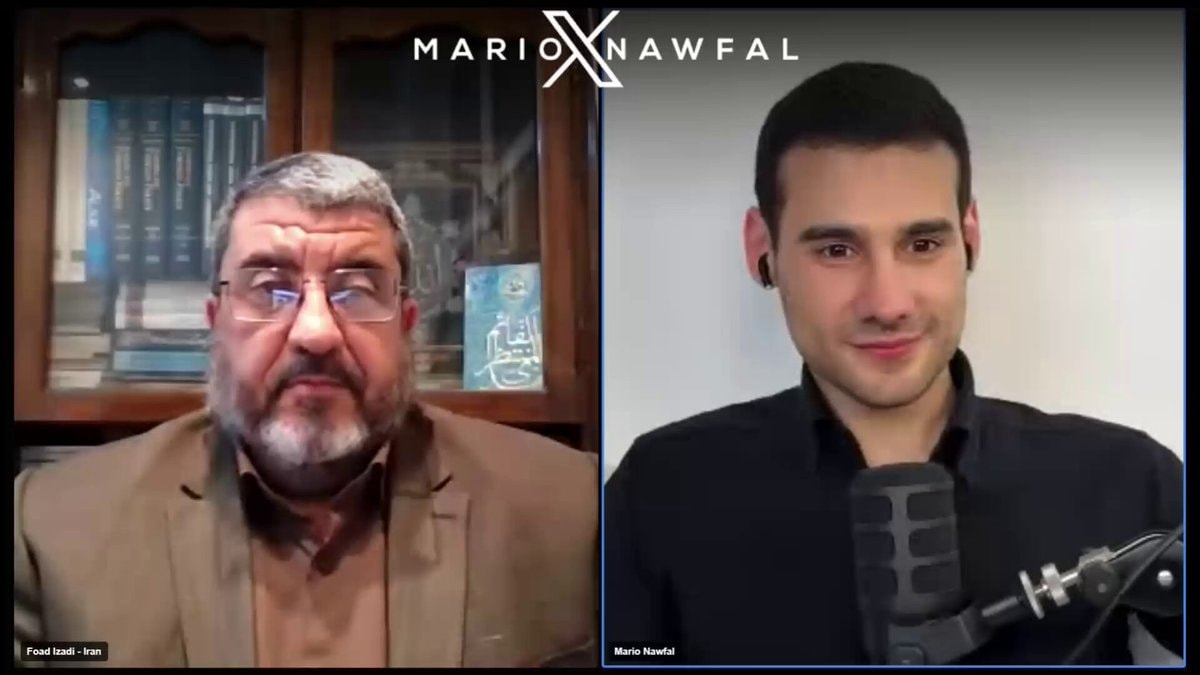
@jolyonEight vessels faced attacks in the Strait of Hormuz over just two days while fighter jets gather above Syria and Iraq. Iran's National Security Council has now issued threats to cut undersea data cables. Political scientist Foad Izadi from the University of Tehran appeared on the program to discuss how Tehran has revised its previous strategy of maintaining oil flow. Iran presented a peace proposal to the UN General Assembly in New York but Donald Trump rejected it, stating he desires total concessions. Iranian officials have discussed severing those cables and targeting infrastructure funding the U.S. military. The mid-term election strategy involves keeping oil prices above $100 per barrel to influence voting outcomes against Trump. The discussion covered the Gulf strait, Israel's involvement, potential ground warfare, and unspoken Washington concerns. A prediction was made that war is more probable than an agreement between Trump and Iran. As stated: "The likelihood of war is greater than Trump actually reaching an agreement with Iran."
Ver publicação original