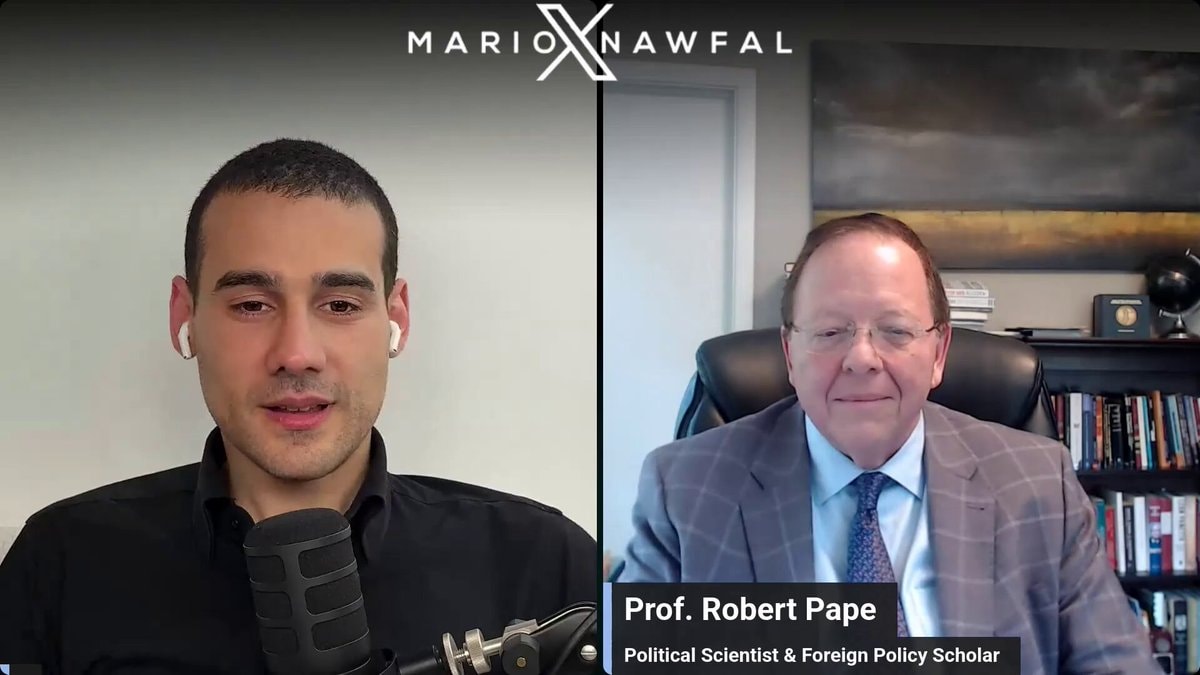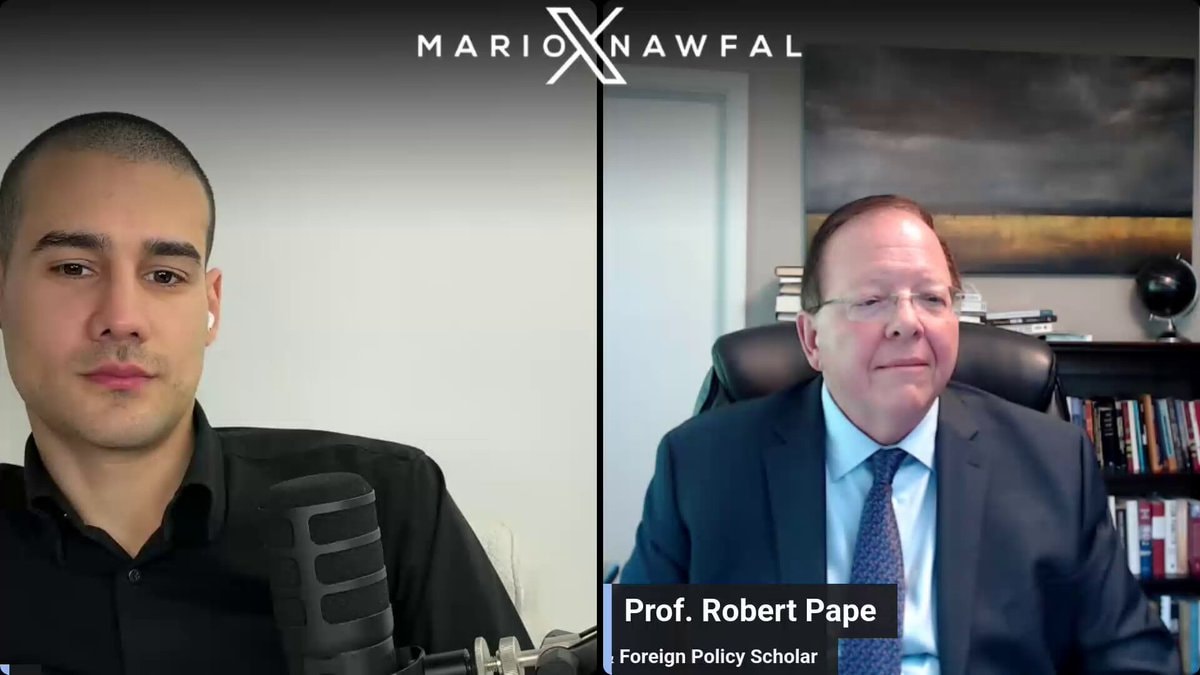

@jolyonThe most critical shift in the potential Iran conflict might be unfolding thousands of miles away from the immediate theater. Reports indicate Washington is moving three aircraft carriers into the region near Iran, accompanied by two amphibious groups. Professor Robert Pape insists the sheer scale of this deployment signals a mobilization rather than mere posturing or rhetoric. This distinction matters because U.S. regional bases have suffered significant degradation over seven months of ongoing military operations. Consequently, sending three carriers represents the absolute maximum naval force that Washington can realistically concentrate in this specific area. Pape's assessment leads to an uncomfortable conclusion: if another attack occurs under these conditions, it may not result in a limited exchange. The logic suggests Washington would feel strong incentives to strike as hard as possible for several weeks since sustaining high-level operations for months would be extraordinarily difficult for the U.S. military machine. However, there is a complicating factor regarding the adversary's perspective. Iran is fully aware of this massive carrier buildup. Pape argues that Tehran now possesses greater escalation agility than Washington does, granting them more options to raise costs without committing to an immediate decisive confrontation. This dynamic changes the strategic picture entirely. The carrier buildup does not simply increase pressure on Iran; it also provides Tehran with a distinct incentive to act before the entire mobilization process is complete. Ultimately, a strategy intended to create leverage through show of force may instead trigger the next phase of escalation.
Ver publicação original