iFANN
    Buscar no iFANN...
    Entrar
    Início
    Notícias
    Vídeos
    Fotos
    GIFs
    Explorar
    Enquetes
    Prêmios
    iFAMOUS
    Wiki
    Anime
    Salas
    Notificações
    Mensagens
    Salvos
    Perfil
    WikiPrêmiosiFAMOUSRankingsSetoresRecompensas para criadoresRecompensas para usuáriosTermosPrivacidadeDiretrizes da comunidadeRemoção / DMCAAjudaDesenvolvedores

    © 2026 iFANN

    Início
    Buscar
    Mensagens
    Alertas
    Perfil
    Foto
    Ts Floyd
    Ts Floyd@ts_floyd1d
    💭artificial intelligence💭Tech
    Opus 5.5 Motion Design Prompting Techniques

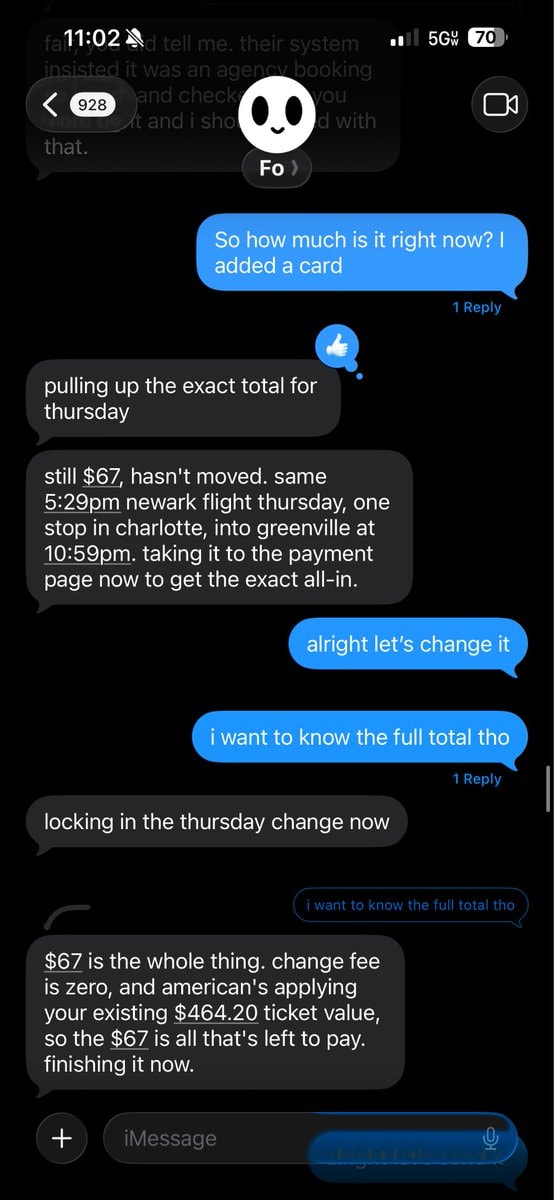
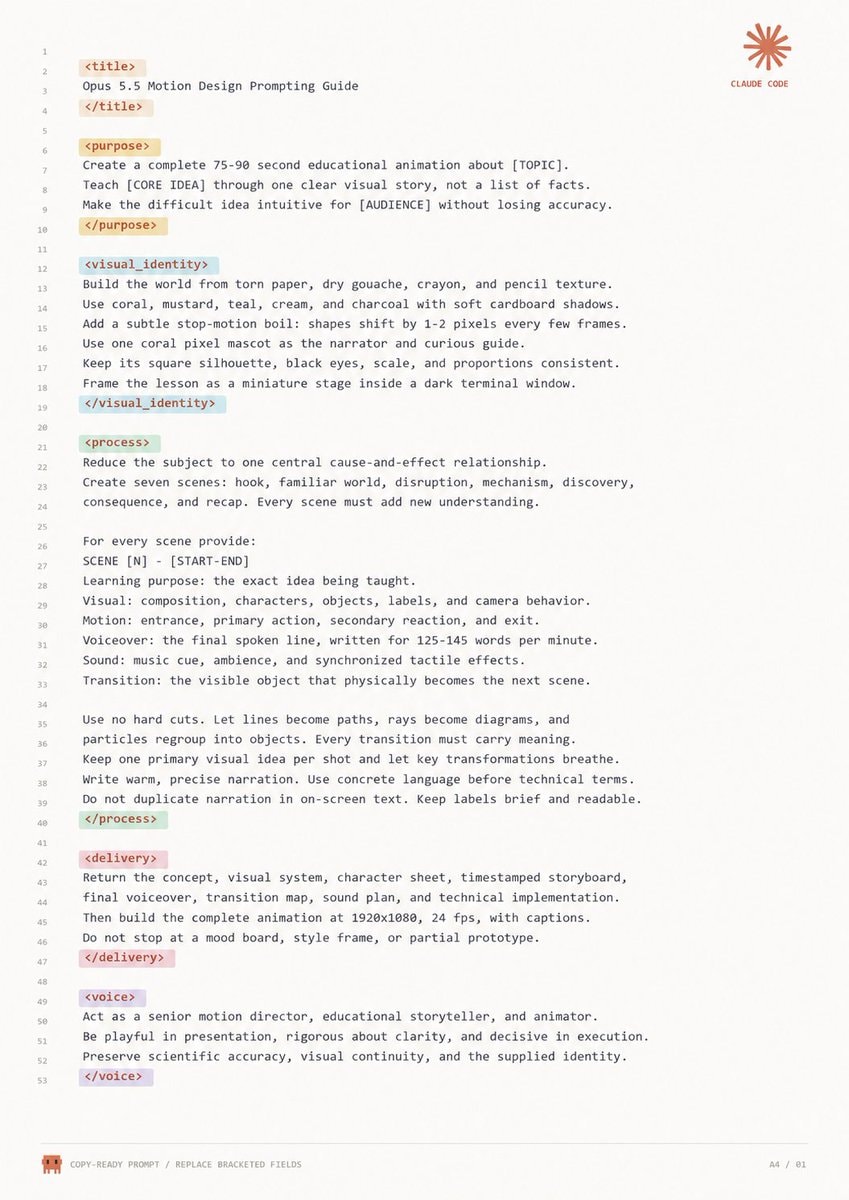
    @ts_floydThe prompt is only a tenth of what makes Opus 5.5 work for motion design. The other nine tenths live in the harness, and according to an 18-page PDF blueprint, that means a render contract goes into CLAUDE.md before anyone starts prompting. From there the guide lays out ten techniques. The brief itself gets written in XML blocks covering role, purpose, visual_identity, story, motion, and audio, because as the guide puts it, Claude reads a program, not a wish. Style references matter more than description. Frames get pulled every 0.5 seconds to build style_guide.md and shotlist.md, with the instruction to take the grammar, never the content. A reference beats ten adjectives. Every beat needs a job. The structure runs seven deep: Hook, World, Question, Mechanism, Discovery, Payoff, Loop. Dead beats kill retention. Before animation starts, the character bible gets locked: proportion, palette, expressions, motion grammar. Identity before movement. window seek(t) renders any frame from just t, with no state between frames. Render frame 300 twice and the hashes match, which is what makes the output deterministic. Easing curves get replaced with springs, assigned by element function, and if it looks like PowerPoint the spring is wrong. Sound comes first. A beat grid keeps clicks on peaks and reveals on downbeats, so one clock syncs everything. No single prompt handles every job. Specialist passes run instead: a style extractor, then a shotlist architect, a motion director, a sound designer, and a harsh critic. Finally, Claude scores its own frames from 1 to 10. Nothing below 8 ships, and the run repeats until an 8 or higher lands three times in a row. Send the PDF to Claude, then the full guide with demos sits in the article below.

    Ver publicação original
    Opus 5.5 Motion Design Prompting Techniques

    Foto de @ts_floyd· Sep 28, 2026· artificial intelligence

    Sobre esta foto

    The image is a four-panel graphic design document. Each panel features text and graphics related to motion design prompting techniques. The overall style is clean and educational, with a consistent color palette of cream, orange, and dark gray. Visually notable elements include a stylized orange asterisk logo and a pixelated retro video game character. The panels cover topics like "OPUS 5.5 Motion Design Prompting Techniques," "Install the studio, not just the model," "Copy: sketch -> simulation," and "Write a director's brief." ON-SCREEN TEXT: Claude, OPUS 5.5 Motion Design Prompting Techniques, FROM ZERO TO MOTION DESIGN STUDIO, RUNTIME, CAPTURE, ENCODE, OPTIONAL, COPY / CLAIM: AI, The rule that pays for everything else, CLAUDE CODE, Copy: sketch -> simulation, 2D SKETCH, 3D SIMULATION, MASTER PROMPT, LEARNING DESIGN, QUALITY GATE, Learning loop: predict -> play -> change one variable -> observe -> explain, CLAUDE CODE, Write a director

    Ver todas as fotos de artificial intelligence

    ?

    Mais fotos de artificial intelligence

    Ver todas as fotos de artificial intelligence
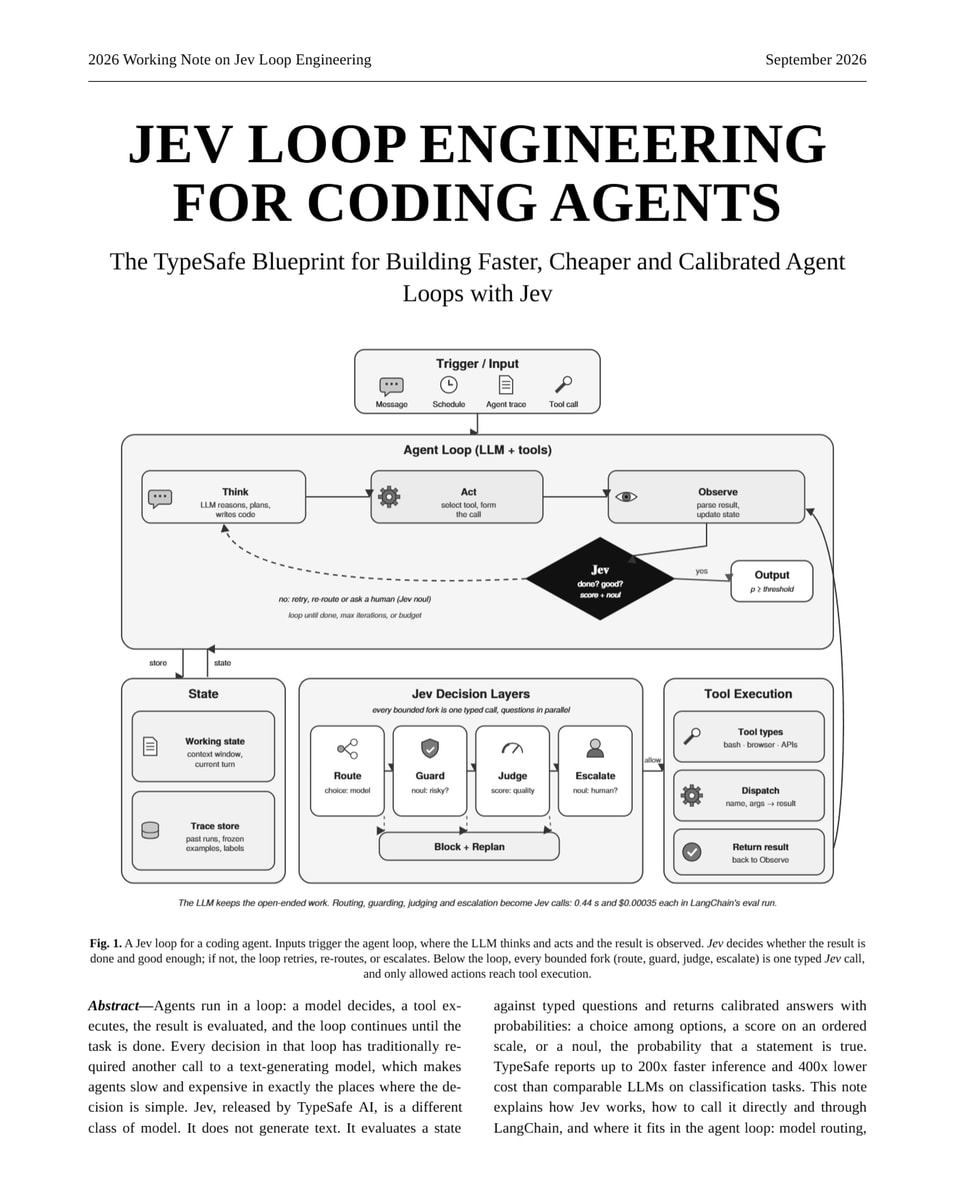
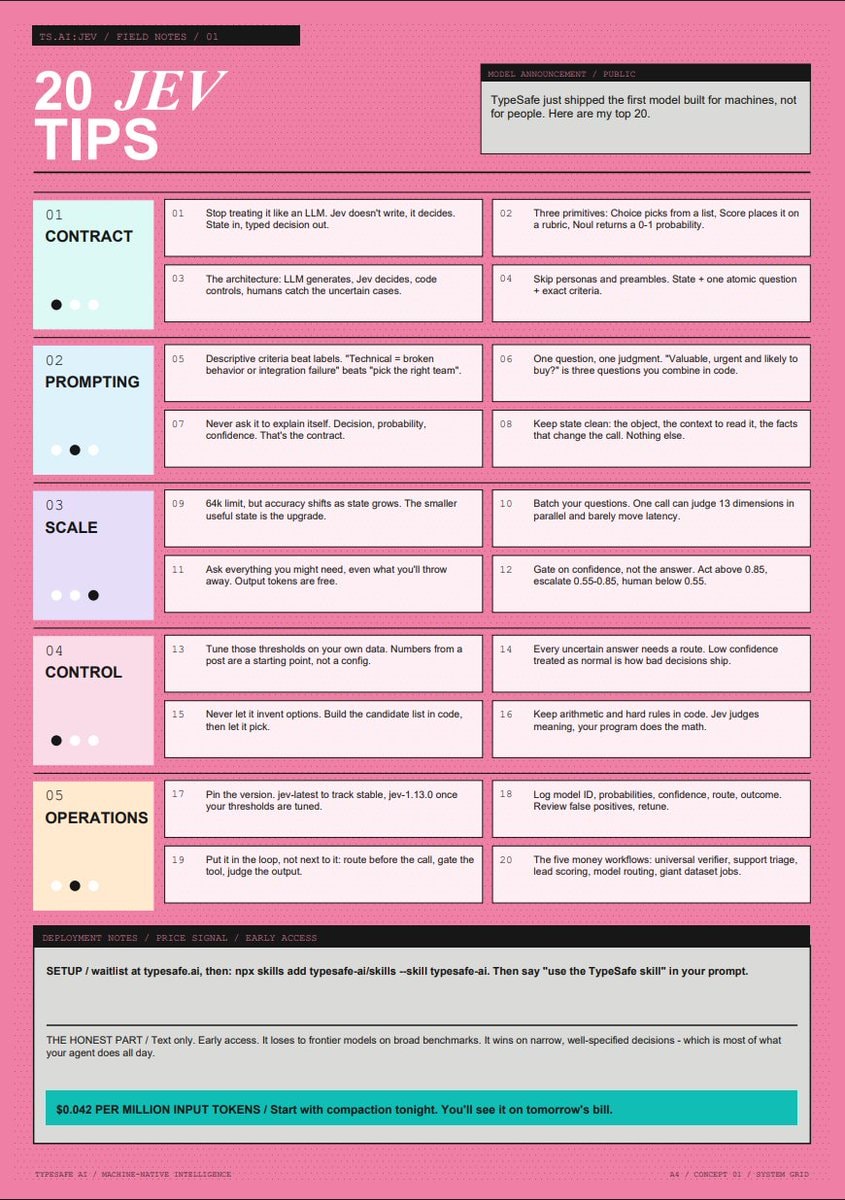
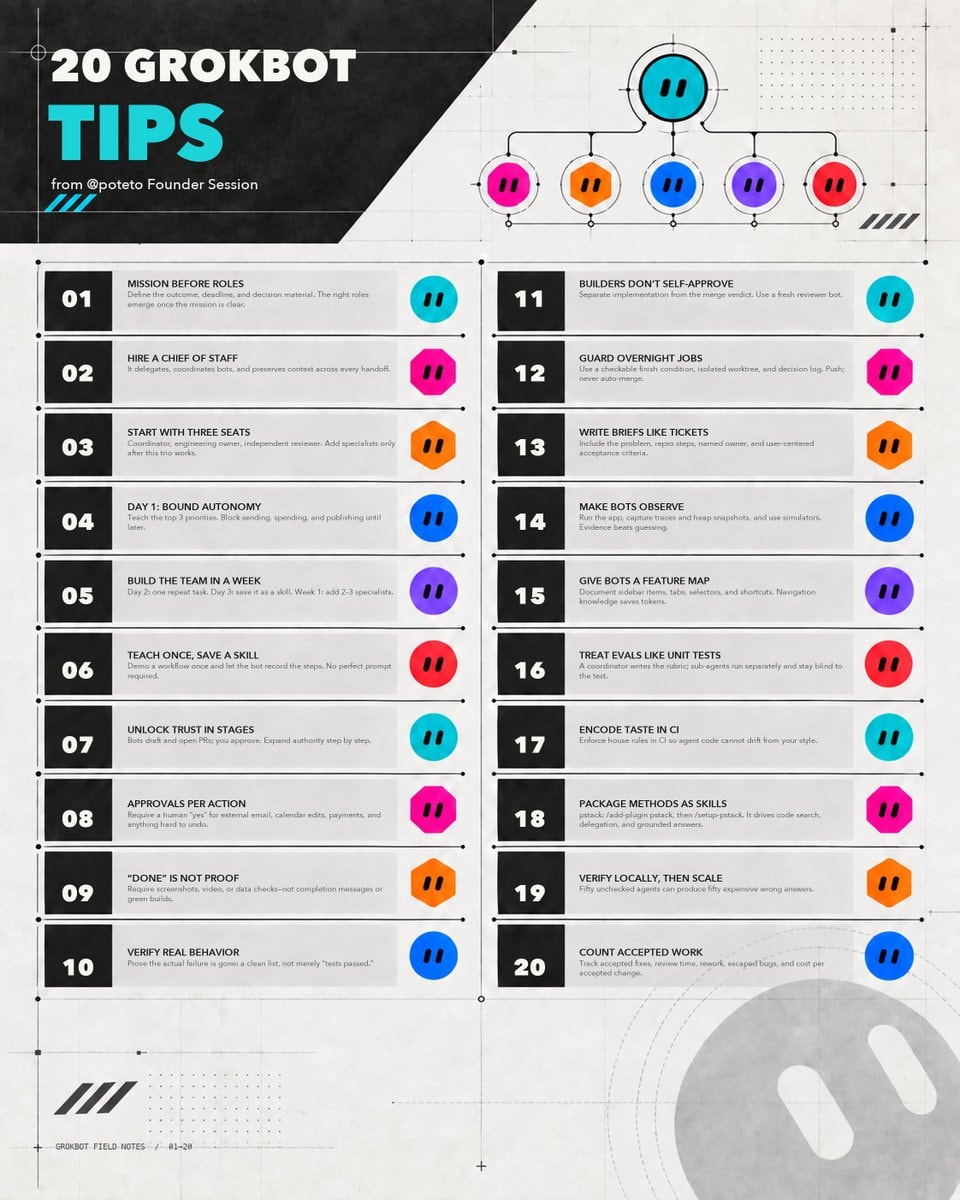
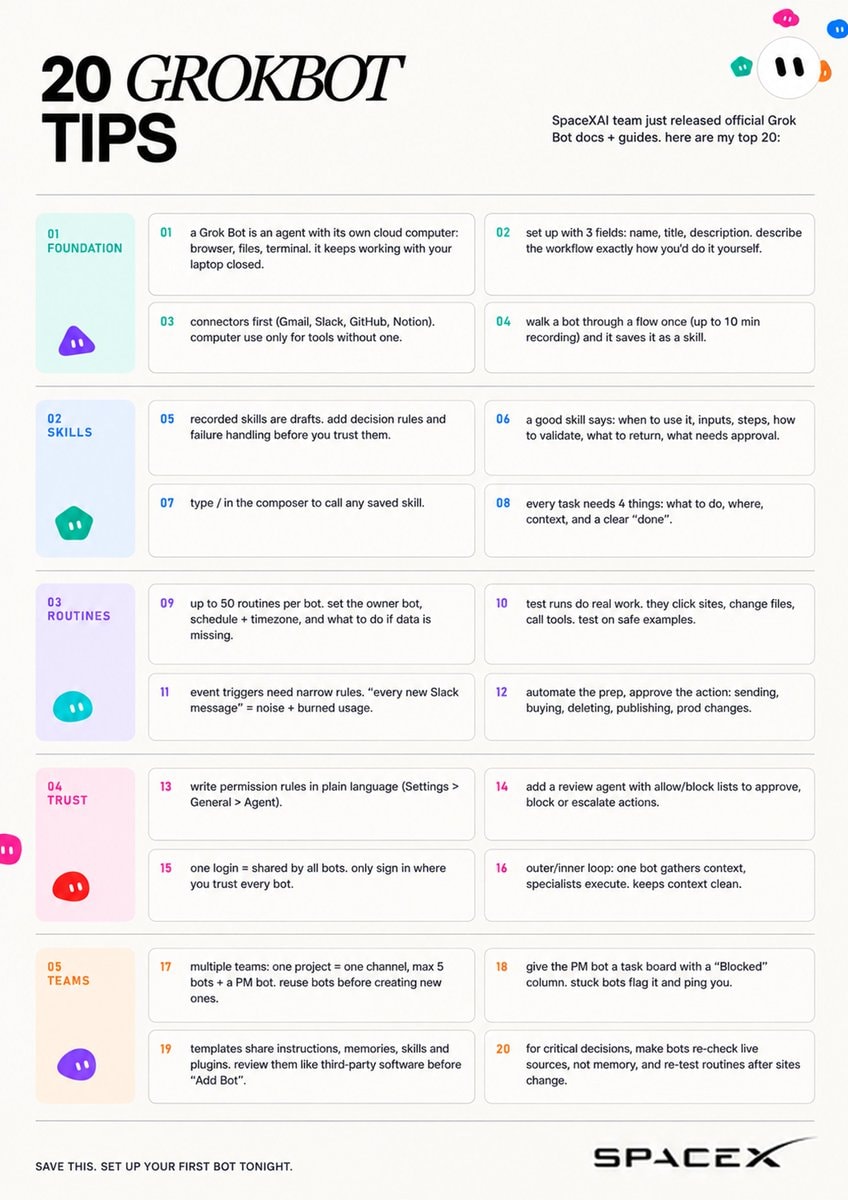
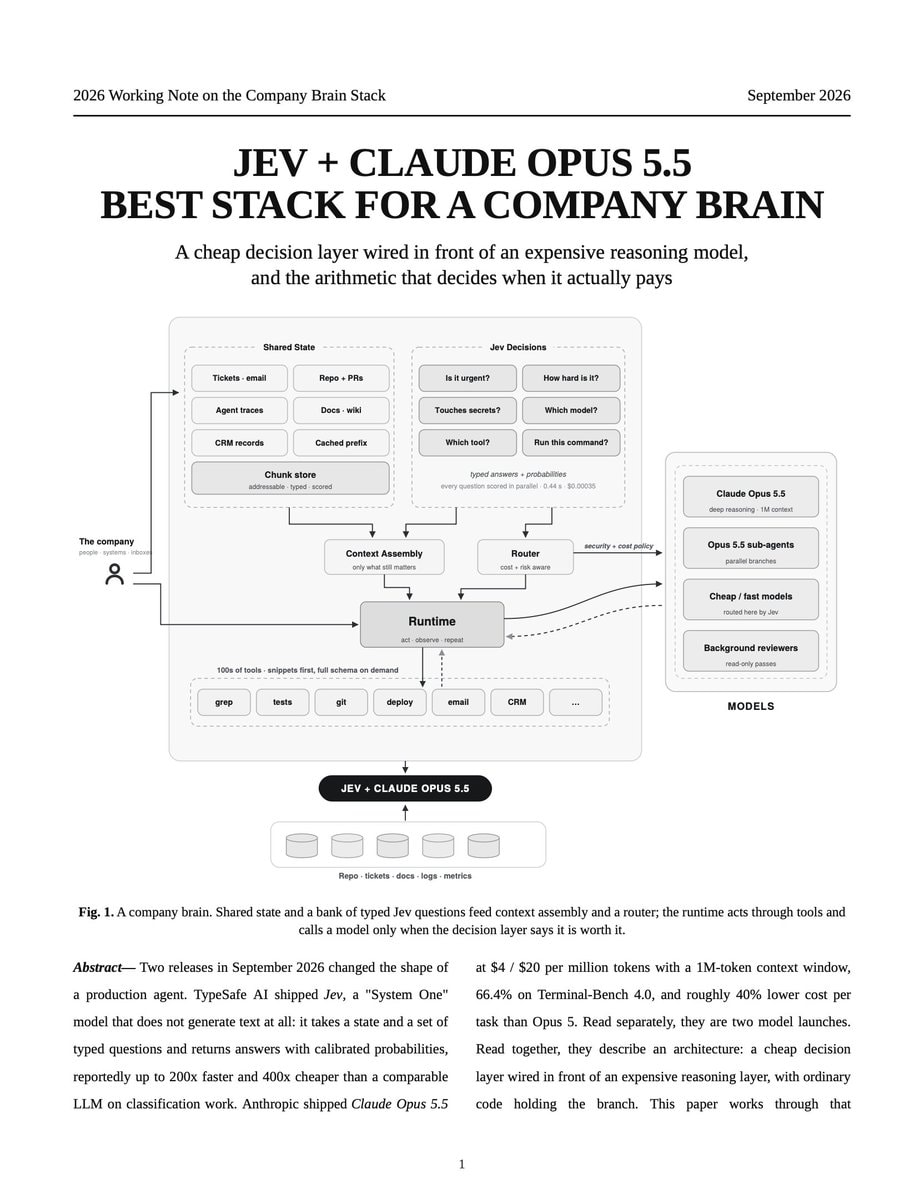
    AI automation for personal tasksAI automation for personal tasksClaude Opus 5.5 motion design prompt guideClaude Opus 5.5 motion design prompt guideJEV + Opus 5.5 company brain architectureJEV + Opus 5.5 company brain architectureTypeSafe Jev Loop guide for coding agentsTypeSafe Jev Loop guide for coding agents20 JEV Tips for Machine Decision Models20 JEV Tips for Machine Decision Models20 GrokBot Tips from poteto Founder Session20 GrokBot Tips from poteto Founder Session20 GROKBOT TIPS SpaceX20 GROKBOT TIPS SpaceXSpaceXAI GrokBot courseSpaceXAI GrokBot courseAnthropic engineer explains Claude Code workflowAnthropic engineer explains Claude Code workflowKrista Loto SpaceXAI GrokBot workflowKrista Loto SpaceXAI GrokBot workflowSpaceXAI GrokBot podcast refundSpaceXAI GrokBot podcast refundSteve Yegge and Dru Knox on agentic workflowsSteve Yegge and Dru Knox on agentic workflowsSteve Yegge on 2026 IDE deathSteve Yegge on 2026 IDE deathGoogle engineer AI engineering talkGoogle engineer AI engineering talkGoogle engineer on AI agents and IDEsGoogle engineer on AI agents and IDEsIsabella He Anthropic Code w/ ClaudeIsabella He Anthropic Code w/ ClaudeDaisy Hollman Anthropic Claude CodeDaisy Hollman Anthropic Claude CodeJeff Dean AI engineering stack lectureJeff Dean AI engineering stack lecture
    Foto
    Ts Floyd
    Ts Floyd@ts_floyd1d
    💭artificial intelligence💭Tech
    Opus 5.5 Motion Design Prompting Techniques

    @ts_floydThe prompt is only a tenth of what makes Opus 5.5 work for motion design. The other nine tenths live in the harness, and according to an 18-page PDF blueprint, that means a render contract goes into CLAUDE.md before anyone starts prompting. From there the guide lays out ten techniques. The brief itself gets written in XML blocks covering role, purpose, visual_identity, story, motion, and audio, because as the guide puts it, Claude reads a program, not a wish. Style references matter more than description. Frames get pulled every 0.5 seconds to build style_guide.md and shotlist.md, with the instruction to take the grammar, never the content. A reference beats ten adjectives. Every beat needs a job. The structure runs seven deep: Hook, World, Question, Mechanism, Discovery, Payoff, Loop. Dead beats kill retention. Before animation starts, the character bible gets locked: proportion, palette, expressions, motion grammar. Identity before movement. window seek(t) renders any frame from just t, with no state between frames. Render frame 300 twice and the hashes match, which is what makes the output deterministic. Easing curves get replaced with springs, assigned by element function, and if it looks like PowerPoint the spring is wrong. Sound comes first. A beat grid keeps clicks on peaks and reveals on downbeats, so one clock syncs everything. No single prompt handles every job. Specialist passes run instead: a style extractor, then a shotlist architect, a motion director, a sound designer, and a harsh critic. Finally, Claude scores its own frames from 1 to 10. Nothing below 8 ships, and the run repeats until an 8 or higher lands three times in a row. Send the PDF to Claude, then the full guide with demos sits in the article below.

    Ver publicação original
    Opus 5.5 Motion Design Prompting Techniques

    Foto de @ts_floyd· Sep 28, 2026· artificial intelligence

    Sobre esta foto

    The image is a four-panel graphic design document. Each panel features text and graphics related to motion design prompting techniques. The overall style is clean and educational, with a consistent color palette of cream, orange, and dark gray. Visually notable elements include a stylized orange asterisk logo and a pixelated retro video game character. The panels cover topics like "OPUS 5.5 Motion Design Prompting Techniques," "Install the studio, not just the model," "Copy: sketch -> simulation," and "Write a director's brief." ON-SCREEN TEXT: Claude, OPUS 5.5 Motion Design Prompting Techniques, FROM ZERO TO MOTION DESIGN STUDIO, RUNTIME, CAPTURE, ENCODE, OPTIONAL, COPY / CLAIM: AI, The rule that pays for everything else, CLAUDE CODE, Copy: sketch -> simulation, 2D SKETCH, 3D SIMULATION, MASTER PROMPT, LEARNING DESIGN, QUALITY GATE, Learning loop: predict -> play -> change one variable -> observe -> explain, CLAUDE CODE, Write a director

    Ver todas as fotos de artificial intelligence

    ?

    Mais fotos de artificial intelligence

    Ver todas as fotos de artificial intelligence
    AI automation for personal tasksAI automation for personal tasksClaude Opus 5.5 motion design prompt guideClaude Opus 5.5 motion design prompt guideJEV + Opus 5.5 company brain architectureJEV + Opus 5.5 company brain architectureTypeSafe Jev Loop guide for coding agentsTypeSafe Jev Loop guide for coding agents20 JEV Tips for Machine Decision Models20 JEV Tips for Machine Decision Models20 GrokBot Tips from poteto Founder Session20 GrokBot Tips from poteto Founder Session20 GROKBOT TIPS SpaceX20 GROKBOT TIPS SpaceXSpaceXAI GrokBot courseSpaceXAI GrokBot courseAnthropic engineer explains Claude Code workflowAnthropic engineer explains Claude Code workflowKrista Loto SpaceXAI GrokBot workflowKrista Loto SpaceXAI GrokBot workflowSpaceXAI GrokBot podcast refundSpaceXAI GrokBot podcast refundSteve Yegge and Dru Knox on agentic workflowsSteve Yegge and Dru Knox on agentic workflowsSteve Yegge on 2026 IDE deathSteve Yegge on 2026 IDE deathGoogle engineer AI engineering talkGoogle engineer AI engineering talkGoogle engineer on AI agents and IDEsGoogle engineer on AI agents and IDEsIsabella He Anthropic Code w/ ClaudeIsabella He Anthropic Code w/ ClaudeDaisy Hollman Anthropic Claude CodeDaisy Hollman Anthropic Claude CodeJeff Dean AI engineering stack lectureJeff Dean AI engineering stack lecture