
iFANN
    Buscar no iFANN...
    Entrar
    Início
    Notícias
    Vídeos
    Fotos
    GIFs
    Explorar
    Enquetes
    Prêmios
    iFAMOUS
    Wiki
    Anime
    Salas
    Notificações
    Mensagens
    Salvos
    Perfil
    WikiPrêmiosiFAMOUSRankingsSetoresRecompensas para criadoresRecompensas para usuáriosTermosPrivacidadeDiretrizes da comunidadeRemoção / DMCAAjudaDesenvolvedores

    © 2026 iFANN

    Início
    Buscar
    Mensagens
    Alertas
    Perfil
    Foto
    Jolyon
    Jolyon@jolyon3w
    ⭐Robert Pape🏛️Donald Trump🎬Pearl Harbor
    Robert Pape on sanctions and escalation risk

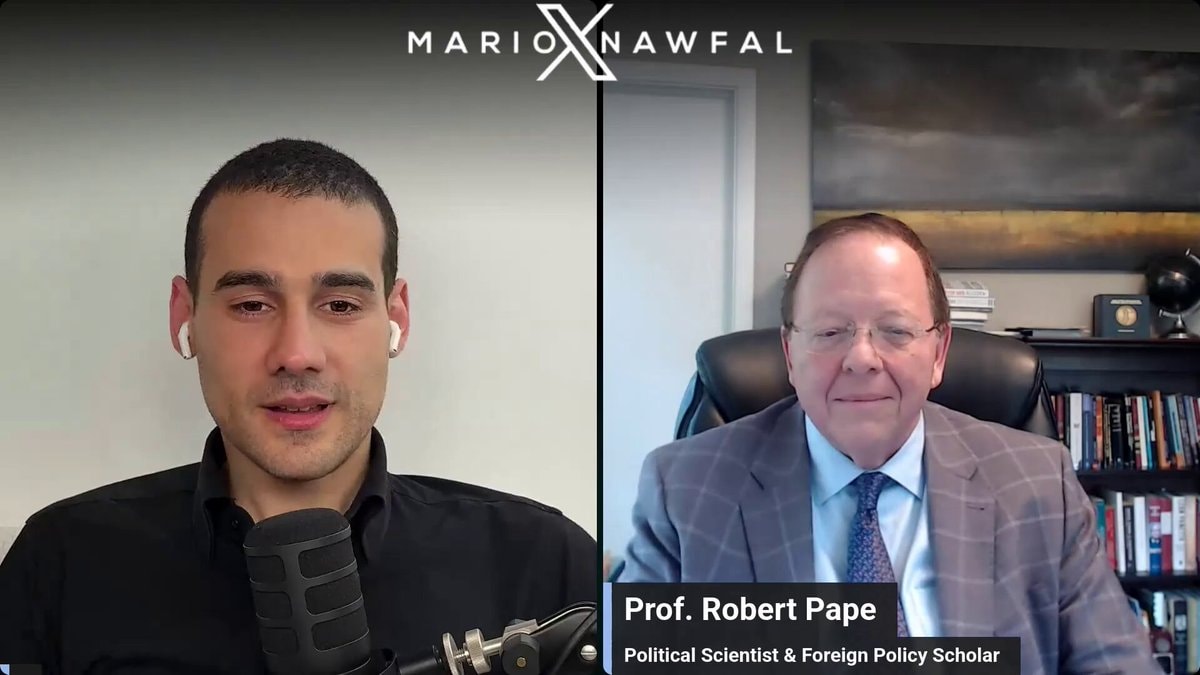
    @jolyonEconomic sanctions are frequently marketed as a peaceful alternative to armed conflict. Professor Robert Pape challenges this view, arguing that such measures can function as an escalation trap rather than a solution. He examines the potential outcomes of Trump’s 'maximum economic pressure' campaign against Iran. While inflicting severe economic pain might represent a tactical success, Pape suggests it could fail strategically by failing to compel Tehran to surrender. Instead of capitulation, the pressure risks hardening the regime’s resolve and increasing the likelihood of retaliation. The historical precedent for this dynamic is stark. In 1941, American oil sanctions led Japanese leadership to believe they faced imminent political and economic extinction. Their response was the attack on Pearl Harbor. Iran may confront a parallel strategic calculation if the goal of sanctions is perceived as regime destruction. Under those conditions, Tehran has little incentive to passively absorb the punishment. The state has strong motivations to retaliate. Furthermore, Iran shares thousands of miles of land borders that allow sanctioned goods to continue moving. Shutting down these smuggling corridors would necessitate direct military intervention. Such action could drag the U.S. deeper into war simply to enforce the sanctions effectively. Pape’s central warning is that sanctions may not serve as an off-ramp from war. They may instead become the road to the next escalation.

    Ver publicação original
    Robert Pape on sanctions and escalation risk

    Foto de @jolyon· Aug 25, 2026· Robert Pape

    Sobre esta foto

    The image shows a split screen of two men in a video call. The man on the left is wearing a black shirt and has earbuds in, looking towards the microphone in front of him. The man on the right is wearing a suit and tie, sitting in an office with bookshelves behind him. The mood is professional and interview-like. A watermark at the top reads "MARIO X NAWFAL". A lower-third graphic identifies the man on the right as "Prof. Robert Pape Political Scientist & Foreign Policy Scholar".

    Ver todas as fotos de Robert PapeLer a wiki de Robert Pape

    ?

    Mais fotos de Robert Pape

    Ver todas as fotos de Robert Pape
    Prof. Robert Pape on Trump Iran hesitationProf. Robert Pape on Trump Iran hesitation
    Foto
    Jolyon
    Jolyon@jolyon3w
    ⭐Robert Pape🏛️Donald Trump🎬Pearl Harbor
    Robert Pape on sanctions and escalation risk

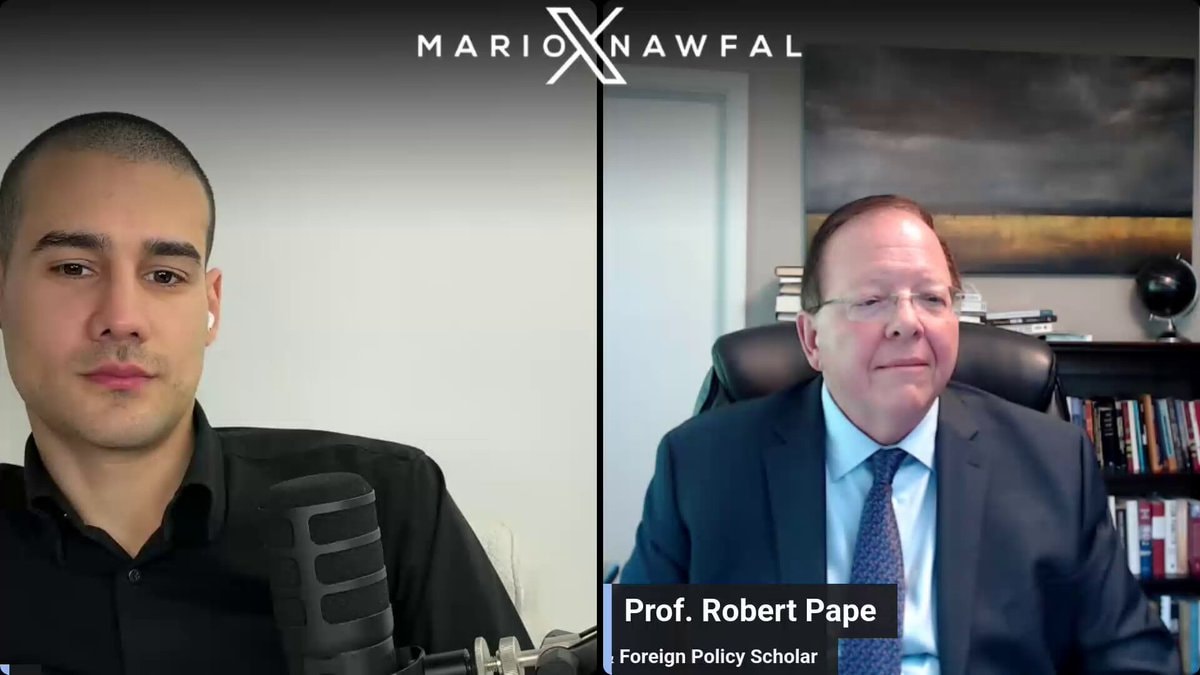
    @jolyonEconomic sanctions are frequently marketed as a peaceful alternative to armed conflict. Professor Robert Pape challenges this view, arguing that such measures can function as an escalation trap rather than a solution. He examines the potential outcomes of Trump’s 'maximum economic pressure' campaign against Iran. While inflicting severe economic pain might represent a tactical success, Pape suggests it could fail strategically by failing to compel Tehran to surrender. Instead of capitulation, the pressure risks hardening the regime’s resolve and increasing the likelihood of retaliation. The historical precedent for this dynamic is stark. In 1941, American oil sanctions led Japanese leadership to believe they faced imminent political and economic extinction. Their response was the attack on Pearl Harbor. Iran may confront a parallel strategic calculation if the goal of sanctions is perceived as regime destruction. Under those conditions, Tehran has little incentive to passively absorb the punishment. The state has strong motivations to retaliate. Furthermore, Iran shares thousands of miles of land borders that allow sanctioned goods to continue moving. Shutting down these smuggling corridors would necessitate direct military intervention. Such action could drag the U.S. deeper into war simply to enforce the sanctions effectively. Pape’s central warning is that sanctions may not serve as an off-ramp from war. They may instead become the road to the next escalation.

    Ver publicação original

    Robert Pape on sanctions and escalation risk

    Foto de @jolyon· Aug 25, 2026· Robert Pape

    Sobre esta foto

    The image shows a split screen of two men in a video call. The man on the left is wearing a black shirt and has earbuds in, looking towards the microphone in front of him. The man on the right is wearing a suit and tie, sitting in an office with bookshelves behind him. The mood is professional and interview-like. A watermark at the top reads "MARIO X NAWFAL". A lower-third graphic identifies the man on the right as "Prof. Robert Pape Political Scientist & Foreign Policy Scholar".

    Ver todas as fotos de Robert PapeLer a wiki de Robert Pape

    ?

    Mais fotos de Robert Pape

    Ver todas as fotos de Robert Pape
    Prof. Robert Pape on Trump Iran hesitationProf. Robert Pape on Trump Iran hesitation